
Reviewed · EASTER ISLAND TOURS
Easter Island Private Tour: Historical Journey North & West
Ancient stones tell a dangerous story. This private Easter Island tour links beaches, moai quarries, volcanic craters, and the birdman village into one well-planned day. I like the private format, which gives you a more personal guide and a smoother pace, and I like the smart route planning for softer light and fewer crowds. The main drawback is the long day, with nearly six and a half hours of touring plus driving and little time for swimming or lingering.
The strongest praise goes to the friendly local guide. Éliane, Georges, Martine, and Paul gave special thanks for the warm guidance that brought the island to life. Bring good shoes, sun protection, and patience for uneven ground. This is an archaeology-focused outing, not a relaxed beach day.
In This Review
- Key points to know before booking
- A full day from Anakena to Orongo
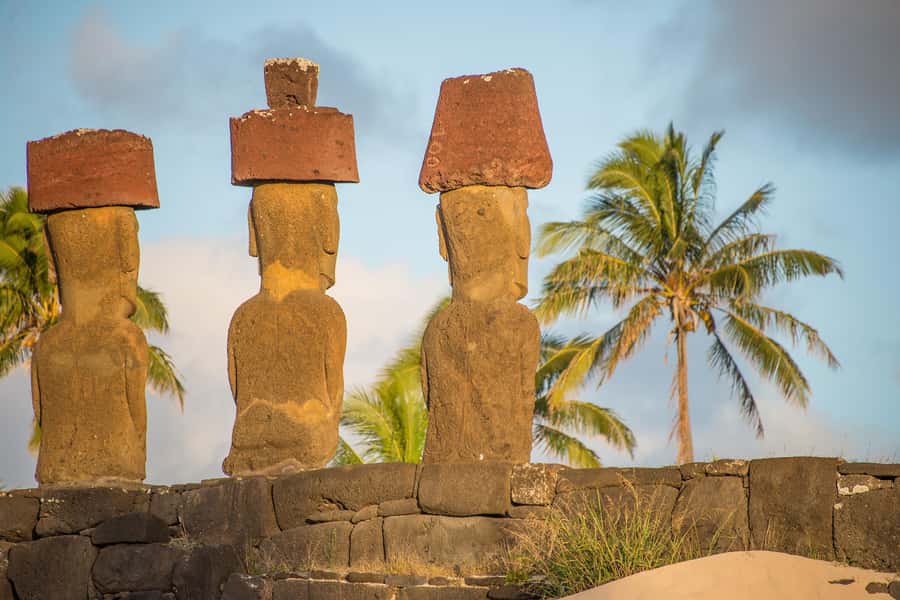
- Anakena: beach, capital, and restored moai
- Te Pito Kura and the island’s largest moai
- Puna Pau, where every red topknot began
- Ahu Akivi and the moai facing the sea
- Tahai: three platforms beside Hanga Roa
- Lunch in Hanga Roa, with your budget in hand
- Rano Kau, a crater filled with water
- Orongo and the deadly birdman contest
- Why the route works for photographers
- The real cost and the value of a private day
- Walking, age limits, and the practical fit
- Who should book this Easter Island tour?
- Final verdict: a strong first day on Rapa Nui
- FAQ
- How long does the Easter Island private tour last?
- What sites are included?
- Is lunch included?
- Is the national park ticket included?
- What languages are available?
- Does the tour include transportation?
- What should I bring?
- Is the tour suitable for wheelchair users?
Key points to know before booking
- Anakena begins the story: Visit the island’s most beautiful beach and the former center of ancient society, with carefully restored moai rising from the sand.
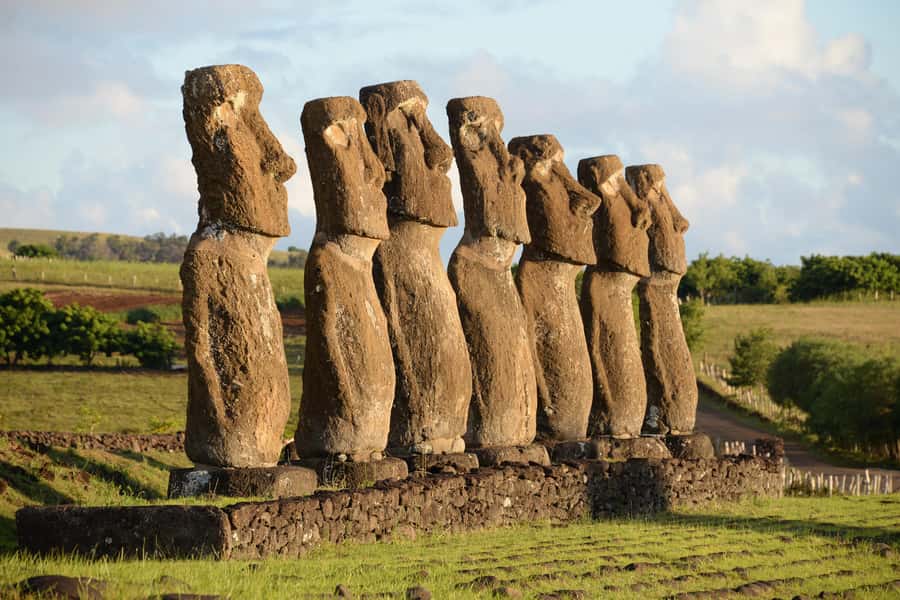
- Ahu Akivi is unusual: Its seven moai are the only ones on the island described as looking toward the sea.
- Rano Kau is a visual highlight: The vast volcanic crater and its lake offer one of Easter Island’s finest views.
- Orongo explains the birdman era: Learn how a dangerous contest replaced the earlier moai-centered culture.
- Lunch is separate: Plan on roughly 5,000 to 25,000 Chilean pesos per person, or bring your own snack.
- The park ticket costs extra: The national park ticket is about $80 per person and covers your whole stay.
A full day from Anakena to Orongo
This 390-minute private tour is built as a history lesson told through places. You begin with the first settlers and the rise of the megalithic culture, then move through the era of moai carving before reaching the later birdman competitions.
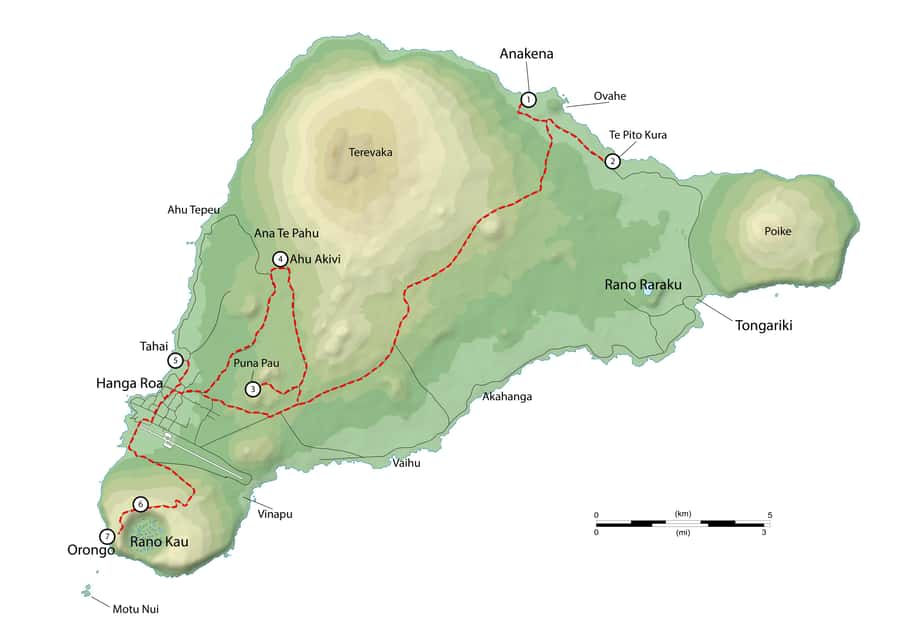
The order matters. The tour crosses northern, central, and southwestern Easter Island rather than repeating similar sites. You get a beach, an abandoned monument, a quarry, village platforms, a crater, and a ceremonial settlement. That variety keeps the day from becoming a parade of one stone platform after another.
Hotel pickup and drop-off are included. Transport between sites is also covered, along with a 50-centiliter bottle of water. The private group format should make it easier to ask questions and adjust the conversation to your interests, though the schedule remains fairly tight.
More Private Tours in Easter Island
- 2-Day Private Tour Easter Island Highlights Complete Discovery
★ 5.0 · 110 reviews - Private Full-Day Easter Island Highlights North and West
★ 5.0 · 84 reviews - Full Day Private Tour: Factory of the Moai the stone giants
★ 4.5 · 63 reviews
Anakena: beach, capital, and restored moai
After about 25 minutes of driving, you reach Anakena for a 40-minute guided visit. This is the island’s most beautiful beach, but the tour treats it mainly as an archaeological site.
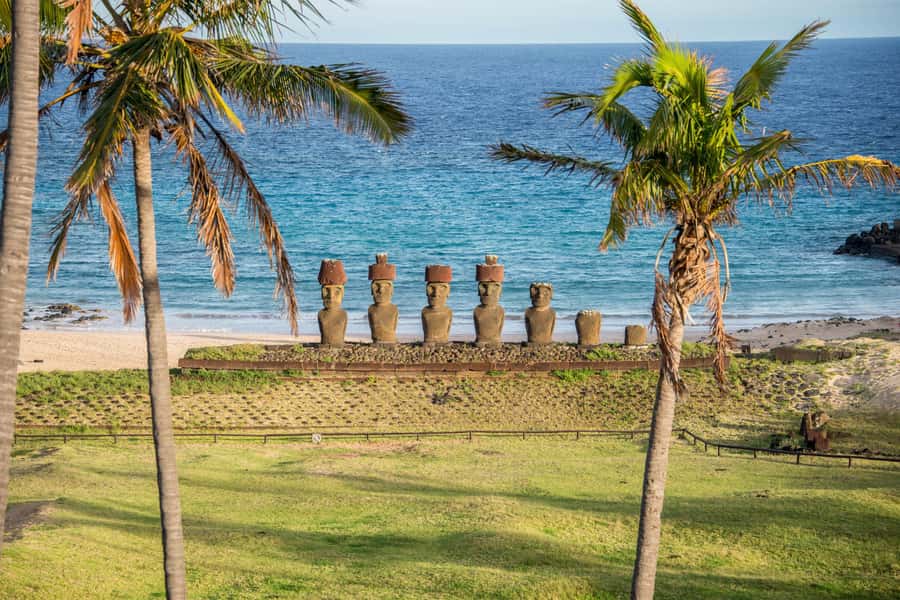
Anakena was the capital of ancient society, and its setting helps explain why the place mattered. The sand holds a monument with some of the best-preserved restored moai on Easter Island. These statues were buried for centuries before being dug out and restored, a detail that gives the site an unusual sense of discovery.
I like beginning here because you see more than statues. You see how a ceremonial center fit into daily life, travel, and power. The beach also gives the morning a pleasant change from bare volcanic ground.
You will not have much time for swimming. The guided visit lasts about 40 minutes, so come back independently if you want a proper beach afternoon. For this tour, Anakena is about history first and sea time second.
Te Pito Kura and the island’s largest moai
A short five-minute transfer brings you to Ahu Te Pito Kura. The guided stop lasts about 25 minutes.
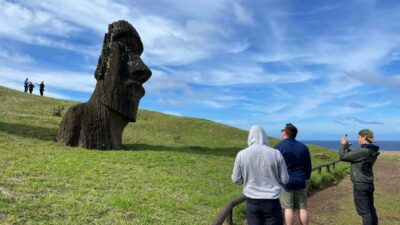
This ahu once supported the largest moai ever placed on an ahu platform, nearly 10 meters tall. The statue no longer stands upright, but the scale of the site still helps you understand the labor and ambition behind the moai tradition.
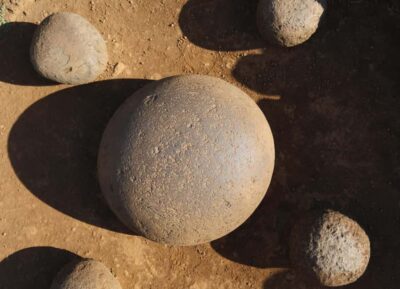
Nearby, you see a round stone associated with magnetic properties. It is a small detail beside a huge monument, yet it adds another layer to the visit. Your guide can connect the stone, the ahu, and the wider beliefs of the ancient islanders.
This stop is short, so pay attention to the explanation and take your photographs efficiently. The tour is designed to show many sites in one day, not to give every monument a long pause.
Puna Pau, where every red topknot began
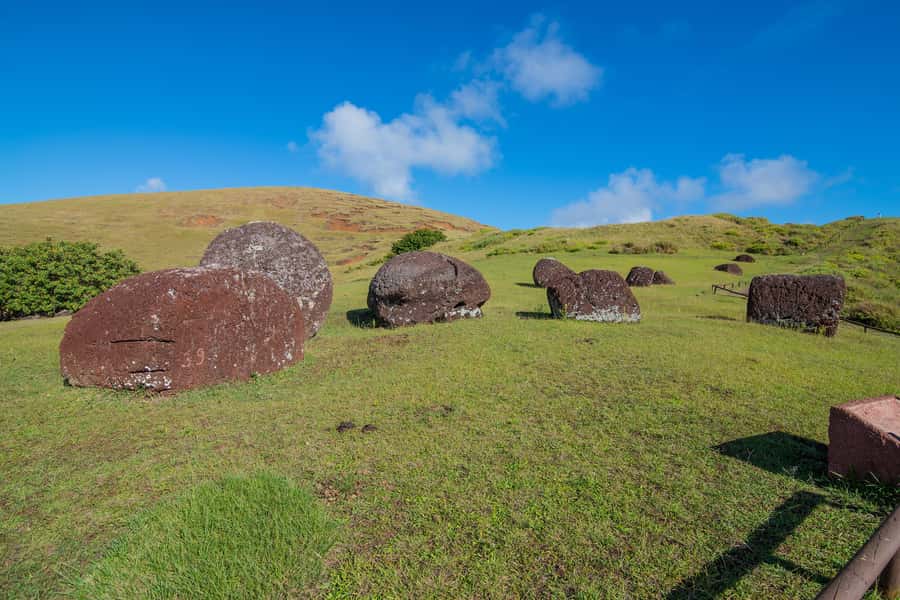
The next transfer takes about 20 minutes, followed by a 20-minute guided visit at Puna Pau.
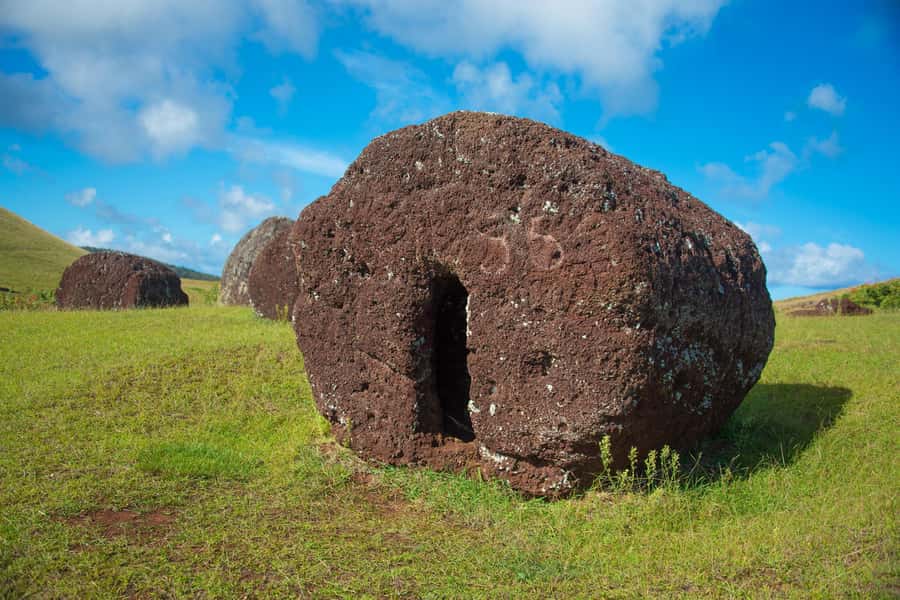
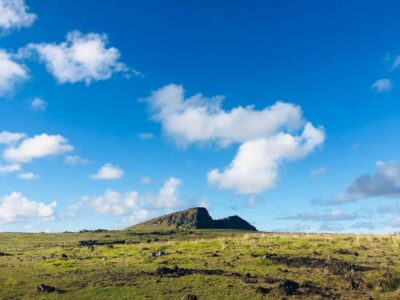
Puna Pau is a small volcano and the source of the red scoria used for the moai topknots, called pukao. Every moai pukao came from this place, making the quarry important even though it feels very different from the main statue sites.
The visit helps you see the moai as a large construction project. The islanders needed more than one type of stone, and each material had to be shaped, moved, and fitted into a ceremonial design. At Puna Pau, you focus on the red stone rather than on a complete statue.
The ground is uneven, so comfortable shoes matter. This is not a place for polished sandals or a rushed stroll. Sunglasses, a hat, and sunscreen are also useful because shade may be limited.
More Rapa Nui trips and moai walks:
- From Hanga Roa: Rapa Nui Culture Sightseeing Tour
★ 4.6 · 307 reviews - From Hanga Roa: Easter Island Highlights 2-Day Tour
★ 4.3 · 205 reviews - Full Day Tour in Rapa Nui
★ 4.5 · 122 reviews - From Hanga Roa: Journey from Orongo to Ana Te Pahu
★ 4.3 · 75 reviews
Ahu Akivi and the moai facing the sea
After a 10-minute transfer, you reach Ahu Akivi for about 20 minutes.
This monument is famous for its seven moai, described here as the only statues looking out toward the sea. That orientation makes the site especially memorable. Many visitors expect moai to face the ocean, so learning why this monument is unusual adds real value to the guide’s explanation.
Ahu Akivi is also a good place to pause and think about the island’s ceremonial system. The statues are not random sculptures scattered across the island. They belong to an organized world of ahu platforms, communities, labor, and belief.
The stop is brief, but the private setting should make questions easier. Ask your guide to explain the story behind the seven figures and how this monument differs from the coastal ahu.
Tahai: three platforms beside Hanga Roa
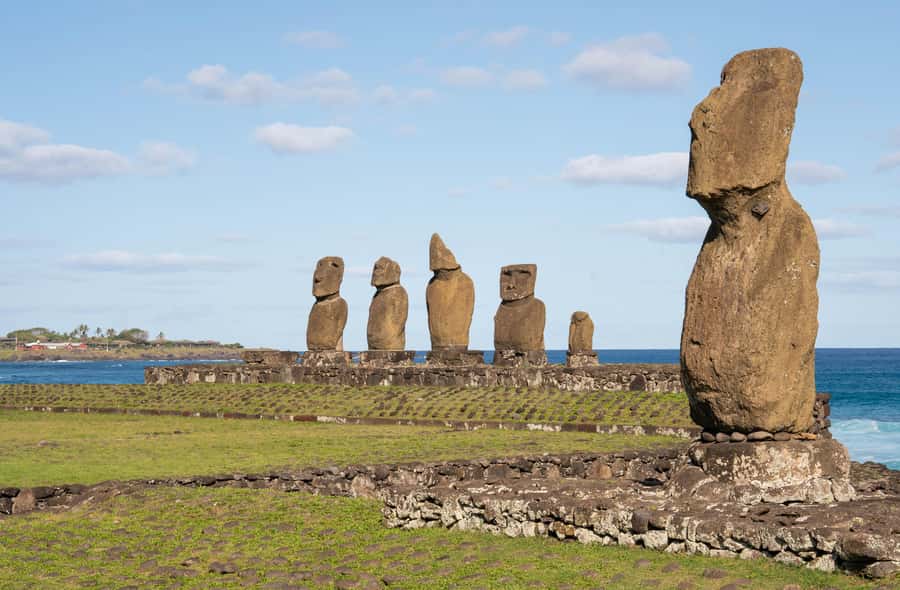
A 15-minute transfer leads to Ahu Tahai, where the guided visit lasts about 25 minutes.
Tahai was a village whose people built three separate ahu platforms. The group is described as ambitious and hard-working, and the site gives you a clear look at how several ceremonial structures could exist within one community.
A ramp from the area once allowed entry into the ocean. That practical feature helps balance the grand scale of the moai. Tahai was not only a place for statues and ceremony. It was also a lived-in village connected to the water.
This stop works well before lunch because it gathers several themes from the morning: community, engineering, ceremony, and contact with the sea. It is also close to Hanga Roa, where you stop for a 90-minute lunch break.
Lunch in Hanga Roa, with your budget in hand
Lunch is not included, so plan on about 5,000 to 25,000 Chilean pesos per person. The range is wide because your choice determines the cost. You can also bring a snack.
The 90-minute stop gives you a proper break after the morning’s sites and transfers. It is the longest pause in the schedule, so use it to eat, refill your energy, and prepare for the volcanic sites in the afternoon.
Food and drinks are not allowed at the archaeological sites. Keep lunch for Hanga Roa rather than trying to carry a meal into the monuments. The tour includes bottled water, but the supplied amount is only 50 centiliters, so ask about bringing additional water if you need more.
Rano Kau, a crater filled with water
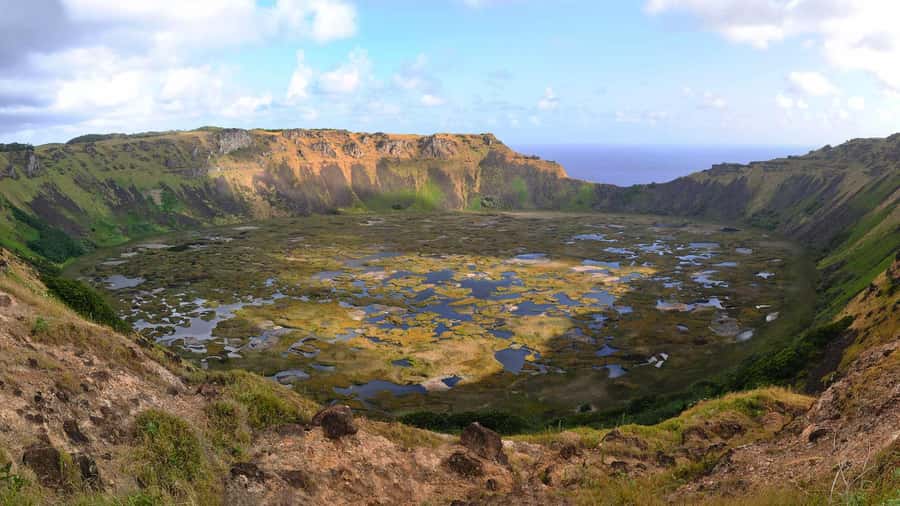
After lunch, a 15-minute transfer takes you to Rano Kau. The guided visit lasts about 15 minutes.
The crater is one of the most striking views on Easter Island. Its lake was an important source of drinking water in ancient times, so this is not simply a scenic overlook. The crater connects geology with survival.
The visit is short, but the setting does much of the work. You see the great bowl of the volcano and the water held inside it, then hear how that resource fitted into island life. Weather can change quickly, so bring rain gear even on a sunny morning. A hat and sunscreen remain useful when the sky clears.
For photography, the tour’s timing is planned around better light where possible. That does not guarantee perfect conditions, but it is a sensible feature for anyone carrying a camera or phone. Flash photography is not allowed.
Orongo and the deadly birdman contest
A five-minute transfer brings you to Orongo, followed by a 40-minute guided visit. This is the final major site and the historical shift it explains gives the day a strong finish.
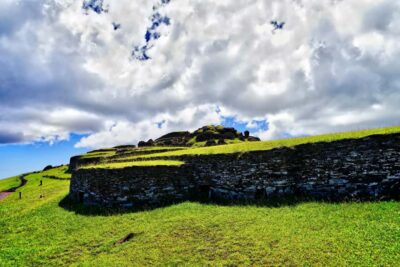
Orongo is a ceremonial stone village on the ridge of Rano Kau. It was dedicated to the birdman competition, known as tangata manu. After the era of moai carving, island society developed this dangerous contest as a new way to decide status and power.
The location makes the story easier to grasp. From Orongo, you look across the crater while standing at a high ceremonial settlement. The crater view is not a backdrop added for photographs. It is part of the place’s meaning and setting.
I find Orongo especially valuable because it prevents a narrow view of Easter Island. The island’s story did not end with moai construction. Customs changed, leaders changed, and the competition became a deadly expression of authority.
You have 40 minutes here, one of the longer guided visits of the day. Listen closely to the explanation of the birdman tradition, since the site itself can otherwise look like a group of stone foundations with a dramatic view.
Why the route works for photographers
The tour is planned to reach sites when light is expected to be favorable and crowds are expected to be lighter. That is useful because Easter Island’s open sites can look very different under harsh midday sun or changing cloud.
The route also gives you a wide range of subjects:
- Restored moai at Anakena
- A massive abandoned monument at Te Pito Kura
- Red scoria at Puna Pau
- Seven sea-facing moai at Ahu Akivi
- Three platforms at Tahai
- The crater lake at Rano Kau
- Stone ceremonial buildings at Orongo
Do not use flash at the archaeological sites. Bring sunglasses, a hat, sunscreen, and rain gear. Weather protection is not overkill here, since the day moves between exposed volcanic areas and open coastal ground.
The real cost and the value of a private day
The tour costs $205 per person. That is before the national park ticket, which is around $80 per person for your entire stay, and before lunch.
The total can feel high, but the tour covers hotel pickup, drop-off, transport, a certified local guide, and a full route through seven major stops. For a private group, the cost can make sense if you value focused explanations and want to cover both northern and southwestern areas in one day.
You should also compare it with the cost of spending extra days arranging separate transport and guides. The attraction here is not just convenience. The guide provides the links between sites: why one stone came from one quarry, why the moai changed, and how the birdman era followed.
The price is harder to justify if you want a slow day, long beach time, or extended photography at each stop. You are paying for range and organization, not a lazy pace.
Walking, age limits, and the practical fit
Comfortable walking shoes are essential because the terrain is uneven. The activity is not suitable for children under eight, people with mobility impairments, or wheelchair users.
There is a confusing detail in the practical information: the activity is marked wheelchair accessible in one place but also says it is not suitable for wheelchair users. If this matters to you, ask the provider for a clear site-by-site answer before booking. The uneven archaeological ground is the key concern.
The tour is offered in English and Spanish. It includes hotel pickup and drop-off on Easter Island, but the exact starting time depends on availability. Since the schedule includes several transfers and guided visits, begin the day ready to keep moving.
Free cancellation is available up to 24 hours in advance, and you can reserve now while paying later. Those terms are useful on an island where weather and travel plans can shift, but the practical heart of the decision is still your walking ability and interest in archaeology.
Who should book this Easter Island tour?
I would choose this tour if you want a single historical overview rather than isolated photo stops. It is especially good for first-time visitors who want to understand how Anakena, the quarries, the ahu platforms, Rano Kau, and Orongo fit together.
It also suits couples, families with older children, and small private groups who prefer asking questions without a large coach crowd. The friendly guide service is a major plus, and the personal format should help you get more from the short visits.
I would look elsewhere if your top priority is swimming at Anakena, hiking for long periods, or spending an entire afternoon at one location. You may also prefer a shorter outing if six and a half hours of touring sounds tiring.
For a fuller two-day plan, pair this North and West journey with the Megaliths tour. Together, the two days are intended to cover the easily accessible highlights of Easter Island.
Final verdict: a strong first day on Rapa Nui
This is a well-planned history route with excellent variety. You see the ancient capital at Anakena, the island’s main stone sources, the unusual moai at Ahu Akivi, the community site of Tahai, and the dramatic birdman setting at Orongo.
The drawbacks are clear: park admission and lunch cost extra, the pace is active, and beach time is limited. Still, if you want context rather than a quick checklist of statues, I think the $205 price can be fair for a private group with transport and a local guide.
Book it if you want the island’s story explained from beginning to end. Skip it if you want a beach day or a slow photographic tour.
FAQ
How long does the Easter Island private tour last?
The tour lasts 390 minutes, or about six and a half hours, including transfers, guided visits, and the lunch break.
What sites are included?
The route includes Anakena, Ahu Te Pito Kura, Puna Pau, Ahu Akivi, Ahu Tahai, Rano Kau, and Orongo.
Is lunch included?
No. Lunch is taken in Hanga Roa during a 90-minute break and costs approximately 5,000 to 25,000 Chilean pesos per person. You may also bring a snack.
Is the national park ticket included?
No. The ticket costs around $80 per person and covers your whole stay. It can be bought through the Rapa Nui National Park website.
What languages are available?
The live guide service is available in English and Spanish.
Does the tour include transportation?
Yes. Hotel pickup, hotel drop-off, and transport between the sites are included.
What should I bring?
Bring comfortable shoes, sunglasses, a hat, sunscreen, rain gear, and any extra snacks or water you may need.
Is the tour suitable for wheelchair users?
The practical information says it is not suitable for wheelchair users or people with mobility impairments. It also contains a wheelchair-accessible label, so contact the provider for clarification before booking if accessibility is important.
More Historical Tours in Hanga Roa
- 2 Day Private Tour: Easter Island’s Cultural Heritage
★ 5.0 · 40 reviews - 2 Day Small Group Tour in Moai Monuments and Historic Pathways
★ 5.0 · 22 reviews - Santiago: Guided Walking Tour of the Historical Old Town
★ 4.8 · 459 reviews - Tour Viña Santa Rita: History, Wine and Picnic Outdoors
★ 4.5 · 141 reviews
Just added around Hanga Roa
- Volcanic Refuges: Excursion to Underground Civilization★ 4.7 · 8 reviews
- Easter Island Ancestral Dinner and Show with Transport★ 4.5 · 2 reviews
- Volcanic Wonders and the Kingdom of the Birdman: Half Day★ 5.0 · 6 reviews
- Half Day Private Tour: Caves and Volcanic Refuges★ 4.0 · 14 reviews
- Tour to the Motus: Boat trip and snorkeling in Rapa Nui★ 5.0 · 8 reviews
- Birdman Ceremonial Route: Orongo, Ranu Kau Half-Day Tour★ 4.5 · 16 reviews
- Visit Rapa Nui in 4 days with 3 Tours and Accommodation included★ 4.0 · 2 reviews
- Private Tour: Tongariki Sunrise Experience★ 4.5 · 20 reviews
Easter Island Tours, compared.
Two days of Full Day Tour of Rapa Nui + Sunrise in Tongariki
Read our review →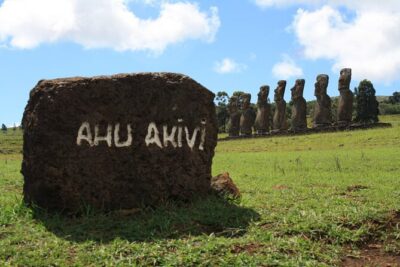
2-Day Private Tour Easter Island Highlights Complete Discovery
Read our review →
Private Tour: Full Day Easter Island Highlights
Read our review →
Browse the lists this tour appears in