
Reviewed · EASTER ISLAND TOURS
Half Day Private Tour: Caves and Volcanic Refuges
Rapa Nui hides more than its moai. This private half-day outing pairs the seven ocean-facing statues at Ahu Akivi with the huge lava passages of Ana Te Pahu and the red-stone quarry at Puna Pau. I like the mix of archaeology and wild geology, and I like having private transport with a native, certified guide. The price is high once you add the National Park fee, but the small-group format can make the cost worthwhile.
The main caution is consistency. A few serious problems have been reported, including late pickup, rushed explanations, erratic driving, and one case where the wrong tour was provided. Confirm your pickup, route, and English-speaking guide before setting out, especially if these three stops are the reason you booked.
In This Review
- Key things to know before booking
- Why these three places make a good half-day
- Ahu Akivi and the seven ocean-facing moai
- Ana Te Pahu, Rapa Nui’s great lava cave
- Puna Pau and the red stone pukao
- What the private format adds
- Is $150 per person a fair price?
- Timing, weather, and who should choose it
- How to prepare for a better visit
- Should you book the Caves and Volcanic Refuges tour?
- FAQ
- How long does the tour last?
- What sites are included?
- Is the tour private?
- Is transportation included?
- Is the National Park entrance fee included?
- Is the tour offered in English?
- What happens if bad weather cancels the tour?
- Can I cancel for a full refund?
Key things to know before booking
- Ahu Akivi has seven moai facing the Pacific, a rare and striking arrangement tied to the story of seven explorers.
- Ana Te Pahu is the island’s largest cave, extending more than 7 kilometers, though the tour does not promise that you will cover all of it.
- Puna Pau is the source of the red pukao, the topknots placed on many Easter Island statues.
- The tour is private, so only your own group participates, with transport and bottled water included.
- The National Park entrance fee costs another $80 per person, making the real cost $230 per person before any group discount.
- Weather and communication matter, since poor weather can cancel the outing and pickup mix-ups have caused major problems.
Why these three places make a good half-day
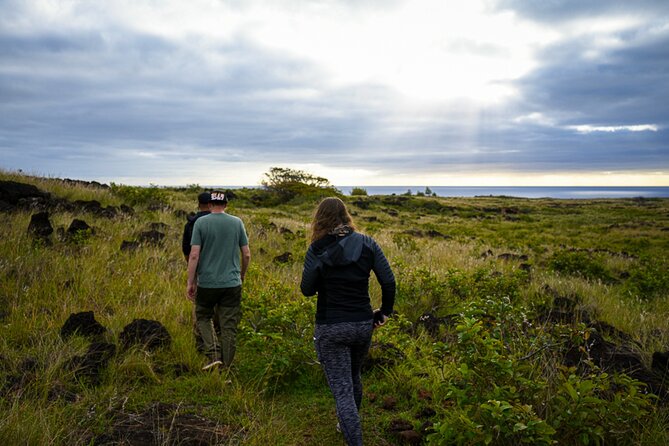
Many Rapa Nui outings focus almost entirely on the famous moai platforms. This route takes a broader view. You see a ceremonial site, enter a volcanic cave, and visit the place where the red stone crowns were made.
That variety is the chief reason I find the tour appealing. The stops do not repeat one another. Ahu Akivi gives you open sky and cultural meaning. Ana Te Pahu shifts the mood underground. Puna Pau adds a high viewpoint and a look at the practical side of statue making.
The planned stop time totals about two hours and 20 minutes: 40 minutes at Ahu Akivi, one hour at Ana Te Pahu, and 40 minutes at Puna Pau. With pickup and driving, the full experience is advertised as roughly two to four hours. That range is wide, so ask for the expected return time before you leave your hotel.
Because the outing is private, you are not tied to the pace of a large coach group. That helps at a cave, where people may need different amounts of time and confidence. It also gives you a better chance to ask about local stories, astronomy, farming, and island traditions.
More Private Tours in Easter Island
- 2-Day Private Tour Easter Island Highlights Complete Discovery
★ 5.0 · 110 reviews - Private Full-Day Easter Island Highlights North and West
★ 5.0 · 84 reviews - Full Day Private Tour: Factory of the Moai the stone giants
★ 4.5 · 63 reviews
Ahu Akivi and the seven ocean-facing moai
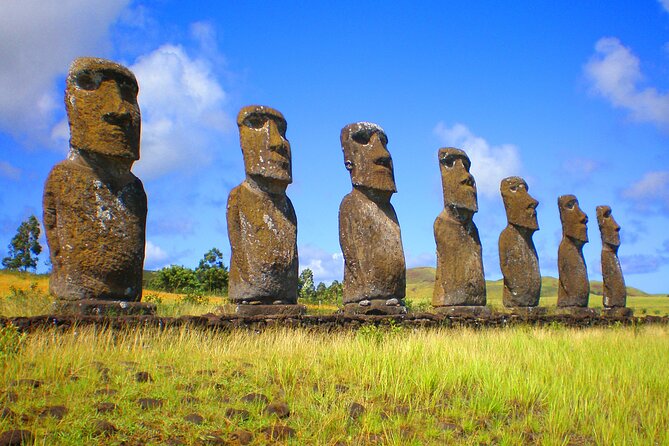
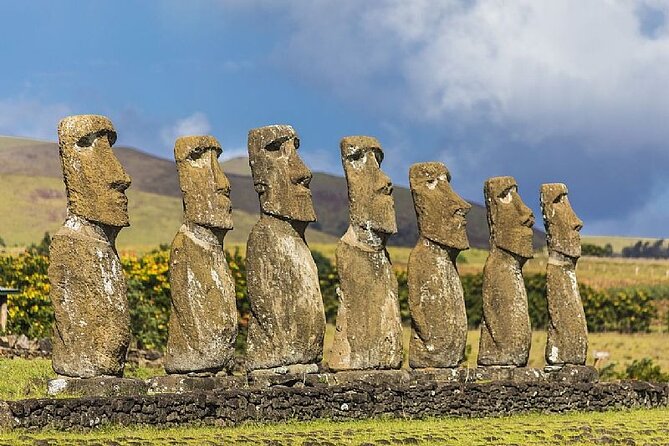
Ahu Akivi is the cultural anchor of the route. Its seven moai face toward the Pacific, and local tradition connects them with the seven explorers sent by King Hotu to Matua before the colonizing journey.
The platform itself is substantial. It measures about 90 meters long, with a central platform of roughly 38 meters. The statues were built between 1442 and 1600, according to the information provided for the tour, and restored in 1960 and 1961.
What makes Ahu Akivi especially interesting is its position in relation to the sun. The statues align with the points where the sun rises during the autumn and spring equinoxes. Around September 22 and March 20, day and night are equal in length.
That astronomical detail is not just a clever fact for a guide to recite. It helps you see the moai as part of a wider system of farming, seasonal planning, and observation. The changing position of the sun gave island farmers a useful signal for shifts in climate and the timing of work in the fields.
I would give this stop your full attention rather than treating it as a quick photo halt. Look at the relationship between the statues, the platform, and the open horizon. The setting is part of the meaning.
The 40-minute visit should be enough to hear the main story and take in the site, but it may feel short if you want a long explanation of the astronomy or several quiet minutes for photographs. Your guide’s skill matters here. A good guide can turn seven stone figures into a story about navigation, authority, farming, and memory.
Ana Te Pahu, Rapa Nui’s great lava cave
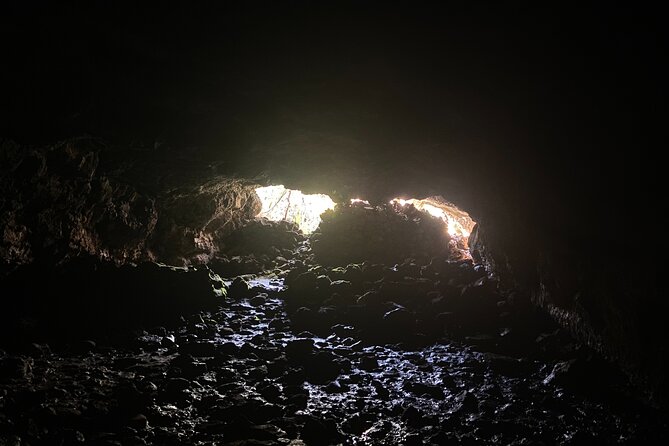
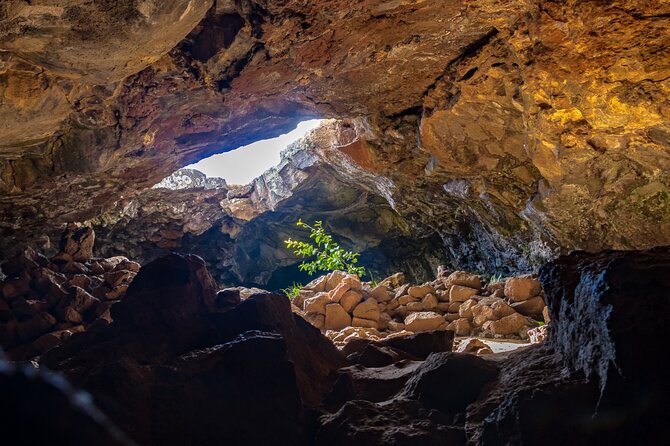
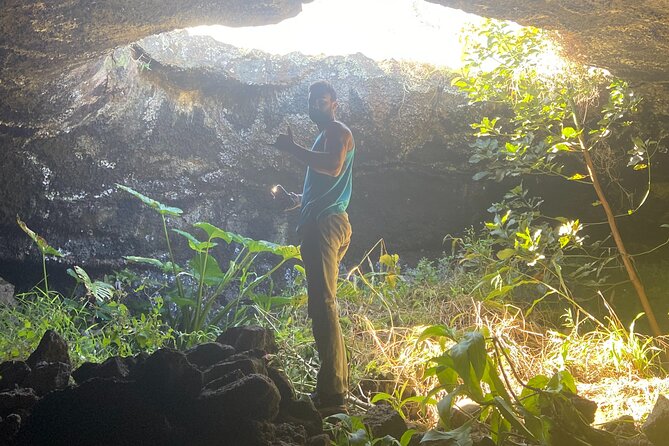
Ana Te Pahu is the most unusual part of the outing. It is described as the largest cave on Easter Island, extending for more than 7 kilometers. The advertised visit lasts one hour.
Do not expect a polished show cave with railings, signs, and bright lighting. The appeal is the natural setting and the sense of moving through volcanic rock. The cave can make the island’s geology feel immediate in a way that a viewpoint cannot.
The cave is also where the tour requires the most practical care. Wear shoes you can use on uneven ground, and expect the visit to involve climbing through or over parts of the cave system. One person described the cave excursion as a unique experience, while another singled out the cave visit as the strongest part of the day.
I would ask the operator exactly how much walking and climbing is planned for your departure. The tour information says most people can participate, but that broad statement does not tell you how demanding the cave route will feel. Service animals are allowed, though the cave setting may still require careful planning.
The one-hour stop gives your guide time to explain the cave and its place in island life. The supplied information does not state that you explore all 7 kilometers, and you should not expect that during a half-day tour. Think of the figure as the scale of the cave system, not the distance covered.
This is also the stop where a strong guide can make a major difference. Guide Vai has been praised for explaining the caves, island culture, traditions, and history in a way that added meaning to the visit. That is exactly what you want underground: not just a walk through rock, but a clear explanation of why this place matters.
Puna Pau and the red stone pukao
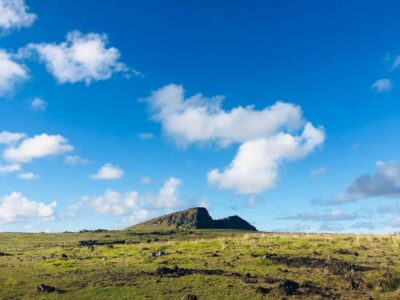
Puna Pau is a small extinct volcano, and its importance comes from what was taken from it. The red volcanic stone was quarried and shaped into the pukao, the red headdresses or topknots placed on the moai.
This stop adds a useful piece to the statue story. You are not only looking at finished monuments. You are seeing the source of one of their most recognizable parts.
The site is also known for having some of the greenest grass on the island and for offering a 360-degree view. The contrast between the soft grass, the red stone, and the broad view makes Puna Pau a good final stop.
There is one clear warning: the wind at the top can be very strong. Hold onto hats and loose items, and bring a layer even if the weather feels mild in Hanga Roa. The 40-minute visit should allow time for the view and the quarry story, but windy conditions may affect how long you want to remain at the highest point.
Puna Pau is not as visually monumental as a line of moai, but I think it earns its place on this route. It answers a simple question that many visitors have: where did the red crowns come from?
More Rapa Nui trips and moai walks:
- From Hanga Roa: Rapa Nui Culture Sightseeing Tour
★ 4.6 · 307 reviews - From Hanga Roa: Easter Island Highlights 2-Day Tour
★ 4.3 · 205 reviews - Full Day Tour in Rapa Nui
★ 4.5 · 122 reviews - From Hanga Roa: Journey from Orongo to Ana Te Pahu
★ 4.3 · 75 reviews
What the private format adds
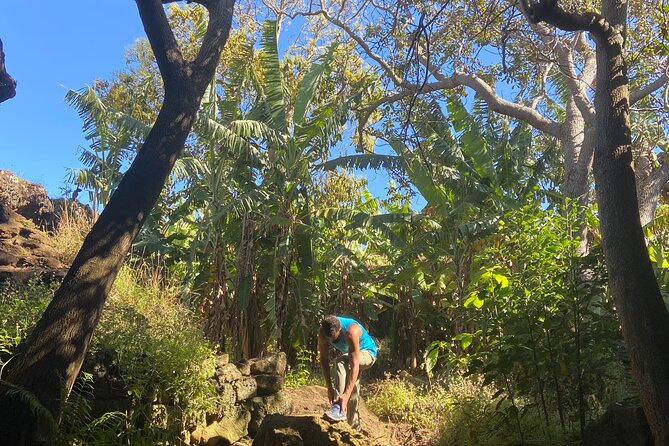
The private setup is a real benefit here. Only your group participates, so you can ask questions without competing with a busload of people. You may also find it easier to manage the cave stop at your own pace.
Private transport is included, as is bottled water. Pickup is offered, and the guide is supposed to arrive 15 minutes before the start time with an identification card so you can recognize one another.
Those details sound small, but they matter on an island where a missed pickup can disrupt a short visit. I would still confirm the hotel name, meeting time, number of people, and exact itinerary in advance. One serious mix-up involved two people named Mary staying at the same hotel, which resulted in the wrong groups being collected. Another booking was changed from a half-day cave and crater visit to a 10-hour moai tour, with no clear communication.
The experience is offered in English, but you should confirm that your assigned guide will conduct the tour in English. One past departure included a guide who did not speak English, leaving a participant to translate. That is not a minor issue when the value of the trip depends heavily on cultural and historical explanation.
Guide names associated with departures include Vai and Martin. Vai received particularly strong praise for insight into the caves, traditions, and island culture. Martin was described as very good, even during a tour mix-up, but the language issue still caused disappointment.
Is $150 per person a fair price?
The advertised price is $150 per person, but the National Park entrance fee is not included and costs another $80 per person. Your effective cost is therefore $230 per person before any group discount.
That is expensive for a two to four-hour outing. The value depends on what you want from your time in Rapa Nui. If you only need transport to the sites and a few quick facts, the price may feel hard to justify. If you value a private vehicle, a certified local guide, bottled water, and the chance to shape the conversation around your interests, the calculation improves.
The cave is the strongest reason to consider paying for this particular route. It is not as easy to understand or visit casually as an open-air moai platform. A guide who explains the geology and cultural meaning can make the stop much more rewarding.
Group discounts may reduce the per-person cost, but no discount amount is specified. Ask for the final total, including the park fee, before booking. Also check whether the entrance fee is paid separately or collected in another way.
For couples, families with older children, or small groups who want a focused half-day, private transport has practical value. For solo visitors, the price is harder to defend unless the private format and guide quality are especially important to you.
Timing, weather, and who should choose it
The tour requires good weather. If poor conditions cancel the experience, you are offered another date or a full refund. That is useful protection, but Rapa Nui plans can be tight, so avoid placing this outing on your final available morning if you can.
Most people can participate, and service animals are allowed. Still, Ana Te Pahu may involve uneven surfaces and climbing, so ask for a clear description if mobility, balance, or footwear is a concern. The provided information does not give a detailed accessibility assessment.
I think the tour suits you best if:
- You have already seen, or plan to see, the major moai sites and want a different side of the island.
- You enjoy caves, volcanic geology, and outdoor viewpoints.
- You prefer a private conversation with a guide rather than a large group.
- You want the seven moai story and astronomical alignment at Ahu Akivi.
- You can manage an added $80 National Park fee per person.
- You have enough schedule flexibility to handle a weather change.
I would be cautious if you need a perfectly fixed itinerary, have a very tight connection, or are booking mainly for a guaranteed English-language explanation without confirming the guide. The uneven service record means you should take a few minutes to verify the basics.
How to prepare for a better visit
Wear sturdy shoes for Ana Te Pahu. The tour information does not specify the cave conditions, so practical footwear is the safest choice.
Bring a light layer for Puna Pau. The summit can be very windy, even if Hanga Roa feels calm. Secure hats and loose clothing before reaching the viewpoint.
Confirm these points before the start:
- Your exact pickup location and time
- The name of the guide
- That the guide will speak English
- That the route includes Ahu Akivi, Ana Te Pahu, and Puna Pau
- The expected return time
- How the $80 National Park fee will be handled
Cancellation is free up to 24 hours before the start time. Cancellations or changes made within 24 hours are not refunded or accepted. Since weather can affect the outing, read the timing rules carefully before making a last-minute change.
Should you book the Caves and Volcanic Refuges tour?
I would book it if you want a compact, private introduction to three very different sides of Rapa Nui. Ahu Akivi supplies the astronomy and ancestral story, Ana Te Pahu provides the most unusual physical experience, and Puna Pau explains the red stone crowns while giving you a broad view.
I would not book it without confirming the route and guide first. The strongest departures seem to depend on a guide who can explain the island with care, while the weakest problems involve communication, driving, and an entirely different tour being supplied.
For the right guide and a confirmed itinerary, this can be a memorable half-day. Just budget $230 per person including the park fee, allow some weather flexibility, and treat the pickup confirmation as essential rather than optional.
FAQ
How long does the tour last?
The experience is advertised as approximately two to four hours. The listed visits total about two hours and 20 minutes, excluding pickup and transport.
What sites are included?
The route includes Ahu Akivi, Ana Te Pahu, and Puna Pau.
Is the tour private?
Yes. Only your own group participates in the activity.
Is transportation included?
Yes. Private transportation and pickup are included.
Is the National Park entrance fee included?
No. The National Park entrance fee costs $80 per person.
Is the tour offered in English?
English is listed as an available language. Because a past departure had a non-English-speaking guide, confirm the language of your assigned guide before the tour.
What happens if bad weather cancels the tour?
You can choose another date or receive a full refund if poor weather causes the cancellation.
Can I cancel for a full refund?
Yes, if you cancel at least 24 hours before the experience start time. Cancellations made less than 24 hours in advance are not refunded.
Just added around Hanga Roa
- Volcanic Refuges: Excursion to Underground Civilization★ 4.7 · 8 reviews
- Easter Island Ancestral Dinner and Show with Transport★ 4.5 · 2 reviews
- Volcanic Wonders and the Kingdom of the Birdman: Half Day★ 5.0 · 6 reviews
- Tour to the Motus: Boat trip and snorkeling in Rapa Nui★ 5.0 · 8 reviews
- Birdman Ceremonial Route: Orongo, Ranu Kau Half-Day Tour★ 4.5 · 16 reviews
- Visit Rapa Nui in 4 days with 3 Tours and Accommodation included★ 4.0 · 2 reviews
- Private Tour: Tongariki Sunrise Experience★ 4.5 · 20 reviews
- Sunrise in Tongariki on Easter Island Rapa Nui★ 3.5 · 5 reviews
Easter Island Tours, compared.
Two days of Full Day Tour of Rapa Nui + Sunrise in Tongariki
Read our review →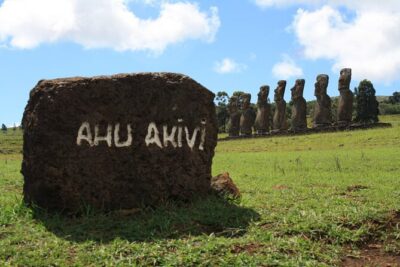
2-Day Private Tour Easter Island Highlights Complete Discovery
Read our review →
Private Tour: Full Day Easter Island Highlights
Read our review →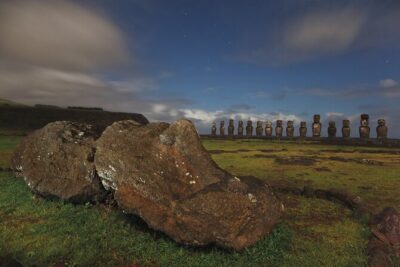
Browse the lists this tour appears in