
Reviewed · EASTER ISLAND TOURS
From Hanga Roa: Journey from Orongo to Ana Te Pahu
Rapa Nui keeps its best stories in stone. This seven-hour outing links Orongo and Rano Kau with Vinapu, Ahu Akivi, Ana Te Pahu, and Puna Pau, giving you a broad look at the island’s ceremonial sites, moai traditions, and volcanic setting. I like the sweeping crater views at Rano Kau, and I like that Ana Te Pahu adds a hands-on sense of how islanders used volcanic caves for shelter and storage.
The main consideration is pace. Six major stops in one day means some walking and a fair amount of time in transport, while the guide may need to keep the group moving. A recent note about the guide speaking mainly to people at the front also makes it wise to stay close enough to hear every explanation.
In This Review
- Five details worth knowing first
- Why this route works for a first day on Rapa Nui
- Rano Kau gives you the right first view
- Orongo and the Bird Man story
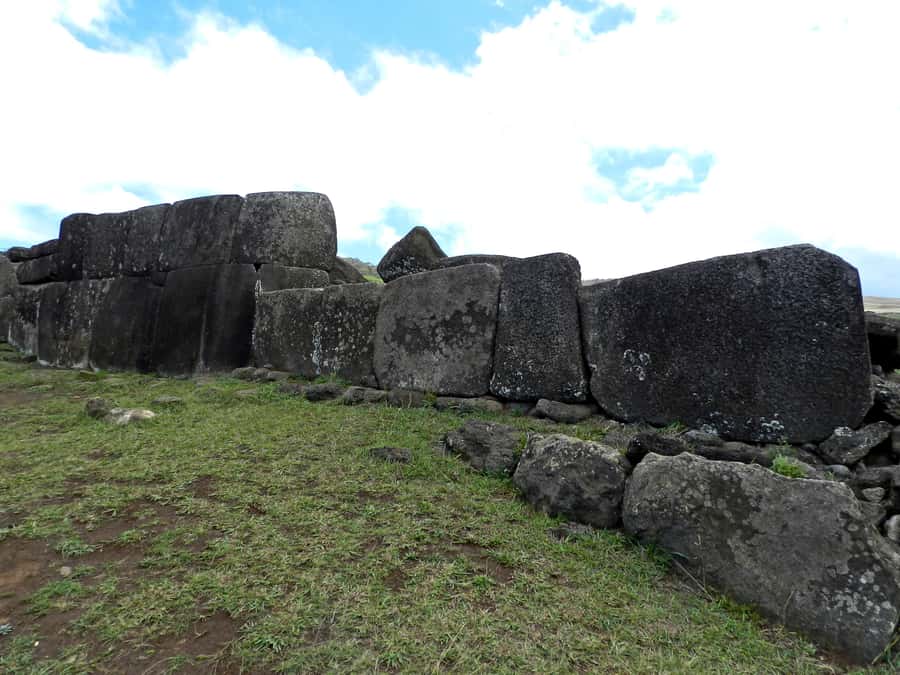
- Vinapu shows careful stonework
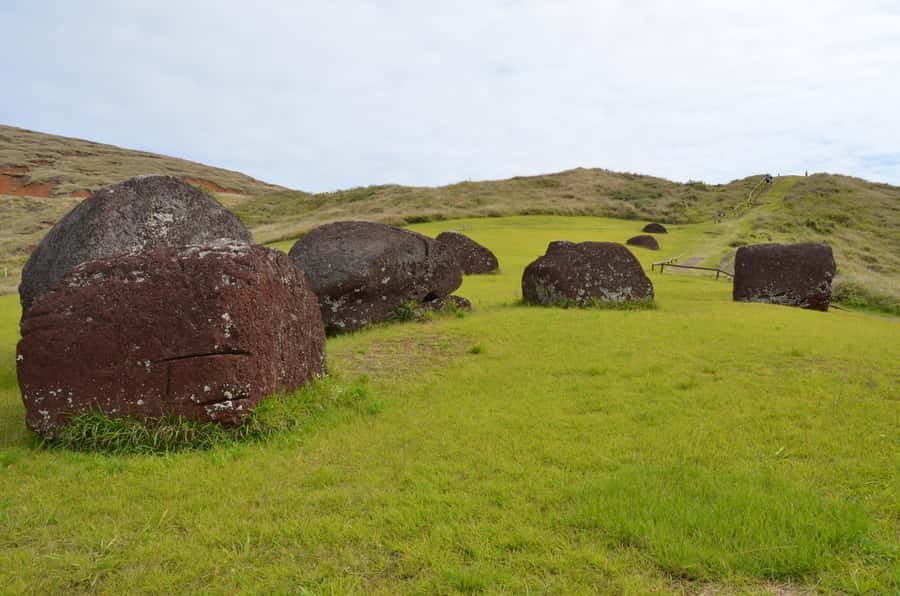
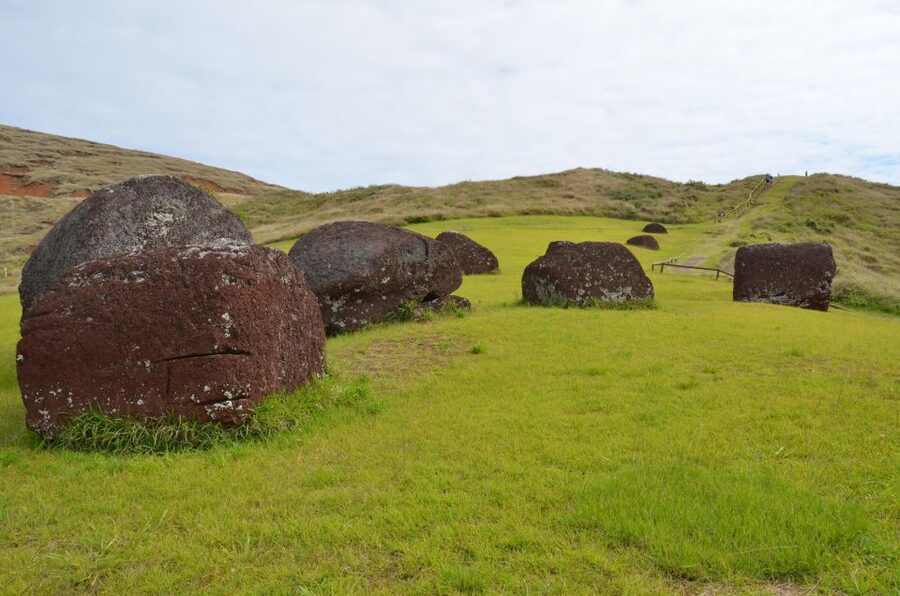
- Puna Pau explains the moai’s red topknots
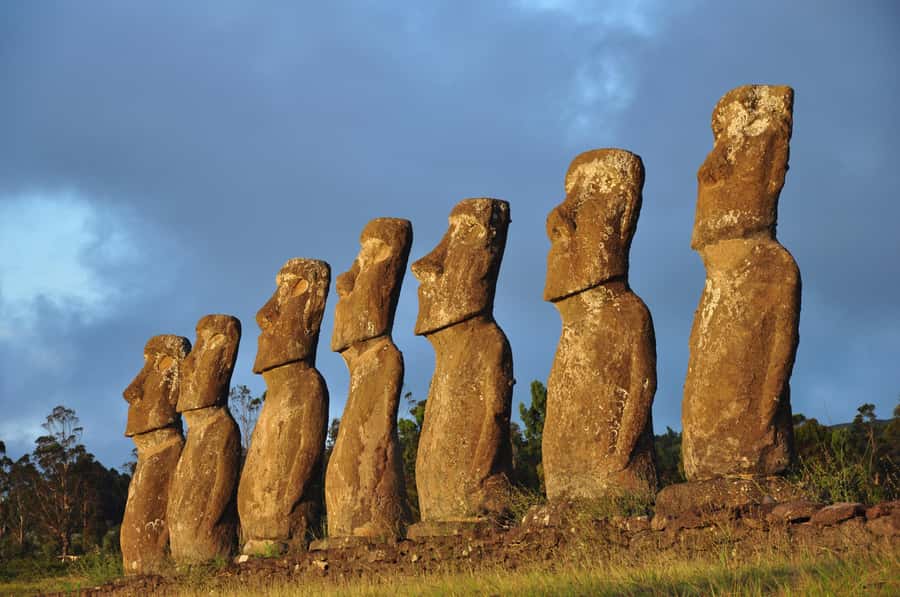
- Ahu Akivi and the seven explorers
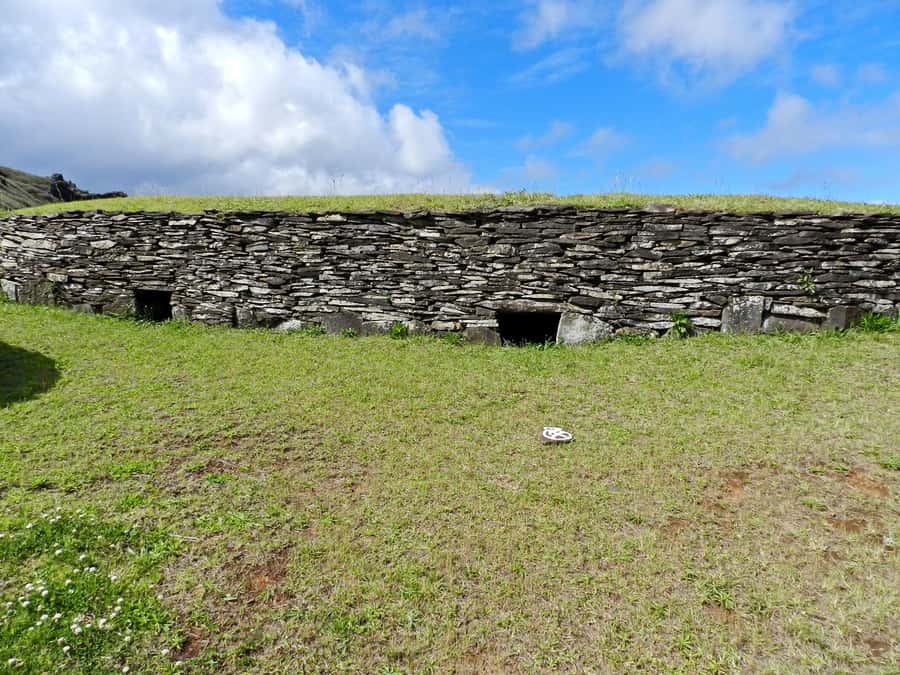
- Ana Te Pahu brings you underground
- How the seven-hour day feels in practice
- What the guide adds to the stones
- What is included, and what costs extra
- Who should book this Rapa Nui tour?
- Should you book it?
- FAQ
- How long does the tour last?
- Where does the tour begin?
- Which sites are included?
- Is the National Park Ticket included?
- What languages are available?
- Is hotel pickup included?
- What should I bring?
- Are drones allowed?
- Does the tour operate in bad weather?
- How much walking is involved?
- Is internet available in the park?
- Can I cancel the tour?
Five details worth knowing first
- Rano Kau and Orongo share the strongest opening: You see the huge volcanic crater first, then learn how the cliff-top village connects to the Bird Man tradition.
- Ana Te Pahu changes the mood: The cave visit brings you into cool, dark volcanic space after several open-air archaeological sites.
- Seven moai give Ahu Akivi a clear story: The statues are linked with the island’s seven explorers, making this stop easy to understand and remember.
- Puna Pau explains the red crowns: You see where many moai topknots were made and why those red scoria pieces matter.
- The $70 price covers a full day of sites: Hotel pickup, return transport, and an English- or Spanish-speaking guide are included, but the National Park Ticket costs extra.
Why this route works for a first day on Rapa Nui
Rapa Nui can feel difficult to read without context. Moai appear in several parts of the island, but the meaning of a platform, quarry, village, or cave is not always obvious at first glance. This route helps by joining different types of places in one day.
You begin with a volcano and ceremonial village, then move to stone platforms, a moai crown quarry, a group of seven statues, and a cave system. That variety matters. You are not looking at six versions of the same monument, and the changes in setting help you understand how the island’s people used both built sites and natural spaces.
The tour lasts about seven hours and starts with pickup in Hanga Roa. The first drive takes about 15 minutes, and the company contacts you roughly 10 minutes before the driver arrives. Hotel pickup and drop-off remove the need to arrange transport between scattered sites, which is useful on an island where internet service is not available in the park.
The price is $70 per person, before the required National Park Ticket. I see that as a reasonable rate for a full day of transport and guiding across six important locations, especially if you are staying in Hanga Roa and do not have your own way to reach the sites. The value is less clear if you want a slow, private visit at each stop, since the schedule covers a lot of ground.
More Rapa Nui trips and moai walks:
- From Hanga Roa: Rapa Nui Culture Sightseeing Tour
★ 4.6 · 307 reviews - From Hanga Roa: Easter Island Highlights 2-Day Tour
★ 4.3 · 205 reviews - Full Day Tour in Rapa Nui
★ 4.5 · 122 reviews
Rano Kau gives you the right first view
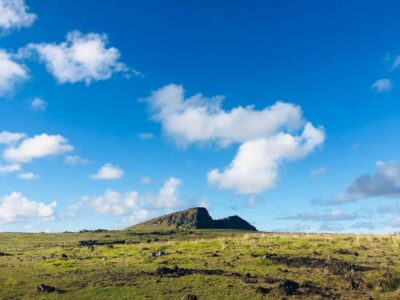
The first major stop is Rano Kau, with about 45 minutes for a guided visit. The volcano offers a broad view across its crater and out toward the Pacific Ocean. It is a strong introduction because you immediately see the scale of Rapa Nui rather than only its carved stone.
I would pay attention here to the shape of the crater and the way the site sits above the coast. The setting explains why this is more than a scenic viewpoint. Rano Kau is tied to Orongo, the ceremonial village next on the route, so the first stop prepares you for the beliefs and rituals that shaped the area.
Forty-five minutes should give you time to take in the view and hear the main explanation without turning the stop into a long walk. Bring your own water, since the park has no internet and the supplied information does not indicate that drinks are provided.
Orongo and the Bird Man story
Orongo receives about one hour, making it the longest outdoor visit before Ana Te Pahu. The village sits on the rim of Rano Kau, where the open Pacific views add drama to the stone structures and ceremonial setting.
This is where the Bird Man legend becomes central. Your guide explains the site’s cultural role and the stories connected to the competition, giving the carved and built remains a human meaning instead of leaving you with a row of old stones.
Orongo is also a place where you will want to listen carefully. The site’s importance comes from the connection between geography, ceremony, and belief, and a short explanation can make the visit far more memorable. Ata and Javiera are two guide names associated with this experience. Ata was praised for making the trip interesting and informative, while Javiera was noted for answering questions with strong preparation.
Keep near the guide. One piece of feedback pointed out that explanations were harder to hear for people walking at the back. This is a useful practical point at any large open site, especially when wind or distance can carry voices away.
Vinapu shows careful stonework
Ahu Vinapu follows Orongo, with roughly 45 minutes for a guided visit. Here, the focus shifts from ceremonial setting to construction. The large stone structures show how carefully the island’s builders selected and placed heavy blocks.
I like this stop because it gives you something concrete to examine. Look closely at the joints and the way the stones meet. The guide can help you notice details that are easy to miss when you are simply looking at the overall size of the platform.
Vinapu also adds balance to the day. Orongo tells you about ritual and legend, while Vinapu points toward engineering, labor, and design. You should not expect a long independent exploration, though. The forty-five-minute slot is enough for an explanation and a close look, but not endless wandering.
Still Chile, but an entirely different landscape:
- 2-Day Private Tour Easter Island Highlights Complete Discovery
★ 5.0 · 110 reviews - Private Full-Day Easter Island Highlights North and West
★ 5.0 · 84 reviews - Journey of the Ancestors: Tongariki, Rano Raraku & Anakena Beach
★ 4.5 · 70 reviews - Full Day Private Tour: Factory of the Moai the stone giants
★ 4.5 · 63 reviews
Puna Pau explains the moai’s red topknots
At Puna Pau, you visit the quarry where the red scoria topknots were made. The site helps answer a question that often comes up when you see moai: where did those distinctive red crowns come from, and how were they shaped?
The topknots are not minor decorations. They changed the appearance of the statues and carried their own importance. At the quarry, your guide explains the material and the process behind these crowning pieces, giving you a better sense of the work involved before the topknots reached their moai.
The stop lasts about 45 minutes. That is a sensible amount of time for a quarry visit, since the main value comes from understanding the site rather than covering a large walking route. If you are taking photographs, this is a good place to focus on the color and texture of the red scoria against the darker volcanic stone.
Ahu Akivi and the seven explorers
Ahu Akivi is another forty-five-minute stop, but it has a different visual rhythm. The platform holds seven moai, linked with the island’s seven explorers. That story gives the statues a clear human connection and makes this one of the easier sites to remember after a busy day.
I find groupings like this useful because they show how meaning can be attached to a set of statues, not just to one carved figure. Your guide can connect the seven moai with the island’s settlement story and explain why this platform is treated as a special site.
The visit is relatively short, so listen to the explanation before moving around for photographs. If you are walking behind the group, again, stay close. The tour company offers guiding in English and Spanish, but hearing the guide depends on your position as well as the language you choose.
Ana Te Pahu brings you underground
The final major stop is Ana Te Pahu, with about one hour for a guided visit. This cave system was used as shelter and storage, and the volcanic walls create a sharp contrast with the bright, open views earlier in the day.
You can expect cooler air and a more enclosed setting. The cave shows how islanders made use of natural formations in practical ways, rather than relying only on monumental stone platforms. It also gives the day a welcome change of pace.
Comfortable shoes matter most here. The tour information warns that some sites involve about an hour of walking, and the cave is the stop where sure footing and clothing you can move in will be especially helpful. I would not treat this as a polished visitor center experience. The appeal is the natural volcanic space and the explanation of how it was used.
Ana Te Pahu is also a good reason to bring a reusable water bottle. There is no internet in the park, and you should plan to carry the basics you need instead of assuming you can buy or download something at each stop.
How the seven-hour day feels in practice
The schedule is full but logical. You start with Rano Kau and Orongo, then visit Vinapu, Puna Pau, Ahu Akivi, and Ana Te Pahu before returning to Hanga Roa. Each guided stop lasts between 45 minutes and one hour, with the initial drive taking about 15 minutes.
That structure suits you if you want a clear overview in one day. You will see major ceremonial areas, stone platforms, a topknot quarry, seven moai, and a cave system without having to organize separate rides.
The tradeoff is limited flexibility. A guide-led group must move on to the next site, so you may not get extra time at the place that interests you most. The day also includes walking at several locations, and the tour operates rain or shine. Comfortable clothes, strong walking shoes, water, and some cash are sensible choices.
The company provides hotel pickup and drop-off, but the exact starting time depends on availability. You should watch for the driver’s contact before pickup and be ready around the stated time, since the company contacts you shortly before arrival.
What the guide adds to the stones
A guide is especially useful on Rapa Nui because many of the most important details are cultural rather than visual. You can see the crater, statues, platforms, and caves on your own, but the Bird Man tradition, the seven explorers, and the red topknots need explanation.
The strongest feedback points to guides who make the information easy to follow and answer questions well. Ata was described as informative and interesting, and Javiera was praised for responding to questions with a high level of preparation. Those are valuable qualities on a day with six separate sites.
Still, group positioning matters. Stay within hearing distance, and speak up if you miss a point. The walking pace may not suit everyone, and one account noted that people farther back could not hear every explanation. This is not a reason to reject the tour, but it is a reason to be proactive.
What is included, and what costs extra
The $70 fee includes transport from Hanga Roa, return hotel drop-off, and a tour leader. It does not include the National Park Ticket, which you must buy before the tour begins.
That extra ticket is important to arrange in advance. Without it, the low advertised price does not represent your full cost. Even so, the package can be good value if you want one organized day covering widely separated sites and prefer not to handle the transport yourself.
The reserve-now-and-pay-later option also gives you some flexibility when planning. You can cancel up to 24 hours before the activity for a full refund, according to the stated conditions. These policies are useful, but the main value question remains simple: do you want a broad guided introduction, or do you want more control over the timing?
Who should book this Rapa Nui tour?
I would recommend it to a first-time visitor who wants to see several major sites in one day. It is particularly suitable if you are staying in Hanga Roa, do not have independent transport, and want explanations in English or Spanish.
It also suits people who enjoy a mix of history, archaeology, views, and natural spaces. Orongo and Rano Kau offer the strongest scenery, Vinapu and Puna Pau reward attention to stonework, Ahu Akivi adds a memorable group of seven moai, and Ana Te Pahu brings the volcanic setting indoors.
You may want another plan if you need a very relaxed pace, dislike group schedules, or have trouble walking for extended periods. The tour takes place in all weather, includes several walking stops, and covers a lot of ground in seven hours.
Drones are not allowed. Bring your passport or ID card, comfortable shoes, comfortable clothes, cash, and a reusable water bottle. Also remember that the park has no internet, so do not count on a connection for directions, messages, or online information during the day.
Should you book it?
Book this tour if you want a well-priced introduction to Rapa Nui’s main stories and settings, with transport and guiding handled for you. The best parts are the sequence from Rano Kau to Orongo, the clear focus on the Bird Man legend, and the contrast between the open ceremonial sites and Ana Te Pahu’s volcanic caves.
Think twice if your priority is slow photography time or a private pace. The route is busy, and you should stay close to the guide so you do not miss the explanations. With the National Park Ticket added to the $70 fee, it is not the cheapest possible day, but it offers a practical amount of coverage for a single outing.
FAQ
How long does the tour last?
The tour lasts seven hours, including pickup in Hanga Roa, visits to six sites, and return to Hanga Roa.
Where does the tour begin?
Pickup is provided in Hanga Roa. The company contacts you about 10 minutes before the driver arrives.
Which sites are included?
The route includes Rano Kau, Orongo, Ahu Vinapu, Puna Pau, Ahu Akivi, and Ana Te Pahu.
Is the National Park Ticket included?
No. You must buy the National Park Ticket before the tour begins.
What languages are available?
The live guide service is available in English and Spanish.
Is hotel pickup included?
Yes. Hotel pickup and drop-off in Hanga Roa are included.
What should I bring?
Bring a passport or ID card, comfortable shoes, comfortable clothes, cash, and a reusable water bottle.
Are drones allowed?
No. Drones are not allowed on this tour.
Does the tour operate in bad weather?
Yes. The tour takes place rain or shine.
How much walking is involved?
Some sites require about one hour of walking. Comfortable shoes are recommended.
Is internet available in the park?
No. There is no internet in the park.
Can I cancel the tour?
You can cancel up to 24 hours in advance for a full refund under the stated cancellation terms.
Just added around Hanga Roa
- Volcanic Refuges: Excursion to Underground Civilization★ 4.7 · 8 reviews
- Easter Island Ancestral Dinner and Show with Transport★ 4.5 · 2 reviews
- Volcanic Wonders and the Kingdom of the Birdman: Half Day★ 5.0 · 6 reviews
- Half Day Private Tour: Caves and Volcanic Refuges★ 4.0 · 14 reviews
- Tour to the Motus: Boat trip and snorkeling in Rapa Nui★ 5.0 · 8 reviews
- Birdman Ceremonial Route: Orongo, Ranu Kau Half-Day Tour★ 4.5 · 16 reviews
- Visit Rapa Nui in 4 days with 3 Tours and Accommodation included★ 4.0 · 2 reviews
- Sunrise in Tongariki on Easter Island Rapa Nui★ 3.5 · 5 reviews
Easter Island Tours, compared.
Two days of Full Day Tour of Rapa Nui + Sunrise in Tongariki
Read our review →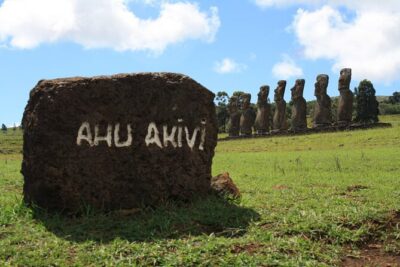
2-Day Private Tour Easter Island Highlights Complete Discovery
Read our review →
Private Tour: Full Day Easter Island Highlights
Read our review →
Browse the lists this tour appears in