
Reviewed · EASTER ISLAND TOURS
Two days of Full Day Tour of Rapa Nui + Sunrise in Tongariki
Moai, caves, and a Pacific sunrise fill three memorable days. This Rapa Nui tour brings together the island’s major archaeological sites, from the moai quarry at Rano Raraku to the 15 statues at Ahu Tongariki. I especially like the local guides, whose explanations add cultural context, and the way the package covers nearly all the major sights without making you arrange separate excursions. The clean vehicles, clear WhatsApp updates, and generally punctual pickups also make a remote island easier to explore.
The main tradeoff is pace. A group of up to 16 people must keep moving, and some stops can feel short when you want more time for photos or quiet reflection. Anakena Beach, in particular, is treated mainly as a cultural stop rather than a long swimming break. The tour costs $250 per person, before the national park fee and meals, so it offers strong value for a first visit but may not suit someone who prefers a private, unhurried day.
In This Review
- Key points to know before booking
- What the $250 price really covers
- Day 1: From the magnetic stone to Anakena Beach
- Ahu Te Pito Kura and the island’s unusual stone
- Rano Raraku, the moai factory
- Ahu Tongariki and the 15 moai
- Ahu Vaihu and Ahu Akahanga
- Ahu Nau Nau and Anakena Beach
- Day 2: Orongo, Ahu Akivi, caves, and Vinapu
- Orongo on Rano Kau
- Ahu Akivi and the seven explorers
- Ana Te Pahu and its connected caverns
- Ahu Vinapu
- Day 3: Tongariki before sunrise
- Guides, vehicles, and group size
- Walking, weather, food, and what to pack
- Who should book this Rapa Nui tour?
- Should you book it?
- FAQ
- How long does the experience last?
- What time does the tour start?
- Where does the tour begin and end?
- Is the national park ticket included?
- How much is the national park admission?
- Is food included?
- How many people can join the group?
- Is the tour physically demanding?
- Does the tour include swimming time at Anakena Beach?
- Can I cancel for a full refund?
Key points to know before booking
- Rano Raraku is the star of Day 1: You see the quarry where about 400 unfinished moai remain in the volcanic slopes.
- Tongariki appears twice for good reason: You visit the island’s largest ahu during the main tour, then return before dawn to see the statues silhouetted against the rising sun.
- Guides bring the island to life: Esteban, Nero, Alejandro, Ata, Bruno, Chris, Bastien, David, Joaquin, and Andres have all been praised for clear explanations, strong English, and passion for Rapa Nui culture.
- The group can reach 16 people: That keeps the price lower, but it also means less freedom to linger at each site.
- Pack food and layers: Meals are not included, food stops accept cash only, and Rapa Nui weather can shift quickly.
- The second full day is lighter: Orongo, Ahu Akivi, Ana Te Pahu, and Ahu Vinapu are worthwhile, but the schedule may feel less substantial than Day 1.
What the $250 price really covers
At $250 per person, this is not a cheap sightseeing ride. The cost covers roughly two full days of guided touring plus a third early morning visit to Tongariki. You also get transport between widely scattered sites, drivers, guide service, and coordination by WhatsApp.
That matters on Rapa Nui. The archaeological sites are spread across the island, and seeing them efficiently takes planning. You are not simply paying for a vehicle. You are paying for a route that connects the main ceremonial platforms, the quarry, the caves, the volcanic crater, and Anakena Beach in a sensible order.
Still, budget for two extra costs. The Rapa Nui National Park admission is not included. The listed fee is CLP 20,000 per Chilean visitor or $80 per foreign visitor. You must have the ticket before the first day, and it can be purchased at the Ma’u Henua offices or online through the national park ticket site.
Food is also separate. You can buy something at Anakena and Rano Raraku, but those points accept cash only. I would carry snacks, plenty of water, and enough cash for the day. One past participant also singled out an excellent empanada stop, but that is not a promised part of the itinerary.
The tour is recommended by 95 percent of customers and carries a 4.7 rating from 132 reviews. Those numbers point to a reliable operation, though they should not hide the group-tour limits.
More Rapa Nui trips and moai walks:
- From Hanga Roa: Rapa Nui Culture Sightseeing Tour
★ 4.6 · 307 reviews - From Hanga Roa: Easter Island Highlights 2-Day Tour
★ 4.3 · 205 reviews - From Hanga Roa: Easter Island Sightseeing Full Day Tour
★ 4.5 · 189 reviews
Day 1: From the magnetic stone to Anakena Beach
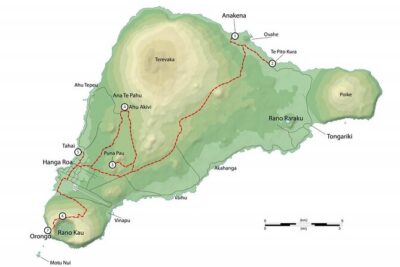
The first day is the big one. It strings together the highest concentration of moai sites, with stops at Ahu Te Pito Kura, Rano Raraku, Tongariki, Vaihu, Akahanga, Ahu Nau Nau, and Anakena.
The advertised start is 9:30 a.m. Exact timing can vary, and one person reported a later pickup on their particular day. The operator sends full information by WhatsApp the day before, so check that message carefully for the pickup details.
Ahu Te Pito Kura and the island’s unusual stone
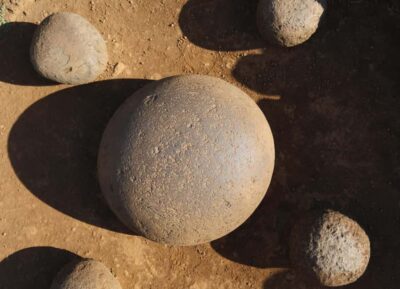
The opening stop, Ahu Te Pito Kura, lasts about 30 minutes. This is where you see the magnetic stone, a rounded stone linked with local tradition, and Paro, described as the longest moai ever transported toward an ahu.
Thirty minutes is enough for an introduction and photographs, but not for a long visit. Think of it as a quick first look that prepares you for the larger sites ahead.
Rano Raraku, the moai factory
Rano Raraku is the day’s essential stop. You have about two hours to explore the crater and the slopes where roughly 400 unfinished moai remain. This is where the scale of moai production becomes clear. Instead of seeing only finished statues on ceremonial platforms, you see figures still attached to the volcanic rock or left partway through the carving process.
I would save energy for this stop. The ground can be uneven, and the site demands walking. The weather also matters. One visitor reached Rano Raraku during a major thunderstorm and found the experience disappointing, while another group had wet conditions but still enjoyed the visit because the guide kept the day engaging.
The tour cannot control Rapa Nui weather, which changes quickly. Bring a rain layer, sun protection, and shoes suited to rough ground. The quarry is too important to treat as a quick photo stop.
A few more Easter Island trips worth comparing side by side
- Two days of Full Day Tour of Rapa Nui + Sunrise in Tongariki
★ 4.8 · 55 reviews - Sunrise Tongariki: Sunrise at Tongariki Park Private Tour
★ 4.5 · 47 reviews - Sunrise Tongariki
★ 4.5 · 42 reviews - Private Sunrise Tour at 15 Moai Tongariki Park
★ 4.5 · 22 reviews
Ahu Tongariki and the 15 moai
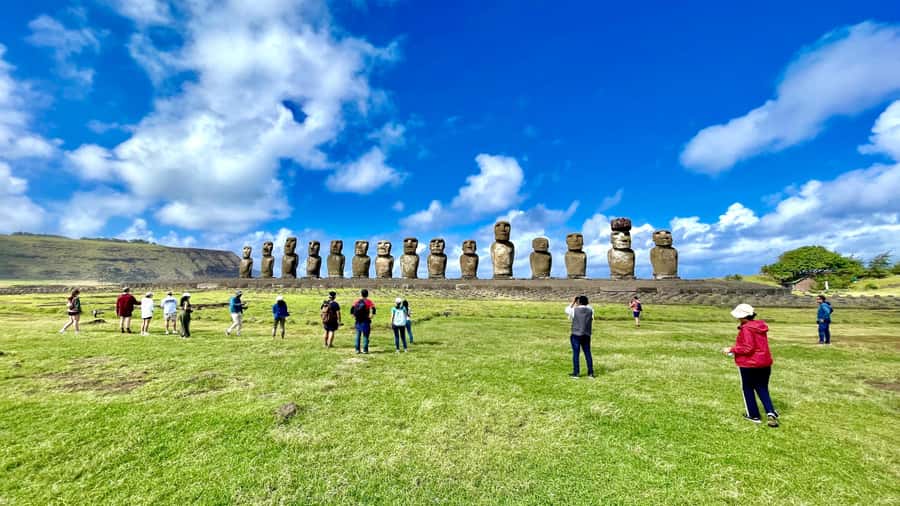
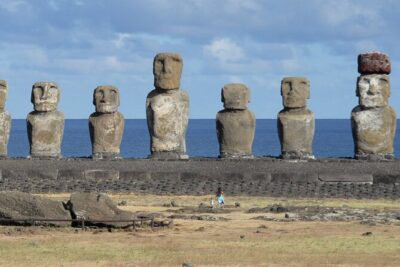
Ahu Tongariki is the largest ahu in Polynesia, with 15 moai arranged with their backs to the sea. The platform is one of the defining sights of Rapa Nui, and the one-hour stop gives you time to appreciate both the scale of the platform and the setting on the south coast.
You return here on Day 3 for sunrise, so this first visit is useful. Your guide can explain what you are seeing, while the dawn visit lets you experience the same place in a quieter, more atmospheric way.
Ahu Vaihu and Ahu Akahanga
Ahu Vaihu takes about 40 minutes. Its platform once held eight moai, and the site sits beside an ancestral fishermen’s bay. You can also see the representative example called Poko Manu Mea, connected with Rapa Nui villages and customs.
Next comes Ahu Akahanga, a 30-minute stop near a small bay and the remains of an old village. These locations are less famous than Tongariki, but they help you understand that Rapa Nui was not simply a collection of isolated statues. The ahu were part of communities, shorelines, rituals, and daily life.
The guide’s role is important here. Several guides have been praised for challenging old myths and explaining the island through Rapa Nui perspectives rather than only repeating old Western interpretations. Esteban is often noted for clear English and historical context. Nero has been praised for sharing family connections to the island’s past. If you get Ata or Alejandro, expect especially detailed explanations.
Ahu Nau Nau and Anakena Beach
Ahu Nau Nau sits about 150 meters inland from Hanga Rau O te Ariki, better known as Anakena Beach. The platform includes seven moai and makes a strong bridge between archaeology and the island’s coastal setting.
The final stop is Anakena, whose traditional name is Hanga Rau o Te Ariki. The beach is tied to the arrival story of King Hotu Matua, an important part of Rapa Nui tradition. You get about 30 minutes here.
Do not book this tour expecting a long beach afternoon. The stop is primarily cultural. Swimming time may be possible if conditions and the schedule allow, but it is not guaranteed. Several people wanted more time at the beach, so keep your expectations realistic.
Day 2: Orongo, Ahu Akivi, caves, and Vinapu
The second day has a different character. It moves away from the large cluster of coastal moai and focuses on the volcanic crater of Rano Kau, the seven moai of Ahu Akivi, Ana Te Pahu’s caves, and Ahu Vinapu.
Some schedules run roughly from 10 a.m. to 4 p.m., while one account described the second day as closer to 10 a.m. to 2 p.m. The timing appears to vary, so confirm the plan by WhatsApp. This day may feel shorter and less dramatic than Day 1, but it covers sites you would not want to miss.
Orongo on Rano Kau
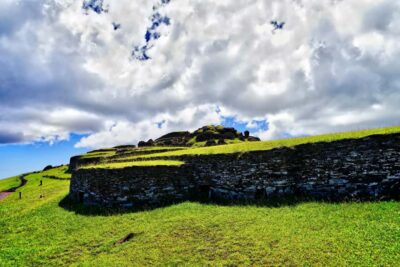
Orongo is a ceremonial village on the rim of Rano Kau. The stop lasts about an hour and gives you a different view of Rapa Nui culture, connected to ceremony and the volcanic setting rather than only the moai tradition.
The site is also valuable because it broadens the story of the island. A good guide can explain the shift in religious and social practices and connect Orongo with the Birdman culture. Guides such as Esteban and Nero have been praised for making these changes understandable without reducing them to a simple legend.
Ahu Akivi and the seven explorers
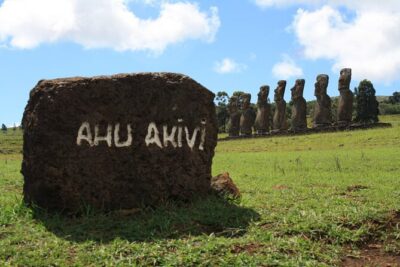
Ahu Akivi is unusual because its seven moai face toward the sea. They represent the seven explorers in Rapa Nui tradition. The stop lasts about 30 minutes.
This is a compact visit, but the arrangement is striking. The seven figures differ from the more familiar inland-facing or sea-backed platforms, and the guide’s explanation gives the site its meaning.
Ana Te Pahu and its connected caverns
Ana Te Pahu is listed as a four-hour stop, making it the longest part of Day 2. It includes several caverns:
- Ana Vai Teka, known for large amounts of water
- Ana Tapa Iri, with a very narrow entrance
- Ana Ohoka, a modified cave associated with funerary use
- Ana Te Pahu, the largest cavern, known as the cave of the bananas and once used as a refuge
This is the most physically demanding section. The tour requires a moderate fitness level, and the ground includes uneven surfaces and steps. Narrow access at Ana Tapa Iri may not feel comfortable for everyone.
The four-hour allocation also explains why the day can feel uneven. You may spend a great deal of time walking, listening, and moving through the cave area, then have shorter visits at the other stops. Some people will appreciate the extra time and detail. Others may prefer fewer explanations and more open time at the sites.
Ahu Vinapu
The final stop is Ahu Vinapu, where two ancestral platforms show construction details that attract attention because of their particular style. You get about 30 minutes.
Vinapu is a good place to listen closely to the guide. The stonework invites comparisons and questions, but the cultural explanations matter more than quick visual comparisons. Several guides on this tour are praised for correcting oversimplified claims and placing the site within Rapa Nui traditions.
Day 3: Tongariki before sunrise
The final outing starts in darkness. You return to Ahu Tongariki for about three hours and watch the first sunlight spread across the platform and the 15 moai.
This is the tour’s most atmospheric moment. The statues face inland, while the sun rises over the sea behind them. Weather controls how dramatic the view becomes, but even a cloudy morning can make the platform feel powerful.
The guide service here may be lighter than on the full touring days. That is not necessarily a problem. You have already visited Tongariki, so the sunrise outing is mainly about getting to the site at the right hour and finding a good viewing position.
One practical point: some people wanted to linger after the sun cleared the horizon, while the group was taken back soon afterward. If you want a long, quiet morning at Tongariki, a private arrangement may suit you better. The shared tour keeps everyone on a set schedule.
Bring warm layers, a hat, water, and possibly an umbrella. Rapa Nui mornings can be cool, wet, or windy, and conditions can change quickly.
Guides, vehicles, and group size
The guides are the strongest part of this experience. Esteban is frequently praised for his clear English, enthusiasm, and ability to explain moai history in a way that is easy to follow. Nero brings family connections and a personal link to Rapa Nui culture. Alejandro and Ata have also earned especially strong praise for answering questions in detail.
Other named guides include Bruno, Chris, Bastien, David, Joaquin, and Andres. The guide changes from day to day, so you should not expect the same person throughout the package. That can be a plus because each guide may offer a different angle, though it can also mean repeated explanations when new group members join on the next day.
The vehicles are described as clean, comfortable, and roadworthy. The group limit is 16, which is small enough to remain manageable but large enough to affect the experience. People at the back of the vehicle may have trouble hearing at times, especially when the guide speaks while driving.
The operator’s communication gets high marks. You receive the next day’s information on WhatsApp, and the company has shown flexibility with questions and date changes. That kind of contact is useful on an island where weather and operating times can affect the day.
Walking, weather, food, and what to pack
You need moderate physical fitness. Rano Raraku involves uneven ground, and Ana Te Pahu includes caves, narrow access, walking, and steps. This is not a sit-back-and-watch-the-island excursion.
I would pack:
- Plenty of water
- Snacks or a packed lunch
- Cash for food at Anakena and Rano Raraku
- A light rain layer
- Sun protection
- Warm clothing for the sunrise
- Shoes suitable for uneven ground
- A small backpack for extra layers
The van can hold your spare clothing and gear, which is useful when the day moves from warm sun to rain. Keep your camera ready, but remember that the group schedule may not allow endless attempts at a crowd-free photograph.
Who should book this Rapa Nui tour?
I would choose this package if you have limited time on Easter Island and want the major sites organized for you. It is especially useful as an introduction because you see the quarry, ceremonial platforms, caves, crater, beach, and sunrise setting in one plan.
It suits you best if you enjoy guided cultural explanation and can keep to a group timetable. It also works well if you want to avoid figuring out which places require park access and how to connect the sites by transport.
I would look for a private tour instead if you want long photo sessions, a relaxed beach stop, silence at the moai, or control over the order of the sites. The shared option is efficient, but efficiency is exactly what creates the rushed feeling at some stops.
Should you book it?
Yes, if your priority is seeing almost all of Rapa Nui’s main sights in a short visit. The strongest reasons are the excellent local guides, dependable communication, comfortable vehicles, and the rare chance to combine the full island route with a Tongariki sunrise.
Book with a clear plan for the extra park fee, cash-only food stops, changing weather, and a moderate amount of walking. If you can accept the group pace, $250 is a fair price for the amount of ground covered. If you want to linger, swim, or photograph every moai without other people nearby, spend more for a private tour.
FAQ
How long does the experience last?
The experience lasts approximately three days. It includes two full touring days and a sunrise visit to Ahu Tongariki on the third day.
What time does the tour start?
The listed start time is 9:30 a.m. Pickup timing can vary by day, so check the WhatsApp information sent before the excursion.
Where does the tour begin and end?
It begins at Ara Roa Rakei in Hanga Roa, Easter Island, and ends back at the same meeting point.
Is the national park ticket included?
No. You must purchase the Rapa Nui National Park ticket before the first excursion day.
How much is the national park admission?
The listed fee is CLP 20,000 per Chilean visitor or $80 per foreign visitor.
Is food included?
No. Food is not included. You can buy food at Anakena and Rano Raraku, but those locations accept cash only.
How many people can join the group?
The maximum group size is 16 people.
Is the tour physically demanding?
You should have a moderate fitness level. The route includes uneven ground, steps, cave access, and walking at archaeological sites.
Does the tour include swimming time at Anakena Beach?
The Anakena stop is mainly cultural and lasts about 30 minutes. Swimming may be possible when weather and the schedule allow, but it is not guaranteed.
Can I cancel for a full refund?
You can receive a full refund if you cancel at least three full days before the experience start time. Changes or cancellations made less than three full days beforehand are not accepted for a refund.
More 2-Day Experiences in Easter Island
- 2-Day Private Tour Easter Island Highlights Complete Discovery
★ 5.0 · 110 reviews - 2 Days Highlights Tour in Easter Island Moai and Nature
★ 4.0 · 55 reviews - 2 Day Private Tour: Easter Island’s Cultural Heritage
★ 5.0 · 40 reviews - 2 Day Small Group Tour in Moai Monuments and Historic Pathways
★ 5.0 · 22 reviews
Just added around Easter Island
- Volcanic Refuges: Excursion to Underground Civilization★ 4.7 · 8 reviews
- Easter Island Ancestral Dinner and Show with Transport★ 4.5 · 2 reviews
- Volcanic Wonders and the Kingdom of the Birdman: Half Day★ 5.0 · 6 reviews
- Half Day Private Tour: Caves and Volcanic Refuges★ 4.0 · 14 reviews
- Tour to the Motus: Boat trip and snorkeling in Rapa Nui★ 5.0 · 8 reviews
- Birdman Ceremonial Route: Orongo, Ranu Kau Half-Day Tour★ 4.5 · 16 reviews
- Visit Rapa Nui in 4 days with 3 Tours and Accommodation included★ 4.0 · 2 reviews
- Private Tour: Tongariki Sunrise Experience★ 4.5 · 20 reviews
Easter Island Tours, compared.
2-Day Private Tour Easter Island Highlights Complete Discovery
Read our review →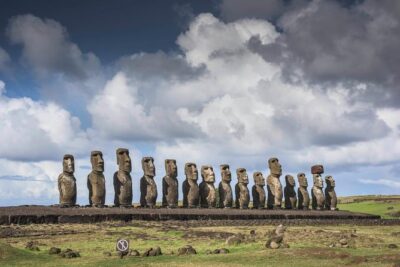
Private Tour: Full Day Easter Island Highlights
Read our review →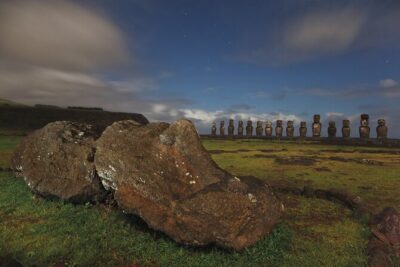
Private Full-Day Easter Island Highlights North and West
Read our review →Browse the lists this tour appears in