
Reviewed · EASTER ISLAND TOURS
Full day tour – DREAM
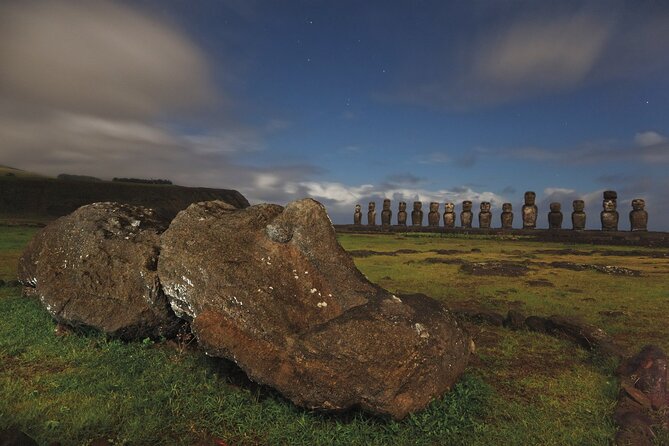
Moai come in every shape and setting. This full-day Rapa Nui tour takes you from fallen statues and an ancient fishing bay to the island’s great moai quarry, its largest ceremonial platform, and Anakena Beach. I especially like the chance to see Rano Raraku and Ahu Tongariki in one day, since these are the two sites most visitors hope to experience on Easter Island.
I also like the cultural explanations that guides such as Esteban, Christian, Joaquin, Andre, and Chris have provided on different departures. Several guides were praised for clear English, good photography, patience with questions, and thoughtful pacing. The main concern is consistency: a small number of departures have been shortened or missed listed stops, so you should confirm the day’s route and timing before setting out.
- Rano Raraku gives you two hours among roughly 400 unfinished moai.
- Ahu Tongariki features 15 upright moai, the largest ahu in Polynesia.
- The route covers seven major stops, including Anakena Beach and Ahu Nau Nau.
- The $120 tour price excludes the National Park ticket, which costs $80 for foreign visitors or CLP20,000 for Chileans.
- Groups can reach 15 people, though some departures operate with fewer.
- The tour often runs in reverse order, which may help reduce crowds at the most popular sites.
In This Review
- Why This Day Works for First-Time Rapa Nui Visitors
- Starting at Hanga Rau o Te Ariki, Anakena Beach
- Ahu Nau Nau and the Moai Near the Sand
- Ahu Te Pito Kura and the Longest Moai
- Ahu Tongariki, Rapa Nui’s Great Stone Row
- Rano Raraku, the Moai Factory
- Ahu Akahanga and the Old Coastal Village
- Ahu Vaihu and the Fishing Bay
- Guides, Group Size, and the Quality of the Day
- Lunch, Swimming, and What to Pack
- Is the $120 Price Good Value?
- Who Should Book This Rapa Nui Tour?
- Should You Book the Full Day DREAM Tour?
- FAQ
- How long does the Full Day DREAM tour last?
- What time and where does the tour begin?
- Is the National Park ticket included?
- Is lunch included?
- How many people can join the tour?
- Can I cancel for a full refund?
Why This Day Works for First-Time Rapa Nui Visitors
You can see Easter Island independently, but a guide adds useful context at every ahu, quarry, and fallen statue. The island’s ceremonial sites are powerful even without explanation, yet the details about village life, fishing customs, ancestral traditions, and modern Rapa Nui culture help you understand what you are seeing.
This tour is built for someone with limited time. In roughly eight to nine hours, you cross much of the island and visit the sites that define Rapa Nui. You will spend long stretches outdoors, walk over uneven ground, and move between several archaeological areas, so a moderate level of fitness is needed.
The advertised price is $120 per person. That is reasonable for a full day with transport and a guide, but it is not the complete cost for an international visitor. Add the $80 National Park ticket, and the outing reaches about $200 per person before lunch and drinks. For Chilean citizens, the park ticket is listed as CLP20,000.
The National Park ticket must be purchased before the first day of your excursion. You can buy it at the Maʻu Henua offices or through the official Rapa Nui National Park ticket website. Do not leave this until the morning of the tour.
Starting at Hanga Rau o Te Ariki, Anakena Beach
The published route begins at Iglesia Católica Tuʻu Koihu in Hanga Roa at 9:30 in the morning and returns there at the end of the day. The provider sends route information by WhatsApp the day before, which is useful on an island where several tour vehicles may gather near the same meeting area.
Some departures have started at Anakena and worked back toward Hanga Roa. That order can be smart because Anakena is far from town and the popular sites later in the day may be less crowded. It also means you should not assume the printed stop order will be the exact order on your departure.
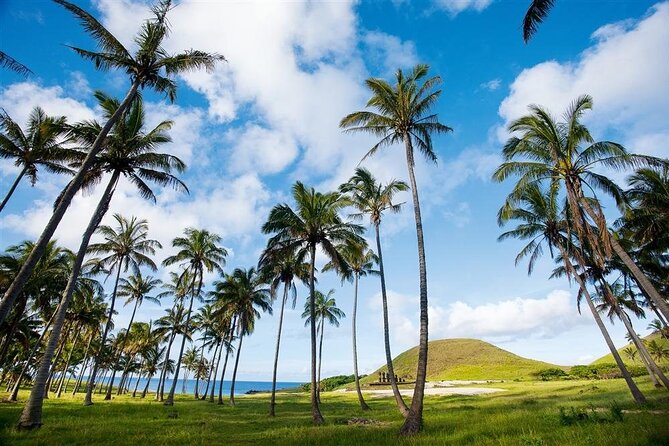
Anakena is more than a convenient place for a swim. Its traditional name is Hanga Rau o Te Ariki, and it is connected with the story of King Hotu Matuʻa’s arrival on Rapa Nui. The beach stop is listed as free, but time there can vary.
This is an archaeological and cultural tour, not a dedicated beach excursion. If swimming matters to you, ask the guide early in the day how much time will be available. One departure placed the beach at the end, while another used it as the first stop and moved quickly onward.
More Rapa Nui trips and moai walks:
- From Hanga Roa: Rapa Nui Culture Sightseeing Tour
★ 4.6 · 307 reviews - From Hanga Roa: Easter Island Highlights 2-Day Tour
★ 4.3 · 205 reviews - From Hanga Roa: Easter Island Sightseeing Full Day Tour
★ 4.5 · 189 reviews
Ahu Nau Nau and the Moai Near the Sand
Ahu Nau Nau sits about 150 meters inland from Anakena Beach. Its seven moai make a fine introduction to the relationship between ceremonial platforms, nearby settlements, and the coast.
The statues here are particularly striking because the setting feels open and connected to the beach. You get time to look at the platform, take photographs, and listen to the guide explain what makes this site different from the larger platforms farther along the route.
The stated stop is 30 minutes. That is enough for an orientation and photographs, though it is not a long archaeological visit. The National Park ticket is listed as not included at this stop, even though the separate park admission is required for the tour as a whole. Treat the ticket as an overall trip cost rather than expecting each stop to handle admission independently.
Ahu Te Pito Kura and the Longest Moai
The next highlight is Ahu Te Pito Kura, where you see the magnetic stone and the longest moai. The stop is scheduled for one hour, giving you more time than at the smaller coastal sites.
The magnetic stone is one of the unusual features on this route, and it adds variety to a day otherwise focused on platforms and statues. The longest moai also helps you see how ambitious the island’s statue builders became, even though this figure was never raised.
This stop matters because it broadens the story beyond the familiar upright moai. You are not simply moving from one photo stop to another. You are seeing evidence of unfinished plans, changing methods, and the scale of work involved in creating these monuments.
One warning is worth noting. A few people on one poorly received departure said this stop was skipped, along with another archaeological site not listed in the main schedule. That does not appear to be the normal plan, but I would still ask the guide to confirm all seven scheduled stops at the beginning.
Ahu Tongariki, Rapa Nui’s Great Stone Row
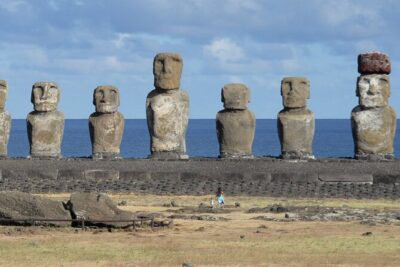
Ahu Tongariki receives two hours, and that generous allocation is justified. This is the largest ahu in Polynesia, with 15 moai standing in a long line and facing inland with their backs to the ocean.
The scale is difficult to grasp from a quick photograph. Give yourself time to walk back, look along the full platform, and notice how each figure differs in size and condition. The setting also helps you understand the connection between the ceremonial platform and the sea beyond it.
This is one of the places where a good guide earns the tour price. The statues can seem silent and mysterious, but clear explanations connect the ahu to Rapa Nui customs and the island’s changing past. Guides have also been praised for allowing plenty of time for photos rather than rushing the group away.
Two hours does not mean two hours of nonstop walking. It gives you room to listen, explore at a comfortable pace, and wait for a clear photograph. If you have only one day for the major moai sites, Tongariki deserves this much time.
A few more Easter Island trips worth comparing side by side
- Two days of Full Day Tour of Rapa Nui + Sunrise in Tongariki
★ 4.5 · 132 reviews - Full Day Tour in Rapa Nui
★ 4.5 · 122 reviews - Private Tour: Full Day Easter Island Highlights
★ 5.0 · 106 reviews - Private Full-Day Easter Island Highlights North and West
★ 5.0 · 84 reviews
Rano Raraku, the Moai Factory
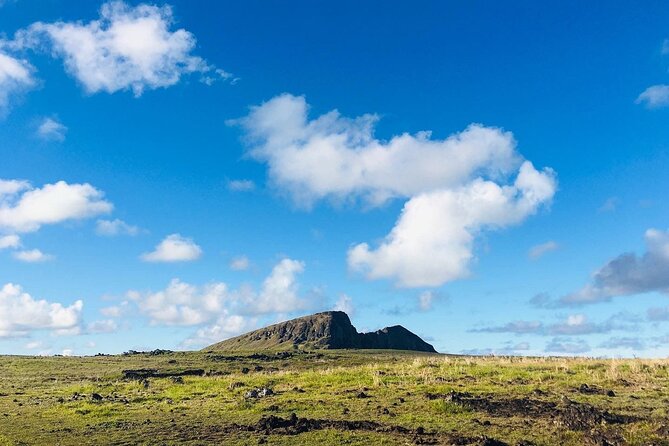
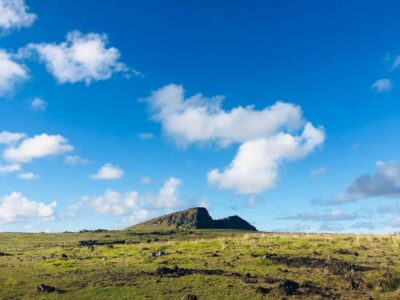
Rano Raraku is the heart of the tour. This volcanic quarry contains roughly 400 unfinished moai, and the scheduled visit lasts two hours.
Here you see statues in different stages of production, including figures still connected to the volcanic slope. The site makes the statue-building process more understandable than any museum display could. You can see that the moai were not simply carved and carried away as finished objects. The quarry itself was part workshop, part storage area, and part record of changing plans.
The ground can be uneven, and the walk requires a moderate level of fitness. Wear sturdy shoes and expect sun, wind, and exposure. You should also bring water because lunch and drinks are not included.
This is the stop where guide quality matters most. A well-informed guide can explain how the figures relate to the quarry and correct popular misunderstandings about the moai. Esteban received repeated praise for his explanations of ancient Rapa Nui culture and modern island life. Other guides, including Chris and Joaquin, were also praised for turning the sites into connected stories rather than isolated monuments.
Ahu Akahanga and the Old Coastal Village
Ahu Akahanga is scheduled for 30 minutes and shows the remains of an old village near a small bay. Unlike Tongariki, this is not mainly about a perfect row of upright statues. Its value comes from the traces of settlement and the sense of how people lived near the coast.
You may find this stop quieter and less immediately dramatic than Tongariki or Rano Raraku. That is precisely why it belongs in a full-day cultural route. It shifts your attention from famous monuments to the community that built and used them.
Admission is listed as not included at this stop, but the required National Park ticket covers the overall access arrangement. Confirm your ticket before departure so there is no confusion at the entrance.
Ahu Vaihu and the Fishing Bay
Ahu Vaihu includes a platform of eight moai beside an ancestral bay used by fishermen. The stop also introduces Poko Manu Mea, described as a representative sample of Rapa Nui villages and customs.
The visit lasts about 30 minutes. I would treat it as a compact cultural stop rather than a long walk. Listen carefully to the guide here, since the significance of the bay and village customs may not be obvious from the stones alone.
Ahu Vaihu also provides useful contrast. At Tongariki, the restored line of statues dominates the view. At Vaihu, the relationship between the ahu, the bay, and everyday life is easier to imagine.
Guides, Group Size, and the Quality of the Day
The operator limits the group to a maximum of 15 people. That is small enough to hear a guide without the outing feeling like a moving crowd, though the vehicle may feel snug when every seat is occupied.
The strongest part of this experience is the guiding. Esteban was praised for flawless English, cultural insight, and an ability to answer questions without losing the group’s pace. Christian was described as friendly and humorous, while Joaquin was praised for connecting stories to the places in front of you. Andre and Chris also received strong marks for organization and site explanations.
The guide may take photographs for you, another useful touch if you are traveling alone. You should still keep control of your own camera and allow time for your preferred views.
There is a practical caveat. One departure involved a long wait for late arrivals in a parked minivan, followed by a shortened day and missed stops. Another departure was affected by an early Christmas Eve park closing. These situations may have been unusual, but they show why you should confirm the meeting details, expected route, and closing times when booking around public holidays.
The operator has explained that smaller groups and fewer accommodation pickups can make a day run much faster. That can be good when the park has limited hours, but it also means a shorter day is not automatically a better day. You are paying for the planned time and route, so speak up if the schedule changes.
Lunch, Swimming, and What to Pack
Lunch is not included. Bring water and snacks, or plan to buy food at Anakena if the schedule allows. One departure reached lunch around 3:00 in the afternoon, so eating a substantial breakfast is sensible.
Anakena may offer a chance to swim, but swimming is not guaranteed and should not be the reason you choose this tour. The stated focus is archaeological and cultural, with the beach included as one part of the island’s story.
Pack:
- Water and a snack
- Sun protection
- A hat
- Comfortable walking shoes
- A swimsuit if you hope to swim
- A phone or camera with spare battery power
The tour requires moderate physical fitness. You will be outside for most of the day and may walk over uneven surfaces at Rano Raraku and other sites.
Is the $120 Price Good Value?
For $120, the tour offers a full day of transport, guiding, and access to the island’s most important moai sites. If you are staying only a few days, that concentration of sights can be very useful. You avoid arranging separate transport and gain explanations that are difficult to get from signs alone.
The extra park fee changes the calculation. International visitors should budget approximately $200 total before food, while Chilean citizens pay the $120 tour price plus CLP20,000 for admission. That is still a fair price for a long guided day, but it is not a bargain if you expect a private vehicle, a meal, or guaranteed beach time.
I would also compare the final price carefully if you are booking through a third-party website. Different booking channels may show different prices for what appears to be the same departure. Confirm the total per person before paying.
The rating of 4.8 from 86 reviews and a recommendation rate of 93 percent indicate strong overall satisfaction, especially with the guides and the selection of sites. The lower ratings point to operational problems, not a lack of impressive places. That distinction matters: the monuments themselves are the reason to visit, but the company’s scheduling and communication determine how much you enjoy the day.
Who Should Book This Rapa Nui Tour?
I would choose this tour if you want the major archaeological sites in one organized day and prefer explanations to simply taking photos from a vehicle. It suits solo visitors, couples, and friends who want a shared outing with a manageable group size.
It is also a good fit if Esteban or another highly praised guide is available on your date. Ask who will lead the departure and what language will be used. The guide can shape the experience more than the vehicle or lunch arrangements.
I would hesitate if you want a relaxed beach day, a guaranteed long swim, or complete control over every stop. I would also avoid booking it too close to a holiday without confirming park hours. The itinerary is ambitious, and even a well-run day involves a lot of moving around.
Should You Book the Full Day DREAM Tour?
Yes, with a few checks first. The route includes Rano Raraku, Tongariki, Te Pito Kura, Anakena, Nau Nau, Akahanga, and Vaihu, giving you a strong overview of Rapa Nui in one day. The guides are the main asset, and the best departures offer clear explanations, good pacing, and time for photographs.
Before you book, confirm the National Park ticket, the guide’s name and language, the meeting time, the expected stop order, and whether lunch or swimming time is realistic on your date. If those details are clear, this is a practical and worthwhile way to see Easter Island’s essential moai sites.
FAQ
How long does the Full Day DREAM tour last?
The tour is scheduled for approximately eight to nine hours. Individual departures can vary because of park hours, pickup times, group size, and special holiday schedules.
What time and where does the tour begin?
The stated start time is 9:30 am at Iglesia Católica Tuʻu Koihu in Hanga Roa, Easter Island. The tour ends back at the same meeting point.
Is the National Park ticket included?
No. The National Park ticket must be purchased before the excursion. The listed price is CLP20,000 per Chilean citizen or $80 per foreign visitor.
Is lunch included?
No. Food and drinks are not included. You should bring water and a snack, and lunch may be available at Anakena if the schedule permits.
How many people can join the tour?
The maximum group size is 15 people. Some departures may operate with fewer people, depending on the day’s arrangements.
Can I cancel for a full refund?
Yes, if you cancel at least 24 hours before the local start time. Cancellations or changes made less than 24 hours before the start are not accepted for a refund. If poor weather causes the operator to cancel, you will be offered another date or a full refund.
Just added around Easter Island
- Volcanic Refuges: Excursion to Underground Civilization★ 4.7 · 8 reviews
- Easter Island Ancestral Dinner and Show with Transport★ 4.5 · 2 reviews
- Volcanic Wonders and the Kingdom of the Birdman: Half Day★ 5.0 · 6 reviews
- Half Day Private Tour: Caves and Volcanic Refuges★ 4.0 · 14 reviews
- Tour to the Motus: Boat trip and snorkeling in Rapa Nui★ 5.0 · 8 reviews
- Birdman Ceremonial Route: Orongo, Ranu Kau Half-Day Tour★ 4.5 · 16 reviews
- Visit Rapa Nui in 4 days with 3 Tours and Accommodation included★ 4.0 · 2 reviews
- Private Tour: Tongariki Sunrise Experience★ 4.5 · 20 reviews
Easter Island Tours, compared.
Two days of Full Day Tour of Rapa Nui + Sunrise in Tongariki
Read our review →
2-Day Private Tour Easter Island Highlights Complete Discovery
Read our review →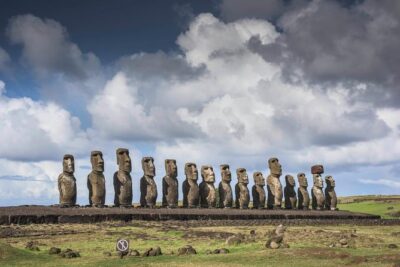
Private Tour: Full Day Easter Island Highlights
Read our review →
Private Full-Day Easter Island Highlights North and West
Read our review →Browse the lists this tour appears in