
Reviewed · STARGAZING & ASTRONOMY
Rapa Nui Astrophotography and Stargazing Night Tour Combination
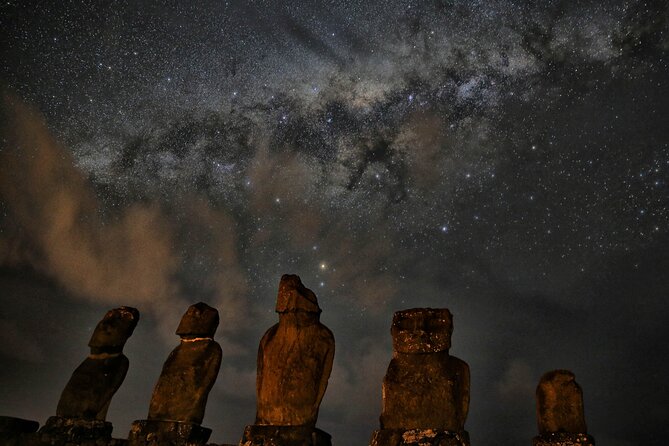
Look up, and Easter Island changes completely. This two-night experience pairs Polynesian star navigation with telescope viewing, moai monuments, and carefully planned night photography around Anakena and Ahu Tongariki. I like the clear link between the stars and Rapa Nui culture, and I like that the private photography portion gives you time to create a lasting image rather than rushing through a group stop. The main drawback is weather. Easter Island skies can change quickly, so no operator can promise a perfect view of the Milky Way or a clear photograph.
The $695 price is high, especially since the National Park ticket costs another $80 per person. Still, this is more than a basic look through a telescope. You get two separate nights, transportation, an astronomy presentation, and a professional-style portrait beneath the stars. Marc and Hekii also add a personal touch through storytelling, singing, and acoustic guitar.
In This Review
- Key points to know before booking
- Why Rapa Nui makes such a good night-sky setting
- Night one: Ahu Nau Nau, Anakena, and the first stars
- The Anakena photograph and what to expect
- Night two: Ahu Tongariki and the largest moai platform
- How the two nights work together
- The price, group size, and practical value
- Weather, moonlight, and the best way to plan
- Who will enjoy this experience most
- Should you book Rapa Nui Stargazing?
- FAQ
- Where does the stargazing tour meet?
- Does the tour include hotel pickup?
- How long does each part of the experience last?
- Is the National Park ticket included?
- Which locations are included?
- When will I receive the astrophotography image?
- What happens if bad weather cancels the experience?
Key points to know before booking
- Two different night experiences: One evening focuses on astronomy and Polynesian navigation, while the other centers on astrophotography at a major moai site.
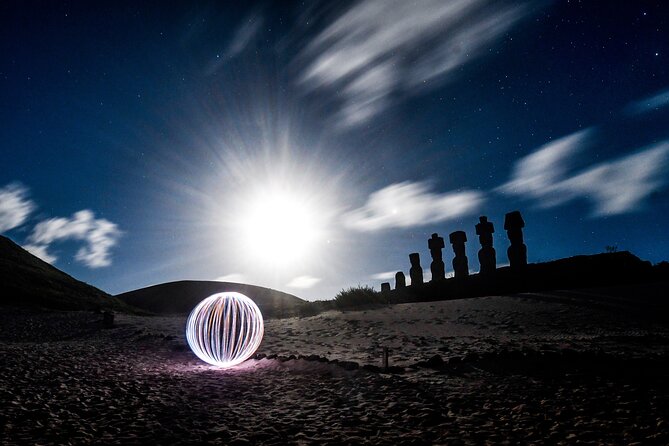
- Anakena is the first-night setting: Expect telescope viewing, a coffee break, and a beach photograph with the moai near Ahu Nau Nau.
- Ahu Tongariki may be the second-night location: The largest moai platform in Rapa Nui can be visited at night or around sunrise, with Ahu Anakena sometimes used instead.
- The photography outing is private: Hotel pickup is included for this part, while the stargazing outing is shared and capped at 10 people.
- Your finished photograph arrives later: The image is sent by email in about five days, though slow island internet can delay delivery.
- Weather matters greatly: If poor conditions force a cancellation, you can choose another date or receive a full refund.
Why Rapa Nui makes such a good night-sky setting
Rapa Nui is far from the busy cities and bright streets that wash out stars in many destinations. That gives this experience a natural advantage. The quiet setting also makes the moai feel different after dark. In daylight, you study their shape and scale. At night, they become dark silhouettes against the sky.
The cultural part is just as important as the astronomy. Rather than simply pointing out a few bright stars, the guides explain how Polynesian navigators used the night sky to orient themselves across the Pacific. That gives the telescope session a clear sense of place. You are not just learning a list of constellations. You are learning how the sky helped connect distant islands.
Marc leads the explanation of Polynesian astral navigation and helps you locate stars, constellations, and planets through the telescope. The format appears friendly and informal rather than academic. Singing and acoustic guitar have also been part of the evening, which adds warmth during what could otherwise be a fairly technical presentation.
I would book this for the cultural context as much as the stargazing. If you already know astronomy well, you may find the telescope portion familiar, but the Polynesian navigation angle gives it a special Rapa Nui focus.
More Rapa Nui trips and moai walks:
- From Hanga Roa: Rapa Nui Culture Sightseeing Tour
★ 4.6 · 307 reviews - From Hanga Roa: Easter Island Highlights 2-Day Tour
★ 4.3 · 205 reviews - From Hanga Roa: Easter Island Sightseeing Full Day Tour
★ 4.5 · 189 reviews
Night one: Ahu Nau Nau, Anakena, and the first stars
The first evening begins with a meeting in Hanga Roa. The shared stargazing excursion meets in front of the Katipare library, with the approximate meeting time changing by season: around 7:30 p.m. in winter and 8:30 p.m. in summer. The listed start time is 8 p.m., so confirm the exact local pickup time when you book.
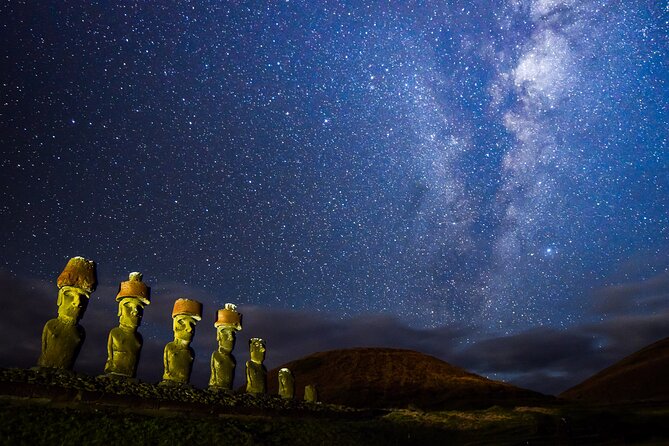
From town, the group heads toward Anakena Beach and Ahu Nau Nau. This area is one of the most memorable places on Rapa Nui, combining a sandy beach, palm trees, and a line of moai. At night, the setting takes on a quieter character, with fewer visual distractions and a much stronger sense of isolation.
The astronomy talk comes first. You will hear about the general layout of the night sky and the traditional methods used for navigation. Then you get telescope time to look at stars, planets, and constellations. A coffee break is included, a small but welcome detail during a late outdoor outing.
The full evening lasts about three hours, including transportation back to your lodging. That is a sensible length. It gives you enough time for explanation and observation without turning the night into an exhausting expedition. Since this is a shared outing, you should expect to listen as part of a small group rather than receive uninterrupted one-on-one instruction.
The most memorable part of this night may be the move from astronomy lesson to beach photography. The guides time the visit around the moon when possible. On one evening with a nearly full moon, they arranged for the beach photograph to happen before moonrise, preserving a darker sky behind the moai. That kind of timing matters more than fancy equipment. A bright moon can wash out faint stars, so the schedule can make or break the final image.
The Anakena photograph and what to expect
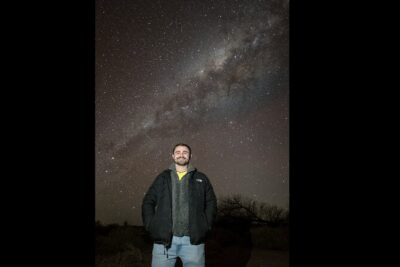
The included photograph is a major reason to consider this experience. You pose near the beach and moai while the guide creates an image with the stars behind you. The result is designed as a keepsake, not just a quick phone snapshot.
You should bring patience. Night photography takes time, especially when the guide is balancing the position of the people, the moai, the sky, and the available light. Hekii is described as allowing plenty of time during the photography portion, which is good news if you care more about the final image than about finishing quickly.
The finished picture is sent by email in roughly five days. Internet service on the island can be slow, so do not expect an instant download from your hotel. I would also check that the email address on your booking is correct and keep enough space in your inbox for a large image file.
This is one place where expectations should stay realistic. Weather on Rapa Nui is changeable, and even a carefully planned outing may produce clouds or a less dramatic sky. The guide can work hard to find the best moment, but the weather remains in charge. If your main goal is a perfect star portrait, plan several nights on the island so you have some flexibility.
Night two: Ahu Tongariki and the largest moai platform
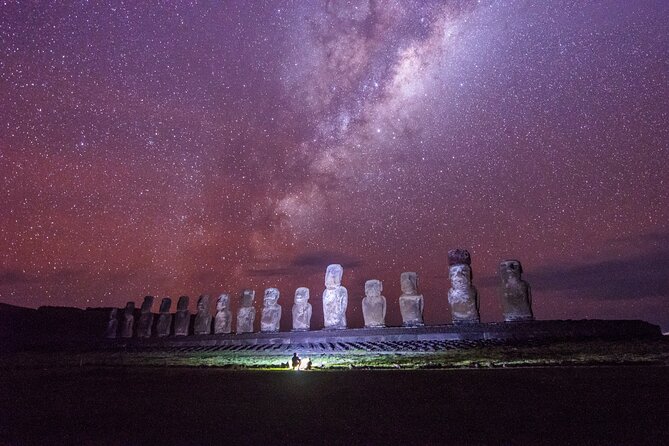
The second part of the combination focuses on astrophotography at Ahu Tongariki, the largest moai platform on Rapa Nui. The setting is powerful even in daylight, with the row of statues creating a broad, unmistakable silhouette. At night, the site offers a more dramatic frame for the stars.
The timing may be at night or around sunrise. That gives the experience some flexibility, but it also means you should confirm the exact schedule before setting your plans for the rest of the day. Ahu Anakena may be used instead of Tongariki, so the final location is not completely fixed.
The astrophotography outing is private and includes hotel pickup. That is a useful difference from the shared stargazing night. You do not have to find your way to the Katipare library, and the private format should give you more control over where and how you are photographed.
The private setup is especially useful if you have a particular idea in mind. You can ask for more time, discuss the composition, and avoid feeling that a whole group is waiting for you to finish. The supplied information does not specify the camera equipment or the number of final images, so ask those questions before paying if photography is your central reason for booking.
Ahu Tongariki also brings a practical issue: the National Park admission fee is not included. The ticket costs $80 per person, and you must purchase it online before the tour. That is a substantial extra cost on top of the $695 tour price. Do not treat the advertised price as the complete cost of this particular outing.
More night sky trips from Easter Island:
- Rapa Nui Stargazing
★ 4.5 · 62 reviews - The Rapa Nui Stargazing Experience
★ 4.5 · 32 reviews - Easter Island: Rapa Nui Stargazing Tour
★ 4.8 · 16 reviews - Astronomical Tour on Easter Island
★ 3.5 · 3 reviews
How the two nights work together
The combination makes sense because the evenings have different purposes. The first night is a shared introduction to the sky, with cultural explanation, telescope viewing, coffee, and a beach setting. The second night is more focused on creating a polished photograph at a major archaeological site.
That progression suits people who want both understanding and a souvenir. You first learn how the sky fits into Polynesian navigation, then use the night as a setting for photography. The experience feels less like two copies of the same excursion.
It also gives you two chances to deal with island weather. That is valuable on Rapa Nui, where the sky can shift from clear to cloudy without much warning. A two-night plan does not guarantee perfect conditions, but it improves your odds compared with a single fixed evening.
At the same time, the package costs enough that you should know what you value. If you only want to look through a telescope, a single stargazing outing might be the better fit. If you want an image of yourself with moai and stars, the combination offers a more complete experience.
The price, group size, and practical value
At $695 per person, this is a premium activity. The National Park ticket adds another $80, making the total considerably higher. For a solo visitor or couple who cares deeply about astronomy and photography, the private second night may justify the cost. For a larger family or a person looking for a casual evening activity, it may feel expensive.
The value comes from the specialist planning rather than from the number of stops. You are paying for nighttime access and coordination, two different formats, transportation, explanations of Polynesian navigation, telescope time, and a finished photograph. You are not paying for a long list of attractions.
The shared stargazing outing has a maximum of 10 people. That is small enough to keep the presentation personal, though it is not a private tour. The astrophotography portion includes private hotel pickup, which makes the package feel more tailored.
Pickup details deserve attention. The stargazing group meets at the Katipare library, while the private photography excursion includes hotel pickup. The experience ends with drop-off at your lodging in Hanga Roa. If you are staying outside the main town area, confirm exactly where pickup applies.
Confirmation arrives at booking. Most people can participate, but the supplied details do not provide specific accessibility information. If you need help with walking, uneven ground, transport, or standing for extended periods, ask the operator before reserving.
Weather, moonlight, and the best way to plan
Weather is the biggest variable. The experience requires good conditions, and poor weather can lead to a new date or a full refund. The same policy applies if the minimum number of participants is not reached.
You should avoid placing this tour on the last possible night of your island stay. A poor-weather cancellation is much easier to handle when you have another evening available. A longer stay also gives the guide more room to shift the photography to a better night.
Moonlight needs similar thought. A nearly full moon can brighten the beach and illuminate the moai, but it can also hide fainter stars. The guide may plan the photograph before moonrise, as happened on one carefully timed outing. Ask how the moon phase affects your scheduled date if the night sky is your main goal.
Do not arrive expecting every night to look like a glossy astronomy poster. Clouds, wind, and moonlight are part of the experience. The best approach is to value the explanation, setting, and cultural connection even if the sky is not perfect.
Who will enjoy this experience most
I would recommend this combination to couples, serious hobby photographers, and anyone who wants a quieter Rapa Nui activity with strong cultural content. It also suits people who have already seen the main daytime sites and want to experience the island from another angle.
It is a good fit if you enjoy asking questions and staying outside after dark. The evening is not simply transport to a viewpoint, a quick photograph, and a ride back. You will spend time listening, looking through a telescope, waiting for the right light, and adjusting to island conditions.
It may not suit you if you dislike uncertain weather or want a fully predictable schedule. The second location can change between Ahu Tongariki and Ahu Anakena, and the timing may be at night or sunrise. The extra National Park fee also matters for anyone working with a tight budget.
Families can likely participate, since most people can take part, but the late timing and outdoor setting may not work well for very young children. The information does not provide an age minimum, so ask before booking if that is important to you.
Should you book Rapa Nui Stargazing?
Book it if you want more than a standard astronomy talk. The combination of Polynesian navigation, telescope viewing, Anakena Beach, Ahu Tongariki, and a private photograph gives you several strong reasons to go. Marc’s presentation and Hekii’s patient approach to photography add a human touch, while the singing and guitar make the evening feel less formal.
Think carefully about the cost and the weather. Add the $80 National Park ticket, confirm the photography details, and leave room in your schedule for a weather change. If you can do that, this is one of the more distinctive ways to experience Rapa Nui, with the moai below you and the Pacific sky above.
FAQ
Where does the stargazing tour meet?
The shared stargazing excursion meets in front of the Katipare library in Hanga Roa. The approximate meeting time is 7:30 p.m. in winter and 8:30 p.m. in summer.
Does the tour include hotel pickup?
Hotel pickup is included for the private astrophotography outing. The shared stargazing excursion meets at the Katipare library. Drop-off at your lodging is provided at the end of the experience.
How long does each part of the experience last?
The first evening lasts about three hours, including transportation back to your lodging. The listed activity time for the first stop is about two hours. The second stop is also listed as approximately two hours.
Is the National Park ticket included?
No. The National Park ticket costs $80 per person and must be purchased online before the tour.
Which locations are included?
The first evening visits the Ahu Nau Nau area near Anakena Beach. The second outing may visit Ahu Tongariki or Ahu Anakena.
When will I receive the astrophotography image?
The photograph is sent by email in about five days. Internet service on Easter Island can be slow, so delivery may take longer.
What happens if bad weather cancels the experience?
You will be offered another date or a full refund if poor weather causes the cancellation. The same options apply if the minimum number of participants is not reached.
More Evening Experiences in Easter Island
- Ride to the highest point on the island for sunset
★ 5.0 · 40 reviews - Sunset in the Andes Mountains
★ 5.0 · 332 reviews - Astronomical Tour “Under the Night Sky”
★ 5.0 · 284 reviews - Santiago: Andes Mountains Sunset and Valle Nevado & Picnic
★ 4.6 · 181 reviews
Just added around Easter Island
- Volcanic Refuges: Excursion to Underground Civilization★ 4.7 · 8 reviews
- Easter Island Ancestral Dinner and Show with Transport★ 4.5 · 2 reviews
- Volcanic Wonders and the Kingdom of the Birdman: Half Day★ 5.0 · 6 reviews
- Half Day Private Tour: Caves and Volcanic Refuges★ 4.0 · 14 reviews
- Tour to the Motus: Boat trip and snorkeling in Rapa Nui★ 5.0 · 8 reviews
- Birdman Ceremonial Route: Orongo, Ranu Kau Half-Day Tour★ 4.5 · 16 reviews
- Visit Rapa Nui in 4 days with 3 Tours and Accommodation included★ 4.0 · 2 reviews
- Private Tour: Tongariki Sunrise Experience★ 4.5 · 20 reviews
Stargazing & Astronomy, compared.
The Roofless Experience San Pedro de Atacama Stargazing Tour
Read our review →

Astronomical Tour with Guide and Pick Up San Pedro de Atacama
Read our review →
“Astronomical Adventure in San Pedro de Atacama”
Read our review →Browse the lists this tour appears in