
Reviewed · ATACAMA DESERT TOURS
San Pedro de Atacama: Stargazing Experience
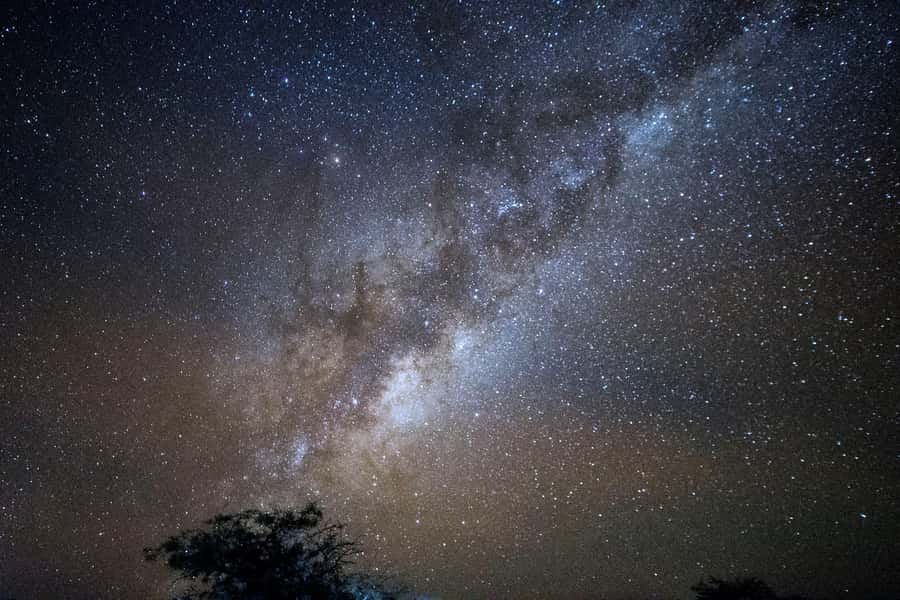
The desert sky puts on a serious show. This San Pedro de Atacama stargazing experience combines a short ride beyond town, an astronomy talk, telescope viewing, and a photograph beneath the stars. I like the clear structure and the chance to see planets, star clusters, nebulae, galaxies, and even Saturn’s rings when conditions line up. I also like the small comforts, including blankets, hot chocolate, snacks, and a warm drink at the end.
The main drawback is the cold. You are outside at night in the high desert, so a jacket alone may not be enough. The astronomy talk can also feel too detailed if you are new to the subject, and a full moon may hide some faint stars. At $35 per person, this is a fair introduction to the Atacama sky, though local booking may sometimes cost less.
In This Review
- Key points to know before you book
- Why San Pedro is made for looking up
- The 15-minute ride beyond town
- Settling in with drinks and blankets
- Learning the southern sky with an astronomer
- Naked-eye stargazing before the telescopes
- Telescope viewing of planets and distant objects
- The included astrophotography session
- Cold, comfort, and the practical realities
- Is $35 a fair price?
- Who will enjoy this most?
- Should you book the San Pedro stargazing experience?
- FAQ
- How long does the San Pedro de Atacama stargazing experience last?
- How much does the experience cost?
- What can I see through the telescopes?
- Is transportation included?
- What languages are available?
- Are drinks and food included?
- Is a photograph included?
- What should I bring?
- Can I cancel or pay later?
Key points to know before you book
- Only 15 minutes from San Pedro: The observation site is close enough for an easy evening outing, yet far enough from town lights for darker skies.
- Telescopes make the difference: Depending on the season and conditions, you may view planets, binary stars, clusters, nebulae, galaxies, and the Moon.
- The guides are the heart of the experience: Guides such as Alejandro, Alberto, Rafael, and Connie have been praised for clear explanations, patience, and good storytelling.
- You get more than stargazing: Drinks, snacks, blankets, and astrophotography are included, adding comfort and a lasting memento.
- Moon phase matters: A bright Moon can reduce the number of visible stars, but it also becomes a superb telescope subject.
- Dress for a cold desert night: Bring warm clothing, a jacket, and comfortable shoes. Do not assume the supplied blankets will do all the work.
Why San Pedro is made for looking up
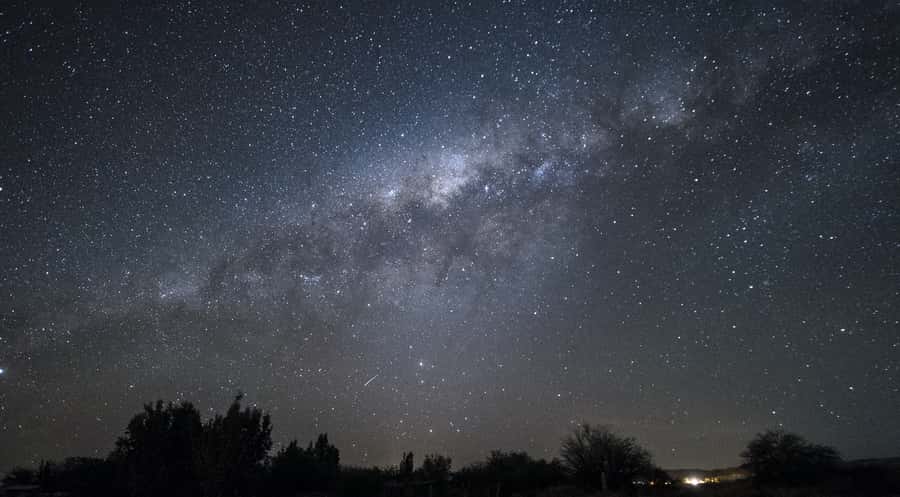
San Pedro de Atacama is one of the best places in Chile for a night-sky outing. The town sits in a dry northern desert, and the experience takes you away from the town center for observation in darker surroundings.
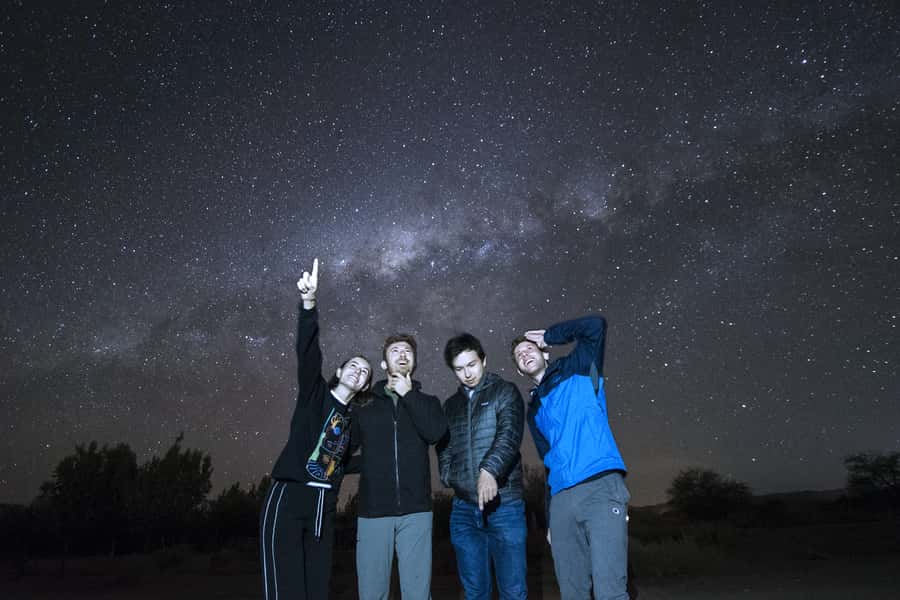
You do not need to know astronomy before arriving. The evening begins with the naked-eye sky, which gives you time to adjust to the darkness and pick out major stars and constellations. A guide then helps connect those bright points to stories, science, and the way people have understood the heavens over time.
The setting is quiet and simple. There is no elaborate show, no noisy entertainment, and no rush from one attraction to the next. You sit beneath a wide sky, listen, ask questions, and take turns at the telescopes. For many people, that slower pace is the point.
The activity is advertised at 150 minutes, or two and a half hours. That includes the ride out, time at the observation site, and the return to San Pedro. You get enough time for both explanation and telescope viewing, rather than a quick stop to look at one object and leave.
More Stargazing Tours in San Pedro de Atacama
- San Pedro de Atacama: Etno-Stargazing Tour with Transfer
★ 4.8 · 629 reviews - The Roofless Experience San Pedro de Atacama Stargazing Tour
★ 5.0 · 522 reviews - Astronomical Tour “Under the Night Sky”
★ 5.0 · 284 reviews
The 15-minute ride beyond town
The evening begins at a meeting point that depends on the option you choose. From there, a van takes you roughly 15 minutes outside the center of San Pedro de Atacama.
That short transfer matters. You are not committing to a long night drive or a remote expedition, but you still leave behind much of the town’s artificial light. The van also means you do not need to arrange a separate taxi or navigate a dark, dusty road yourself.
One family chose to follow the bus in a rental car and found the road dark and dusty. I would take the provided transport if it is available. It keeps the evening simpler, and you can enjoy the drinks without worrying about driving afterward.
The exact drop-off point can vary. Return locations include San Pedro de Atacama and addresses on Ignacio Carrera Pinto, including numbers 499 and 530. Check your chosen option carefully if your accommodation is on the edge of town.
Settling in with drinks and blankets
At the observation site, the guide gives a short introduction before the main astronomy talk begins. Benches, cushions, and blankets may be available, and drinks help make the wait for full darkness more pleasant.
Included refreshments can include red wine, pisco sour, juice, tea, coffee, and hot chocolate, along with a snack. The timing appears to vary, with cold drinks offered at the start and warm drinks and cake or another snack later in the evening.
These are small touches, but they matter in the Atacama cold. You are sitting still for much of the experience, and stillness makes you feel the temperature more than walking does. A blanket helps, but pack your own warm layers rather than treating the refreshments as the main comfort.
One point deserves a practical warning: a bathroom is not included. Plan ahead before leaving town. Alcohol and drugs are not allowed, even though wine and a pisco sour are listed among the included drinks, so follow the operator’s rules and drink responsibly.
Learning the southern sky with an astronomer
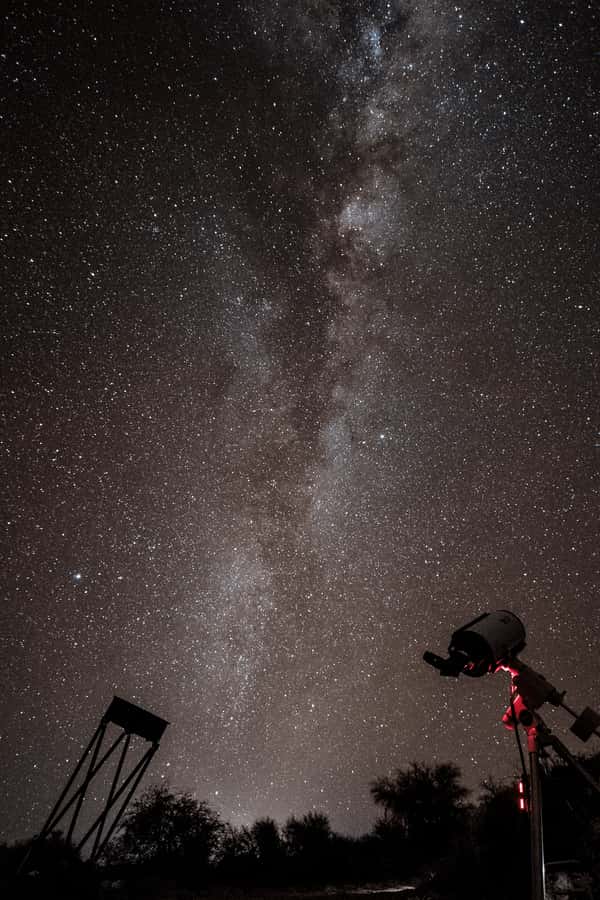
The talk is the educational center of the evening. Guides explain how to find stars and constellations, how the night sky changes, and how ancient Greece shaped familiar Western stories about the heavens.
The strongest guides make difficult subjects easy to follow. Alejandro has been praised for explaining the solar system with enthusiasm, while Alberto has been singled out for his patience and kindness, including helping children take their turn at the telescope. Rafael has also been praised for combining astronomy with history and practical tips for taking night photos.
The experience is available in English and Spanish. Several guides have been praised for speaking clear English and answering questions well, which is important when the subject includes unfamiliar names, distances, and scientific ideas.
The Greek focus may not satisfy every curiosity. If you want a strong introduction to Indigenous astronomy from the southern Andes or a wide comparison of world traditions, ask about the emphasis before booking. The activity specifically presents ancient Greece as a major part of its story, and one participant wished for more attention to other southern-sky traditions.
The level of detail can also be a matter of taste. I like having a guide who can explain more than the basics, but if you prefer a purely scenic evening, a long astronomy talk may feel heavy. Ask questions early and tell your guide your level of interest. The best part of a small group is that the conversation can respond to the people in front of it.
Other Atacama desert trips from San Pedro De Atacama:
- San Pedro de Atacama: El Tatio Geysers Tour
★ 4.7 · 943 reviews - Half Day Tour to Geysers del Tatio
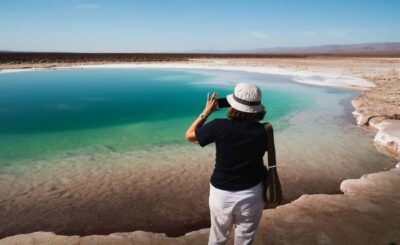
★ 5.0 · 499 reviews - San Pedro Atacama: Baltinache Lagoons
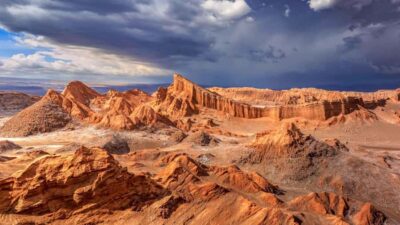
★ 4.6 · 359 reviews - San Pedro de Atacama: Valle de la Luna Guided Tour
★ 4.4 · 312 reviews
Naked-eye stargazing before the telescopes
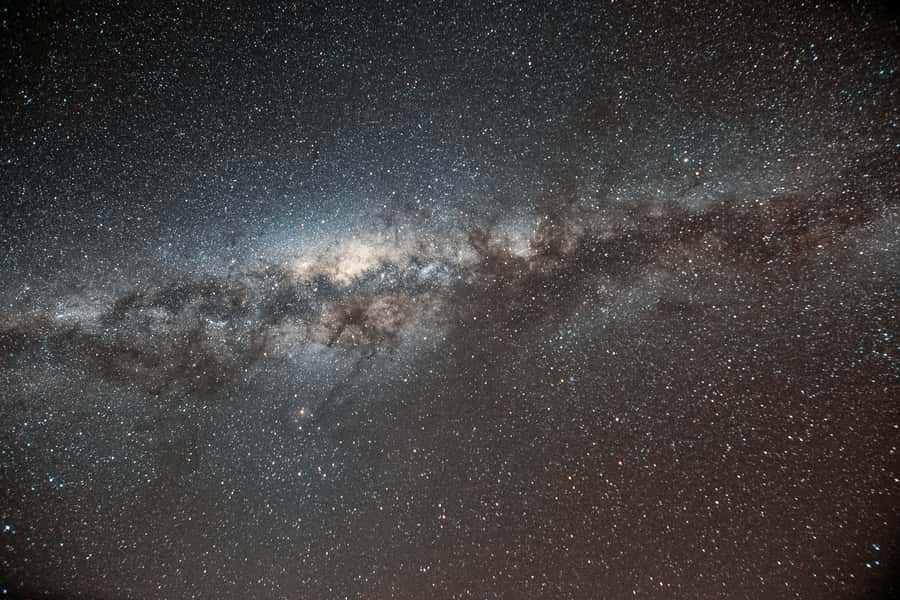
Before you look through any equipment, you spend time viewing the sky with your own eyes. This is not filler. It lets you understand the scale of the sky and see how much is visible without magnification.
Depending on the season, the Moon, planets, constellations, the Milky Way, and the Magellanic Clouds may all come into view. One evening included Mars, Jupiter with three of its moons, the International Space Station, shooting stars, and several galaxies. Those exact sightings cannot be promised, since the objects change with the date, hour, and weather.
The southern sky is a major reason to choose San Pedro over an ordinary stargazing outing at home. Your guide may show you how to locate the Southern Pole and explain which stars are easiest to identify from this part of the world.
The Moon deserves special attention. A full Moon washes out many faint stars, so a bright lunar period is not ideal if your only goal is to see the Milky Way at its darkest. On the other hand, the Moon itself can be spectacular through a telescope. One evening began with a dark enough sky for the Milky Way and Magellanic Clouds, then finished with a close view of the rising Moon.
If star quantity is your priority, check the moon phase when choosing a date. If you would enjoy both stars and lunar detail, a brighter Moon can work well.
Telescope viewing of planets and distant objects
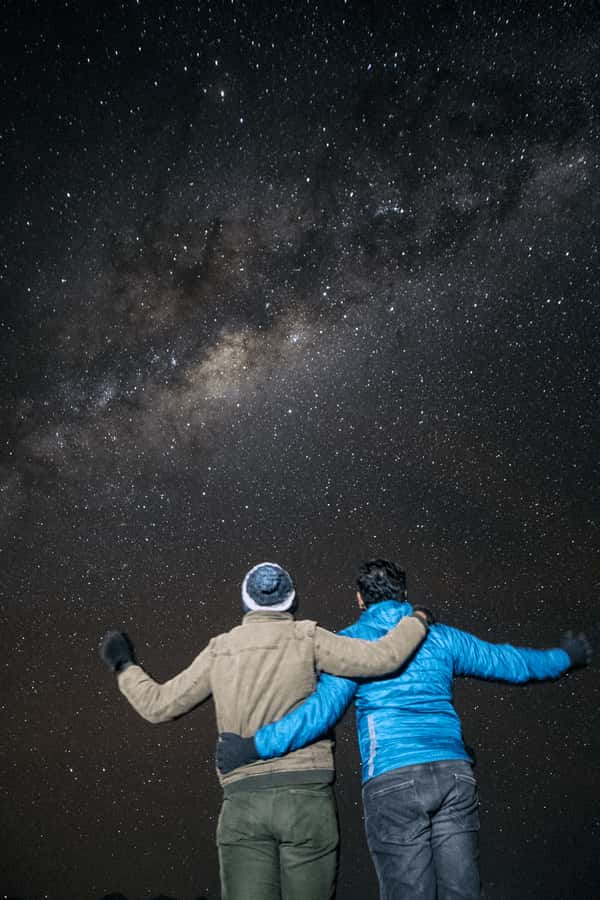
The telescopes turn the evening from a sky lesson into a hands-on experience. You learn how to look through them and take turns viewing objects selected for that night.
Possible targets include planets, binary stars, stellar clusters, nebulae, and galaxies. You might also see the Moon or a planet’s moons. Saturn and its rings have been a favorite sight, and Jupiter has appeared with several moons visible beside it.
The exact list is never fixed. Astronomy depends on the time of year, the hour of the night, and what is above the horizon. A guide cannot promise Saturn, Mars, or a particular galaxy on every departure.
Good telescope handling makes a big difference. Alberto was praised for readjusting the telescope after each person looked, so the next person received a sharp view. A small step stool was also provided for a child, a thoughtful detail for families.
You may need patience if the group is larger. Everyone takes a turn, and the guide may need to reset the equipment between people. A small group is worth considering if you want more time to ask questions or use the telescope without waiting as long.
The included astrophotography session
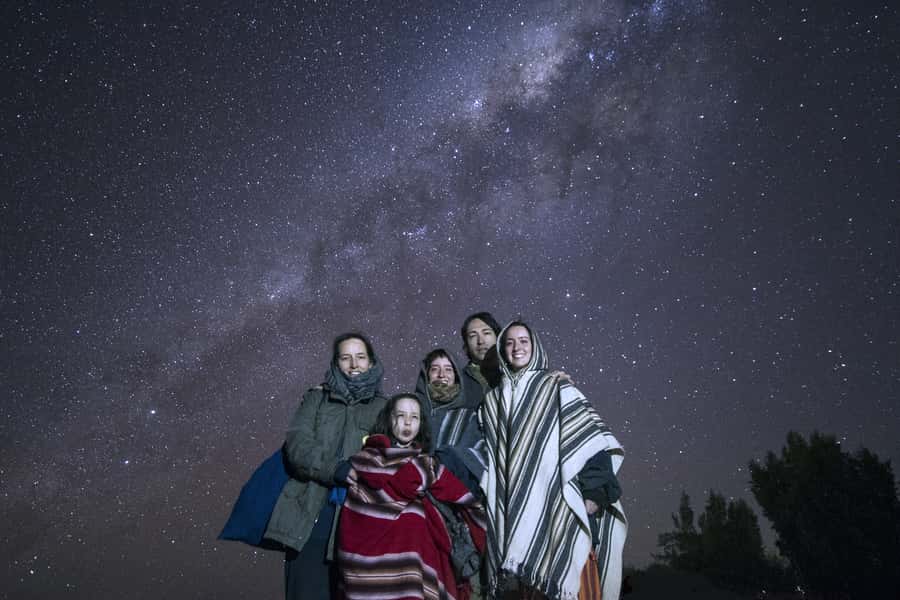
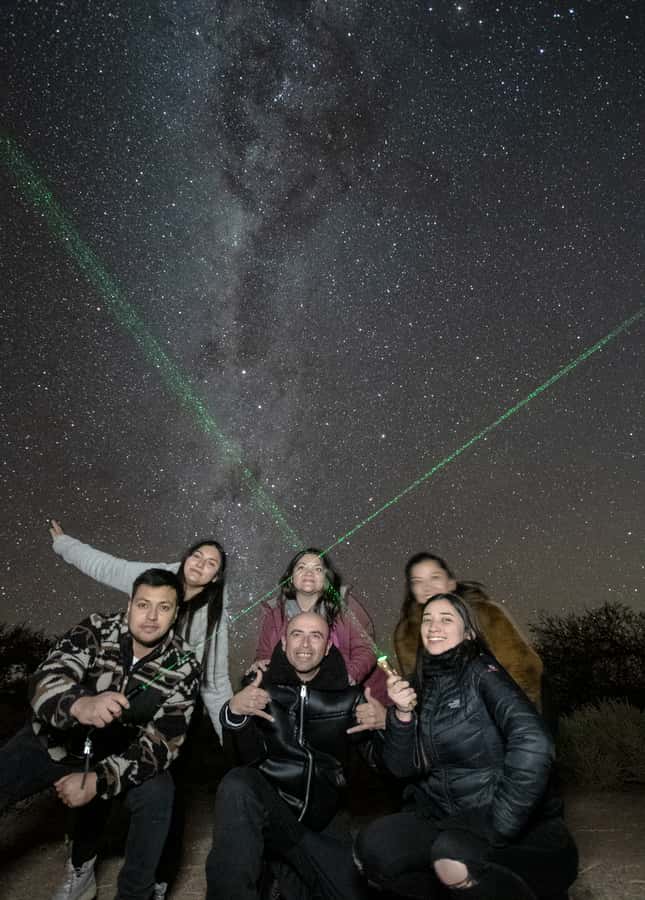
The operator takes photographs of you beneath the stars. The finished image gives you something more personal than a phone snapshot, especially because ordinary phone cameras often struggle in very dark conditions.
Several people have praised the photos, with some describing them as better than expected. The picture is generally sent after the activity, so keep an eye out for the delivery. Two people reported not receiving their photographs and said they could not get a response after trying to contact the operator.
That does not cancel out the value of the photo, but it is a reason to confirm how and when it will be delivered before leaving the site. If you are keen on night photography, you may also have time to take your own pictures. One guide offered useful advice about making personal star photos, and another evening included plenty of time for camera work.
Bring your phone or camera only if you want to use it. The main viewing does not depend on photography, and you should not spend the whole evening staring at a screen.
Cold, comfort, and the practical realities
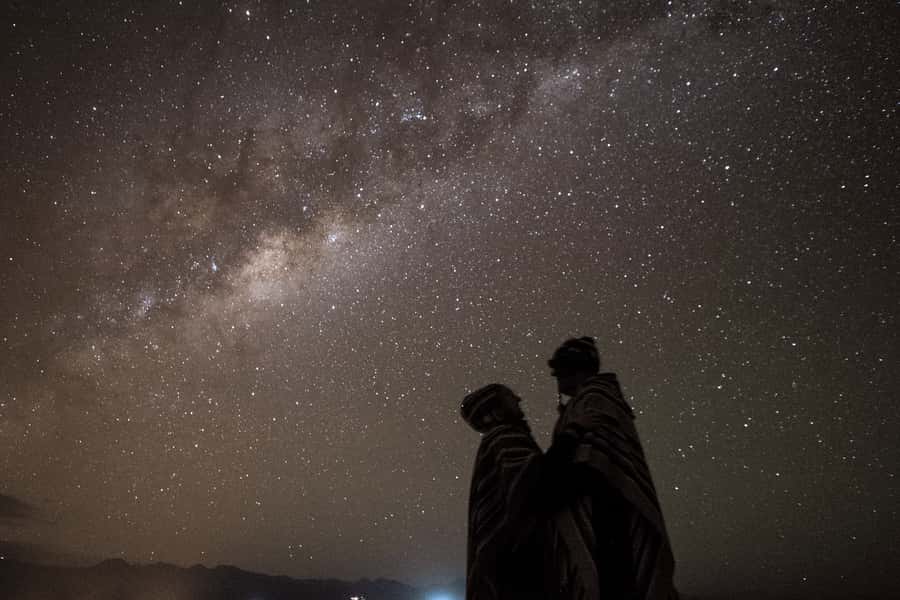
The cold is the one issue you should take seriously. San Pedro’s desert air may feel mild in the afternoon, but nighttime temperatures can make sitting outside uncomfortable. Bring a warm jacket, additional layers, and comfortable shoes. Gloves, a hat, and warm socks are sensible additions even though they are not specifically listed as required items.
The supplied blankets, cushions, hot drinks, and snacks help, but they do not replace proper clothing. One participant found the cold distracting, while several others said the warm drinks made the evening easier. Your comfort will depend heavily on what you wear.
The activity is not suitable for children under four or people over 80. Families with older children can still find it a good fit, especially when the guide takes time to answer questions and provides a step stool for smaller children.
There is no suggestion that the site has a bathroom, so use facilities before departure. Comfortable shoes are useful because the observation site is outside, and the ground may be dusty.
Is $35 a fair price?
At $35 per person, the price is reasonable for a two-and-a-half-hour outing that includes transport, a live guide, telescope use, drinks, a snack, blankets, and a photograph. You are paying for the guide’s time and equipment as much as for the stars.
The value is strongest if you want someone to explain what you are seeing. You could look up at the sky for free, but you would miss the help with constellations, the southern pole, planets, telescope technique, and the stories behind the stars.
Price comparison is still worth doing. One person found the online booking price about a third higher than buying locally in San Pedro. If you have extra time in town, check local operators and compare what is included. The online option can be useful for securing a place and allowing you to reserve now and pay later, but convenience may come at a premium.
Free cancellation is available up to 24 hours before the activity for a full refund. Starting times vary, so check availability for your date.
Who will enjoy this most?
I would recommend this to you if you want a gentle introduction to astronomy, a guided look at the southern sky, or a memorable evening that does not require technical knowledge. It works especially well for couples, families with older children, and anyone who has always wanted to see the Milky Way properly.
It is also a good choice if you value a guide who can explain rather than simply point. The strongest part of the evening is the human element: clear teaching, stories, answers to questions, and careful telescope operation.
You may want another option if you dislike cold outdoor activities, have little patience for a science talk, or want a completely dark sky during a full Moon. You should also think twice if receiving the included photograph is essential, given the occasional delivery problem.
Should you book the San Pedro stargazing experience?
Yes, I would book it if you are visiting San Pedro and want to understand the sky rather than simply photograph it. The combination of a short transfer, capable guides, telescope viewing, warm drinks, and astrophotography makes $35 good value for most people.
Choose your date with the Moon in mind, wear more warm clothing than you think you need, and use the provided transport instead of following in a rental car. If you have time to compare local prices, do that first. For a first night under the Atacama stars, though, this is a strong and easy-to-manage choice.
FAQ
How long does the San Pedro de Atacama stargazing experience last?
The experience lasts 150 minutes, or two and a half hours. This includes approximately 15 minutes by van each way and about two hours at the observation site.
How much does the experience cost?
The listed price is $35 per person.
What can I see through the telescopes?
Depending on the time of year and the conditions, you may see planets, stars, binary stars, stellar clusters, nebulae, galaxies, or the Moon.
Is transportation included?
Yes. The activity includes a van transfer of about 15 minutes from the meeting point to the observation site and a return transfer afterward.
What languages are available?
The live tour guide is available in English and Spanish.
Are drinks and food included?
Yes. Included refreshments can include red wine, pisco sour, juice, tea, coffee, hot chocolate, and a snack.
Is a photograph included?
Yes. Astrophotography is included. The operator takes photographs beneath the stars, though delivery of the image should be confirmed before you leave.
What should I bring?
Bring warm clothing, a jacket, and comfortable shoes. The desert can be very cold at night, so extra layers are a sensible choice.
Can I cancel or pay later?
You can cancel up to 24 hours in advance for a full refund. A reserve-now, pay-later option is also available, depending on the selected booking option.
Just added around San Pedro De Atacama
- Vallecito★ 4.7 · 13 reviews
- Atacama Desert and Magic Bus Visit★ 4.8 · 15 reviews
- San Pedro de Atacama: Valle de la luna★ 3.0 · 3 reviews
- Valle de la Luna: A Moon-Like Escape in Atacama★ 5.0 · 3 reviews
- 3 Perfect Days in Atacama + Transfer★ 4.5 · 3 reviews
- Atacama Stargazing Tour Under One of the World’s Clearest Skies★ 4.0 · 3 reviews
- Valley of the Moon In San Pedro de Atacama★ 4.5 · 9 reviews
- Moon Valley Tour, the Best Seller★ 4.5 · 2 reviews
Atacama Desert Tours, compared.
The Roofless Experience San Pedro de Atacama Stargazing Tour
Read our review →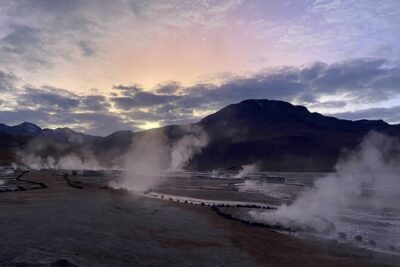
Browse the lists this tour appears in