
Reviewed · EASTER ISLAND TOURS
Rapa Nui: 3 Excursions with Hotel Transfers
The moai are only part of the story. This three-excursion package gives you a practical way to see Rapa Nui’s major archaeological sites, from the Orongo Ceremonial Village above Rano Kau to the 15 moai at Ahu Tongariki. I especially like the mix of short and full-day outings, and I like that hotel transfers, transport, and an English or Spanish-speaking guide are included. The main drawback is that the national park ticket and meals cost extra, and the stated six-hour validity period needs clarification because the program is described as taking place across two days.
The first day divides into two half-day trips, which helps keep the schedule manageable. The second day is the big one, with quarries, ceremonial platforms, fallen and standing moai, and an hour at Anakena Beach. Guide Uca has been praised for handling a bilingual group and keeping the quieter first tour engaging.
In This Review
- Key points to know before booking
- What you get for $177
- First half-day: Orongo and the edge of Rano Kau
- Second half-day: Puna Pau, Ahu Akivi, and Tahai
- The full-day route begins at Vaihu and Akahanga
- Rano Raraku reveals where most moai began
- Ahu Tongariki and its 15 restored moai
- Te Pito Kura and the largest planned moai
- Anakena Beach provides a welcome final hour
- Transport, guides, and the schedule
- Who will get the most from this package
- Should you book the three-excursion package?
- FAQ
- What is included in the Rapa Nui excursion package?
- Is the national park ticket included?
- Are food and drinks included?
- Where does the tour pick up passengers?
- Which moai sites does the tour visit?
- Does the tour visit Rano Kau Crater?
- How long is the beach stop at Anakena?
- What languages are available for the guided tour?
- Is the tour wheelchair accessible?
Key points to know before booking
- Three outings cover the island’s best-known sites: You visit Orongo, Rano Kau, Vinapu, Puna Pau, Ahu Akivi, Tahai, Rano Raraku, Tongariki, Te Pito Kura, and Anakena.
- The second day is the highlight: Rano Raraku and Ahu Tongariki provide the strongest moai experiences, while Anakena adds a welcome beach break.
- Hotel pickup and drop-off are included: You board the bus outside your hotel in Hanga Roa.
- The national park ticket is not included: Budget for this separately before you set out.
- Bring beach and hiking gear: Comfortable shoes, sunscreen, water, a hat, breathable clothing, a towel, and beachwear all make sense.
- The six-hour validity wording is unclear: The listed program spans multiple excursions, so confirm how activation and scheduling work before paying.
What you get for $177
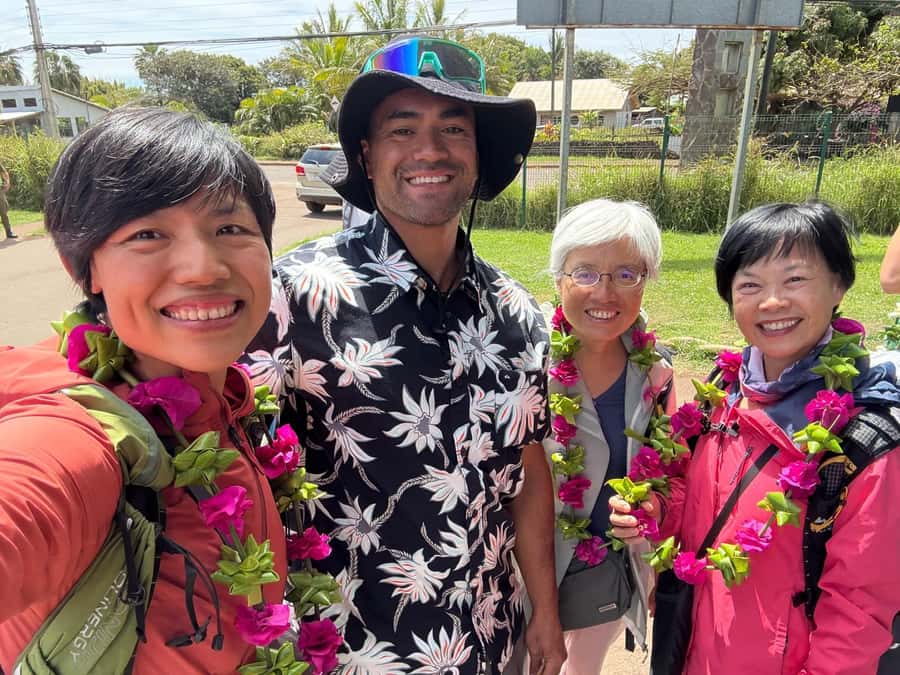
At $177 per person, this package is priced as a sightseeing bundle rather than a single quick tour. You receive two half-day excursions and one full-day outing, with transport, hotel pickup and drop-off, and a live guide in English or Spanish. You also receive an airport welcome with a flower necklace, a small but pleasant touch after arriving in Hanga Roa.
I like the value if you want the main sights organized for you. Rapa Nui’s sites are spread around the island, and this plan removes the need to arrange separate transport for the southern, western, southeastern, and northeastern areas. It also places the major quarry and moai platforms into a sensible sequence.
The price is less attractive if you already have a rental car, want long stretches at each site, or prefer to set your own pace. The program moves through many locations, so this is designed for coverage. You will see a lot, but you should not expect extended quiet time at every platform.
You also need to add the national park admission fee, food, and drinks. Lunch is scheduled at a restaurant in front of Rano Raraku Quarry, but it is not included. Take water with you, and bring cash or another accepted payment method if needed, though the available details do not specify how the restaurant handles payment.
More Rapa Nui trips and moai walks:
- From Hanga Roa: Rapa Nui Culture Sightseeing Tour
★ 4.6 · 307 reviews - From Hanga Roa: Easter Island Highlights 2-Day Tour
★ 4.3 · 205 reviews - Full Day Tour in Rapa Nui
★ 4.5 · 122 reviews
First half-day: Orongo and the edge of Rano Kau
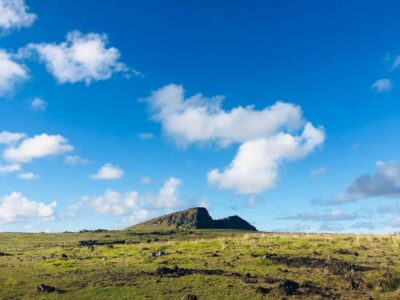
The southern peninsula outing begins with hotel pickup and heads to Orongo Ceremonial Village. The site sits at the edge of Rano Kau Crater, giving you two major points of interest in one stop: the stone ceremonial village and the huge volcanic crater beside it.
Orongo is one of the most atmospheric places on the island. Its position above the crater makes the setting as important as the remains themselves. You can look across the crater while learning about the ceremonial role of the village from your guide. This is a place where good explanation matters, since the meaning of the structures is not always obvious from the stones alone.
Rano Kau adds a strong visual pause. The crater gives you a broad view of volcanic terrain, while Orongo provides the cultural focus. Bring a hat and sunscreen because the supplied information specifically recommends outdoor protection, and you should not count on shade at open archaeological sites.
The same half-day includes Ahu Vinapu, another ceremonial site. The visit gives you a useful contrast with Orongo. Instead of focusing on a village set high beside a crater, Vinapu lets you examine a ceremonial platform and think about how moai sites were arranged across the island.
This first outing may feel less dramatic than the next day. There are no 15-moai platform or quarry reveal here, so expectations matter. Still, the crater and ceremonial sites give you an important introduction to Rapa Nui’s religious and architectural world.
Second half-day: Puna Pau, Ahu Akivi, and Tahai
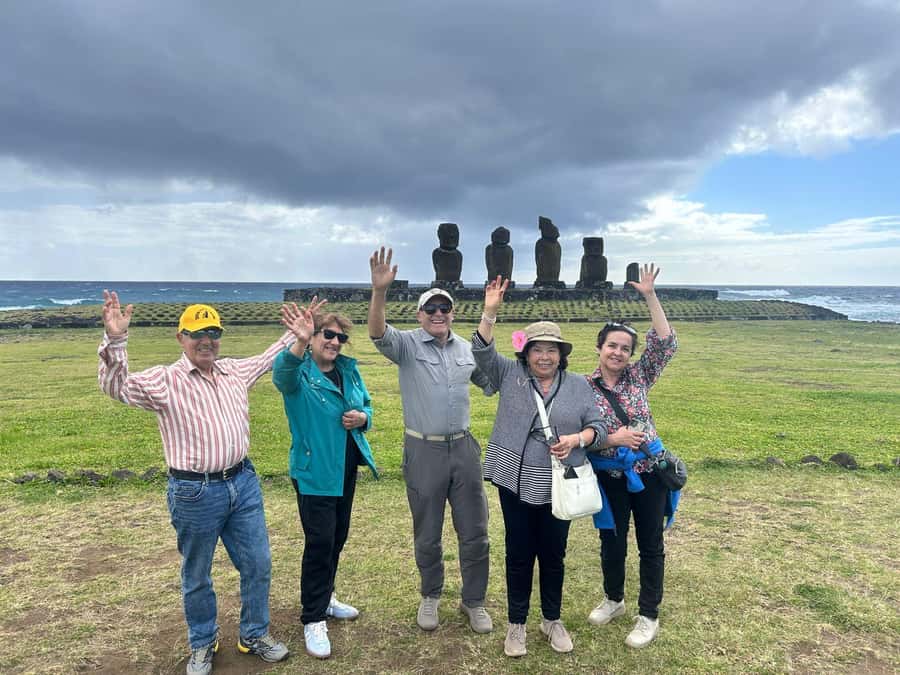
The afternoon trip moves toward the northwest and begins at Puna Pau Quarry. This is where the islanders obtained the stone used for the moai headdresses. The stop helps answer a question that often gets overlooked: the statues and their headpieces did not necessarily come from the same source.
Puna Pau is valuable because it shows that moai construction was not a single-site process. You are looking at the supply point for one distinctive part of the statues, then later seeing the finished monuments at other ceremonial platforms. That connection makes the later visits more meaningful.
Next comes Ahu Akivi, where seven moai are arranged on a ceremonial platform. The group of seven gives you a clean, focused moai stop. Compared with a large site such as Tongariki, Akivi is less about sheer numbers and more about seeing a complete row of statues in a different setting.
The outing finishes at Tahai Village. Tahai is another important ceremonial area and a useful final stop for the half-day schedule. It keeps the afternoon centered on moai and ceremonial platforms rather than adding another unrelated attraction.
This is the quieter half-day of the package, and the available feedback makes that point clear. The route itself may not feel as powerful as the full-day outing, but an engaging guide can make the difference. Guide Uca has been praised for keeping the group interested and explaining in both English and Spanish. If you are assigned Uca, expect careful handling of a bilingual group.
The full-day route begins at Vaihu and Akahanga
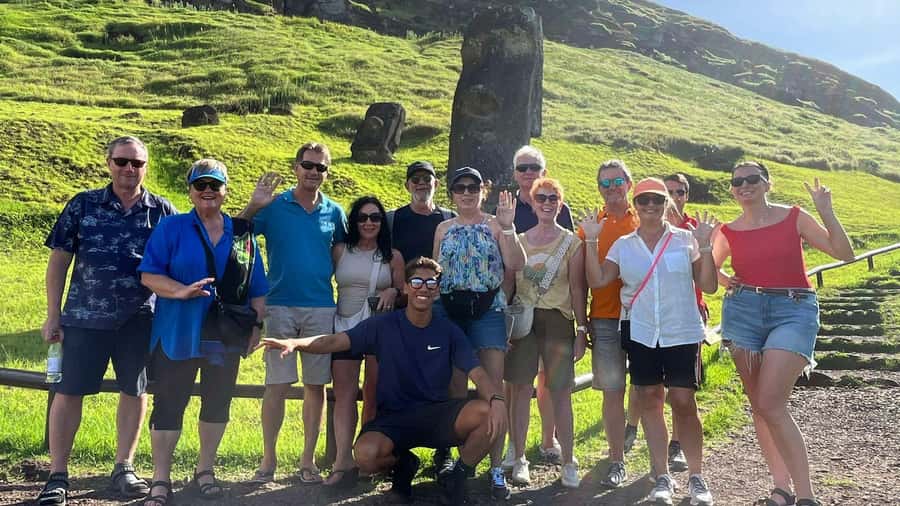
The second day covers the southeastern and northeastern parts of Rapa Nui. It starts at the Vaihu Complex, then continues to Akahanga Village.
These early stops provide important context because not every moai on Rapa Nui remains upright. At Akahanga, you see the place associated with the entombment of the island’s first king. The visit links the statues and platforms to people, leadership, and ceremony rather than treating them as isolated stone objects.
I appreciate having these sites early in the day. They prepare you for Rano Raraku, where the scale of statue production becomes easier to understand. At the same time, you should know that the route includes several archaeological stops before reaching the day’s biggest sights. If you prefer a quick trip straight to the most famous moai, this may feel slow.
Wear comfortable shoes. The program asks you to bring them, along with outdoor clothing and breathable layers. Exact walking distances are not provided, but this is an outdoor day involving quarries, ceremonial sites, and a beach, so practical clothing is more useful than anything stylish.
Still Chile, but an entirely different landscape:
- 2-Day Private Tour Easter Island Highlights Complete Discovery
★ 5.0 · 110 reviews - Private Full-Day Easter Island Highlights North and West
★ 5.0 · 84 reviews - From Hanga Roa: Journey from Orongo to Ana Te Pahu
★ 4.3 · 75 reviews - Journey of the Ancestors: Tongariki, Rano Raraku & Anakena Beach
★ 4.5 · 70 reviews
Rano Raraku reveals where most moai began
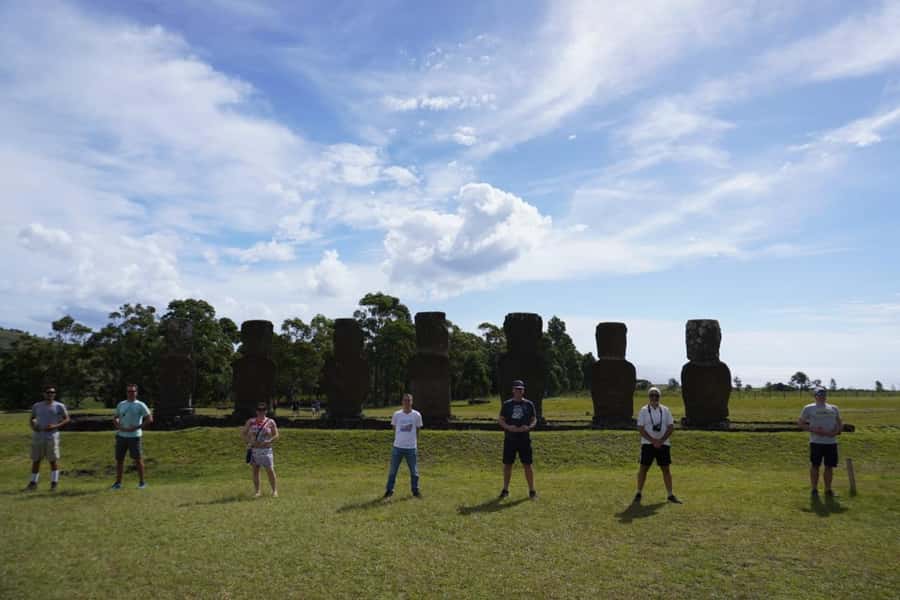
Rano Raraku Quarry is the centerpiece of the full-day excursion. This is the source of most of the stone used for the island’s statues, and it changes how you understand the moai. Instead of seeing only completed figures on ceremonial platforms, you see the production site behind them.
The quarry gives the tour its strongest sense of scale. The statues were not simply placed around the island as independent works. They were shaped from stone, moved, and erected elsewhere. A guide can connect those stages for you, which is why the live commentary adds real value here.
Lunch takes place at a restaurant directly in front of the quarry. That location is convenient because it breaks up the day without sending you far from the route. Food and drinks are not included, so plan to pay separately and bring water.
Rano Raraku is also where the full-day program may feel most rewarding for people with a strong interest in archaeology. You get more than a photo stop. The quarry helps you see the island’s moai as part of a large, organized undertaking.
Ahu Tongariki and its 15 restored moai
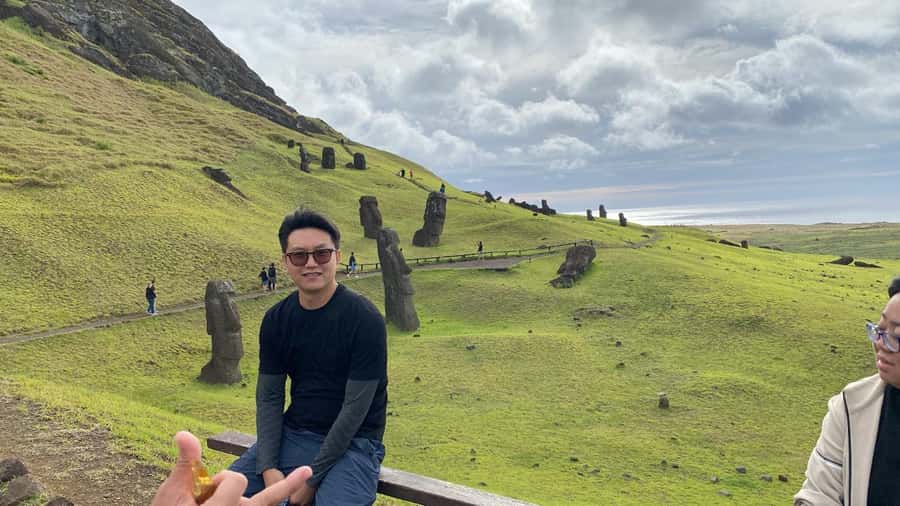
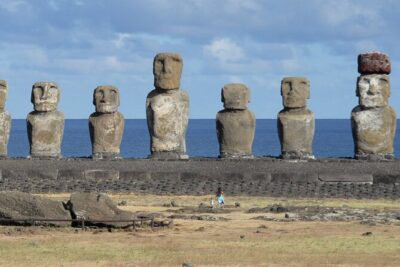
After lunch, the bus stops at Ahu Tongariki. Fifteen moai line the ceremonial platform, making this one of the most visually powerful stops in the program.
Tongariki offers the kind of sight that needs little explanation at first. The row of statues gives you a clear sense of scale and unity, while the open setting lets you take in the whole platform. Your guide can then add the details that a quick photograph misses.
The site includes the heaviest statue ever erected on the island. That detail gives you a useful reason to look closely at the differences among the figures rather than treating the row as one repeated shape.
This is the stop where you will most want your camera, which is listed among the recommended items. You should also use the time to observe the arrangement of the statues and the platform itself. The program visits many sites, but Tongariki deserves a slower look if the schedule allows.
Te Pito Kura and the largest planned moai
Te Pito Kura follows Tongariki. Here, you can see the largest moai ever built, measuring 10 meters tall.
That statistic makes Te Pito Kura distinct from Tongariki. Tongariki impresses through its group of 15 standing figures, while Te Pito Kura focuses attention on one enormous statue and the ambition behind it. Seeing both in the same day gives you a useful comparison between collective impact and individual size.
The supplied details do not state how long you spend at each archaeological stop, so keep your expectations flexible. A full-day tour with this many locations must keep moving. If you want long periods of silent viewing, a private arrangement may suit you better, but this package is stronger for seeing the major sites efficiently.
Anakena Beach provides a welcome final hour
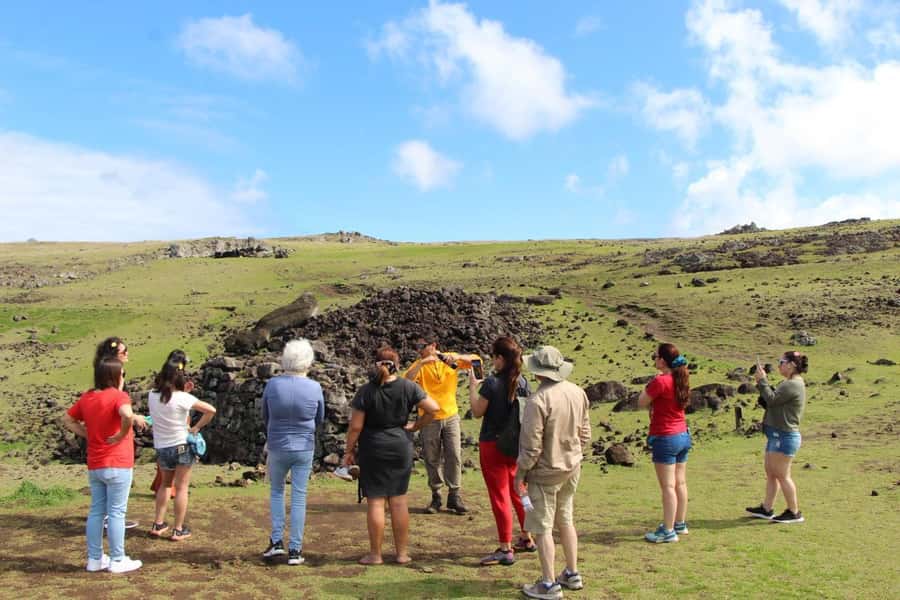
The day ends with one hour of free time at Anakena Beach. White sand and palm trees make this a sharp change from the stone platforms and volcanic sites visited earlier.
Bring your towel, beachwear, sunscreen, and water. These items are specifically recommended, and they are practical here rather than just packing-list filler. An hour is long enough for a short swim or a calm break if conditions suit you, but it is not a full beach day.
Anakena also keeps the tour from becoming an all-archaeology marathon. After the quarry and moai platforms, the beach gives your eyes and feet a rest. I consider this a smart ending, especially on a full-day route.
The beach stop does require some planning. You need to change or manage wet clothing for the return journey, and the information does not say whether changing facilities are available. Keep your belongings simple and pack only what you need for the outing.
Transport, guides, and the schedule
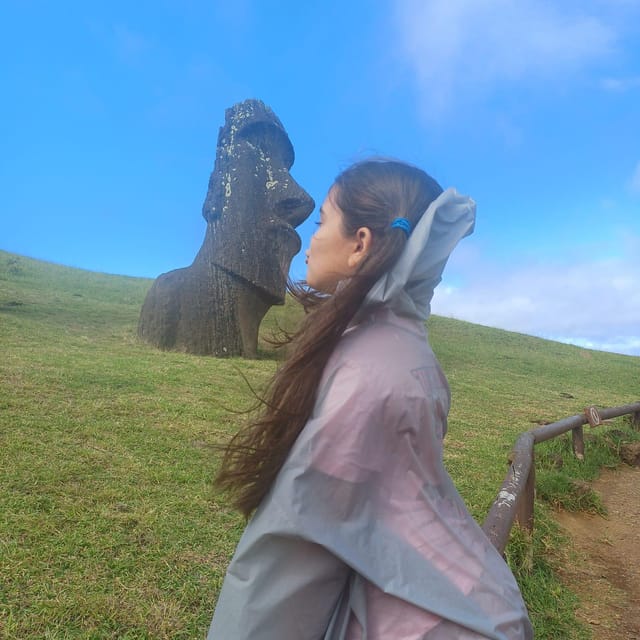
Pickup and drop-off are included from your hotel, with boarding outside the property. The listed pickup location is Hanga Roa, and the tour returns there. This is useful if you want to avoid arranging transport to scattered meeting points.
A live guide provides commentary in English or Spanish. The bilingual format can work well, but explanations may take longer when information is repeated in two languages. Guide Uca is specifically associated with professional service and keeping a bilingual group engaged.
One practical issue needs attention before booking. The activity is described as valid for six hours from first activation, yet the schedule includes two half-day tours and one full-day excursion over what is presented as a two-day plan. That wording may refer to booking or activation conditions rather than the total sightseeing time, but the available information does not explain it. Ask Aku Aku Turismo to confirm the exact scheduling and validity rules before you commit.
The tour is not suitable for wheelchair users. You should also avoid smoking, alcohol, and drugs during the experience. Free cancellation is available up to 24 hours in advance for a full refund, and you can reserve now and pay later, which helps if your island plans are still shifting.
Who will get the most from this package
I would choose this tour if you have limited time on Rapa Nui and want the major sites arranged in advance. It suits first-time visitors, solo visitors who want included transport, and anyone who values a guide’s explanations at places such as Orongo and Rano Raraku.
It also works well if you want a broad introduction rather than one highly focused archaeological visit. The package covers volcanic scenery, ceremonial villages, quarry sites, moai platforms, and a beach. That range gives you a better feel for the island than visiting only one famous platform.
You may want another option if you need wheelchair access, dislike group schedules, or want to linger at each site. You should also compare the final cost after adding the national park ticket, meals, and drinks.
Should you book the three-excursion package?
Book it if you want efficient coverage of Rapa Nui’s essential sights, especially Rano Raraku, Ahu Tongariki, and Anakena Beach. The strongest value comes from combining transport and guiding across three outings, with the full-day route providing the most memorable sequence.
The main cautions are the excluded park ticket and food, the outdoor nature of every stop, and the unclear six-hour validity wording. Confirm that point before booking. If the schedule fits your stay, $177 is a reasonable price for a guided introduction to the island’s major moai sites, with the excellent full-day excursion carrying much of the package’s appeal.
FAQ
What is included in the Rapa Nui excursion package?
The package includes two half-day tours, one full-day tour, hotel pickup and drop-off, transportation, an English or Spanish-speaking guide, and airport reception with a flower necklace.
Is the national park ticket included?
No. The national park ticket is not included in the price and must be arranged separately.
Are food and drinks included?
No. Food and drinks are not included. Lunch is planned at a restaurant in front of Rano Raraku Quarry.
Where does the tour pick up passengers?
Pickup is included from your hotel. You board the bus outside your hotel in Hanga Roa.
Which moai sites does the tour visit?
The program includes Ahu Akivi, Tahai Village, Ahu Tongariki, and Te Pito Kura, along with quarry and ceremonial sites connected to moai production and worship.
Does the tour visit Rano Kau Crater?
Yes. The first half-day includes Orongo Ceremonial Village, which is located at the edge of Rano Kau Crater.
How long is the beach stop at Anakena?
You receive one hour of free time at Anakena Beach.
What languages are available for the guided tour?
The live guide service is available in English and Spanish.
Is the tour wheelchair accessible?
No. The experience is listed as unsuitable for wheelchair users.
Just added around Hanga Roa
- Volcanic Refuges: Excursion to Underground Civilization★ 4.7 · 8 reviews
- Easter Island Ancestral Dinner and Show with Transport★ 4.5 · 2 reviews
- Volcanic Wonders and the Kingdom of the Birdman: Half Day★ 5.0 · 6 reviews
- Half Day Private Tour: Caves and Volcanic Refuges★ 4.0 · 14 reviews
- Tour to the Motus: Boat trip and snorkeling in Rapa Nui★ 5.0 · 8 reviews
- Birdman Ceremonial Route: Orongo, Ranu Kau Half-Day Tour★ 4.5 · 16 reviews
- Visit Rapa Nui in 4 days with 3 Tours and Accommodation included★ 4.0 · 2 reviews
- Private Tour: Tongariki Sunrise Experience★ 4.5 · 20 reviews
Easter Island Tours, compared.
Two days of Full Day Tour of Rapa Nui + Sunrise in Tongariki
Read our review →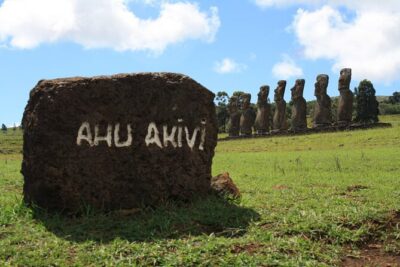
2-Day Private Tour Easter Island Highlights Complete Discovery
Read our review →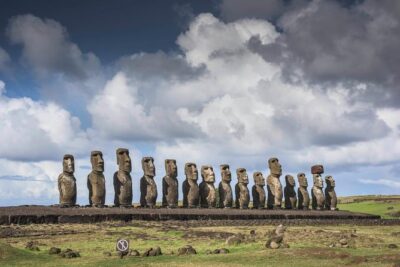
Private Tour: Full Day Easter Island Highlights
Read our review →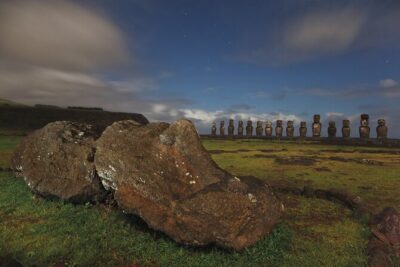
Browse the lists this tour appears in