
Reviewed · EASTER ISLAND TOURS
Journey of the Ancestors: Tongariki, Rano Raraku & Anakena Beach
Moai make Easter Island unforgettable. This full-day outing links Ahu Tongariki, Rano Raraku, and Anakena Beach with hotel pickup, lunch, and a guide who explains the people and beliefs behind the stone figures. I like the efficient route and the chance to see both the great ceremonial sites and a white-sand beach. The main caution is that guide quality and vehicle comfort can vary, and the National Park fee costs extra.
The tour is especially useful if you have only one full day for Rapa Nui’s major sights. I also like that the group is capped at 16, though some departures are much smaller. If you want long, quiet walks at every site, this may feel a little brisk.
In This Review
- Key points to know before you book
- Why this eight-hour route works well
- Ahu Akahanga and the first look at ancestral Rapa Nui
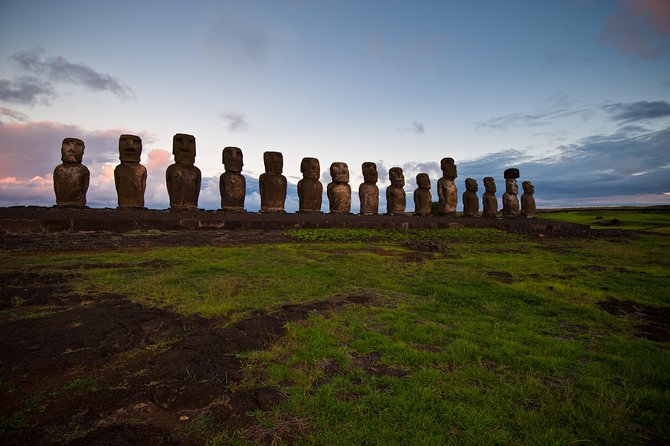
- Ahu Tongariki and fifteen moai facing inland
- Rano Raraku, where the moai were made
- Lunch with a view and a useful midday break
- Ahu Te Pito Kura and the largest fallen moai
- Anakena Beach, an easy finish after the ruins
- Guides, translation, and the group experience
- Price, park fees, and what the day is really worth
- Who should book this Rapa Nui day tour?
- Should you book it?
- FAQ
- How long does the tour last?
- Is hotel pickup included?
- Is lunch included?
- Is the Rapa Nui National Park fee included?
- How long is the park pass valid?
- Can cruise passengers join this tour?
- How many people can join the tour?
- Do I need to bring swimwear?
- Can the tour be canceled because of weather?
Key points to know before you book
- Tongariki’s 15 moai provide the day’s grandest group view, with a clear story about the 1960 tsunami and the site’s restoration.
- Rano Raraku is the essential stop, where hundreds of unfinished statues remain in and around the volcanic quarry.
- Anakena Beach adds swimming and rest after a demanding archaeological day.
- Lunch is included, with chicken, fish, meat, salad, rice, fruit, water, and a vegetarian option by request.
- The Rapa Nui National Park fee is not included, and it costs USD 100 per person.
- Comfort depends on the van and guide, with many strong reports about friendly bilingual guides but some complaints about limited English translation and older vehicles.
Why this eight-hour route works well
Rapa Nui is small enough to tour by road in a day, but its major sites are spread around the coast and inland hills. This outing gives you a practical sweep of the island’s most important moai locations without asking you to arrange several separate rides.
Pickup is around 9:00 a.m. from your Hanga Roa hotel. You ride in an air-conditioned minivan, usually with a mixed Spanish and English-speaking group. The maximum group size is 16, but some departures have been as small as six people or fewer.
I like the structure: a major ceremonial platform first, the quarry when you still have energy for walking, lunch near the archaeological area, and then Anakena for a slower finish. The day runs about eight hours, often returning around late afternoon.
The guide is a major part of the value. Guides named in past departures include Jose, Hugo, Javi, Uka, Ora, Jaime, Miguel, Daniela, Vincent, and Daniella. Several were praised for making the history easier to understand and for answering questions about Rapa Nui customs. Javi, for example, was praised for explaining in both Spanish and English and for sharing his obvious love of the island.
That said, bilingual guiding is not always equal. Some English-speaking customers found that long answers in Spanish were shortened or skipped in English. If historical explanation is your main reason for booking, confirm the language arrangement when you reserve.
More Rapa Nui trips and moai walks:
- From Hanga Roa: Rapa Nui Culture Sightseeing Tour
★ 4.6 · 307 reviews - From Hanga Roa: Easter Island Highlights 2-Day Tour
★ 4.3 · 205 reviews - Full Day Tour in Rapa Nui
★ 4.5 · 122 reviews
Ahu Akahanga and the first look at ancestral Rapa Nui
The route begins with Ahu Akahanga, a coastal ceremonial site connected in local tradition with King Hoto Matu’a, the founding ancestor of the Rapa Nui people. The site includes a large stone platform and around a dozen fallen moai.
Fallen statues can seem less dramatic than the upright line at Tongariki, but Akahanga helps you understand that these places were not simply sculpture parks. The ahu, or ceremonial platform, was tied to family ancestry, status, and spiritual protection. Your guide can give meaning to the scattered stones and explain the traditional stories linked to the area.
This is also a useful introduction to the island’s difficult past. Many moai were toppled during periods of conflict, and the broken arrangement at Akahanga gives you a different picture from the polished postcard view.
The site may require walking over uneven ground. Wear shoes with a firm sole, especially if recent rain has made the paths slippery. There are toilet stops during the day, including at two of the main sites, but this is not a city-style sightseeing circuit with facilities at every turn.
Ahu Tongariki and fifteen moai facing inland
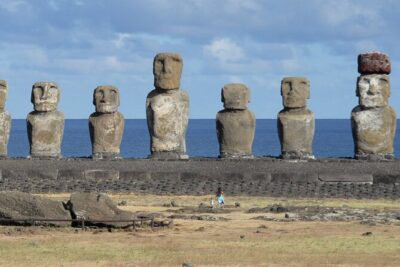
Ahu Tongariki is the visual centerpiece of the day. Fifteen moai line the restored ceremonial platform, each with its own shape and expression. The scale is hard to grasp in photographs, particularly when you see people standing well below the statues.
Your guide explains that these figures represented ancestors who watched over and guided their communities. The statues were not placed to face the sea. Their position reflects their relationship with the people and settlements inland.
Tongariki also carries a modern story. A tsunami in 1960 swept the moai inland and badly damaged the site. The restoration took years and involved international help, including Japanese support. Knowing this makes the orderly row more impressive, because what you see is not untouched antiquity. It is a careful reconstruction of a sacred place after a natural disaster.
You have about an hour here. That is enough time for photographs and a guided explanation, but it may not satisfy you if you want to linger in silence or study each statue closely. Several tour groups often arrive at about the same time, so the platform can feel busy and getting a clear photograph may take patience.
Rano Raraku, where the moai were made
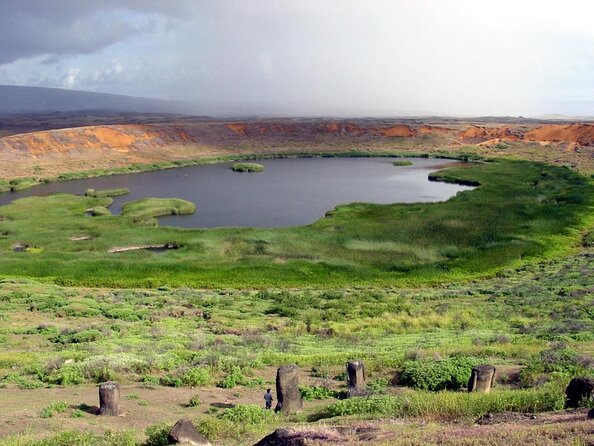
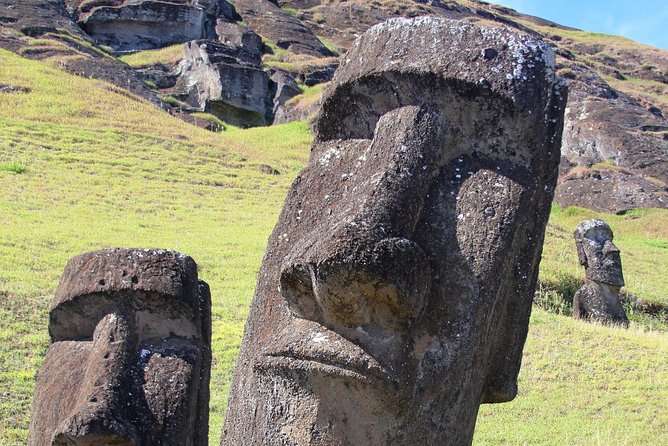
Rano Raraku is the stop that best explains how the moai came into being. This volcanic quarry supplied the soft tuff used for most of the statues. More than 300 figures remain around the slopes, in different stages of carving and transport.
Here you see heads rising from the earth, but many are not just heads. Their bodies continue below the surface, covered by soil and volcanic material that built up over centuries. Other figures remain attached to the quarry wall, showing the point at which the carvers stopped work.
The walk is rewarding but not effortless. The route includes climbing and rocky ground, so this is the part of the day that demands the most from your legs. A guide can point out tool marks, unfinished forms, and the practical problem of moving a statue from the quarry to a distant ahu.
Allow about two and a half hours in this area, including lunch. That is the longest visit of the day, and rightly so. Rano Raraku is not something you understand from a single viewpoint. You need time to walk uphill, look back toward the coast, and notice how many unfinished figures remain scattered across the slopes.
Some customers felt the pace was too slow, while others wanted even more time at the quarry. Your experience will depend on the group and the guide. If you are particularly interested in archaeology, stay close during the explanation but use your free time for the walk rather than spending the whole stop taking photos near the entrance.
Still Chile, but an entirely different landscape:
- 2-Day Private Tour Easter Island Highlights Complete Discovery
★ 5.0 · 110 reviews - Private Full-Day Easter Island Highlights North and West
★ 5.0 · 84 reviews - From Hanga Roa: Journey from Orongo to Ana Te Pahu
★ 4.3 · 75 reviews - Full Day Private Tour: Factory of the Moai the stone giants
★ 4.5 · 63 reviews
Lunch with a view and a useful midday break
Lunch is served at a nearby camping area or grassy setting. The meal generally includes grilled chicken, fish or another meat, salad, rice, fruit, and water. A vegetarian meal can be arranged if you request it when booking.
The food received especially warm praise, with descriptions of a generous meal and options such as beef, chicken, or salmon. It is more substantial than the usual boxed sandwich, which matters on a full day outdoors.
Lunch also gives you a proper pause between the quarry walk and the afternoon stops. You may have a view toward the moai on the hillside, depending on the exact location and weather.
One practical point needs clearing up: lunch is included in the supplied tour details, but at least one customer was unsure because the inclusion was not clearly understood before departure. I would confirm the meal and any dietary request in advance.
Water is listed with lunch, but bottled water was not always available in the van according to one complaint. Bring your own refillable bottle. On Rapa Nui, a little planning makes the day more comfortable.
Ahu Te Pito Kura and the largest fallen moai
The route also includes Ahu Te Pito Kura, home to Paro, described as the largest moai ever erected. The statue measures about 33 feet, or 9.8 meters, and weighs roughly 82 tons, or 74 metric tons.
Paro is no longer standing. Seeing this enormous figure lying near the platform gives you a strong sense of the engineering challenge involved in carving and moving the moai. It also helps explain why the quarry stop matters. These were not small garden statues. They were huge political and spiritual works that required organized labor.
Nearby is a rounded stone associated with the phrase navel of the world. The guide explains its place in Rapa Nui tradition and draws attention to its unusual appearance. This is a short stop, but it adds another layer to the island’s beliefs and stories.
The exact order of the stops can change. Weather, road conditions, and the pace of the group may affect the schedule, so do not expect every departure to follow the same minute-by-minute pattern.
Anakena Beach, an easy finish after the ruins
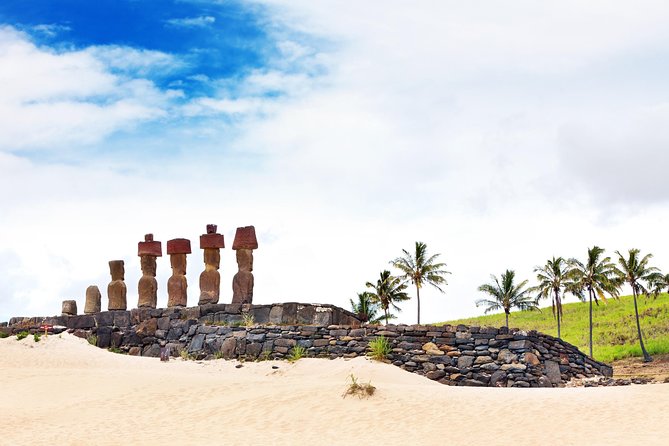
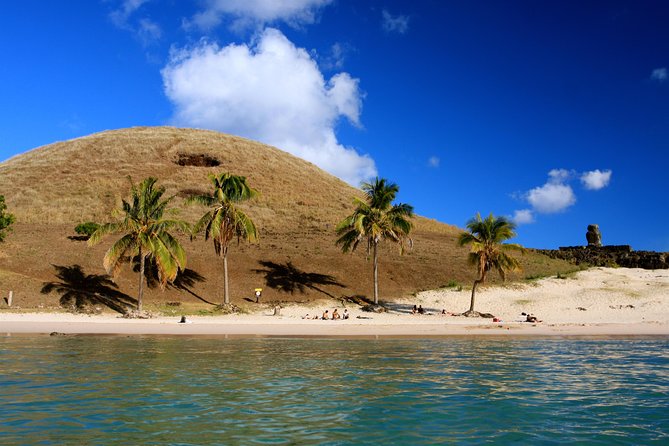
Anakena is one of Rapa Nui’s few white-sand beaches, and it feels very different from the rugged volcanic coast. Palm trees, red volcanic rock, clear water, and pale sand make this a welcome change after hours among stone platforms.
The place also matters culturally. Anakena is linked with some of the earliest Polynesian settlement on Rapa Nui and with the island’s founding traditions. You get history and a chance to relax in the same stop.
Plan on roughly 30 minutes to two hours here, depending on the schedule used for your departure. The shorter estimate allows time for a quick swim or stroll, while the longer stop gives you room to sit by the water.
Bring a bathing suit, towel, sunglasses, and sunscreen. Swimming is allowed, but weather can change the appeal of the beach quickly. In rain or cool conditions, the long beach stop may feel less useful, especially after lunch. In good weather, it is one of the nicest ways to end the day.
Guides, translation, and the group experience
The strongest part of this tour is usually the human one. Guides such as Hugo, Uka, Daniela, Ora, and Javi were praised for being friendly, patient, and good at connecting the moai with Rapa Nui culture rather than presenting them as isolated objects.
A strong guide makes a real difference at sites like Rano Raraku. Without context, you see unfinished stone figures. With a clear explanation, you begin to understand the quarry as a workshop, sacred place, and record of a society’s ambitions.
The tour is not private. You may share the minivan with up to 15 other people, and the guide must keep the group moving. That can limit spontaneous detours or long personal stops. Some departures feel intimate in a small eight-seat van, while others are more crowded.
English service is worth special attention. Several guides gave explanations in both languages, and one English-speaking customer described the communication as good. Others felt excluded when Spanish explanations were much longer. If you do not speak Spanish, ask for a confirmed English-speaking guide and make sure questions will be translated fully.
Price, park fees, and what the day is really worth
The tour costs $142 per person, before the Rapa Nui National Park entrance fee. That park pass costs USD 100 and is valid for 10 consecutive days from the purchase date. You can buy it at the CONAF office inside Mataveri Airport or online through the official website.
That makes the total outlay much higher than the advertised tour price alone. The fee is not optional if you plan to visit the archaeological sites, so include it when comparing tours.
Still, the tour can be good value if you have only one day. You receive hotel pickup and return, transport, a guide, lunch, and access to a route covering several major sites. Organizing the same number of locations independently could be difficult, particularly if you are unfamiliar with the island’s roads and park rules.
The value drops if you are staying several days and want detailed time at each site. A two-day plan may suit you better, especially if you care more about quiet observation than checking off the main locations.
Vehicle comfort is another variable. One departure used an older van with weak or absent air conditioning, no interior lights, and no charging points, while other customers found the transport comfortable. Bring a phone battery pack and water, and treat the minivan as practical island transport rather than luxury touring.
Who should book this Rapa Nui day tour?
I would choose this tour if you want a broad first look at Easter Island and prefer having transport, lunch, and interpretation handled for you. It suits couples, solo visitors, and families with older children who can manage climbing and rocky paths.
It is also a good match for anyone who has only one full day. Tongariki, Rano Raraku, Te Pito Kura, Akahanga, and Anakena cover a lot of ground and show different sides of the island.
You may want another option if you need a guaranteed high level of English, dislike group schedules, or want to spend hours at one site. Cruise passengers cannot use this excursion because pier pickup is not available. Children must be accompanied by an adult.
Weather matters. The tour can be changed or canceled in poor conditions, with another date or a full refund offered if the operator cancels. You can cancel for a full refund up to 24 hours before the start time.
Should you book it?
Book it if your priority is seeing Rapa Nui’s major moai sites in one organized day, with lunch and a guide who can connect the stones to Rapa Nui ancestry and tradition. The quarry and Tongariki alone make the route worthwhile, while Anakena gives the day a pleasant change of pace.
Before paying, budget the extra USD 100 park fee, request a vegetarian meal if needed, confirm English guiding, and ask about the vehicle. If you can stay longer, consider spreading the sights over two days. If not, this is a sensible, high-value overview, provided you accept a group schedule and variable guide service.
FAQ
How long does the tour last?
The experience lasts about eight hours. Pickup begins around 9:00 a.m., with return to your Hanga Roa hotel later in the afternoon.
Is hotel pickup included?
Yes. Pickup and drop-off at Hanga Roa hotels are included.
Is lunch included?
Yes. Lunch includes chicken, fish or other meats, salad, rice, fruit, and water. A vegetarian option is available if requested when booking.
Is the Rapa Nui National Park fee included?
No. The entrance fee costs USD 100 per person and must be paid separately.
How long is the park pass valid?
The pass is valid for 10 consecutive days from the date of purchase.
Can cruise passengers join this tour?
No. Pier pickup is not available, so the tour is not suitable for passengers arriving by cruise ship.
How many people can join the tour?
The maximum group size is 16 people. Some departures may be much smaller.
Do I need to bring swimwear?
It is recommended. Bring a bathing suit, towel, sunglasses, and sunscreen for the Anakena Beach stop.
Can the tour be canceled because of weather?
Yes. If poor weather causes the operator to cancel, you can receive a different date or a full refund.
Just added around Hanga Roa
- Volcanic Refuges: Excursion to Underground Civilization★ 4.7 · 8 reviews
- Easter Island Ancestral Dinner and Show with Transport★ 4.5 · 2 reviews
- Volcanic Wonders and the Kingdom of the Birdman: Half Day★ 5.0 · 6 reviews
- Half Day Private Tour: Caves and Volcanic Refuges★ 4.0 · 14 reviews
- Tour to the Motus: Boat trip and snorkeling in Rapa Nui★ 5.0 · 8 reviews
- Birdman Ceremonial Route: Orongo, Ranu Kau Half-Day Tour★ 4.5 · 16 reviews
- Visit Rapa Nui in 4 days with 3 Tours and Accommodation included★ 4.0 · 2 reviews
- Private Tour: Tongariki Sunrise Experience★ 4.5 · 20 reviews
Easter Island Tours, compared.
Two days of Full Day Tour of Rapa Nui + Sunrise in Tongariki
Read our review →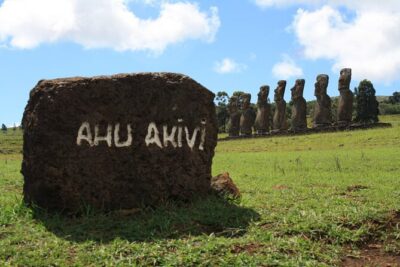
2-Day Private Tour Easter Island Highlights Complete Discovery
Read our review →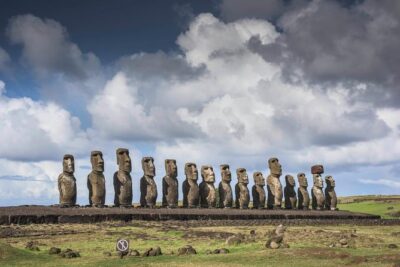
Private Tour: Full Day Easter Island Highlights
Read our review →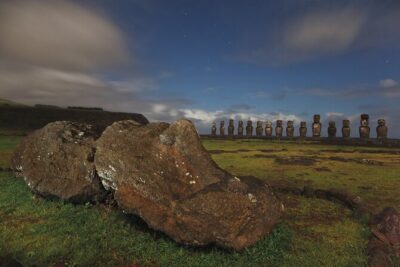
Browse the lists this tour appears in