
Reviewed · EASTER ISLAND TOURS
Full Day Hotu Matua Tour from Vaihu to Anakena
Moai, volcanoes, and one fine beach. This full-day route gives you Rapa Nui’s major east-coast sights in one efficient outing, from fallen statues at Vaihu to the fifteen moai at Tongariki and the quarry at Rano Raraku. I especially like the strong lineup of archaeological sites and the small-group format, which is advertised for no more than 10 people. The main tradeoff is time: with six major stops, road transfers, and hotel pickups, some parts can feel hurried.
The tour costs $70 per person, with transportation and a guide included. You will need to pay the separate national park admission, listed as CLP 20,000 for a Chilean adult. Guide quality can shape the day, so ask for clear English commentary if you need it. Guides named in past outings include Enrique, Gabriel, Enzo, and John, while one guest found Tavita’s storytelling limited.
In This Review
- Key points at a glance
- Why this east-coast route matters
- Vaihu: fallen moai beside the sea
- Akahanga: royal history and village ruins
- Rano Raraku: the quarry that explains the moai
- Ahu Tongariki: fifteen moai and the island’s great view
- Te Pito Kura: a famous fallen giant
- Anakena Beach: a welcome final hour and a half
- Timing, pickups, and the real shape of the day
- Guides and the value of good explanation
- Price, inclusions, and what you need to budget
- Weather, walking, and what to pack
- Who should book this tour?
- Should you book the Hotu Matua tour?
- FAQ
- How long does the Hotu Matua tour last?
- What sites are included?
- Is park admission included in the price?
- What is included in the $70 price?
- How many people can join the tour?
- Is the tour physically demanding?
- Can I cancel for a full refund?
Key points at a glance
- Six major sites in one day: Vaihu, Akahanga, Rano Raraku, Tongariki, Te Pito Kura, and Anakena.
- Rano Raraku is the centerpiece: You get about 90 minutes at the moai quarry and its crater lake.
- Tongariki delivers the big photo moment: Fifteen moai face the Pacific at the island’s largest ahu.
- Expect a long day on the road: The listed duration is 7 to 9 hours, including travel time.
- Timing can vary: Pickup delays have caused some outings to begin well after the scheduled 9:30 a.m. start.
- Bring water and rain protection: Refreshments are not included, and weather can change the feel of the whole day.
Why this east-coast route matters
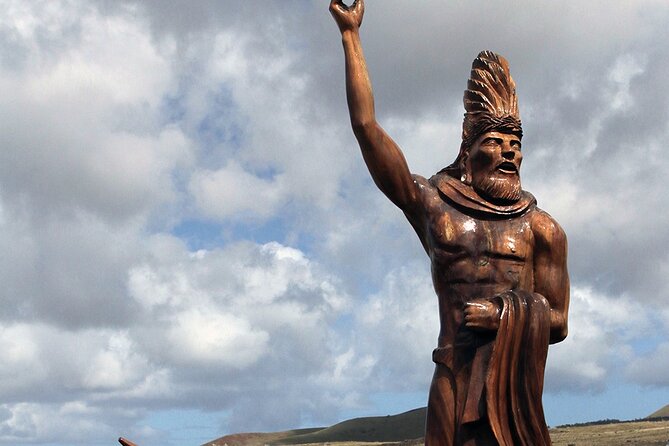
Rapa Nui is not a place where one viewpoint tells the whole story. The famous moai are spread across the island, and the sites on the eastern side are some distance from Hanga Roa. This tour makes that long trip manageable by joining the main stops into one loop.
I like the order because it builds from smaller ceremonial sites toward the island’s biggest sights. You begin with fallen moai and ruined village spaces, then reach the quarry where the statues were made. After that come Tongariki, Te Pito Kura, and Anakena, which gives the day a satisfying finish beside the sea.
The route also helps you see that the moai were not isolated statues placed at random. They belonged to ceremonial platforms called ahu, and they were tied to communities, ancestors, leadership, and local tradition. A good guide can make those links clear. A quiet guide may leave you looking at extraordinary ruins without enough context.
More Rapa Nui trips and moai walks:
- From Hanga Roa: Rapa Nui Culture Sightseeing Tour
★ 4.6 · 307 reviews - From Hanga Roa: Easter Island Highlights 2-Day Tour
★ 4.3 · 205 reviews - Full Day Tour in Rapa Nui
★ 4.5 · 122 reviews
Vaihu: fallen moai beside the sea
The first stop is Ahu Vaihu, where fallen moai lie among the remains of a ceremonial platform. You get about 45 minutes here, enough to walk around, take photographs, and listen to an introduction to the site.
Vaihu is a strong opening because it does not present the moai as polished museum pieces. The statues are down, weathered, and part of a wider archaeological setting. Ocean wind and open views give the stop a lonely, powerful mood.
The short visit is useful for orientation, but it is not generous. If your guide gives a long explanation, you may have little time left for quiet wandering. I would take a quick look at the whole site first, then return to the details that interest you most.
Akahanga: royal history and village ruins
At Ahu Akahanga, the tour gives you about an hour. The site includes a ceremonial platform associated with leaders and the remains of ancient dwellings. The advertised description refers to twelve moai, though the important point for you is the full archaeological setting, not simply counting statues.
This is one of the better stops for understanding daily life on Rapa Nui. You can move beyond the familiar image of a moai and see traces of the community that supported these monuments. Ruined house foundations help you picture how people organized their homes and sacred spaces.
Akahanga can feel less immediately dramatic than Tongariki or Rano Raraku. That is exactly why the guide matters here. Clear explanations turn scattered stones and fallen figures into a readable place. If the commentary is brief, use your time to ask direct questions about the ahu, the houses, and why the moai fell.
Rano Raraku: the quarry that explains the moai
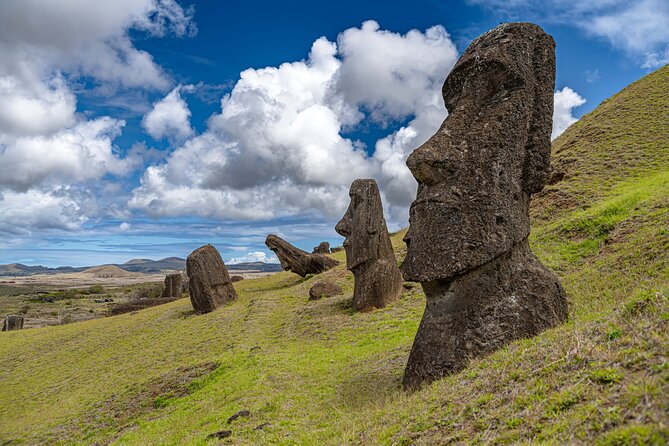
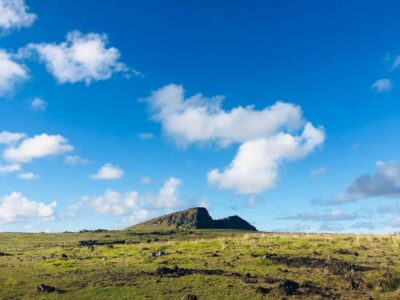
Rano Raraku receives the longest stop, about 90 minutes, and it deserves that time. This volcanic quarry is where much of the island’s moai production took place. More than 400 unfinished statues remain around the slopes, creating one of the most remarkable scenes on Rapa Nui.
This is the tour’s main educational moment. At other sites, you see completed statues placed on platforms. Here, you see figures still attached to the rock, partly finished, or left along the slopes. The unfinished forms make the carving process easier to understand, even if no guide could answer every question.
You also get views toward the crater lake. The combination of carved figures, volcanic rock, and wide Pacific scenery makes this a place where you will want both time and good weather.
Ninety minutes sounds generous, but it can pass quickly. The site involves walking on uneven ground, and the tour notes call for moderate physical fitness. Wear shoes that can handle rough paths, and do not assume every part of the quarry will be easy for everyone in your group.
This is also where weak storytelling can hurt most. Rano Raraku has enough visual power to impress you anyway, but a strong guide adds meaning: why statues were left unfinished, how the quarry connects to the ahu, and what the site reveals about Rapa Nui society. Guides Gabriel and Enzo received especially warm comments for clear, pleasant guiding, while other outings received less praise for explanation.
A few more Hanga Roa trips worth comparing side by side
- Private Full-Day Easter Island Highlights North and West
★ 5.0 · 84 reviews - Full Day Private Tour: Factory of the Moai the stone giants
★ 4.5 · 63 reviews - Private Easter Island Full-Day Tour
★ 5.0 · 61 reviews - Private Full-Day Easter Island Highlights South and East
★ 5.0 · 60 reviews
Ahu Tongariki: fifteen moai and the island’s great view
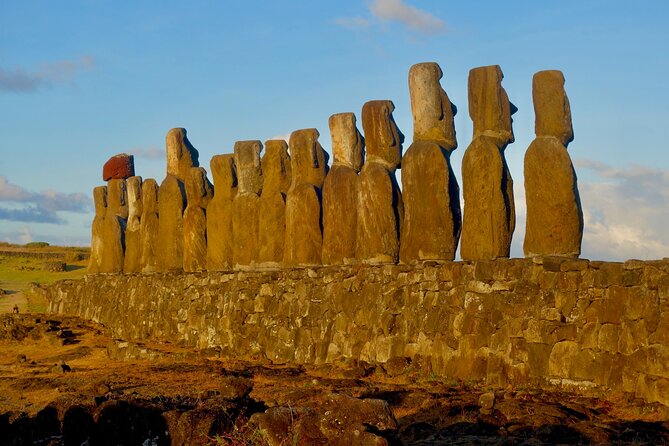
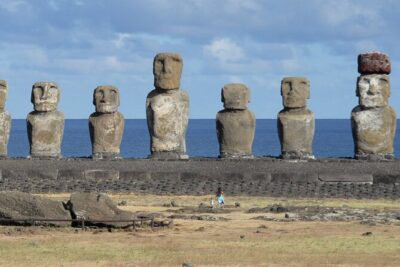
After the quarry, you reach Ahu Tongariki for about 45 minutes. Fifteen moai line the restored ceremonial platform, facing inland with the Pacific behind you. This is the image many people carry in their mind before arriving on Rapa Nui.
Tongariki is a visual payoff. The scale is easy to grasp, even if you know very little about the island. Look at the line of statues first, then step back and take in the platform, the coast, and the volcanic setting together.
Forty-five minutes is enough for photographs and a short explanation. It is not enough for a leisurely session if the group is large, the weather is poor, or you want to examine every statue. I would arrive ready to make choices. Get your wide shot early, then listen to the guide, then use the remaining time for closer views.
The timing can feel rushed on a busy day. One person specifically found it hard to take photographs and listen at the same time. You can avoid some frustration by taking a few quick photos before the main explanation begins.
Te Pito Kura: a famous fallen giant
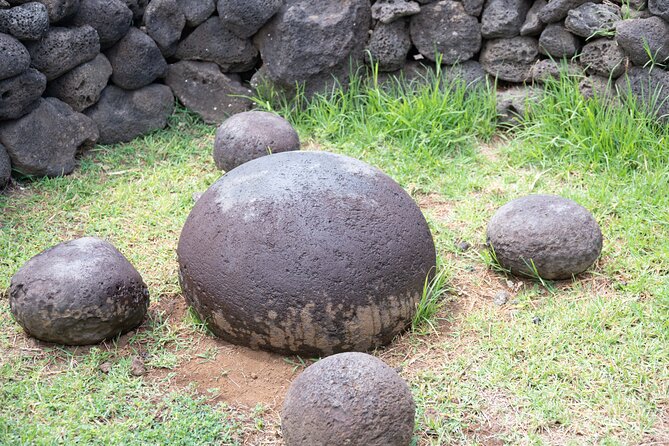
Ahu Te Pito Kura is a shorter stop of about 45 minutes. It is associated with the largest moai successfully moved and with a rounded stone known as the Navel of the World.
The site has a different mood from Tongariki. Instead of a complete row of upright figures, you encounter a fallen giant and the legends attached to the stone. The stop is valuable because it adds mystery and variety to the day.
At 45 minutes, the visit is fairly compact. You will have time to see the main features, hear the basic story, and take photographs. If your guide moves quickly, ask for the details you want rather than waiting for a long speech.
Anakena Beach: a welcome final hour and a half
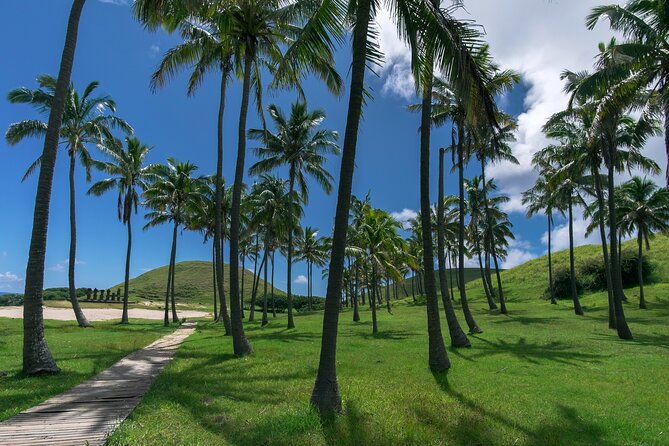
The final stop is Anakena, where the tour allows about 90 minutes. Palm trees, clear water, and a sandy beach make this a welcome change after a day of stone platforms and volcanic slopes.
I like ending here. The beach gives you room to slow down, reflect, and enjoy a different side of Rapa Nui. You may use the time for a swim, a walk, or a meal near the beach. Food is not included, and one outing specifically noted that there was no snack or water supplied, so bring your own water and plan your spending.
Do not treat Anakena as a guaranteed long beach break if the earlier schedule slips. Pickup delays, road transfers, and group coordination can reduce time at the end. If swimming matters most to you, keep an eye on the clock and ask the guide how much free time remains.
Timing, pickups, and the real shape of the day
The stated start time is 9:30 a.m., and the total duration is approximately 7 to 9 hours, including travel. In practice, pickup can take longer than expected. One account described a route where collecting participants took about an hour, with the main sightseeing beginning closer to 10:30 or 11 a.m.
That matters because the listed stop times add up to more than five hours, before road travel and hotel drop-offs. The day may feel full even when everything runs well. At the end, some of the remaining time can be spent returning people to their accommodations.
A separate account described a serious delay linked to rough sea conditions and cruise passengers. The agency eventually changed vehicles and guides, and the group received two extra sites as compensation. This is not a normal itinerary promise, but it shows why flexibility helps on a remote island.
I would keep the rest of your evening open. Do not schedule a tight dinner reservation, airport transfer, or another paid activity immediately after the tour.
Guides and the value of good explanation
The physical route is excellent, but the guide can make the difference between a good sightseeing day and a memorable one. Several guides have received strong praise. Enrique was described as friendly and highly recommended, Gabriel was praised for fluent English and smooth organization, and Enzo was called professional and pleasant. John also helped rescue a delayed outing with strong guiding.
The experience has not been perfectly consistent. One person found the guide too quiet and said he often waited for questions rather than offering information. Another found the English storytelling weak and felt that prior reading was necessary to understand the sites.
That variation is worth taking seriously. If you want archaeological detail, ask questions throughout the day. If you are not an English speaker, confirm your language needs before booking. One solo guest who was the only non-Spanish speaker still found fluent English support, so language service can work well, but it should not be assumed from every outing.
Price, inclusions, and what you need to budget
At $70 per person, this is a practical way to reach the island’s far-flung east-coast sites without arranging a private vehicle. Transportation and a guide are included, and the small advertised group size adds value for solo visitors and couples who do not want to pay private-tour prices.
The national park admission is extra. The listed Chilean adult price is CLP 20,000, so include that in your budget before deciding the tour is all-inclusive.
Food and drinks are not listed as included. Since one outing specifically noted no snack or water, I would carry water and a simple snack. You can use the Anakena stop to buy food, but the available time may depend on the day’s schedule.
The best value comes if you want to see the major sites efficiently. A private guide may be better if you want slower photography, detailed interpretation, or control over how long you spend at each location. The group tour costs less, but you give up some freedom.
Weather, walking, and what to pack
Rapa Nui weather can change the character of the tour. Heavy rain once affected the most important stops, leaving one person wet and disappointed despite still rating the route highly. In fair weather, the same sites can feel far more open and dramatic.
Pack light rain protection, sun protection, water, and sturdy walking shoes. You should be comfortable with moderate physical activity, uneven archaeological ground, and several hours of getting in and out of transportation.
Do not rely on perfect conditions for photographs. Tongariki, Rano Raraku, and Anakena are photogenic in any weather, but clouds and rain may limit views and reduce your time outdoors.
Who should book this tour?
I would recommend it to first-time visitors who want to cover the main east-side sights in one day. It is also a good fit for solo visitors, couples, and families who value simple transportation and a lower price over a custom schedule.
You should think twice if you dislike group timing or want long, quiet sessions at each site. The route is busy, and pickup delays can compress the sightseeing. A private guide makes more sense for serious photographers, archaeology fans, or anyone who wants extensive storytelling.
The tour also suits you if Anakena sounds like a good finish. That final beach stop gives the day a pleasant change of pace and keeps the experience from becoming six hours of similar ruins.
Should you book the Hotu Matua tour?
Book it if you want the essential Rapa Nui route at a reasonable price and can accept a full, structured day. Rano Raraku and Ahu Tongariki are the strongest reasons to go, while Vaihu, Akahanga, and Te Pito Kura add useful context and Anakena provides a relaxed finish.
Before paying, confirm the meeting instructions, language support, and current park admission. Bring water and rain gear, and leave your evening free in case pickups or returns run late. If you want the best possible interpretation or more time at each site, pay more for a private guide. Otherwise, this is an efficient and worthwhile introduction to the island’s major moai sites.
FAQ
How long does the Hotu Matua tour last?
The tour lasts approximately 7 to 9 hours, including travel time. The scheduled start time is 9:30 a.m.
What sites are included?
The route includes Ahu Vaihu, Ahu Akahanga, Rano Raraku, Ahu Tongariki, Ahu Te Pito Kura, and Anakena Beach.
Is park admission included in the price?
No. Admission is separate, and the listed price for a Chilean adult is CLP 20,000.
What is included in the $70 price?
The price includes transportation and a guide. Food, drinks, and park admission are not listed as included.
How many people can join the tour?
The activity is advertised for a maximum of 10 travelers. One past outing had about 12 people, so you may want to confirm the current group size when booking.
Is the tour physically demanding?
A moderate level of physical fitness is recommended. You will visit archaeological sites and may walk over uneven ground, especially around Rano Raraku.
Can I cancel for a full refund?
Yes. You can cancel at least 24 hours before the experience start time for a full refund. Cancellations or changes made less than 24 hours in advance are not accepted for a refund.
Just added around Hanga Roa
- Volcanic Refuges: Excursion to Underground Civilization★ 4.7 · 8 reviews
- Easter Island Ancestral Dinner and Show with Transport★ 4.5 · 2 reviews
- Volcanic Wonders and the Kingdom of the Birdman: Half Day★ 5.0 · 6 reviews
- Half Day Private Tour: Caves and Volcanic Refuges★ 4.0 · 14 reviews
- Tour to the Motus: Boat trip and snorkeling in Rapa Nui★ 5.0 · 8 reviews
- Birdman Ceremonial Route: Orongo, Ranu Kau Half-Day Tour★ 4.5 · 16 reviews
- Visit Rapa Nui in 4 days with 3 Tours and Accommodation included★ 4.0 · 2 reviews
- Private Tour: Tongariki Sunrise Experience★ 4.5 · 20 reviews
Easter Island Tours, compared.
Two days of Full Day Tour of Rapa Nui + Sunrise in Tongariki
Read our review →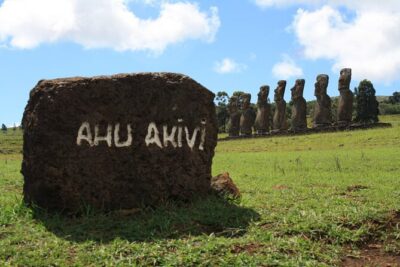
2-Day Private Tour Easter Island Highlights Complete Discovery
Read our review →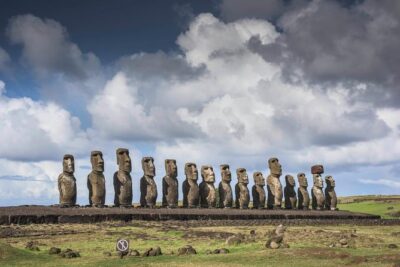
Private Tour: Full Day Easter Island Highlights
Read our review →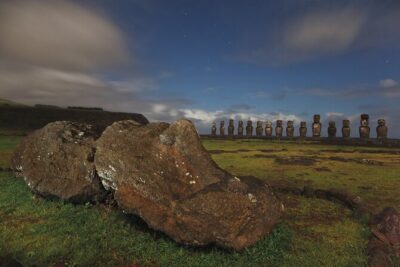
Browse the lists this tour appears in