
Reviewed · EASTER ISLAND TOURS
Private Easter Island Full-Day Tour
Easter Island rewards a guide who knows the story. This private tour packs Ana Kai Tangata, Rano Kau, Orongo, Vinapu, Puna Pau, Ahu Akivi, and Ana Te Pahu into about 6.5 to 7 hours, with hotel pickup and a flexible pace. I especially like the one-group format and the chance to hear local history from guides such as Patricio, Yoyo, Tuhii, and Mark.
I also like how the route mixes famous moai sites with caves, quarries, ceremonies, and dramatic volcanic views. The main drawback is cost: at $230 per person, plus the separate $80 national park pass and your own lunch, this is not a budget outing. Still, for two to six people splitting a private vehicle and guide, the price can make good sense.
This is a strong choice if you have only one full day in Hanga Roa and want the major sites explained rather than simply photographed. It is less appealing if you are arriving by cruise ship, watching every dollar, or hoping to linger for hours at one location.
In This Review
- Key Details Before You Book
- Why a Private Tour Works Well on Rapa Nui
- Ana Kai Tangata and the Island’s Harder Stories
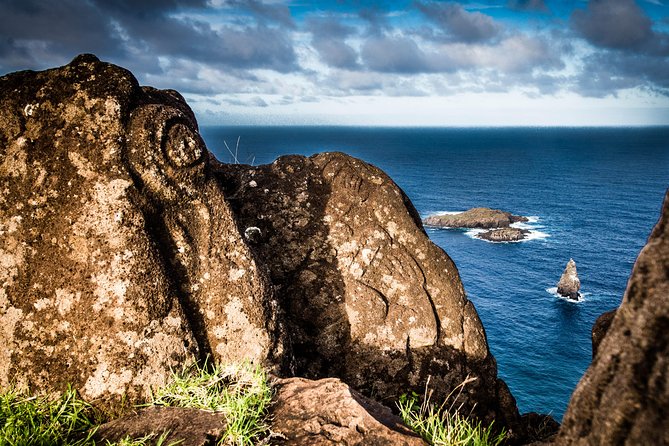
- Rano Kau’s Crater and Orongo’s Cliffside Ceremony
- Vinapu and the Island’s Precise Stonework
- Puna Pau, the Quarry for Red Topknots
- Ahu Akivi and Seven Statues Facing the Sea
- Ana Te Pahu and Life Inside Lava Tubes
- The Guide Makes or Breaks the Day
- Cost, Lunch, and the National Park Pass
- Timing, Fitness, and Cruise Ship Limits
- Who Should Book This Easter Island Tour?
- Should You Book It?
- FAQ
- How long does the private Easter Island tour last?
- Is hotel transportation included?
- How many people can join the private tour?
- Is the national park pass included?
- Is lunch included?
- What physical fitness level is required?
Key Details Before You Book
- Ana Kai Tangata combines cave art with a difficult chapter of island history, including the warfare period reflected in its name.
- Rano Kau and Orongo deliver the tour’s strongest views, from a volcanic crater lake to the cliffs used in the birdman competition.
- Puna Pau explains the red stone topknots fitted to the heads of many moai.
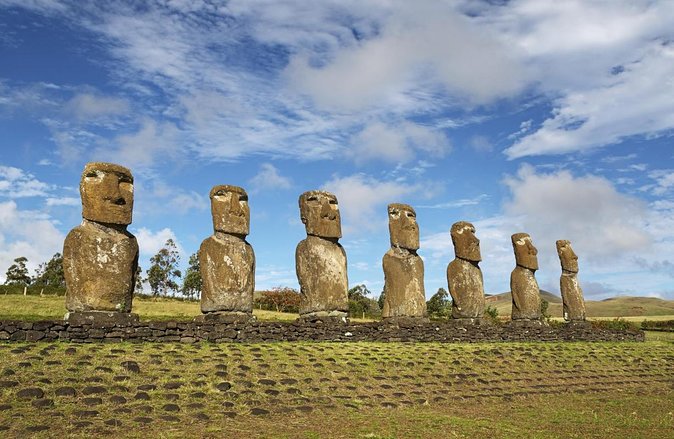
- Ahu Akivi is unusual because its seven statues face toward the sea, unlike most moai groups.
- Ana Te Pahu shows how lava tubes served practical purposes, including shelter, water collection, planting, and hiding.
- Private groups are limited to two to six people, with hotel transportation included but no cruise-port pickup.
Why a Private Tour Works Well on Rapa Nui
Easter Island is compact enough to cross by vehicle, but its sites make more sense when you understand the connections between them. A moai is not just a large stone figure. The quarry, transport methods, ceremonial platforms, tribal politics, and later conflicts all belong to the same story.
A private tour gives you room to ask questions and adjust the pace. If one site catches your interest, you can spend more time there than you might on a large bus tour. If you want to return later with a rental car, the guide can help you identify the places worth revisiting. That practical benefit came through clearly in the experience: one couple used the private outing to choose the best spots for a second visit by car.
The group limit is six people, and at least two people must book. For a couple, family, or small group of friends, the arrangement feels personal without requiring a full custom expedition. You are not waiting for dozens of people to gather before moving on.
The guides receive the strongest praise. Patricio was credited with bringing together archaeology, social connections, and the island’s past. Yoyo made the day both entertaining and informative. Tuhii answered questions carefully and shared information about Rapa Nui culture and people, while Mark was praised for his grasp of customs and for taking creative photos of the group.
Guide quality matters here. The stones do not explain themselves, and a good guide can turn a short stop into a memorable one.
More Private Tours in Easter Island
- 2-Day Private Tour Easter Island Highlights Complete Discovery
★ 5.0 · 110 reviews - Private Full-Day Easter Island Highlights North and West
★ 5.0 · 84 reviews - Full Day Private Tour: Factory of the Moai the stone giants
★ 4.5 · 63 reviews
Ana Kai Tangata and the Island’s Harder Stories
The tour begins with hotel pickup at the selected departure time, with the scheduled start listed as 9:30 a.m. The first stop, Ana Kai Tangata, is a cave known for paintings on its roof.
This is not just a quick scenic stop. The cave’s name refers to cannibalism during a period of warfare on the island, giving your guide a chance to explain some of the more painful parts of Rapa Nui history. The subject may be unsettling, but avoiding it would leave you with a polished and incomplete picture of the island.
The cave also sets the tone for the day. You are not only looking at monuments. You are hearing about survival, conflict, belief, and the way people used the island’s natural spaces.
Conditions inside or around a lava cave can make footing less predictable, so the stated requirement for moderate physical fitness is worth taking seriously. The tour is not presented as an extreme hike, but you should be comfortable walking at several outdoor sites.
Rano Kau’s Crater and Orongo’s Cliffside Ceremony
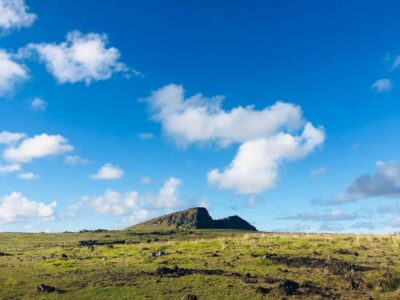
Rano Kau is one of the day’s visual highlights. The volcanic crater drops about 200 meters, or 656 feet, to a lake below, and the high viewpoint offers a broad view across Easter Island.
The crater is more than a photo stop. It shows the scale and force of the volcanic activity that shaped Rapa Nui. The lake below gives the crater a calm appearance, but the steep walls make the setting feel powerful.
From Rano Kau, the tour continues to Orongo, a ceremonial village tied to one of the island’s most remarkable political contests. During the 18th and 19th centuries, different tribes competed each year to determine the island’s next leader.
The contest was no simple election. Competitors climbed down the sea cliffs, swam to offshore islets, and returned with the required proof of success. The ceremony connected physical endurance, religious belief, tribal authority, and political power.
I find this stop especially valuable because it explains how leadership worked in a changing society. You are looking at a beautiful coastal setting, but the place also carries the pressure of a dangerous competition. The cliffs are part of the story, not just a dramatic backdrop.
Plan for open viewpoints and walking here. You may appreciate having a private guide because the details of the competition can be easy to lose in a quick group presentation.
Vinapu and the Island’s Precise Stonework
Vinapu adds a different kind of mystery to the day. Here you see carefully arranged stonework that has been compared with construction associated with the Inca civilization of South America.
The important point is not to force a simple answer about contact between cultures. Instead, look closely at the quality of the work and ask how Rapa Nui builders shaped and fitted heavy volcanic stones. The site gives you a useful reminder that the island’s people developed impressive engineering skills in isolation from the large mainland societies familiar to many visitors.
This is one place where a guide can help you notice details you might otherwise pass by. The private format also means you can ask about the construction rather than moving along as soon as the standard explanation ends.
More Rapa Nui trips and moai walks:
- From Hanga Roa: Rapa Nui Culture Sightseeing Tour
★ 4.6 · 307 reviews - From Hanga Roa: Easter Island Highlights 2-Day Tour
★ 4.3 · 205 reviews - Full Day Tour in Rapa Nui
★ 4.5 · 122 reviews - From Hanga Roa: Journey from Orongo to Ana Te Pahu
★ 4.3 · 75 reviews
Puna Pau, the Quarry for Red Topknots
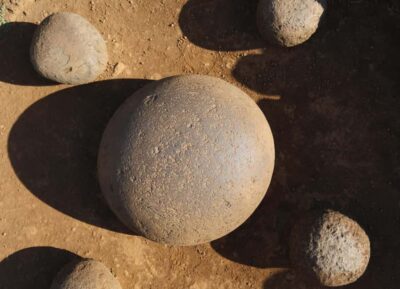
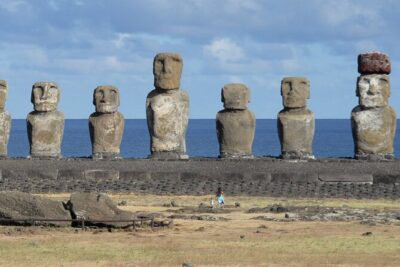
Puna Pau is a quarry made from red scoria, a cindery basaltic lava stone. This material was used for the adornments fitted on the heads of many moai.
The site answers a question that often comes up after seeing the statues: where did those red pieces come from? Visiting the source makes the monuments easier to understand as a complete system. The statues were carved in one setting, the red topknots came from another, and both had to be moved and fitted.
Puna Pau is sometimes overshadowed by the larger moai sites, but I would not skip it. It provides the missing material link between the figures you see around the island and the volcanic resources used to finish them.
If you are interested in how the statues were made and transported, this is one of the stops where you will want to slow down and listen. One highly praised guide, Patricio, was singled out for explaining the quarry and the movement of the large stone figures in a way that brought the ancient work to life.
Ahu Akivi and Seven Statues Facing the Sea
Ahu Akivi is a restored ceremonial site with seven moai. Local tradition identifies them as representations of the first seven explorers who reached the island.
The statues are unusual because they are the only group described on this tour as looking out to sea. That simple detail gives Ahu Akivi a different mood from many other statue sites. It also helps you compare the position and purpose of moai rather than treating every group as interchangeable.
Restoration is part of the story here. You are seeing a site that has been repaired and presented so its layout can be understood, not merely a collection of fallen or weathered stones. Your guide can connect the statues to the broader stories of exploration, settlement, and ceremony.
The stop also works well for visitors who want a clear introduction to the island’s moai tradition. You get a defined group of seven figures and a memorable reason for their orientation.
Ana Te Pahu and Life Inside Lava Tubes
The final major stop is Ana Te Pahu, one of the island’s more extensive lava tube networks. Rapa Nui people used these caves for several practical purposes: living space, water collection, vegetable planting, and shelter from aggressive outsiders during the 18th and 19th centuries.
This is where the tour moves from monumental stonework to everyday life. You begin to see how people adapted to a volcanic island with limited resources. A lava tube could offer shade, protection, and a place to manage water and food.
The cave network also adds physical variety after a day of overlooks and archaeological sites. You should be ready for walking in a natural setting rather than expecting a paved museum route. Since the tour calls for moderate fitness, wear practical footwear and be prepared for uneven ground.
A guide is especially useful here. Without context, a cave may look like a geological curiosity. With context, it becomes part of the story of how Rapa Nui families lived and responded to conflict.
The Guide Makes or Breaks the Day
The best reason to book this tour is the guide. The route itself is excellent, but most of the places can be found by anyone with transportation and a map. What you are paying for is interpretation, local perspective, and the ability to shape the day around your group.
Several guides have earned particularly warm praise. Patricio was described as one of the strongest guides a visitor had encountered, with a gift for explaining archaeology and family connections. Yoyo was praised for making the day fun while covering the island’s past. Tuhii was valued for her answers and for sharing information about Rapa Nui life and culture.
Mark was also praised for tailoring the experience to the group and taking photos from different angles. That is a small service, but it matters when two people are traveling together and do not want every picture to be a hurried selfie.
You should still understand that guide assignments can vary. Booking this experience gives you a private guide, but the specific guide you receive is not guaranteed in the information provided. The strong feedback across several named guides suggests a capable team, but I would avoid booking solely because you hope for one particular person.
Cost, Lunch, and the National Park Pass
The listed price is $230 per person. That is a serious expense, especially when you add the national park pass, listed at $80, and the cost of lunch and drinks.
The pass is not included. You are advised to buy it at the airport on arrival, where it is valid for 10 days after purchase, or obtain it online through rapanuinationalpark.org. Confirm the current price and access rules when you book, since park policies can change.
Lunch is also not included. The tour provides opportunities to stop and buy food along the way, but you should not expect a prepared meal to be waiting in the vehicle. If you need lunch at a particular time, plan ahead and ask your guide about the available stop.
Is the price fair? For one person traveling alone, no, because the minimum booking is two people. For two to six people who value privacy, hotel transport, and a guide who can answer questions, the price becomes easier to justify. A private vehicle also saves you from arranging separate transport to a long list of sites.
The value is highest when your time on Easter Island is limited. If you have several days and plan to rent a car, you may prefer to visit some sites independently and spend your money on one focused guided day.
Timing, Fitness, and Cruise Ship Limits
The scheduled start is 9:30 a.m., and the full outing lasts about 6.5 to 7 hours. Hotel pickup and drop-off are included, which keeps the day simple if you are staying in Hanga Roa.
Port pickup is not included, and this tour is not compatible with cruise excursions. The hotel transport wording also specifically excludes cruisers, so do not assume you can join from a ship even if your vessel arrives during the operating hours.
You should have a moderate level of physical fitness. The itinerary includes caves, volcanic sites, cliffside viewpoints, and outdoor archaeological areas. The information does not describe every trail or surface, so ask the provider if you have a mobility concern before booking.
Service animals are allowed. The tour is private, so only your own group participates, with a minimum of two and a maximum of six people.
Cancellation is straightforward: cancel at least 24 hours before the local start time for a full refund. Changes or cancellations made within 24 hours are not accepted for a refund.
Who Should Book This Easter Island Tour?
I would choose this tour if you want the main sights covered in one day and prefer explanations to independent wandering. It suits couples, families, and small groups who want the freedom to ask questions and adjust the pace.
It is also a good fit if you want more than a moai checklist. Ana Kai Tangata and Ana Te Pahu add stories of conflict and daily life, while Orongo explains political power and Puna Pau explains the red stone used to finish the statues.
I would hesitate if your budget is tight. The tour fee does not cover the park pass, lunch, or drinks, and the experience costs more than joining a larger group. I would also hesitate if your visit is built around a cruise stop, since port pickup is not offered.
Should You Book It?
Book this private Easter Island tour if you have one important day in Rapa Nui and want a well-organized route with a guide who can connect caves, volcanoes, moai, quarries, and political ceremonies. The near-perfect rating and repeated praise for Patricio, Yoyo, Tuhii, and Mark point to a service whose greatest strength is human: the guide brings meaning to the stones.
Skip it if you have plenty of time, enjoy planning your own drives, or cannot absorb the added cost of the national park pass. For most small groups staying in Hanga Roa, though, this is a practical way to see the island’s major sites without rushing blindly from one monument to the next.
FAQ
How long does the private Easter Island tour last?
The tour lasts approximately 6.5 to 7 hours. The listed start time is 9:30 a.m.
Is hotel transportation included?
Yes. Hotel pickup and drop-off are included for eligible hotel stays in Hanga Roa. Port pickup is not included, and the tour is not compatible with cruise excursions.
How many people can join the private tour?
A minimum of two people is required per booking, and the maximum group size is six people. Only your group participates.
Is the national park pass included?
No. The national park fee is separate. You are advised to buy the $80 pass at the airport upon arrival, where it is valid for 10 days after purchase, or purchase it online through rapanuinationalpark.org.
Is lunch included?
No. Lunch and drinks are not included. The tour allows opportunities to stop and buy food along the way.
What physical fitness level is required?
A moderate level of physical fitness is recommended. The route includes caves, volcanic sites, outdoor archaeological areas, and cliffside viewpoints. Service animals are allowed.
Just added around Hanga Roa
- Volcanic Refuges: Excursion to Underground Civilization★ 4.7 · 8 reviews
- Easter Island Ancestral Dinner and Show with Transport★ 4.5 · 2 reviews
- Volcanic Wonders and the Kingdom of the Birdman: Half Day★ 5.0 · 6 reviews
- Half Day Private Tour: Caves and Volcanic Refuges★ 4.0 · 14 reviews
- Tour to the Motus: Boat trip and snorkeling in Rapa Nui★ 5.0 · 8 reviews
- Birdman Ceremonial Route: Orongo, Ranu Kau Half-Day Tour★ 4.5 · 16 reviews
- Visit Rapa Nui in 4 days with 3 Tours and Accommodation included★ 4.0 · 2 reviews
- Private Tour: Tongariki Sunrise Experience★ 4.5 · 20 reviews
Easter Island Tours, compared.
Two days of Full Day Tour of Rapa Nui + Sunrise in Tongariki
Read our review →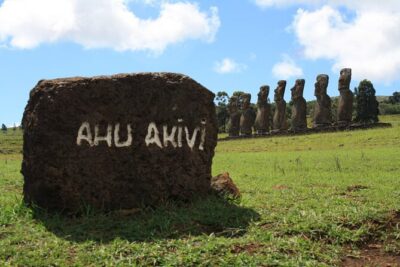
2-Day Private Tour Easter Island Highlights Complete Discovery
Read our review →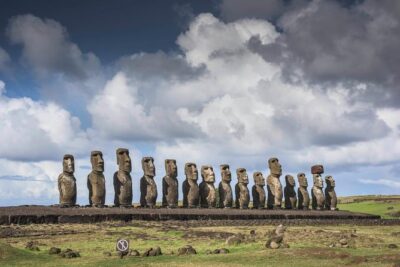
Private Tour: Full Day Easter Island Highlights
Read our review →
Browse the lists this tour appears in