
Reviewed · EASTER ISLAND TOURS
4-Days Trip to Discover Easter Island
The Moai tell the story here. This four-day Easter Island trip gives you a well-planned look at Rapa Nui, with visits to major ceremonial sites, volcanoes, caves, and the quarry where most Moai were carved. I like the airport welcome with flower necklaces and the fact that breakfasts, lunches, hotels, transfers, and park entry are bundled together. The main drawback is the fixed, non-refundable booking, plus water is not included during the tours.
You will travel in groups of up to 20 with a bilingual English and Spanish guide, while transfers use a Spanish-speaking driver. Emilia receives special praise for making the sites memorable through her insight and knowledge, so the quality of your guide may shape the experience. Bring your own water, and expect the order of visits to change.
In This Review
- Key points to know before you book
- Four days to understand Rapa Nui
- Arrival day: flower necklaces and an easy first afternoon
- Day two: fallen Moai and the quarry at Rano Raraku
- Ahu Vaihu and Ahu Akahanga
- Ahu Nau Nau and the coast
- Rano Raraku, the place where the Moai began
- Day three: Tahai, a cliff cave, and the crater at Rano Kau
- Tahai Archaeological Complex
- Ana Kai Tangata
- Rano Kau and Orongo
- Ahu Vinapu, Puna Pau, and Ahu Akivi
- What the guides and group size mean
- Meals, transport, and what you still pay for
- Who will get the most from this trip
- Is the $1,043 price fair?
- Should you book this Easter Island trip?
- FAQ
- Where does the tour take place?
- How long is the experience?
- What is included in the accommodation?
- Is airport pickup included?
- What meals are included?
- Are flights included?
- Is entry to Rapa Nui National Park included?
- What languages are available?
- How large can the tour group be?
- Can the order of the tours change?
- Is travel insurance included?
- Can I cancel for a refund?
Key points to know before you book
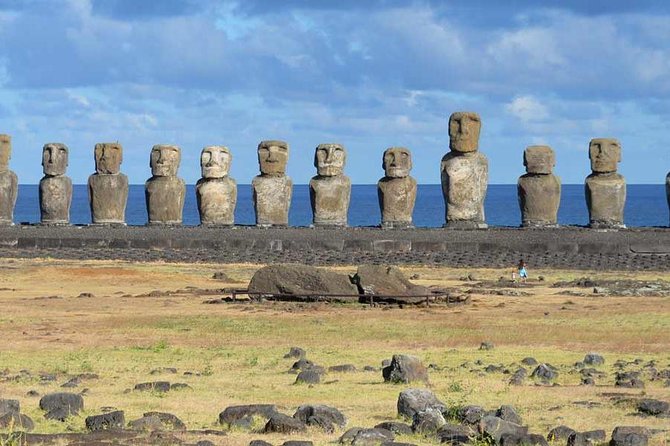
- The tour covers the island’s major archaeological sites: You visit Ahu Vaihu, Ahu Akahanga, Ahu Nau Nau, Rano Raraku, Tahai, Orongo, Vinapu, Puna Pau, and Ahu Akivi.
- Rano Raraku is the major highlight: This volcanic quarry is where most of the island’s Moai were carved.
- Three nights of lodging are included: The package describes the hotel as 3-star superior in the included details, although the first day also refers to a 4-star hotel.
- Meals are partly covered: Three breakfasts and lunches are included, but other meals are your responsibility.
- The airport welcome is personal and festive: You receive flower necklaces on arrival, followed by a transfer to the hotel.
- Water is not provided: Pack a refillable bottle or buy water before each outing.
Four days to understand Rapa Nui
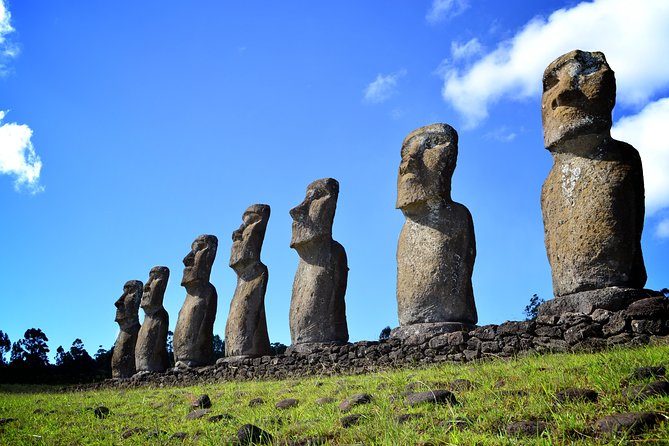
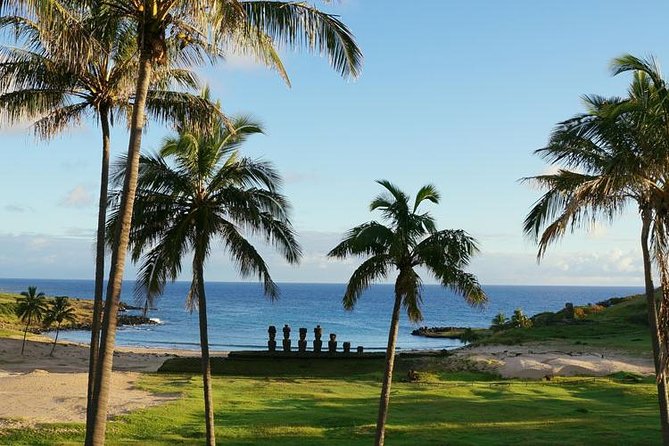
Easter Island is not a place I would rush through. Its famous Moai are only one part of the story. The platforms, volcanic craters, ceremonial villages, caves, and quarry sites show how the people of Rapa Nui shaped their world and adapted to a remote island in the Pacific.
This package gives you three nights and two main sightseeing days. That is enough time to see the principal sites without arranging every transfer yourself. It also leaves the first afternoon free, which is useful after your flight and gives you a chance to settle into Hanga Roa.
The price is $1,043 per person. That sounds high until you count the three nights of accommodation, airport transfers, breakfasts, lunches, bilingual guided excursions, and admission to Rapa Nui National Park. Airfare, airport taxes, travel insurance, and meals not named in the package remain outside the price.
I see this as a convenience package rather than a budget tour. If you were already planning to book a hotel, airport transport, park entry, meals, and several guided drives separately, the bundled price may be sensible. If you prefer to travel independently and have plenty of time to arrange your own car and guide, you may find the package less flexible than a do-it-yourself visit.
More Rapa Nui trips and moai walks:
- From Hanga Roa: Rapa Nui Culture Sightseeing Tour
★ 4.6 · 307 reviews - From Hanga Roa: Easter Island Highlights 2-Day Tour
★ 4.3 · 205 reviews - Full Day Tour in Rapa Nui
★ 4.5 · 122 reviews
Arrival day: flower necklaces and an easy first afternoon
The experience begins at Easter Island airport, where you receive flower necklaces before being transferred to your selected hotel. It is a small touch, but it gives the arrival a proper Rapa Nui welcome instead of making the first hour feel like a routine airport pickup.
The first afternoon is free. I like this design because flights to an isolated island can make a packed arrival schedule tiring. Use the time to rest, walk around Hanga Roa, or simply get ready for the early sightseeing days ahead.
The package includes three nights in a 3-star superior hotel. One part of the description refers to a 4-star hotel, so you should confirm the exact property and category before paying. That small inconsistency matters if your accommodation expectations are specific.
All transfers are included, but the driver is Spanish-speaking only. The sightseeing vehicles have a bilingual English and Spanish guide, which is the arrangement that matters most at the archaeological sites. You should still be comfortable with basic transfer instructions in Spanish or confirm how airport and hotel coordination will work.
Day two: fallen Moai and the quarry at Rano Raraku
The first full sightseeing day begins around 9:30 a.m. in Hanga Roa and heads toward the southeastern and northeastern coasts. The schedule combines ceremonial platforms with the island’s most important Moai production site.
Ahu Vaihu and Ahu Akahanga
Ahu Vaihu lies about 10 kilometers from Hanga Roa. Its stone platform once supported eight Moai, while eight Pukao, the red stone topknots or hats associated with some Moai, are scattered nearby.
The scattered stones give the site a different feeling from a neatly restored monument. You can see the power of the statues, but also the signs of collapse and abandonment that mark much of Rapa Nui’s archaeological record. This is a good place to pay attention to how the platforms were built, not only to the statues themselves.
The route continues to Ahu Akahanga, known as the Platform of the King. The supplied schedule allows roughly two hours for this part of the day, which should give your guide room to explain both sites rather than making them quick photo stops.
The itinerary does not promise a private tour, so the pace may depend on a group of up to 20 people. That is still a fairly manageable group for a major island tour, but you will not have the freedom to linger at every platform.
Still Chile, but an entirely different landscape:
- 2-Day Private Tour Easter Island Highlights Complete Discovery
★ 5.0 · 110 reviews - Private Full-Day Easter Island Highlights North and West
★ 5.0 · 84 reviews - From Hanga Roa: Journey from Orongo to Ana Te Pahu
★ 4.3 · 75 reviews - Journey of the Ancestors: Tongariki, Rano Raraku & Anakena Beach
★ 4.5 · 70 reviews
Ahu Nau Nau and the coast
Ahu Nau Nau is a complex ceremonial site built on several levels. Five Moai remain there with Pukao, and petroglyphs can be seen on the backs of the statues.
Those carvings are easy to miss if you only look at the front of the Moai. Listen closely when the guide points out the rear details, since this is one of the places where the art is not limited to the familiar human forms facing the sea.
Rano Raraku, the place where the Moai began
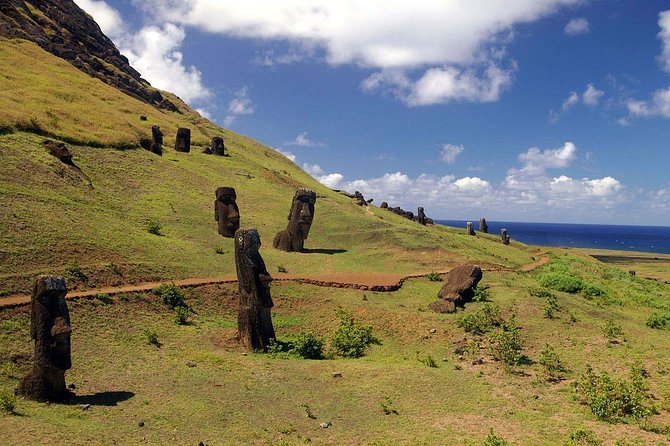
Rano Raraku is the strongest reason to choose this route. The quarry is formed from volcanic rock on the slopes of the volcano, and most of the island’s Moai were carved there.
Here, the statues are connected to the raw stone around them. Instead of seeing only finished figures on ceremonial platforms, you gain a clearer sense of the work involved and the stages of production. Some statues remain incomplete or attached to the rock, making the quarry feel like a workshop interrupted in time.
The schedule assigns about two hours to Ahu Nau Nau and Rano Raraku together. That is useful time, but you should not expect an unlimited walk through every part of the quarry. Wear shoes suited to uneven ground and bring water, since water is not supplied during the excursion.
Day three: Tahai, a cliff cave, and the crater at Rano Kau
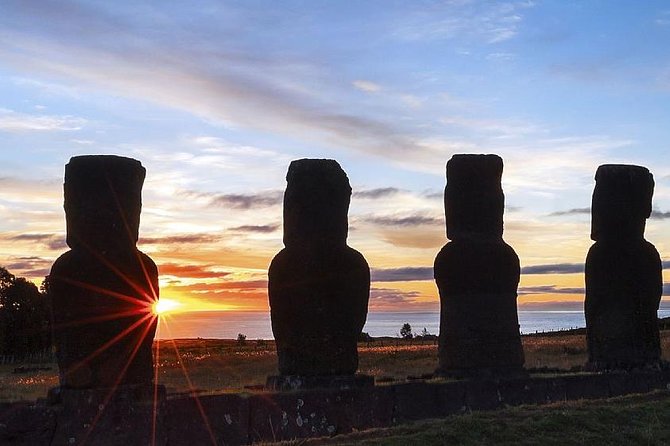
The second major touring day begins around 9:30 a.m. and focuses on the western side of the island. It combines restored ceremonial platforms, a natural cave, the largest crater on Easter Island, the Orongo ceremonial village, and several important sites near Hanga Roa.
Tahai Archaeological Complex
Tahai is one of the most approachable places to begin. The ceremonial center includes three ahu: Ahu Vai Uri with five Moai, Ahu Tahai with one, and Ahu Ko Te Riku with one.
The site is also valued for its views, and the setting helps you understand how ceremonial architecture relates to the coast and surrounding land. Because the visit lasts about an hour, you should have time for an explanation and photographs without spending the entire morning at one location.
Tahai can also help you learn the basic vocabulary of the island’s monuments. An ahu is a ceremonial platform, while a Moai is the carved human figure placed on or near it. Once those terms become familiar, the rest of the tour is easier to follow.
Ana Kai Tangata
Next comes Ana Kai Tangata, a natural cave beside the coast. Inside, you can see rock art linked with birds such as the manutara, and from the site you can watch waves break against the cliff.
The stop lasts about 30 minutes, so this is more of a focused visit than a long cave walk. The cave adds another layer to the trip because it shifts attention from monumental stonework to a smaller, more intimate form of expression.
Follow the guide’s instructions here and take care with the setting. The experience is about the cave art and the sea views, not about exploring a large underground network.
Rano Kau and Orongo
Rano Kau is the largest crater on the island and contains one of the area’s major freshwater reserves. Its broad volcanic basin is one of the most striking natural sights on the route.
The crater gives you a sense of the island’s volcanic origins without requiring a separate trip. It is also a useful counterpoint to the Moai sites: Rapa Nui’s story is shaped by both human ceremony and powerful natural features.
The excursion continues to Orongo, an old ceremonial village on the western side of Rano Kau. The village is closely associated with the island’s ceremonial traditions, and its position near the crater makes the stop feel very different from the coastal ahu.
The schedule allows about an hour for Rano Kau and Orongo together. That is enough for a guided overview, but you may want to ask your guide to clarify how the crater, village, and ceremonial practices relate to one another.
Ahu Vinapu, Puna Pau, and Ahu Akivi
The afternoon portion begins around 3 p.m. with Ahu Vinapu. The site includes three ahu and dates to around 1200 A.D. The first has six fallen Moai painted red, while the second includes a supposedly feminine two-headed Moai. The oldest of the three contains only removed stones.
Vinapu is especially useful for understanding how much of the island’s archaeological record is incomplete. You see fallen figures, changed platforms, and unusual remains rather than a single polished monument. The guide’s explanation is important here because the site can be confusing without context.
The route then goes to Puna Pau, a small crater made of red volcanic slag. This was the source of the Pukao placed on some Moai. Seeing the source of the red stone helps connect the topknots to the island’s geology and to the labor involved in moving materials from different parts of Rapa Nui.
The final stop is Ahu Akivi, described as the first ahu restored through scientific work on the island in 1960. The restoration gives you another way to think about the monuments. What you see today is not simply untouched antiquity, but also the result of archaeological study and reconstruction.
The day contains many stops, and the afternoon schedule may feel full. That is the tradeoff for seeing so much in a short visit. If the order changes, do not assume something has been dropped. The operator provides updated pickup times after arrival.
What the guides and group size mean
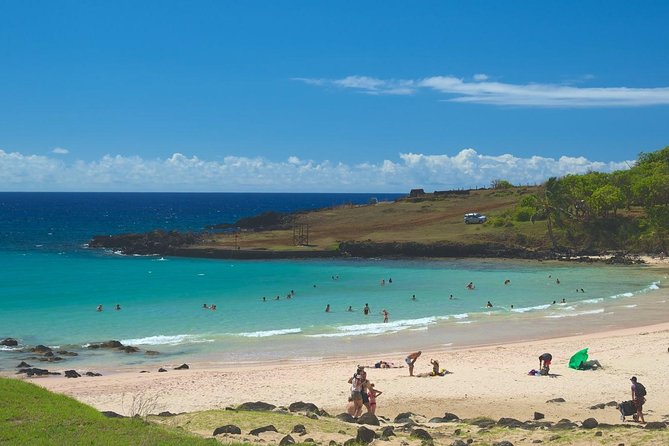
The excursions use bilingual English and Spanish guides, while the transfers use Spanish-speaking drivers only. That division is worth noting. You should receive the historical and cultural explanations in English, but routine transport communication may be more limited.
Emilia is specifically praised for adding insight and knowledge to the trip. A strong guide matters on Easter Island because a Moai site can look simple at first glance. The story lies in the platform design, the Pukao, the carving process, the restoration work, and the ceremonial use. Good explanations turn a series of stone figures into a connected visit.
The group limit is 20 people. That is not a private experience, but it is small enough to keep the guide’s explanations practical. You may need to stay with the group at the more popular sites, and photography time will not always be entirely your own.
One useful improvement would be reliable water service during the outings. Since it is not included, pack your own supply each morning. The same advice applies to snacks, since only the listed lunches and breakfasts are covered.
Meals, transport, and what you still pay for
Three breakfasts and lunches are included. This makes the package easier to manage, especially on long touring days when you do not want to search for food between archaeological sites.
Other meals are not included. You should budget for dinners and any extra food or drinks. Airfare and airport taxes are also separate, as are travel insurance costs.
Airport pickup and the final airport transfer are included. On the last day, you receive a typical farewell before the transfer out. The package does not give a fixed departure time, so check the voucher supplied after arrival.
The operator may change the order of the tours. This is a normal practical detail for a small island itinerary, where transport and site timing can affect the day. Keep the first afternoon flexible and avoid scheduling an important independent activity at the same time as a possible tour change.
Who will get the most from this trip
I would recommend this package to you if you want the main sites explained in English and prefer one booking to cover hotels, meals, transport, and park entry. It is also a good fit if you have only four days and do not want to arrange separate vehicles or guides.
It suits people who want a broad introduction rather than a slow archaeological study. You see a lot in two full touring days, including the quarry, ceremonial platforms, volcanoes, cave art, and Orongo.
You may prefer another arrangement if you want long independent walks, flexible departure times, or complete control over how long you spend at each ahu. A group of up to 20 and a fixed schedule will naturally limit that freedom.
The tour is described as suitable for most people, but no detailed mobility information is supplied. If uneven ground, volcanic slopes, or cave access are concerns, ask the operator before booking.
Is the $1,043 price fair?
The value depends on how much planning you want to avoid. Three nights of accommodation on a remote island, airport transfers, two guided touring days, park entry, three breakfasts, and lunches form a useful bundle. The flower-necklace welcome and farewell also give the trip a sense of place rather than treating it as a basic transfer service.
The package is not all-inclusive. You still pay for flights, airport taxes, dinners, unlisted meals, drinks, and insurance. You should also confirm the hotel category because the description uses both 4-star and 3-star superior wording.
I would call the price reasonable for a tightly organized first visit, especially if the guide is as strong as Emilia was for one highly praised departure. I would not call it the best choice for a flexible, independent visit.
Should you book this Easter Island trip?
Book it if you want to see Rapa Nui’s major sites in four days with your core arrangements already handled. The strongest features are the quarry at Rano Raraku, the broad mix of archaeological and volcanic sites, the bilingual guides, and the airport welcome.
Before paying, confirm the exact hotel, ask how much water and food you should carry, and make sure the fixed non-refundable terms suit your plans. If those points are acceptable, this is a practical way to meet the Moai, understand the sites around them, and leave with a much clearer sense of Rapa Nui.
FAQ
Where does the tour take place?
The experience is based in Hanga Roa on Easter Island, Chile, also known as Rapa Nui.
How long is the experience?
The trip lasts approximately four days and includes three nights of accommodation.
What is included in the accommodation?
Three nights in a 3-star superior hotel in Easter Island are included. The first-day description also refers to a 4-star hotel, so confirm the exact hotel category before booking.
Is airport pickup included?
Yes. Pickup from Easter Island Airport is included, along with the transfer to the hotel and the transfer back to the airport at the end.
What meals are included?
Three breakfasts and lunches are included. Meals not specifically mentioned are not included.
Are flights included?
No. Air tickets and airport taxes are not included in the price.
Is entry to Rapa Nui National Park included?
Yes. The entrance fee to Rapa Nui National Park is included.
What languages are available?
The excursions use bilingual English and Spanish guides. Transfers are provided with a Spanish-speaking driver only.
How large can the tour group be?
The maximum group size is 20 people.
Can the order of the tours change?
Yes. The order may change after arrival. You receive a voucher with pickup times for the tours.
Is travel insurance included?
No. Travel insurance is not included.
Can I cancel for a refund?
No. The experience is non-refundable and cannot be changed after booking.
Just added around Hanga Roa
- Volcanic Refuges: Excursion to Underground Civilization★ 4.7 · 8 reviews
- Easter Island Ancestral Dinner and Show with Transport★ 4.5 · 2 reviews
- Volcanic Wonders and the Kingdom of the Birdman: Half Day★ 5.0 · 6 reviews
- Half Day Private Tour: Caves and Volcanic Refuges★ 4.0 · 14 reviews
- Tour to the Motus: Boat trip and snorkeling in Rapa Nui★ 5.0 · 8 reviews
- Birdman Ceremonial Route: Orongo, Ranu Kau Half-Day Tour★ 4.5 · 16 reviews
- Visit Rapa Nui in 4 days with 3 Tours and Accommodation included★ 4.0 · 2 reviews
- Private Tour: Tongariki Sunrise Experience★ 4.5 · 20 reviews
Easter Island Tours, compared.
Two days of Full Day Tour of Rapa Nui + Sunrise in Tongariki
Read our review →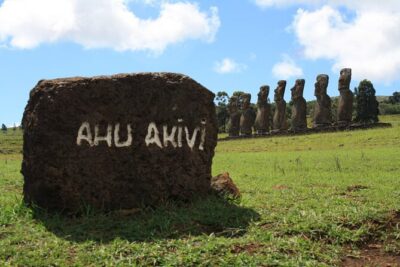
2-Day Private Tour Easter Island Highlights Complete Discovery
Read our review →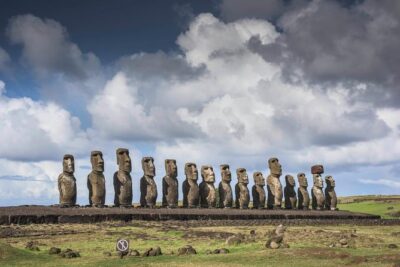
Private Tour: Full Day Easter Island Highlights
Read our review →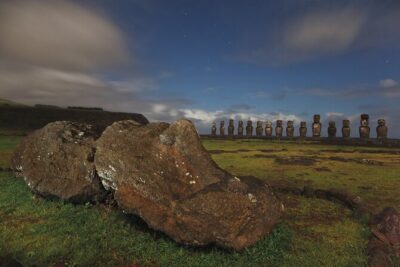
Browse the lists this tour appears in