
Reviewed · EASTER ISLAND TOURS
4-Day Easter Island Experience with Hotel, Tours & Dinner show
Moai, volcanoes, and one unforgettable dinner. This four-day Easter Island package gives you a well-planned introduction to Rapa Nui, combining the island’s most important archaeological sites with a traditional evening at Te Ra’ai. I especially like the small group limit of 15 and the way the program includes both famous moai platforms and present-day Rapa Nui culture. The flower necklace welcome at the airport is a lovely first touch, too.
I also like the practical setup: three nights of lodging, guided tours, entrance fees, and airport transfers are wrapped into one price. The main point to consider is cost. At $1,890 per person, this is not a bargain trip, and the package does not include your air ticket to Easter Island.
In This Review
- Key points at a glance
- Arriving at Mataveri Airport with a flower welcome
- Te Ra’ai turns your first night into a cultural introduction
- Day 2 follows the moai from fallen platforms to Anakena
- Ahu Akahanga and the story of fallen moai
- Rano Raraku, the quarry that explains the statues
- Ahu Tongariki and its famous row of 15
- Te Pito Kura and the largest erected moai
- Anakena Beach and Ahu Nau Nau
- Day 3 links the Birdman ceremony with the island’s sky and stone
- Vinapu and the remains of clan conflict
- Orongo and the Tangata Manu contest
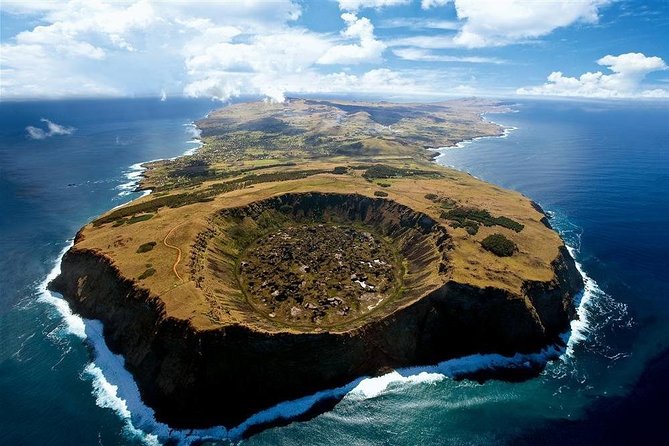
- Rano Kau reveals a volcanic world of its own
- Puna Pau explains the red topknots
- Ahu Akivi and the seven ocean-facing figures
- Tahai is a strong final stop
- What the $1,890 price really buys you
- Group size, guides, and the pace of the days
- Who should choose this Easter Island package
- Should you book the four-day Easter Island experience?
- FAQ
- How long does the Easter Island experience last?
- Is airfare to Easter Island included?
- What is the price per person?
- Is airport pickup included?
- Which airport does the experience use?
- What is the largest possible group size?
- Is a guide included?
- Which major archaeological sites are included?
- Is the Te Ra’ai dinner show included?
- Can I cancel or change the booking?
Key points at a glance
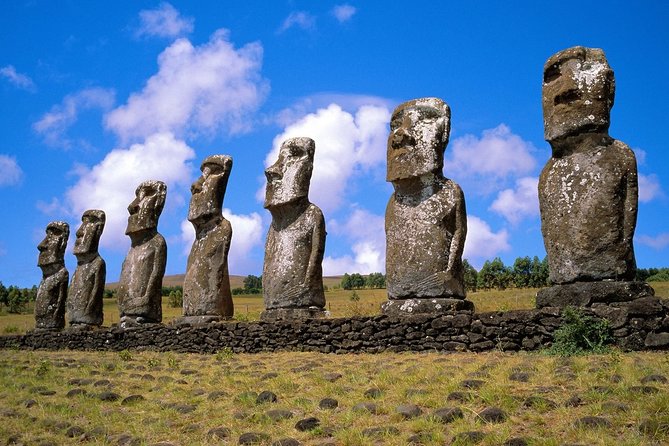
- The 15-moai view at Ahu Tongariki: One of Rapa Nui’s most powerful sights, with two hours set aside to take it in.
- A traditional Te Ra’ai evening: See Takona body painting, learn about the underground Umu Hatu feast, eat local dishes, and watch the Haha Varua performance.
- Rano Raraku’s unfinished statues: The volcanic quarry lets you see moai at different stages of carving.
- Two substantial tour days: Day 2 covers the eastern and northern coast, while Day 3 focuses on Orongo, Rano Kau, Puna Pau, Ahu Akivi, and Tahai.
- A package built for convenience: Hotel, some meals, guiding, entrance fees, and airport reception are included.
- A non-refundable purchase: You need firm travel plans before paying, since cancellations and changes are not refunded.
Arriving at Mataveri Airport with a flower welcome
Your trip begins at Mataveri International Airport, the small gateway to Easter Island. The local team meets you with a traditional flower necklace, then takes you to your selected hotel. The airport welcome takes about 30 minutes, leaving the rest of the first day open for rest and a look around.
The arrival transfer is described as shared in the day-by-day plan, while the package details also describe private pickup and drop-off. I would confirm this point before booking if the type of vehicle matters to you. Either way, airport reception is included, which removes one common worry after a long flight.
The hotel itself is not named, so the exact standard and location depend on the option you select. One particularly positive account praised the hotel, its staff, and the care taken to keep the stay comfortable. Still, ask for the hotel name and room details before you commit. On a small island, the lodging can affect how easy it is to walk into Hanga Roa or reach restaurants and shops.
More Rapa Nui trips and moai walks:
- From Hanga Roa: Rapa Nui Culture Sightseeing Tour
★ 4.6 · 307 reviews - From Hanga Roa: Easter Island Highlights 2-Day Tour
★ 4.3 · 205 reviews - From Hanga Roa: Easter Island Sightseeing Full Day Tour
★ 4.5 · 189 reviews
Te Ra’ai turns your first night into a cultural introduction
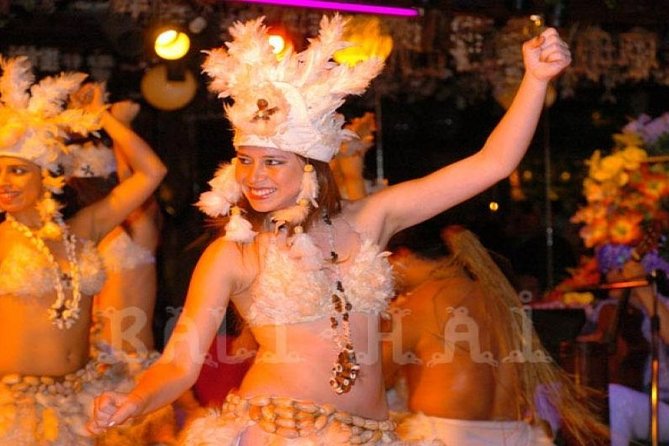
The first evening is more than a meal. A hotel pickup takes you to Te Ra’ai Restaurant, where the family welcomes you with a local drink and introduces Takona, an old Rapa Nui body-painting tradition. The designs use symbols and colors to express stories, giving you a useful cultural frame before the show begins.
The main meal is an Umu Hatu, a traditional Rapa Nui curanto cooked underground with hot stones. The buffet includes local dishes, meats, root vegetables, salads, tropical fruit, and a glass of Chilean wine. Because dinner is served buffet-style, you can try a range of flavors rather than choosing a single unfamiliar plate.
The evening ends with Haha Varua, a live program of music and dance based on Rapa Nui stories, legends, and Mana, the sacred energy associated with the people and their traditions. It lasts about three hours, so this is a full evening rather than a quick dinner stop.
I like putting this experience on the first night. It gives you a first look at living island culture before two long days among archaeological sites. If you prefer quiet meals or early nights, though, remember that the program includes transportation, dinner, and a performance in one substantial evening.
Day 2 follows the moai from fallen platforms to Anakena
The second day is the package’s big moai circuit. It visits several major sites in a logical order and ends at Anakena Beach, giving the day a pleasant change of pace after hours of archaeology.
Ahu Akahanga and the story of fallen moai
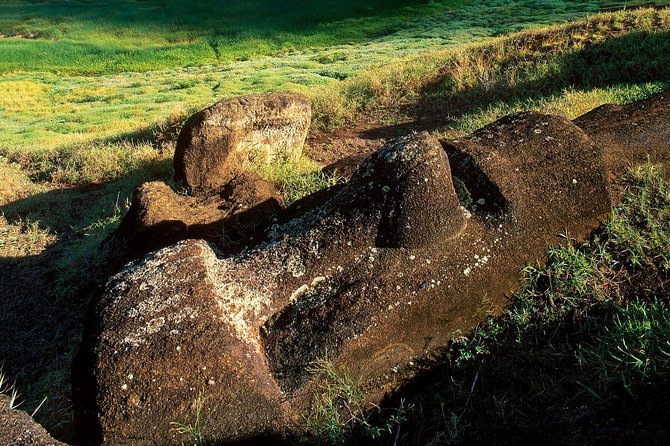
Ahu Akahanga introduces the island’s ceremonial platforms and clan structures. Several moai lie toppled near the Pacific, and local tradition connects the site with Hotu Matu’a, regarded as Rapa Nui’s first king.
The stop lasts about an hour. It is useful early in the day because the fallen statues show that the island’s story is not only about impressive standing figures. You also see evidence of conflict and change. The ground at archaeological sites can be uneven, so comfortable shoes are sensible, although no special fitness level is stated as necessary.
A few more Easter Island trips worth comparing side by side
- Easter Island Dinner Show with Transport
★ 4.0 · 13 reviews - Easter Island Ancestral Dinner and Show with Transport
★ 4.5 · 2 reviews - Traditional Dinner Show in Santiago
★ 4.5 · 41 reviews - Dinner Show in Bali Hai with Wine refill and transportation
★ 4.4 · 21 reviews
Rano Raraku, the quarry that explains the statues
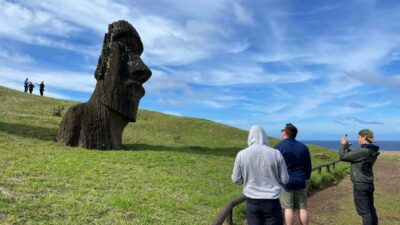
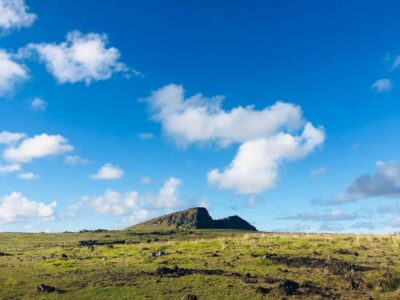
Rano Raraku is one of the most important stops on Easter Island. This volcanic quarry is where most of the moai were carved. Walking among unfinished figures makes the statues feel less like isolated monuments and more like works in progress abandoned at different stages.
You have about an hour here. That is enough for a focused visit, but you may wish it were longer. Rano Raraku is the place where many people want time to pause, compare the figures, and absorb the scale of the work. Your guide’s explanations matter greatly here, since the stone faces alone do not explain how the quarry functioned.
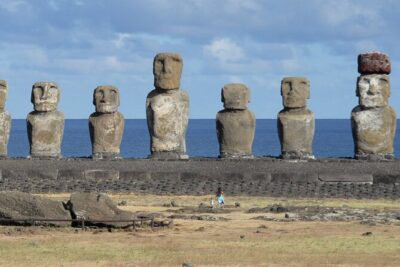
Ahu Tongariki and its famous row of 15
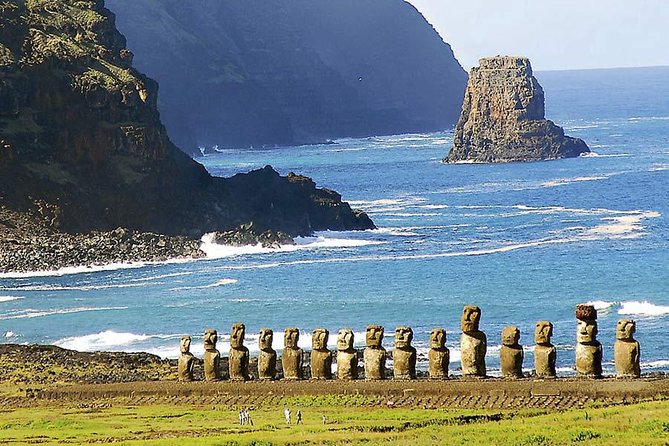
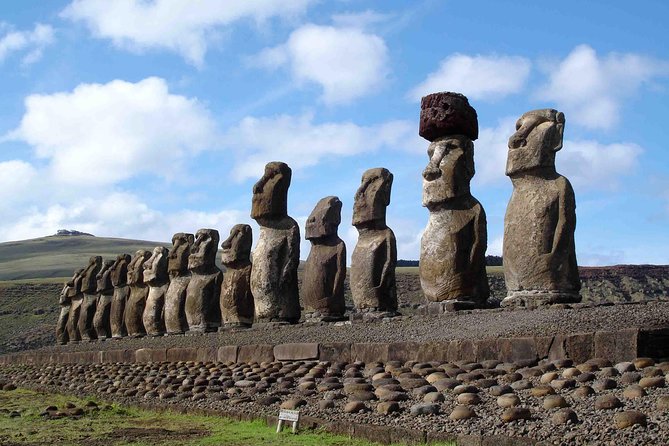
Two hours are scheduled at Ahu Tongariki, home to the best-known line of restored moai on the island. Fifteen statues face inland with the sea behind them, creating one of Rapa Nui’s most memorable views.
This is a good place to slow down. The restored platform shows the scale of a major ceremonial center, while the open setting makes it easy to understand why photographs of the site are so common. Your guide can help connect the figures to the wider story of restoration and cultural renewal.
Te Pito Kura and the largest erected moai
The next stop, Te Pito Kura, is known for the largest moai ever erected on the island. You also see the stone called the Navel of the World, which is associated with strong spiritual energy.
Two hours are listed here, along with Anakena, so the actual time at each stop may depend on the day’s pacing. This is worth clarifying if you want a long beach break. The site adds a different kind of interest to the day: not only monumental carving, but also the spiritual meanings that still surround particular stones.
Anakena Beach and Ahu Nau Nau
Anakena is the day’s soft landing. White coral sand, palm trees, turquoise water, and the restored moai of Ahu Nau Nau give the site a Polynesian feel that is different from the rugged quarry and open ceremonial platforms.
You have about two hours here for swimming, relaxing, or simply looking at the beach and statues together. The program includes a full day of sightseeing, so you may appreciate the chance to sit down and enjoy the setting. If swimming is important to you, bring what you need, but the supplied details do not promise changing facilities, beach equipment, or specific water conditions.
Day 3 links the Birdman ceremony with the island’s sky and stone
Day 3 is split into two four-hour tours. The morning heads south and west to Vinapu, Orongo, and Rano Kau. After a short rest, the afternoon turns inland for Puna Pau, Ahu Akivi, and Tahai.
Vinapu and the remains of clan conflict
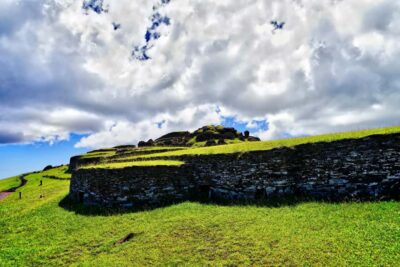
The morning begins at Vinapu, an archaeological site known for carefully fitted stonework. The construction has been compared with Incan stonework because of its precise appearance. You also see toppled moai, reminders that the island’s ceremonial centers were affected by conflict between clans.
Vinapu is a valuable counterpoint to Ahu Tongariki. At Tongariki, you see a restored ceremonial platform. At Vinapu, the damaged remains help you think about what happened before modern restoration efforts.
Orongo and the Tangata Manu contest
Orongo sits on the edge of Rano Kau volcano and was the center of the Tangata Manu, or Birdman, competition. This ritual helped determine which clan would rule for a year, making Orongo one of the clearest places to connect geography with political and religious life.
The village’s position gives the stop a dramatic setting, but the site is not only about scenery. Your guide’s interpretation helps explain why this remote ceremonial village mattered. Since the tour includes Orongo and the Rano Kau lookout in a four-hour morning, expect a structured visit rather than unlimited time at each point.
Rano Kau reveals a volcanic world of its own
The Rano Kau lookout looks into a huge volcanic crater filled with plant life and a reflective lagoon. It is one of the island’s most striking views, and it gives you a break from the repeated shape of the moai.
I like this part of the schedule because it shows that Rapa Nui is not simply a collection of statues. The volcano shaped the island’s rock, water, and ceremonial sites. You see how the natural setting and human activity are tied together.
Puna Pau explains the red topknots
After your break, the afternoon starts at Puna Pau, the quarry where the red pukao topknots were made. These red stone pieces add another layer to your understanding of moai construction. The quarry helps explain that the statue and its topknot came from different stages of production.
The stop is relatively short in the overall afternoon, but it adds useful context before Ahu Akivi. If you have been wondering how the moai were finished, Puna Pau helps answer part of that question.
Ahu Akivi and the seven ocean-facing figures
Ahu Akivi is unusual because its seven moai face toward the ocean. The figures are also associated with solar alignments, including the spring equinox sunset and autumn sunrise.
The site offers a different mood from the large coastal platforms. Instead of a long row of statues, you see seven similar figures in an inland setting, with astronomy and ceremony forming part of the explanation.
Tahai is a strong final stop
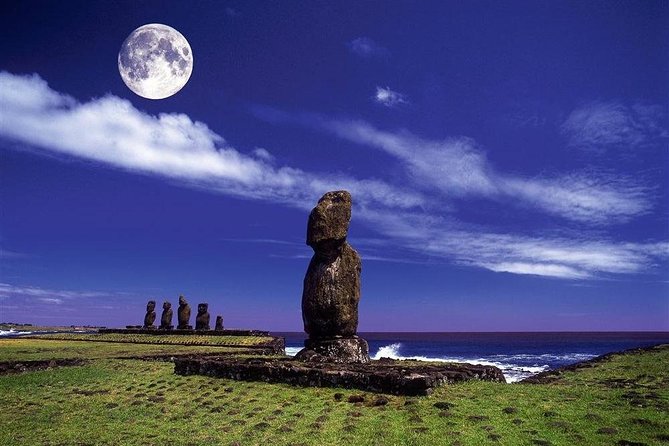
The afternoon ends at the Tahai Ceremonial Complex, one of the island’s oldest restored areas. It includes Ahu Tahai, Ahu Vai Uri, and Ahu Ko Te Riku, the platform with restored coral eyes.
Tahai is a fitting final archaeological stop because it brings together several features you have seen separately: platforms, statues, restoration, and the relationship between ceremony and the sky. The two four-hour tours make Day 3 busy, but they also cover a large portion of the island’s major cultural sites in a short stay.
What the $1,890 price really buys you
At $1,890 per person, this package makes sense mainly for convenience and coverage. You receive three nights of accommodation, a professional guide, airport reception, transfers, entrance fees, the Te Ra’ai dinner, and the listed tours. Lunch and dinner are included in the package details, while breakfast is mentioned on departure day, so I would ask exactly which meals are provided on each date.
Rapa Nui National Park access is a major part of the cost. One account specifically noted an entrance charge of 54,000 Chilean pesos, about $80 at the amount quoted at the time. You need that access to see the moai sites that draw most people to Easter Island, so the park fee is not easy to avoid.
The package also saves you from arranging separate vehicles and guides for two long sightseeing days. That matters on an isolated island, especially when your visit lasts only four days. The value is weaker if you already have lodging, transportation, and a guide arranged independently.
The air ticket is not included. Build that into your true budget, along with any meals not covered by the package and personal purchases.
Group size, guides, and the pace of the days
The maximum group size is 15, and the experience may use a multilingual guide. A small group can make it easier to hear explanations and ask questions, though the actual guide language mix may affect how much time is spent in English.
Past service details praised punctual pickups, certified guides, good vehicles, and staff who offered suggestions for nightlife and additional excursions. Those are useful signs for a short trip, when a late vehicle or unclear meeting time can cost you a large part of the day. The package does not provide guide names, so you cannot choose a specific guide in advance.
Most people can participate, according to the supplied information. Even so, you should expect walking at archaeological sites and a full sightseeing schedule. The experience is not designed as a slow, open-ended stay. It is a concentrated introduction.
Who should choose this Easter Island package
I would choose this trip if you have four days, want the major moai sites covered, and prefer one company to handle lodging, touring, meals, and transfers. It suits a first visit, couples, small families, and solo visitors who would rather not organize transportation on an unfamiliar island.
It is also a good fit if the Te Ra’ai evening matters to you. The dinner, Takona demonstration, Umu Hatu preparation, and Haha Varua performance give the package a cultural element that a sightseeing-only plan would miss.
I would look elsewhere if you want a low-cost trip, a long beach holiday, or complete control over each hour. The price is high, the schedule is full, and the non-refundable terms mean you need firm plans before booking.
Should you book the four-day Easter Island experience?
Book it if your priority is seeing Rano Raraku, Ahu Tongariki, Anakena, Orongo, Ahu Akivi, and Tahai without arranging every transfer yourself. The package offers strong coverage, a manageable group size, and an excellent first-night cultural program.
Before paying, confirm the hotel, the exact meal schedule, the airport transfer type, and how the guide handles multilingual groups. If those details suit you, this is a practical way to make a short Easter Island visit count. If you need flexibility or a lower price, plan the components separately and accept the extra work.
FAQ
How long does the Easter Island experience last?
The experience lasts approximately four days and includes three nights of accommodation.
Is airfare to Easter Island included?
No. The air ticket is not included in the package price.
What is the price per person?
The listed price is $1,890 per person.
Is airport pickup included?
Yes. Airport reception, a flower necklace welcome, and transfer services are included. The day-by-day description calls the arrival transfer shared, while the package details describe private pickup and drop-off, so confirm the exact arrangement before booking.
Which airport does the experience use?
The experience begins and ends at Mataveri International Airport, airport code IPC.
What is the largest possible group size?
The activity can include a maximum of 15 travelers.
Is a guide included?
Yes. A professional guide is included, and the activity may be operated by a multilingual guide.
Which major archaeological sites are included?
The tours include Ahu Akahanga, Rano Raraku, Ahu Tongariki, Te Pito Kura, Ahu Nau Nau, Anakena, Vinapu, Orongo, Rano Kau, Puna Pau, Ahu Akivi, and the Tahai Ceremonial Complex.
Is the Te Ra’ai dinner show included?
Yes. The first evening includes the Te Ra’ai cultural dinner, local dishes, a glass of Chilean wine, and the Haha Varua music and dance performance.
Can I cancel or change the booking?
No. The experience is non-refundable and cannot be changed for any reason.
More Dinner Experiences in Easter Island
- Santiago: Private Dinner & Chilean Folk Show with Transfers
★ 4.7 · 17 reviews - San Cristobal Hill Night Tour with Dinner Show
★ 3.0 · 17 reviews - Traditional Chilean Show with Dinner and Private Transportation in Santiago
★ 4.5 · 8 reviews - Small-Group Tour: Night City Tour with Santa Lucia Hill and Dinner Show
★ 4.5 · 8 reviews
More Dining Experiences in Easter Island
- Exclusive wineries in Casablanca Valley & Tanino Restaurant
★ 5.0 · 568 reviews - Santiago: Alyan Winery Sunset with Wine Tastings and Dinner
★ 4.7 · 75 reviews - Legacy Family Tour Lunch or Dinner Pairing 4 Strokes
★ 5.0 · 38 reviews - Santiago: Bali Hai Dinner & Show, Transport and Wine refill
★ 4.5 · 17 reviews
Just added around Easter Island
- Volcanic Refuges: Excursion to Underground Civilization★ 4.7 · 8 reviews
- Easter Island Ancestral Dinner and Show with Transport★ 4.5 · 2 reviews
- Volcanic Wonders and the Kingdom of the Birdman: Half Day★ 5.0 · 6 reviews
- Half Day Private Tour: Caves and Volcanic Refuges★ 4.0 · 14 reviews
- Tour to the Motus: Boat trip and snorkeling in Rapa Nui★ 5.0 · 8 reviews
- Visit Rapa Nui in 4 days with 3 Tours and Accommodation included★ 4.0 · 2 reviews
- Birdman Ceremonial Route: Orongo, Ranu Kau Half-Day Tour★ 4.5 · 16 reviews
- Private Tour: Tongariki Sunrise Experience★ 4.5 · 20 reviews
Easter Island Tours, compared.
Two days of Full Day Tour of Rapa Nui + Sunrise in Tongariki
Read our review →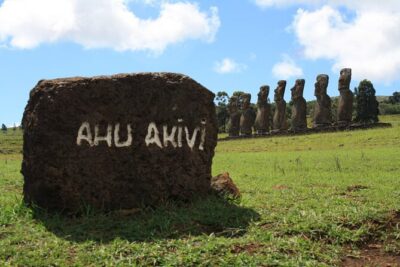
2-Day Private Tour Easter Island Highlights Complete Discovery
Read our review →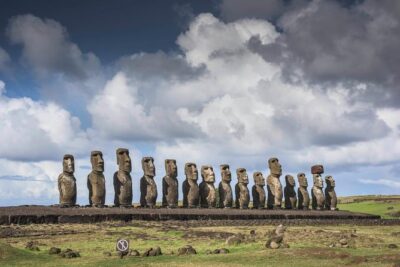
Private Tour: Full Day Easter Island Highlights
Read our review →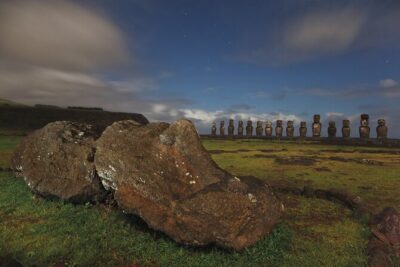
Browse the lists this tour appears in