
Reviewed · EASTER ISLAND TOURS
Shore Excursion: Highlights of Easter Island
The moai are only part of the story. This six-hour Easter Island tour gives you a strong first look at Rapa Nui, combining major archaeological sites with the island’s best-known natural scenery. I especially like the small group of up to eight people, which should make it easier to hear your guide and ask questions. I also like the route itself: Rano Raraku, Ahu Tongariki, Anakena Beach, Ahu Akivi, Rano Kau, and Orongo cover a lot of ground without wasting the day.
The local guides add real value. Hugo is warm and proud of his home, while Nikolas has been praised for telling the Birdman story at Orongo with real feeling. This is not just a drive past statues. You get context about how the moai were carved, moved, positioned, and tied to Rapa Nui culture.
The main drawback is cost. The tour is $285 per person, and the mandatory national park entrance fee adds another $100, before lunch or other food. The non-refundable policy also calls for care when booking, especially on a cruise where tender delays can affect your schedule.
In This Review
- The most useful things to know
- Why this route works for a short Easter Island visit
- Rano Raraku: where the moai took shape
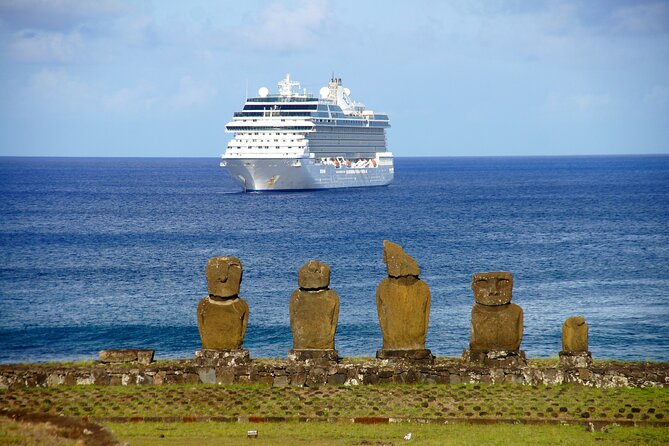
- Ahu Tongariki: fifteen moai and a powerful setting
- Anakena Beach: a gentler side of Rapa Nui
- Ahu Akivi and the island’s sky connection
- Rano Kau: a volcanic crater and water source
- Orongo: the strongest story of the day
- How the guides affect the experience
- Price, park fees, and what you receive
- Who should book this Easter Island excursion?
- FAQ
- How long does the Easter Island highlights tour last?
- What time does the tour begin?
- Where does pickup take place?
- Is the national park entrance fee included?
- What sites does the tour visit?
- Is lunch included?
- How many people can join the tour?
- What should I wear?
- Should you book it?
The most useful things to know
- Rano Raraku explains how the moai were made: This volcanic tuff quarry is the source of most of the island’s famous statues.
- Ahu Tongariki delivers the big visual moment: Fifteen restored moai face inland with the Pacific behind them.
- Orongo gives the tour its strongest story: The Birdman ceremony makes this more than a statue-spotting trip.
- A local guide can change the day: Hugo and Nikolas have been praised for warmth, island knowledge, and storytelling.
- The park fee is extra: Budget $385 per person before food, including the $285 tour price and $100 entrance charge.
- Cruise timing matters: Pickup begins at the pier, but a late tender can push the start back.
Why this route works for a short Easter Island visit
Easter Island is compact enough to cross by road, but the important sites are spread around the coast and interior. If you have only one shore day, choosing an organized route makes sense. You avoid spending precious time sorting out directions and can focus on the moai, the volcanic craters, and the stories behind them.
This excursion also gives you a useful sequence. At Rano Raraku, you see where the statues began. At Ahu Tongariki, you see what the finished ceremonial platform looked like. At Ahu Akivi, you encounter a different setting and a different astronomical detail. The day then shifts toward beaches, volcanic scenery, and the Birdman tradition at Orongo.
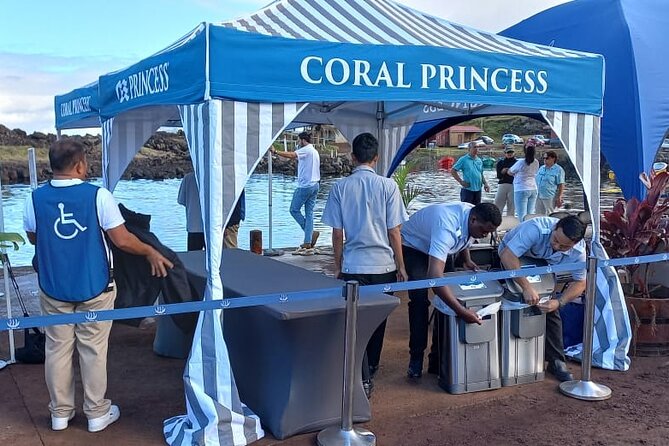
The tour is scheduled to begin at 8:00 a.m. at Hanga Piko in Hanga Roa. The operator says staff will be at the pier before the first tender arrives, holding a sign with your name. After the tour, you return to the pier and tender area before the ship leaves.
That arrangement is important. Cruise calls on Easter Island depend on tender boats rather than a conventional dock, so a late arrival can have a domino effect. One party had a ship that arrived three hours late, yet the guides adjusted the day and still worked to cover the agreed sites. That is encouraging, but you should not treat it as a guarantee. A delayed start can make this full itinerary feel rushed.
More Rapa Nui trips and moai walks:
- From Hanga Roa: Rapa Nui Culture Sightseeing Tour
★ 4.6 · 307 reviews - From Hanga Roa: Easter Island Highlights 2-Day Tour
★ 4.3 · 205 reviews - From Hanga Roa: Easter Island Sightseeing Full Day Tour
★ 4.5 · 189 reviews
Rano Raraku: where the moai took shape
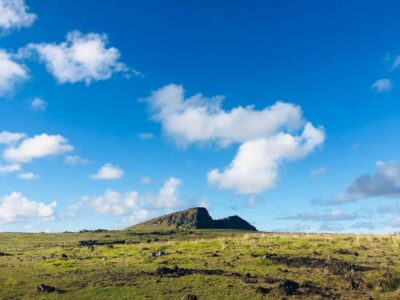
Your first stop is Rano Raraku, the volcanic cone that supplied the island’s tuff. This soft volcanic stone allowed Rapa Nui carvers to make moai on a much larger scale than harder rock would have allowed.
I consider this the essential opening stop because it changes how you see every statue afterward. Instead of viewing the moai as mysterious objects that simply appeared on ceremonial platforms, you begin to understand the work involved. The quarry is where the figures were carved before being moved across the island to their ahu, or ceremonial platforms.
The planned visit is one hour. That gives you time to take in the quarry and listen to the explanation, though you will want comfortable shoes because the tour includes several outdoor archaeological sites. Wear a hat, sunscreen, lightweight clothing, and flat shoes. Bottled water is included.
Admission to Rano Raraku is not included in the tour price. The $100 national park ticket is mandatory for all participants and covers the park sites, so do not think of this as a separate optional charge for only one stop.
Ahu Tongariki: fifteen moai and a powerful setting
Across from Rano Raraku, Ahu Tongariki gives you the grand view many people picture when they think of Easter Island. Fifteen standing moai line the largest reconstructed platform on the island, facing inland with their backs to the Pacific.
The scale is the point here. At Rano Raraku, you study the making of the statues. At Tongariki, you see their arrangement as a ceremonial group. The line of figures makes it easier to grasp the social and religious importance of an ahu, rather than treating each moai as an isolated sculpture.
You have about an hour at the platform. Your guide can explain the different theories about how the statues were carved, transported, and placed. One guide described the many ideas surrounding the moai while admitting that the sheer practical problem still makes the mind boggle. That is a useful approach. You get information without pretending that every question has a neat answer.
Take time to look beyond the statues, too. The setting opposite Rano Raraku gives the stop a clear connection to the quarry and the wider island. This is one of the places where a local guide is especially helpful, since the arrangement means more once you understand what you have already seen.
Anakena Beach: a gentler side of Rapa Nui
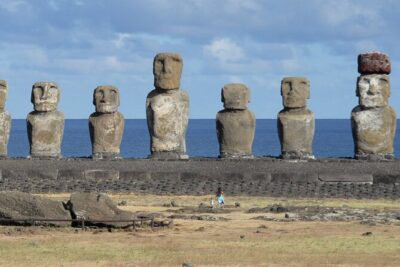
Anakena Beach changes the pace. After two major archaeological sites, you reach warm turquoise water and coral sand at the island’s main beach. The area was the ancestral residence of the Miru Araki royal family, adding an important cultural layer to what might otherwise look like a simple seaside break.
The Ahu Nau Nau platform here is known for the refinement of its moai. That detail matters because it lets you compare the statues with those at Tongariki and Ahu Akivi. They are not all identical in appearance or finish, and the differences become easier to notice when your guide points them out.
The stop lasts about an hour. The information provided does not promise swimming time, a meal, or beach equipment, so plan to treat Anakena mainly as a scenic and archaeological visit. Food and drinks are not included, and lunch is specifically excluded. Bring anything you need for the day within the tour’s stated arrangements.
I like this stop because it prevents the excursion from becoming six hours of similar stone platforms. The beach, sand, and water give your eyes a rest, while the royal connection and Ahu Nau Nau keep the cultural focus intact.
A few more Easter Island trips worth comparing side by side
- Easter Island Shore Excursion – Small Group Tour
★ 5.0 · 2 reviews - Shore Excursion: Petrohue Waterfalls, Frutillar & Puerto Varas
★ 4.5 · 554 reviews - Shore Excursion: Magellan Penguins Natural Reserve in Magdalena Island from Punta Arenas
★ 3.5 · 114 reviews - La Serena & Coquimbo City Tour – Short Cruise Excursion
★ 4.0 · 38 reviews
Ahu Akivi and the island’s sky connection
Ahu Akivi is unusual because it is one of the few ceremonial platforms not located beside the sea. Its seven moai were restored to standing position by archaeologists William Mulloy and Gonzalo Figueroa, working with the Rapa Nui community.
That community role is worth noting. Restoration is not just a technical job done by outside experts. The return of the statues to an upright position involved cooperation with local people, and your guide can help place that work in the larger story of preserving Rapa Nui’s heritage.
The seven figures also have an astronomical alignment. They face toward the setting sun, giving this platform a different feel from the coastal ahu. You get about an hour here, enough time to compare its position and purpose with Tongariki and Nau Nau.
This is another stop where explanations matter more than a quick photograph. Without context, seven statues on a platform may seem less dramatic than fifteen. With the astronomical detail and the inland setting, Ahu Akivi becomes an important contrast.
Rano Kau: a volcanic crater and water source
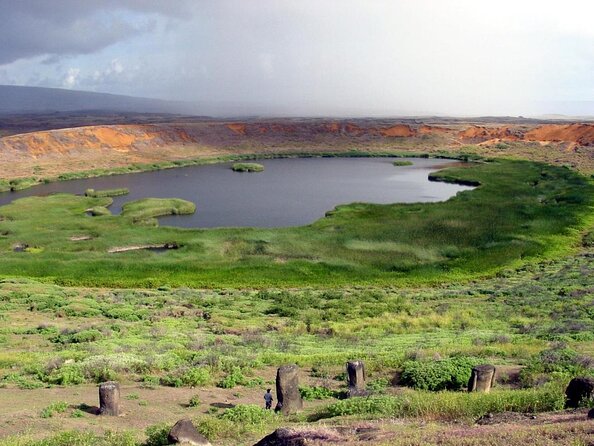
The route then turns to the southwest side of the island for Rano Kau. The crater is about 1.5 kilometers wide, with a lake inside and a large concentration of endemic Rapa Nui flora. In ancient times, the lake also served as an important source of drinking water.
The visit is scheduled for 30 minutes, making it the quickest stop. That is probably enough for the main view and a short explanation, but it is not a long walk or extended nature visit. If you like volcanoes and geology, you may wish this portion were longer. Still, the brief stop breaks up the archaeological sites and prepares you for Orongo, which sits on one side of the same crater.
Rano Kau also helps you see that Easter Island is not only about human-made monuments. The island’s volcanic origins shaped where people lived, where they found stone, and how they used water. The crater gives you a physical link between the natural setting and the culture you have been learning about all day.
Orongo: the strongest story of the day
Orongo is scheduled for two hours, making it the longest stop. That is a good choice. The village has a dramatic position beside Rano Kau, and it carries major archaeological and historic importance as the setting for the Birdman ceremony.
This is where the tour moves from questions about moai construction to questions about leadership, competition, and belief. The Birdman ceremony was one of the island’s major traditions, and the site includes a visitor reception center with a permanent interpretive exhibition.
I would give your full attention to the guide here. Nikolas was praised for telling the Birdman story in a way that made the site memorable, and that kind of storytelling is exactly what Orongo needs. The setting is striking, but the ceremony gives the cliffs and village their meaning.
Two hours should allow time for the village, the views around the crater, and the interpretive center. The operator does not list a meal or a separate break, so keep your expectations practical. You are visiting an archaeological site, not spending an afternoon at a resort.
Of all the stops, Orongo may be the most rewarding for anyone who wants more than a collection of impressive statues. The Birdman tradition gives you a different window into Rapa Nui society, and the guide’s ability to tell that story can shape your memory of the entire excursion.
How the guides affect the experience
The excursion is offered in English with a bilingual English and Spanish guide. The strongest praise centers on the guides, not just the route. Hugo has been described as warm, well informed, and proud of his island. Nikolas has been praised for combining local knowledge with engaging stories.
That matters on Easter Island because the sites can raise more questions than they answer. How were the statues moved? Why were they placed in certain locations? What did the platforms mean to the communities that built them? A good guide can explain the accepted ideas, distinguish them from theories, and admit where uncertainty remains.
The small group is another plus. The maximum is eight people per booking, and the experience is also described as offering a private guide for more personal service. Confirm the exact arrangement when booking if having a fully private vehicle or guide is important to you. The supplied details support a small, personal setup, but they do not spell out every private-group condition.
One account also refers to two guides and drivers being informative, helpful, and friendly. That suggests the operator can handle more than one vehicle when needed, although you should not assume you will have two guides unless your booking confirms it.
Price, park fees, and what you receive
The listed price is $285 per person. Add the mandatory $100 national park entrance fee and your basic cost becomes $385 per person. Food, drinks, and lunch are not included.
That is a substantial price for six hours, but the value depends on your situation. If you are on a cruise with one day on Easter Island, transport, pier pickup, a guide, bottled water, and a carefully chosen route can be worth paying for. The tour reaches six major stops and removes the pressure of arranging transport on your own.
The value is weaker if you want a slow visit at only one or two sites. The schedule gives most major stops about an hour, with only 30 minutes at Rano Kau and two hours at Orongo. You are paying for coverage and guidance, not a leisurely stay at each location.
The national park fee should be included in your budget from the start. Since admission is not included and is mandatory for everyone, the advertised price does not represent the final cost.
Who should book this Easter Island excursion?
I would choose this tour if you want a broad introduction to Rapa Nui in one shore day. It suits you especially well if you care about archaeology, local stories, and seeing both famous moai sites and the volcanic setting that shaped island life.
It is also a good match if you prefer a small group and want to ask questions. The English and Spanish guide format, bottled water, and pier pickup keep the day simple.
I would hesitate if your cruise schedule is uncertain, you dislike fixed itineraries, or you want a relaxed beach day. The route is full, and tender delays can shorten the available time. The non-refundable policy means you should also be confident in your date before paying.
The tour is rated five stars from nine reviews, and the praise is especially consistent about the guides. That does not erase the extra fee or the timing risk, but it points to the feature most likely to make the price worthwhile: a local person who can turn a sequence of ruins into a connected story.
FAQ
How long does the Easter Island highlights tour last?
The tour lasts approximately six hours. The scheduled stops add up to about five and a half hours, with the remaining time allowing for transport and movement between sites.
What time does the tour begin?
The stated start time is 8:00 a.m. Pickup begins at Hanga Piko in Hanga Roa, at the Easter Island pier area.
Where does pickup take place?
The operator meets participants at the pier and says staff will be there before the first tender arrives, holding a sign with the booking name. The tour returns you to the pier and tender area afterward.
Is the national park entrance fee included?
No. The mandatory national park ticket costs $100 per person and is not included in the $285 tour price.
What sites does the tour visit?
The route includes Rano Raraku, Ahu Tongariki, Anakena Beach, Ahu Akivi, Rano Kau, and Orongo.
Is lunch included?
No. Lunch, food, and drinks are not included. Bottled water is provided.
How many people can join the tour?
The maximum is eight people per booking. The experience also offers a private guide for a more personal arrangement.
What should I wear?
Lightweight, comfortable clothing, a hat, sunscreen, and flat, comfortable shoes are recommended.
Should you book it?
Book this excursion if you want to see the main archaeological and natural highlights of Easter Island with a local guide in one carefully packed day. The best reasons are the small group, strong guide reports, and the way the route connects the moai quarry, ceremonial platforms, volcanoes, beach, and Birdman site.
Before booking, add the $100 park fee to the price, plan for no included lunch, and consider the risk of a late tender. If those conditions fit your cruise schedule and budget, Kava Kava Tours offers a practical way to make your short visit count.
Just added around Easter Island
- Volcanic Refuges: Excursion to Underground Civilization★ 4.7 · 8 reviews
- Easter Island Ancestral Dinner and Show with Transport★ 4.5 · 2 reviews
- Volcanic Wonders and the Kingdom of the Birdman: Half Day★ 5.0 · 6 reviews
- Half Day Private Tour: Caves and Volcanic Refuges★ 4.0 · 14 reviews
- Tour to the Motus: Boat trip and snorkeling in Rapa Nui★ 5.0 · 8 reviews
- Birdman Ceremonial Route: Orongo, Ranu Kau Half-Day Tour★ 4.5 · 16 reviews
- Visit Rapa Nui in 4 days with 3 Tours and Accommodation included★ 4.0 · 2 reviews
- Private Tour: Tongariki Sunrise Experience★ 4.5 · 20 reviews
Easter Island Tours, compared.
Two days of Full Day Tour of Rapa Nui + Sunrise in Tongariki
Read our review →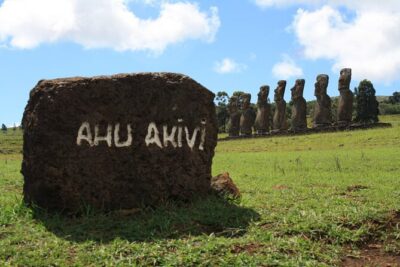
2-Day Private Tour Easter Island Highlights Complete Discovery
Read our review →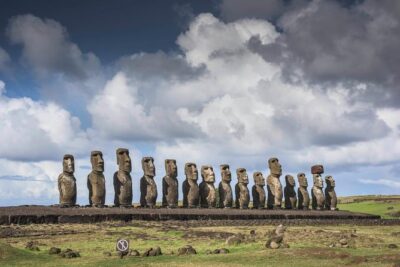
Private Tour: Full Day Easter Island Highlights
Read our review →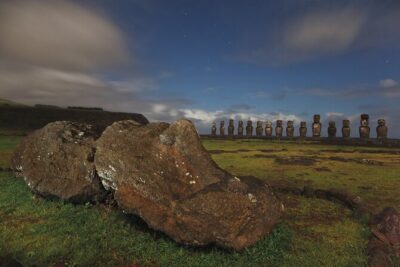
Browse the lists this tour appears in