
Reviewed · EASTER ISLAND TOURS
Sacred Horizons – 2 MUST VISIT full-day tours + lunch
Moai, craters, caves, and a beach make this two-day outing a strong introduction to Easter Island. Sacred Horizons takes you across Rapa Nui’s main archaeological sites in an air-conditioned vehicle, with lunch included each day and a maximum group size of 15.
I like the way the tour combines famous places such as Rano Raraku and Ahu Tongariki with quieter stops like Ana Te Pahu and Ahu Vinapu. I also like the second day’s finish at Anakena Beach, where archaeology gives way to white sand and swimming. The main drawback is its pace: some stops receive about 45 minutes, and the full program may feel longer than necessary if you prefer slow visits.
In This Review
- Key points to know before booking
- Why two days works on Easter Island
- Day one: crater views and inland moai
- Orongo and Rano Kau: Rapa Nui’s ceremonial high point
- Ahu Vinapu: Precise stonework without the crowds of the biggest sites
- Ana Te Pahu: A lava tube with a human story
- Ahu Akivi: Seven moai facing the sea
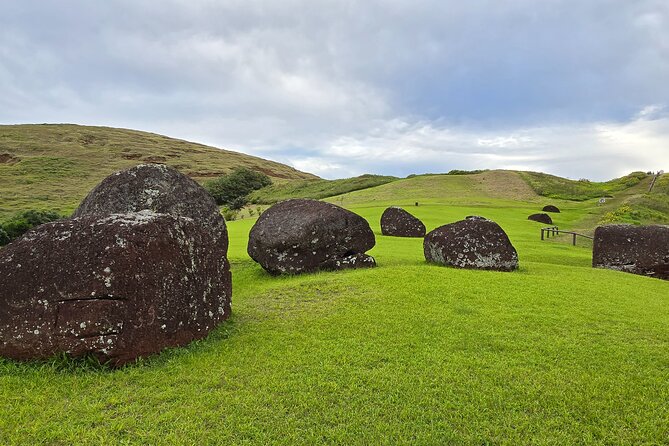
- Puna Pau: Where the red topknots were made
- Day two: the quarry, 15 moai, and Anakena Beach
- Ahu Akahanga: Toppled statues and a difficult past
- Rano Raraku: The island’s great moai workshop
- Ahu Tongariki: Fifteen moai in one powerful row
- Ahu Te Pito Kura: The largest fallen moai
- Anakena Beach: A swim after the archaeology
- What the $260 price really buys you
- Who will enjoy this tour most
- Booking timing and cancellation details
- Should you book Sacred Horizons?
- FAQ
- How long does the Sacred Horizons tour last?
- What time does the tour start?
- Where does the tour begin and end?
- Is hotel pickup available?
- Are National Park entrance fees included?
- Are meals included?
- How large is the group?
- Can cruise or charter-flight passengers book this tour?
Key points to know before booking
- The second day brings the biggest sights: Rano Raraku, Ahu Tongariki, Ahu Te Pito Kura, and Anakena Beach form the tour’s strongest sequence.
- You visit both major moai zones: The route covers inland ahu, coastal platforms, the statue quarry, and the red scoria quarry where pukao were made.
- Two lunches are included: Meals are part of the experience, and the provider says they are prepared with local ingredients by its kitchen team.
- The group is capped at 15 people: You get shared transport rather than private service, but the group should remain manageable.
- National Park entry is extra: Admission tickets are not included at the listed stops, so budget for the required entrance fee separately.
- Pickup must be confirmed: The operator confirms pickup by email or WhatsApp. Cruise and charter-flight passengers cannot use this reservation.
Why two days works on Easter Island
Easter Island is small on a map, but its archaeological sites are spread across the island. A two-day route gives you time to see the major moai centers without trying to cram everything into one long outing.
The schedule begins at 9:00 am and returns to the meeting point in Hanga Roa each day. You travel in an air-conditioned vehicle, which matters on an island where sun, wind, and uneven ground can make a full day tiring.
I see this tour as a practical overview rather than a slow archaeological study. Most stops last about 45 minutes. That is enough time for the main viewpoint, a walk around the site, and a guide’s explanation, but not enough for long photography sessions or extended wandering.
The group limit of 15 is a useful middle ground. You avoid the cost of private transportation while keeping the party smaller than a large coach tour. The tradeoff is that you will follow a set schedule and wait for the group at each stop.
More Rapa Nui trips and moai walks:
- From Hanga Roa: Rapa Nui Culture Sightseeing Tour
★ 4.6 · 307 reviews - From Hanga Roa: Easter Island Highlights 2-Day Tour
★ 4.3 · 205 reviews - From Hanga Roa: Easter Island Sightseeing Full Day Tour
★ 4.5 · 189 reviews
Day one: crater views and inland moai
Orongo and Rano Kau: Rapa Nui’s ceremonial high point
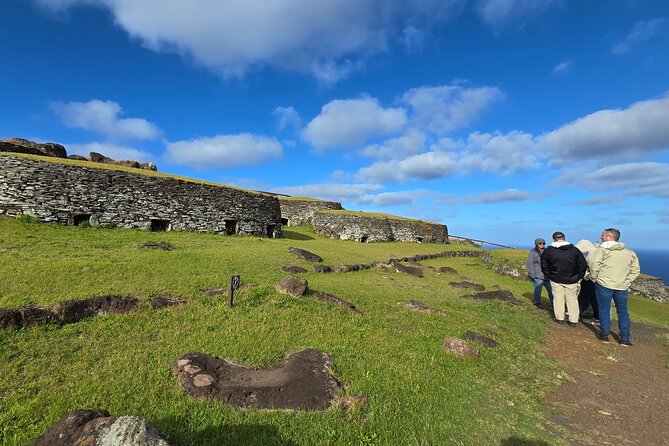
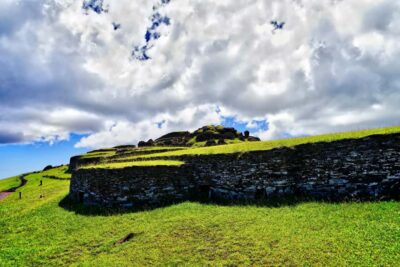
The first morning begins at Orongo, an ancient ceremonial village perched beside the Rano Kau crater. Its stone houses sit near the crater rim, and petroglyphs connect the site to the Tangata Manu, or Birdman, cult.
Orongo is one of the most important places on the island for understanding Rapa Nui religion. The setting is dramatic, but the cultural meaning is the real reason to pay attention here. Your guide can help explain how the ceremony shaped social power and why the birdman tradition mattered after the great moai-building period.
The visit lasts about 45 minutes. I would use that time for the village remains and the carved rock imagery, then pause for the views.
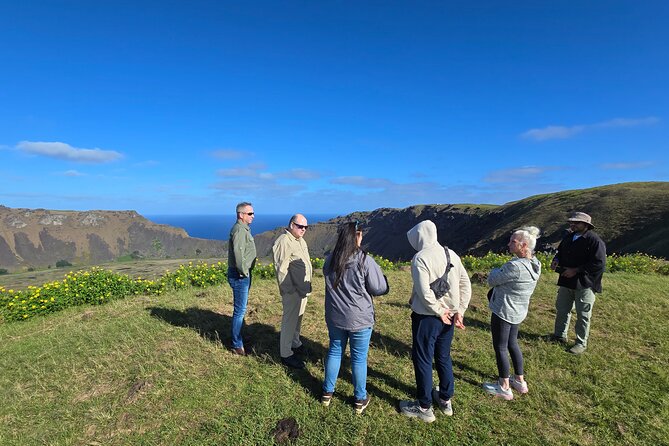
Rano Kau follows with another 45-minute stop. This volcanic crater holds a freshwater lagoon surrounded by thick vegetation. From the rim, you can see the crater interior, the ocean, and broad views across the island.
These two stops work well together. Orongo explains the island’s ceremonial life, while Rano Kau shows the volcanic setting that helped shape it. Since both require the National Park entrance fee, make sure you have arranged admission before the tour begins.
Ahu Vinapu: Precise stonework without the crowds of the biggest sites
Ahu Vinapu offers a different lesson. Its stone walls are known for careful fitting and precise alignment, giving you a chance to focus on construction rather than the familiar outline of a standing moai.
The site helps correct the idea that Rapa Nui monuments were simply large stones moved into place. The workmanship required planning, labor, and technical skill. I find this stop especially useful early in the tour because it gives you a sharper eye for stone joins and platform design later in the trip.
You receive about 45 minutes here. That is enough for a guided explanation and a close look at the ahu, though visitors who enjoy archaeology may wish for more time.
A few more Easter Island trips worth comparing side by side
- Portillo and Laguna del Inca Tour with Lunch at Hotel Portillo
★ 5.0 · 642 reviews - Santa Rita Vineyard Tour with Lunch An unforgettable experience!
★ 5.0 · 356 reviews - Puero Natales: Glacier Tour with Lunch & Whiskey Aperitif
★ 4.6 · 110 reviews - Casablanca world class wines, 4 vineyards & Tanino lunch stop
★ 5.0 · 109 reviews
Ana Te Pahu: A lava tube with a human story
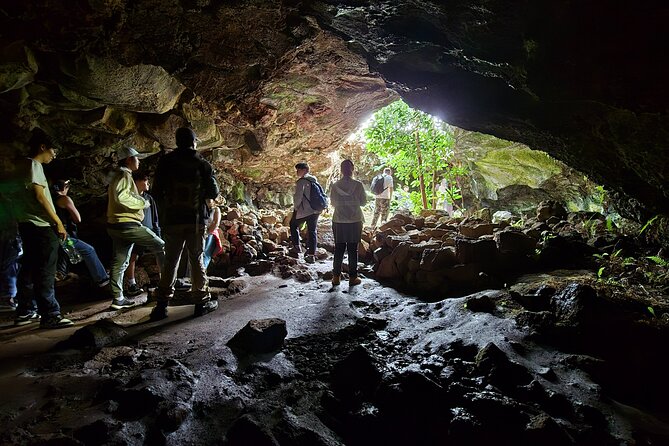
Ana Te Pahu is an ancient lava tube that the Rapanui used as a dwelling and refuge. It offers a more intimate look at island life than the huge ceremonial platforms do.
Inside and around the cave, archaeological remains point to periods of social unrest. The value of Ana Te Pahu lies in this change of scale. Instead of looking at monuments built for public ceremony, you consider where people lived, hid, and adapted to difficult conditions.
The stop lasts about 45 minutes. Wear sensible footwear and expect the visit to involve uneven ground. The supplied information does not specify special equipment or a restroom on board, so plan for a basic archaeological site visit rather than a polished attraction.
Ahu Akivi: Seven moai facing the sea
Ahu Akivi is one of the island’s best-known inland ahu. Seven moai face toward the sea, and oral tradition connects them with the first explorers of Rapa Nui.
The location makes this stop different from the coastal platforms you visit on day two. The statues are not simply lined up beside a beach or cliff. Their inland position adds another layer to the island’s ceremonial geography.
This is another 45-minute visit. I would pay attention to the alignment and the guide’s explanation of the oral tradition, then take time for photographs. The site is also a useful place to compare the moai with those you see at Tongariki and Anakena.
Puna Pau: Where the red topknots were made
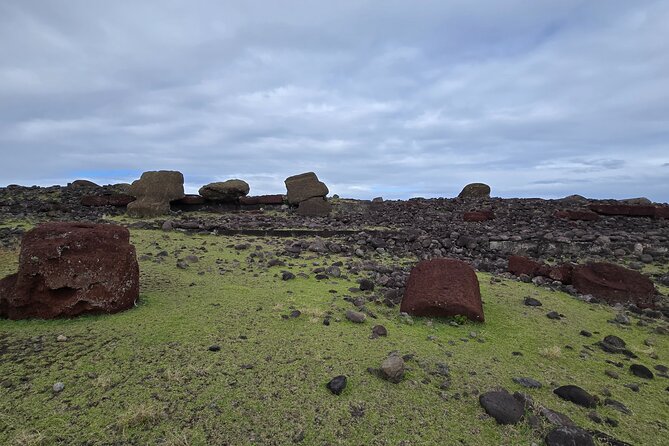
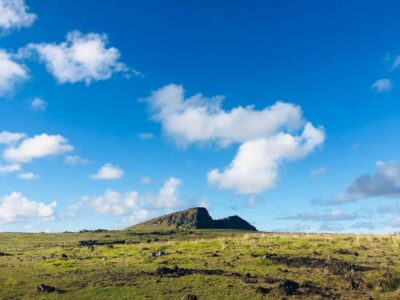
Puna Pau is a quarry of red scoria, the volcanic stone used to carve many pukao. These red topknots were placed on some moai and changed the appearance of the finished statues.
The stop gives you an important piece of the construction story. At Rano Raraku, you see where many bodies were carved. At Puna Pau, you see where another major element was produced. Together, they show that moai building depended on several work areas rather than one single site.
Puna Pau also offers wide views across the island. After a full day of stone platforms and caves, that open outlook is welcome.
Day two: the quarry, 15 moai, and Anakena Beach
Ahu Akahanga: Toppled statues and a difficult past
Day two opens at Ahu Akahanga, where toppled moai reflect conflict and major changes in ancient Rapanui society.
The site is less polished than a fully restored platform, and that is part of its value. You see the remains in a state that makes the island’s past feel less tidy. The toppled statues also give context for why restoration matters at places such as Tongariki.
You spend about 45 minutes here. Listen closely to the explanation, since the meaning comes from the site’s position in the wider story, not just from looking at fallen stones.
Rano Raraku: The island’s great moai workshop
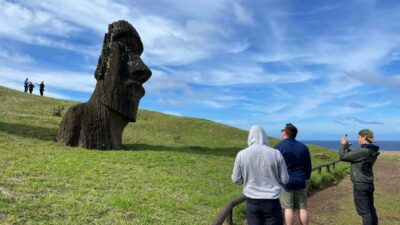
Rano Raraku is the central archaeological stop of the second day. This volcanic quarry is where most of the moai were sculpted, and unfinished statues remain in the slopes and surrounding ground.
This is where the scale of the work becomes easiest to understand. You can see statues at different stages of completion, which makes the quarry feel like a paused workshop. The unfinished figures also raise practical questions about how the statues were cut, moved, and abandoned.
The planned visit is about 45 minutes. I consider that tight for Rano Raraku. If you like photography, sculpture, or ancient engineering, you will probably want every minute available. Stay with the group and follow the marked access areas, since the site is part of the National Park and has its own rules.
Ahu Tongariki: Fifteen moai in one powerful row
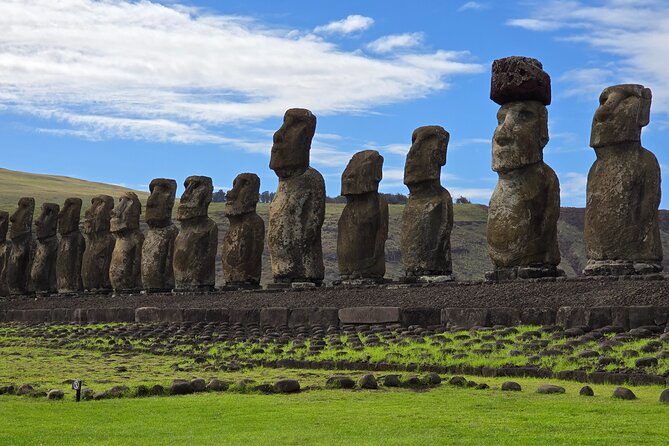
Ahu Tongariki is the visual high point for many people. Fifteen moai stand in a long row on the island’s largest restored ahu.
The scale is hard to grasp from photographs. Standing in front of the platform lets you compare the different sizes and forms of the statues, while the broad setting gives the row a strong sense of order.
This stop receives about 45 minutes. That is enough to see the platform and take memorable pictures, but you may wish the schedule allowed more time after Rano Raraku. The two sites are closely linked by the story of moai production, so I would keep notes or questions from the quarry in mind when you reach Tongariki.
Ahu Te Pito Kura: The largest fallen moai
Ahu Te Pito Kura is known for Paro, described as the largest moai ever erected on the island. The statue now lies toppled, which gives the site a very different mood from Tongariki.
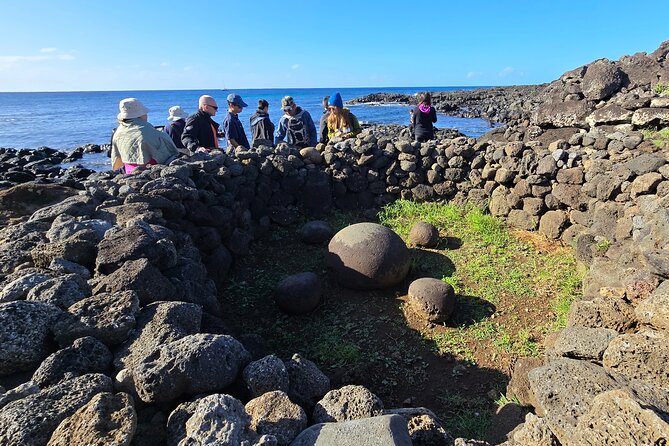
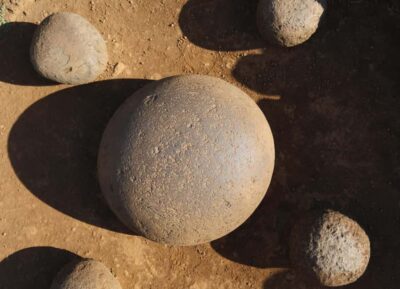
You also see a spherical stone associated with spiritual power and known in Rapa Nui tradition as the navel of the world. The contrast between the massive fallen statue and the smaller rounded stone makes this a memorable stop.
Again, the planned time is about 45 minutes. I would focus on the scale of Paro and the cultural meaning attached to the spherical stone rather than trying to linger over every detail.
Anakena Beach: A swim after the archaeology
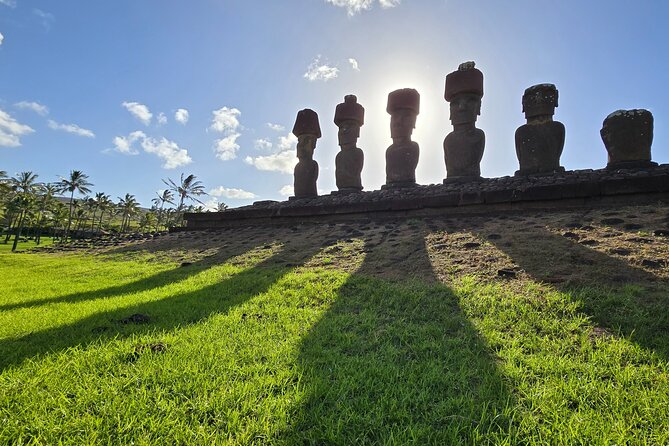
The final stop is Anakena Beach, a welcome change after two days of stone sites and volcanic ground. It has white sand and turquoise water, and it is linked to the arrival of the first Polynesian settlers.
Anakena also includes Ahu Nau Nau, where several moai have been restored. This combination makes the beach more than a rest stop. You can look at a ceremonial platform, then walk onto the sand or swim if conditions suit you.
The scheduled visit lasts one hour. One especially useful feature of the route is that the second lunch is connected with this full-day outing, allowing you to take a proper break rather than arranging food on your own.
The meal is served at a restaurant that the provider identifies as its own home. The kitchen team prepares the food that day with local ingredients, and the portions are described as generous local dishes. That gives the lunch a more personal feel than a standard stop at a generic roadside restaurant.
One practical point: lunch is included on both days, but the National Park entrance fee is not. You should also remember that there is no WiFi or restroom on board.
What the $260 price really buys you
At $260 per person, the tour is not a cheap sightseeing loop. The value comes from covering the island’s major archaeological areas over two days, providing transport, and taking care of lunch on both outings.
A private tour would give you more control over timing, but private transportation is specifically not included here. Sacred Horizons uses shared transport, with a maximum of 15 people. For many visitors, that is the sensible compromise on a remote island where transport and site planning can be awkward.
The strongest value is the range of places included. You visit Orongo, Rano Kau, Vinapu, Ana Te Pahu, Ahu Akivi, Puna Pau, Akahanga, Rano Raraku, Tongariki, Te Pito Kura, and Anakena. Few of these sites can be reduced to a quick photo stop without losing their meaning, so spreading them across two days makes practical sense.
The weaker point is that the program may feel slightly padded to someone who prefers a faster schedule. One assessment put it this way: the route could perhaps be compressed to a day and a half, with the second lunch skipped. I would not recommend cutting the second day, since it contains the quarry, the 15 moai, the largest fallen statue, and Anakena. But if you have limited time, the first day may feel less urgent than the second.
Who will enjoy this tour most
I would choose Sacred Horizons if you want a broad first look at Rapa Nui and prefer having transport, meals, and a guide arranged together.
It suits you especially well if:
- You want to see the main moai sites in two days.
- You prefer shared transport to arranging a car or private driver.
- You value local food and a hosted lunch.
- You want cultural explanations at archaeological sites.
- You have enough time for a steady, full-day schedule.
- You are happy to follow a fixed route with approximately 45 minutes at many stops.
You may want another format if you prefer to spend hours at one site, set your own pace, or avoid organized group travel. The lack of private transport means you cannot simply ask the driver to change the day’s plan.
The tour is offered in English, and most people can participate. Service animals are allowed, and the meeting point is near public transportation. Pickup is available, but it must be confirmed by email or WhatsApp. If the confirmation does not arrive, you need to report to the downtown sales office.
The reservation is not valid for people arriving by cruise ship or charter flight. That restriction matters on Easter Island, so check your arrival method before paying.
Booking timing and cancellation details
This experience is booked, on average, 82 days ahead. I would reserve early if your island dates are fixed, especially since the group is limited to 15 people.
You can receive a full refund if you cancel at least six full days before the start time. Cancellations made two to six full days ahead receive a 50 percent refund, while cancellations made less than two full days ahead are not refunded. The local cut-off time applies.
The tour requires good weather. If poor weather causes cancellation, you receive the choice of another date or a full refund.
Should you book Sacred Horizons?
I would book it if you want the most useful two-day introduction to Rapa Nui’s major sites without managing transport and meals yourself. The strongest day is day two, especially the run from Rano Raraku to Ahu Tongariki and then Anakena Beach.
I would hesitate only if you want a private itinerary or long, unhurried visits. For everyone else, the combination of famous moai, less familiar archaeological sites, two lunches, and a small shared group makes the $260 price reasonable. Just budget separately for the National Park entrance fee and confirm your pickup before the first 9:00 am departure.
FAQ
How long does the Sacred Horizons tour last?
The experience runs for approximately two days, with full-day touring on both days.
What time does the tour start?
The tour starts at 9:00 am.
Where does the tour begin and end?
It begins at Mahinatur Atamu Tekena, 2770000 Hanga Roa, Isla de Pascua, and ends back at the meeting point.
Is hotel pickup available?
Pickup is offered, but the Reservations staff must confirm the details by email or WhatsApp. If pickup is not confirmed, you need to go to the downtown sales office.
Are National Park entrance fees included?
No. The National Park entrance fee is not included, and admission tickets are listed separately from the tour price.
Are meals included?
Yes. Lunch is included on both tour days.
How large is the group?
The activity has a maximum of 15 travelers.
Can cruise or charter-flight passengers book this tour?
No. The reservation is not valid for guests traveling by cruise or charter flight.
Just added around Easter Island
- Volcanic Refuges: Excursion to Underground Civilization★ 4.7 · 8 reviews
- Easter Island Ancestral Dinner and Show with Transport★ 4.5 · 2 reviews
- Volcanic Wonders and the Kingdom of the Birdman: Half Day★ 5.0 · 6 reviews
- Half Day Private Tour: Caves and Volcanic Refuges★ 4.0 · 14 reviews
- Tour to the Motus: Boat trip and snorkeling in Rapa Nui★ 5.0 · 8 reviews
- Birdman Ceremonial Route: Orongo, Ranu Kau Half-Day Tour★ 4.5 · 16 reviews
- Visit Rapa Nui in 4 days with 3 Tours and Accommodation included★ 4.0 · 2 reviews
- Sunrise in Tongariki on Easter Island Rapa Nui★ 3.5 · 5 reviews
Easter Island Tours, compared.
Two days of Full Day Tour of Rapa Nui + Sunrise in Tongariki
Read our review →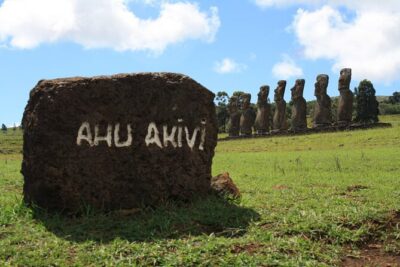
2-Day Private Tour Easter Island Highlights Complete Discovery
Read our review →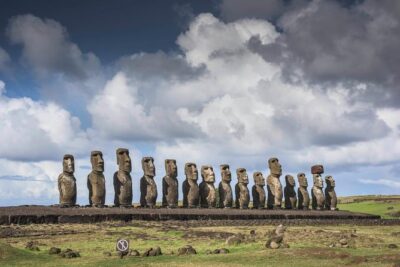
Private Tour: Full Day Easter Island Highlights
Read our review →
Browse the lists this tour appears in