
Reviewed · EASTER ISLAND TOURS
Private Tour: The Underground World of Rapa Nui Caves
The island keeps its best secrets underground. This private half-day outing combines Ana Kakenga and Ana Te Pahu with coastal cliffs, volcanic tunnels, and the moai site of Ahu Te Peu. I like the personal feel of a native guide and the fact that transport, lanterns, pickup, drop-off, and a rain cape are included. The main caution is practical: some cave entrances are small, and you may need to crawl inside.
I also like the gentle pace of the coastal walk between sites. It gives you time to take in the sea views instead of rushing from one famous stop to the next. Still, the $150 price does not include the National Park ticket, so add that cost before deciding if this private experience fits your budget.
In This Review
- Key points to know before booking
- Why Rapa Nui caves are worth your time
- Ana Kakenga and the first step into the lava tubes
- Ana Te Pora and the island’s underground atmosphere
- Ahu Te Peu connects the caves to the moai
- Ana Te Pahu brings the route back underground
- The coastal walk adds breathing room
- What the native guide adds
- The $150 price and what you receive
- Who will enjoy this tour most
- Flexible booking for changing island plans
- Should you book The Underground World of Rapa Nui Caves?
- FAQ
- How long does the Rapa Nui cave tour last?
- Which caves are included?
- Which archaeological site is visited?
- Is transportation included?
- Is a guide included?
- Are lanterns provided for the caves?
- Is the National Park ticket included?
- Can I cancel for a refund?
Key points to know before booking
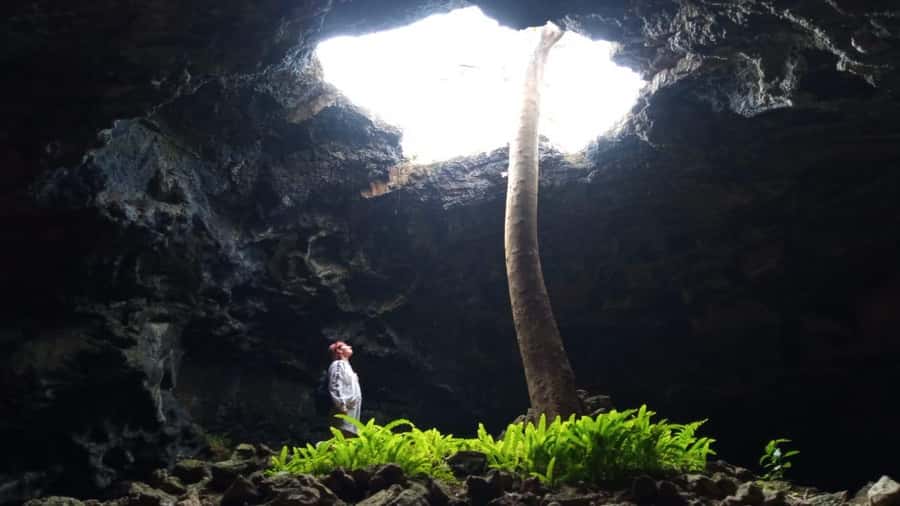
- Small cave entrances: Some openings require you to crouch or crawl, so comfortable clothes and shoes matter.
- Four important stops: You visit Ana Kakenga, Ana Te Pora, Ahu Te Peu, and Ana Te Pahu during the five-hour outing.
- Private guiding: Your group receives a live guide in English or Spanish rather than joining a large mixed group.
- Useful equipment included: Transportation, lanterns, pickup, drop-off, and a rain cape are part of the tour.
- Coast and culture together: The route links volcanic caves with moai, ceremonial traditions, folklore, and open coastal scenery.
- Half-day timing: The tour lasts five hours, making it a useful way to fill one morning or afternoon.
Why Rapa Nui caves are worth your time
Rapa Nui is often reduced to one famous image: huge stone moai facing inland. Those statues matter, but the island’s caves show another side of its past. The lava tubes were shaped by ancient volcanic activity, then used and remembered by the Rapa Nui people.
I like this experience because it puts geology and culture in the same frame. You are not simply walking into a dark hole to see rock formations. At each stop, the guide connects the natural setting with beliefs, daily life, ceremonial practices, and stories from the island.
The private format matters here. Caves can feel awkward when a group is large. You may need to pause at a narrow entrance, adjust your footing, or listen closely in a shadowy passage. With a private group, the outing should feel more flexible, although the exact pace will still depend on the people in your party and the conditions on the day.
The tour takes about five hours. That is long enough to cover several distinct places without turning the day into a full expedition. It is also short enough to leave room for other Rapa Nui sights, though the route is not a quick photo stop program.
More Private Tours in Easter Island
- 2-Day Private Tour Easter Island Highlights Complete Discovery
★ 5.0 · 110 reviews - Private Tour: Full Day Easter Island Highlights
★ 5.0 · 106 reviews - Private Full-Day Easter Island Highlights North and West
★ 5.0 · 84 reviews
Ana Kakenga and the first step into the lava tubes
Ana Kakenga is the first major cave on the route. Its story begins below ground, where old lava flows left behind a tunnel shaped by volcanic activity. Inside, you can expect a darker, cooler setting than the open coast, with rock formations formed over a long period of time.
The entrance is part of the experience. Based on the practical feedback available, some openings on this outing can be quite small. You may need to crouch low or crawl for a short stretch, so do not arrive expecting a broad walkway with headroom throughout.
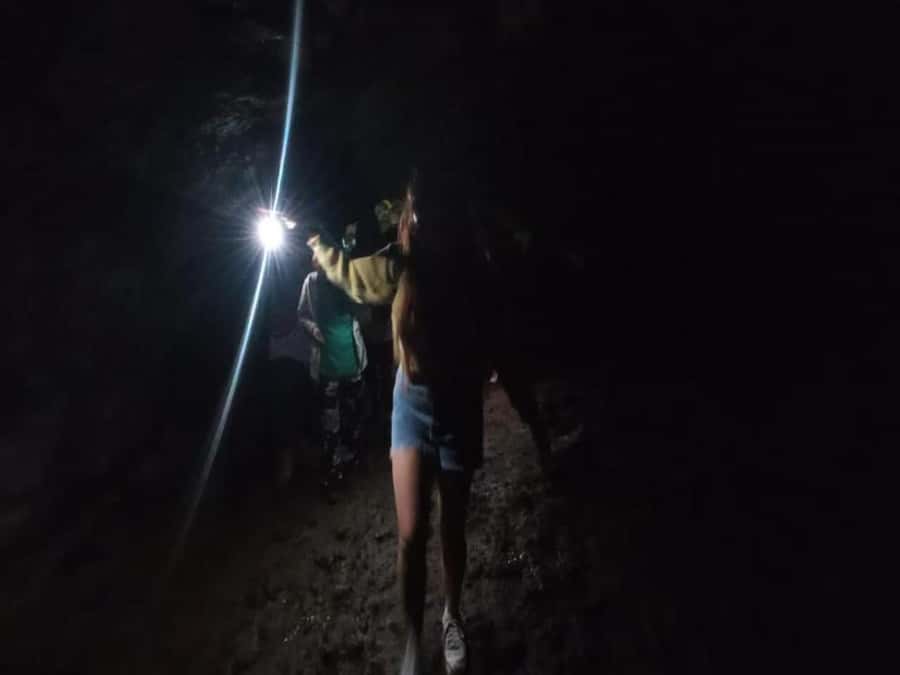
The included lanterns are important here. They allow you to see the uneven rock and make the interior easier to appreciate than a phone flashlight would. Even so, you should move carefully and wear shoes that feel secure.
I would treat Ana Kakenga as an introduction to the tour’s character. It is not just about checking off a named cave. You begin to understand how volcanic rock shaped the island and how much of Rapa Nui’s story sits outside the usual road-and-statue circuit.
Ana Te Pora and the island’s underground atmosphere
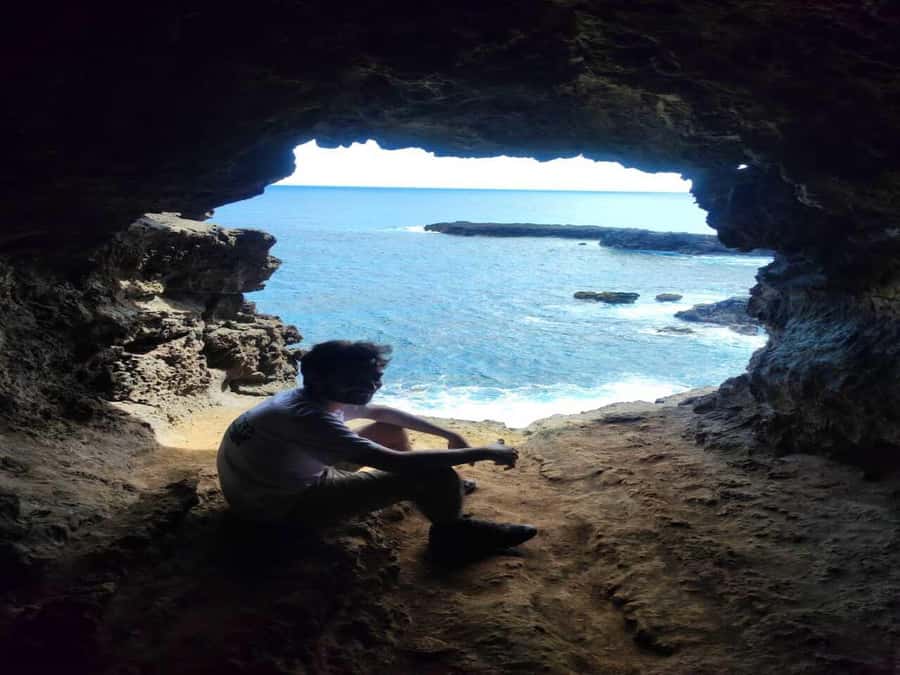
Ana Te Pora adds a different mood. The cave’s light and shadow create an almost theatrical setting, with natural darkness broken by the lanterns and the openings in the rock.
Your guide explains the cultural meaning attached to these places, including ancient beliefs and practices connected with the Rapa Nui people. That context gives the cave more weight. Without it, you might notice the shapes and echoes but miss why these spaces matter beyond their geology.
The tour description also points to the changing way light enters the cave. This is one reason I would avoid rushing through. Pause when you can. Look at the walls, listen to the sound of your group, and notice how quickly the outside world disappears.
There is a tradeoff. A cave visit is not ideal for anyone who dislikes tight spaces or uneven ground. The material provided does not give a formal accessibility rating, so I would ask the provider directly if you have concerns about crouching, crawling, or walking on irregular surfaces.
Ahu Te Peu connects the caves to the moai
Ahu Te Peu shifts the focus from volcanic tunnels to ceremonial stonework. This sacred site contains the remains of an ancient platform associated with moai statues. Here, the guide explains the skill and effort involved in shaping these large figures and the ceremonies once held at the site.
This stop helps the itinerary avoid becoming a cave-only outing. You see how the island’s natural setting and cultural traditions fit together. The moai are not isolated objects placed for decoration. They belong to a larger system of ceremonies, ancestral respect, and community life.
I find the contrast useful. In the caves, the mood is enclosed and quiet. At Ahu Te Peu, the story opens into a broad cultural setting, with stonework and coastal scenery helping you picture how people used the area.
Do not expect a complete museum-style explanation at the site. The value comes from standing among the remains and hearing the guide interpret them. The quality of that explanation will shape much of your experience, which is why the native guide is one of the tour’s strongest features.
More Rapa Nui trips and moai walks:
- From Hanga Roa: Rapa Nui Culture Sightseeing Tour
★ 4.6 · 307 reviews - From Hanga Roa: Easter Island Highlights 2-Day Tour
★ 4.3 · 205 reviews - From Hanga Roa: Easter Island Sightseeing Full Day Tour
★ 4.5 · 189 reviews - Two days of Full Day Tour of Rapa Nui + Sunrise in Tongariki
★ 4.5 · 132 reviews
Ana Te Pahu brings the route back underground
The final cave, Ana Te Pahu, gives the outing a strong finish. It has its own historical importance, and the guide uses stories from the island’s past to explain what you are seeing.
Natural acoustics are part of the appeal. Sounds can carry differently inside the cave, creating an unusual sensory effect. That may make the space feel connected to an earlier period, even though the visit itself is a modern guided walk.
Again, the best approach is to slow down. The point is not to race from the entrance to the exit. Let the guide explain the setting, and give yourself time to notice the shifts in sound, temperature, darkness, and rock texture.
Ana Te Pahu also rounds out the geological story. By this point, you have seen several underground spaces rather than one repeated cave experience. Each stop has a slightly different atmosphere, and the route becomes a study in how volcanic formations can shape both nature and human use.
The coastal walk adds breathing room
The caves are the headline, but the coastal scenery keeps the five-hour route from feeling cramped. Walks along the cliffs provide open views and a change of pace between underground stops.
This part of the outing received especially warm praise for its peaceful feel. I can see why. After crouching through a narrow cave, standing beside the coast gives you room to stretch, take photos, and absorb the scale of Rapa Nui.
The route is described as a relaxing walk along the cliffs leading toward the caves. That wording suggests a calmer outing rather than a hard-core trek, but you should still bring comfortable shoes. The tour includes a rain cape, yet sunscreen remains essential because much of the experience takes place outdoors.
The coastal sections also help you understand the island as a whole. Rapa Nui is not only a collection of archaeological points. Its cliffs, sea views, lava formations, and open spaces are part of what gives each ceremonial site its setting.
What the native guide adds
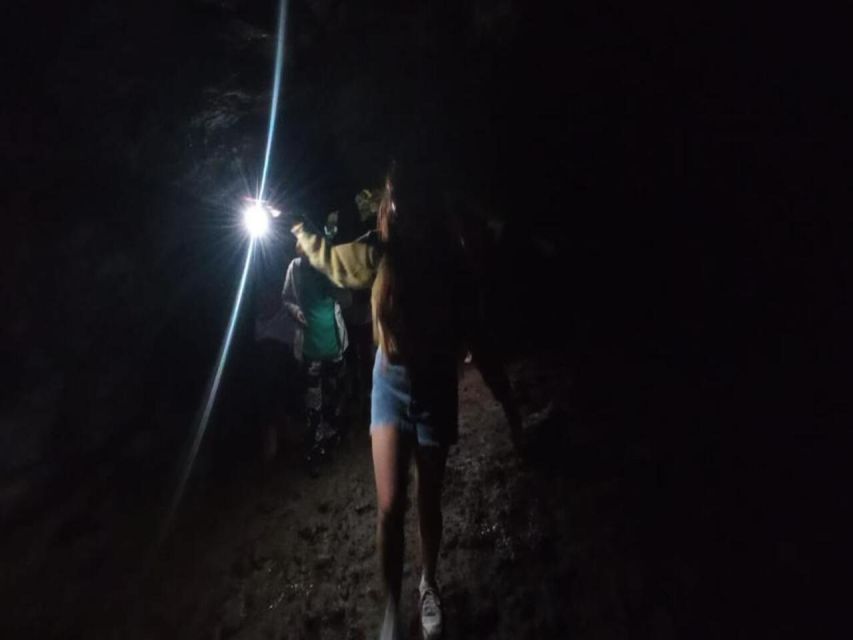
The guide is more than a person who leads you from one cave to the next. The tour promises a native guide who speaks English or Spanish and explains the island’s folklore, beliefs, ceremonies, and past.
That local viewpoint is particularly useful at the caves. Rocks do not explain themselves, and a short visit could otherwise become a simple geology lesson. The guide gives the places a human meaning and helps you connect the underground spaces with the moai and sacred sites above ground.
The experience is private, so you have a better chance to ask questions that match your interests. You might want more detail about volcanic formations, ancient practices, the moai, or local stories. The tour’s value will be highest if you use that opportunity rather than treating the guide as background narration.
The available feedback gives the experience an overall score of 4.2 out of 5 from 23 ratings. The strongest praise centers on the peaceful coastline, unusual caves, information about the island, and the feeling of getting away from the busiest sightseeing pattern. That is a good sign for anyone who wants context and atmosphere, not just a checklist of famous names.
The $150 price and what you receive
At $150 per person, this is not a budget cave walk. The price makes more sense if you value privacy, transport, and interpretation.
Included are:
- Native guide
- Transportation
- Pickup and drop-off
- Lanterns
- Rain cape
Those inclusions remove several small expenses and planning tasks. You do not need to arrange your own ride between sites, carry lighting for the cave sections, or worry about being caught without rain protection.
The National Park ticket is not included. That is the main extra cost to remember. Since the exact ticket price is not provided here, check it before booking and include it in your total.
For a solo visitor, $150 is a meaningful outlay. For a private group, the price may feel more reasonable because you are paying for a more personal outing rather than a standard group transfer. I would choose this tour if you want a guide to explain the cultural side and prefer a relaxed, tailored route. If you only want to see one cave at the lowest possible price, a private five-hour experience may be more than you need.
Who will enjoy this tour most
I would recommend this outing to you if you like unusual natural sites, local storytelling, and small-group freedom. It suits people who are curious about what lies beyond the standard moai viewpoints.
It is also a good match if you want a half-day activity with a mix of walking, scenery, archaeology, and cave exploration. The coastal sections provide peace, while the underground stops add a sense of adventure.
You should think carefully before booking if tight entrances make you uncomfortable. One German-language rating specifically notes that some cave entrances were small enough to require crawling. That is a useful warning, not a minor footnote.
Bring comfortable shoes, sunscreen, and comfortable clothing. A rain cape is supplied, but sensible outdoor clothing is still wise. Since the outing includes both open cliffs and underground spaces, you should prepare for two different settings in the same afternoon.
The tour is offered in English and Spanish. It is a private group experience, so it may be especially useful if your party wants to ask questions or keep a slower pace.
Flexible booking for changing island plans
You can cancel up to 24 hours before the activity for a full refund. The reserve-now-and-pay-later option also lets you hold a place without paying immediately.
That flexibility is useful on an island trip, where weather and daily plans can shift. Starting times depend on availability, so check the schedule before you settle the rest of your day around it.
The five-hour length deserves attention. One French rating specifically appreciated the experience but stressed that it is a half-day excursion. In practical terms, do not plan another major activity too close to its start or finish.
Should you book The Underground World of Rapa Nui Caves?
Book this tour if you want Rapa Nui to feel like more than a series of moai stops. The combination of Ana Kakenga, Ana Te Pora, Ahu Te Peu, and Ana Te Pahu gives you volcanic scenery, sacred sites, coastal views, and local interpretation in one outing.
I would make the booking after confirming two things: the National Park ticket cost and your comfort with small cave entrances. If you are happy to crouch or crawl when needed, the caves add a memorable sense of adventure. If you need wide, level paths, this may not be the right choice.
At $150 per person, the tour earns its value through the private format, native guide, transport, equipment, and broad mix of experiences. For someone who wants a quieter, more personal look at Rapa Nui, it is a strong half-day choice.
FAQ
How long does the Rapa Nui cave tour last?
The tour lasts five hours and is designed as a half-day excursion.
Which caves are included?
The route includes Ana Kakenga, Ana Te Pora, and Ana Te Pahu.
Which archaeological site is visited?
The tour visits Ahu Te Peu, a sacred site with the remains of a ceremonial platform and moai statues.
Is transportation included?
Yes. Transportation, pickup, and drop-off are included.
Is a guide included?
Yes. A native live guide is included, with tours available in English or Spanish.
Are lanterns provided for the caves?
Yes. Lanterns are included in the tour.
Is the National Park ticket included?
No. The National Park ticket is not included in the $150 price.
Can I cancel for a refund?
Yes. You can cancel up to 24 hours in advance for a full refund.
Just added around Easter Island
- Volcanic Refuges: Excursion to Underground Civilization★ 4.7 · 8 reviews
- Easter Island Ancestral Dinner and Show with Transport★ 4.5 · 2 reviews
- Volcanic Wonders and the Kingdom of the Birdman: Half Day★ 5.0 · 6 reviews
- Half Day Private Tour: Caves and Volcanic Refuges★ 4.0 · 14 reviews
- Tour to the Motus: Boat trip and snorkeling in Rapa Nui★ 5.0 · 8 reviews
- Visit Rapa Nui in 4 days with 3 Tours and Accommodation included★ 4.0 · 2 reviews
- Birdman Ceremonial Route: Orongo, Ranu Kau Half-Day Tour★ 4.5 · 16 reviews
- Private Tour: Tongariki Sunrise Experience★ 4.5 · 20 reviews
Easter Island Tours, compared.
Two days of Full Day Tour of Rapa Nui + Sunrise in Tongariki
Read our review →
2-Day Private Tour Easter Island Highlights Complete Discovery
Read our review →
Private Tour: Full Day Easter Island Highlights
Read our review →
Browse the lists this tour appears in