
Reviewed · EASTER ISLAND TOURS
Moai Rise and Fall: Full Day Private Tour
The moai tell a complicated story. This private Easter Island tour connects the island’s major archaeological sites with a slow pace, a private English-speaking guide, and enough time to ask real questions. I especially like the careful focus on Rapa Nui culture and the chance to see both famous monuments and less-visited details, such as the Papa Tataku Poki petroglyphs.
I also like that the day is built around interpretation, not quick photo stops. Guide Christian has been praised for his strong command of English and detailed explanations of the island’s legends and changing culture. The main drawback is cost: at $350 per person, plus the required National Park Ticket, this is a serious expense for a day out.
In This Review
- What makes this Easter Island tour different
- Why a private day helps you read Rapa Nui
- Ahu Tahai gives you the island’s opening chapter
- Ahu Vaihu explains the fall of the moai
- Ahu Akahanga keeps the ruins unrestored
- Ahu Tongariki brings the biggest monument into view
- Rano Raraku is the day’s essential two-hour visit
- The pace, transport, and price
- Who will get the most from this experience
- Booking, weather, and the final call
- FAQ
- How long does the Moai Rise and Fall tour last?
- Is the National Park Ticket included?
- Where can pickup take place?
- Is this a private tour?
- Is the tour offered in English?
- What happens if bad weather cancels the tour?
What makes this Easter Island tour different
- Rano Raraku gets two full hours, giving you time to understand how the moai were carved and to see nearly 400 unfinished statues.
- The private format keeps the day flexible, with your guide focused on your group’s questions and interests.
- Ahu Vaihu and Ahu Akahanga show the fallen moai, offering a sobering counterpoint to the restored monuments.
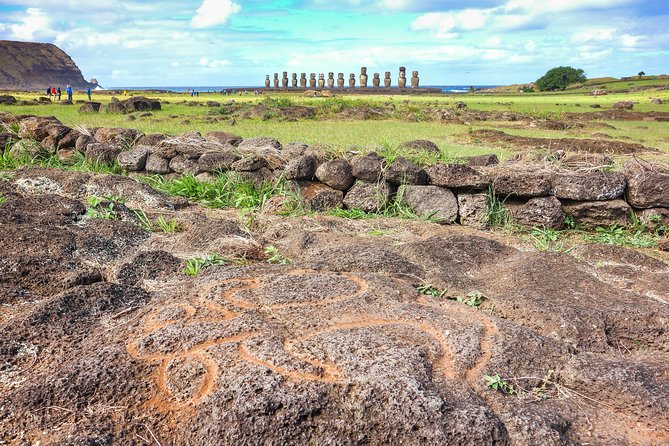
- Ahu Tongariki includes Papa Tataku Poki, a petroglyph site tied to stories of warfare.
- Pickup is available across Hanga Roa, including the airport, hotels, hostels, vacation homes, and camping sites.
- Snacks, private transport, and an air-conditioned vehicle are included, but the National Park Ticket is not.
Why a private day helps you read Rapa Nui
Easter Island is not a place where a quick list of photo stops tells the whole story. The statues are impressive, but the harder questions matter just as much. Why were so many moai toppled? How did the ceremonial centers work? What changed in Rapa Nui society over time?
This tour is designed around those questions. You visit several major ahu, or ceremonial platforms, while your guide builds a broad picture of the people who made them. The day also moves at a slower pace than a rushed group outing, which gives you room to look closely, pause for photographs, and ask about details that catch your eye.
The private setup is valuable here because the sites are spread across the island and each one raises different questions. You might want more time at the quarry, while another group might care most about legends or the island’s geology. With only your group participating, the guide can adjust the conversation instead of giving the same fixed speech to a large crowd.
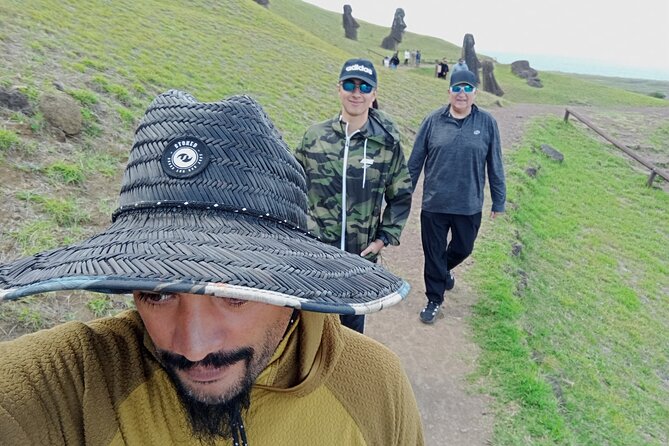
The tour is offered in English. Christian is the guide most clearly praised in the available comments, especially for his command of English and his detailed grasp of Easter Island’s history, legends, and cultural changes. That does not guarantee a particular guide on your date, but it gives you a useful sense of the standard this company aims for.
More Private Tours in Easter Island
- 2-Day Private Tour Easter Island Highlights Complete Discovery
★ 5.0 · 110 reviews - Private Tour: Full Day Easter Island Highlights
★ 5.0 · 106 reviews - Private Full-Day Easter Island Highlights North and West
★ 5.0 · 84 reviews
Ahu Tahai gives you the island’s opening chapter
The day begins at Ahu Tahai, a strong place to get your bearings. The archaeological complex contains three major ahu, along with remains of other structures connected to earlier Rapa Nui life.
You should expect about an hour here. That is enough time for a serious introduction rather than a quick look from the roadside. Your guide can explain how the ceremonial platforms fit into Rapa Nui society and help you notice the difference between the structures instead of treating every stone as part of one large ruin.
Tahai is also connected with William T. Mulloy, the American archaeologist whose work on Easter Island is remembered at a memorial here. That visit adds a modern chapter to the story. Understanding the work of archaeologists helps you see why some sites are restored, why others remain fallen, and how much interpretation is based on careful study.
The admission charge for the stop itself is listed as free, but you still need the National Park Ticket to enter most sites on the tour. Buy or arrange that ticket before setting out, since it is not included in the $350 price.
Ahu Vaihu explains the fall of the moai
At Ahu Vaihu, the mood changes. The site contains the remains of a monumental ahu, with fallen moai scattered around the ceremonial area. It is a powerful place to discuss the collapse of the old ceremonial order, but it also requires care.
Your guide covers the possible reasons for the statues’ fall, modern stories about the collapse, and the changes that brought the ancient culture to an end. That distinction matters. Easter Island is often reduced to a simple tale of ecological disaster and social collapse, but the tour aims to present the subject with more care and less certainty than a catchy one-line explanation allows.
A nearby interpretive center includes a working replica of an ancient micro-village. This gives the site a useful human scale. You are not only looking at toppled stone figures. You are also considering how people lived, organized their homes, and connected daily life with ceremonial places.
Plan on about an hour here. The site may appeal most to you if you want cultural explanation, not just the famous statues. If you prefer a nonstop sequence of scenic viewpoints, this slower discussion could feel less exciting. That is part of the bargain with this tour: the guide spends time on meaning.
Ahu Akahanga keeps the ruins unrestored
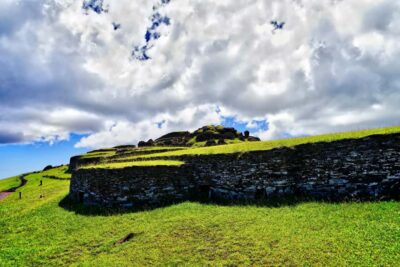
Ahu Akahanga offers a different kind of lesson. This is a major ceremonial center left unrestored, with more than a dozen fallen statues facing the remains of an ancient village.
The lack of reconstruction is important. Restored monuments can help you picture how a ceremonial platform once looked, but an unrestored site shows the damage and disorder more plainly. Here, you get a stronger sense of abandonment and the break between the old ceremonial system and the later periods of Rapa Nui life.
The planned visit lasts about 40 minutes. That is shorter than the stops at Tahai, Tongariki, and Rano Raraku, but it should be enough for a guided walk around the ahu and village remains. Your guide can help you compare Akahanga with Vaihu, since both show fallen moai but do so in different settings.
I would pay attention to the relationship between the ceremonial center and the old village. The statues are the obvious focus, yet the village remains help you picture the people behind the monuments. This is one reason a private guide is helpful. Without context, you could easily photograph the stones and miss the settlement that made the site a living place.
More Rapa Nui trips and moai walks:
- From Hanga Roa: Rapa Nui Culture Sightseeing Tour
★ 4.6 · 307 reviews - From Hanga Roa: Easter Island Highlights 2-Day Tour
★ 4.3 · 205 reviews - From Hanga Roa: Easter Island Sightseeing Full Day Tour
★ 4.5 · 189 reviews - Two days of Full Day Tour of Rapa Nui + Sunrise in Tongariki
★ 4.5 · 132 reviews
Ahu Tongariki brings the biggest monument into view
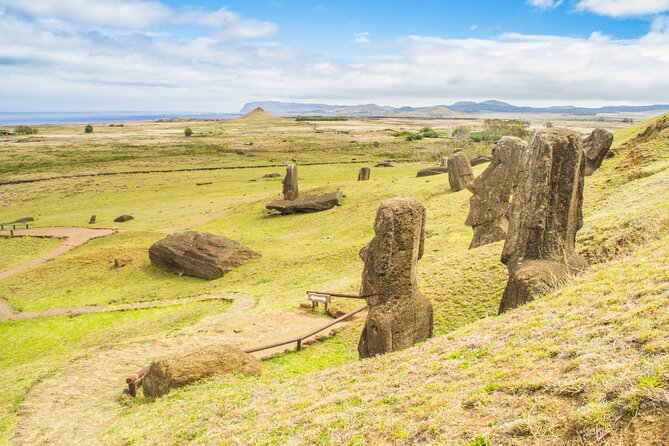
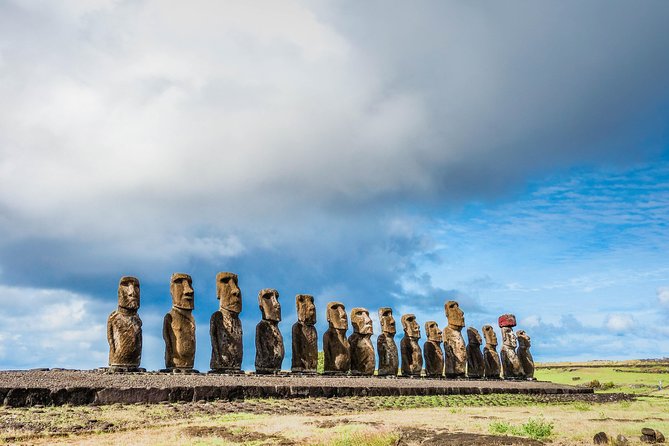
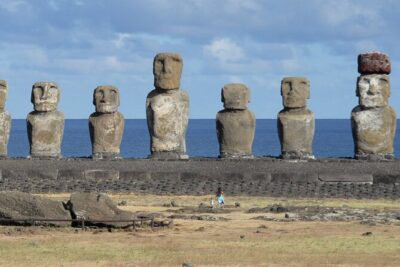
Ahu Tongariki is the grand centerpiece of the day. It is described as the largest ceremonial monument in Polynesia, and the scale is easy to appreciate when you walk around the ahu rather than viewing it only from a distance.
The visit lasts about 90 minutes. That longer block gives you time to examine the platform, the moai, and the setting without being pushed immediately back into the vehicle. You also visit Papa Tataku Poki, a nearby petroglyph site associated with detailed legends about warfare.
That pairing makes Tongariki more than a monument stop. The ahu shows the power and ambition of Rapa Nui ceremonial construction, while the petroglyphs connect the area with stories of conflict and political change. Ask your guide to explain which parts are supported by archaeology and which belong to oral tradition. That is where the tour’s cultural focus should be most useful.
Tongariki is also the stop most likely to satisfy the part of you that came to see the iconic Easter Island image. Still, the tour does not treat it as the whole story. By reaching Tongariki after Vaihu and Akahanga, you have already seen the fall of other moai, so this monument carries more weight.
Rano Raraku is the day’s essential two-hour visit
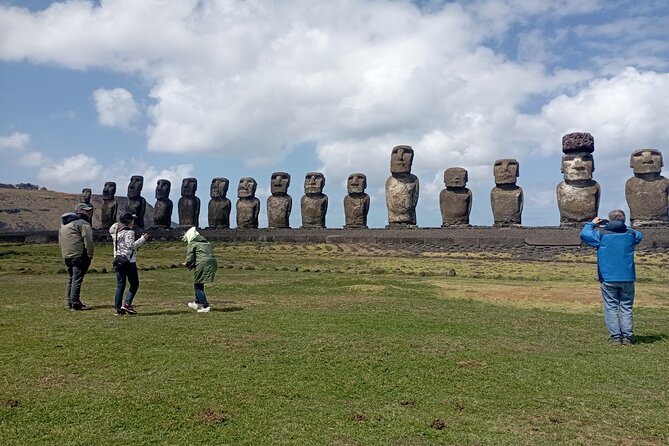
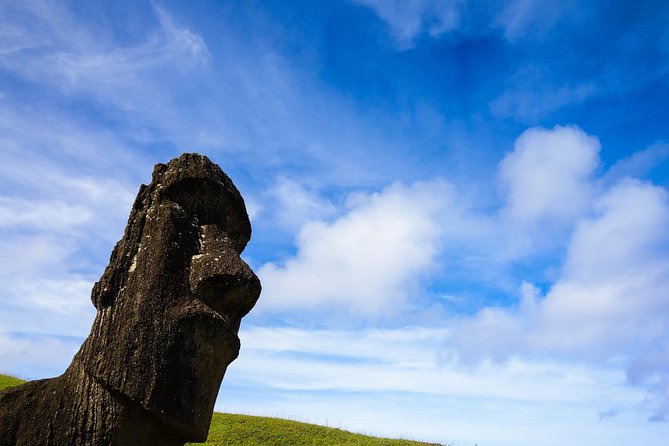
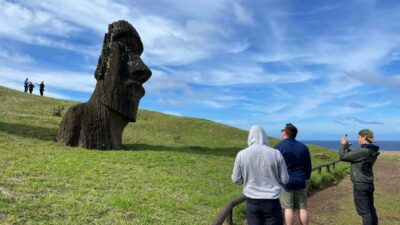
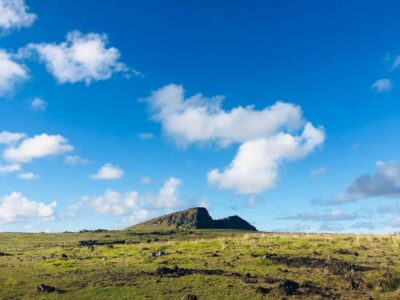
Rano Raraku is the strongest reason to choose this tour over a shorter island circuit. This volcanic site was the main birthplace of the moai, and close to 400 statues remain here in various stages of carving.
Two hours are set aside for the visit, including a detailed walk through the site’s features. That is a welcome amount of time. Rano Raraku is not just a place to count statues. You can consider how the figures were shaped, what unfinished work reveals about the carving process, and why so many moai remain in the quarry rather than at an ahu.
The site also matters geologically. It includes a small caldera at the top, which you may visit if weather allows. That weather condition is worth noting. The tour requires good weather, and the route to the caldera may not be possible in poor conditions.
You will want sturdy, comfortable footwear and protection from the sun, although those specific items are not supplied. This is practical advice rather than a promise about site conditions. The visit involves walking through an archaeological area, and two hours can pass quickly when your guide explains each stage of the quarry.
Rano Raraku can also be emotionally striking. The unfinished figures make the work feel interrupted. Instead of seeing only completed statues placed on ceremonial platforms, you see the production area itself, with the process frozen at different points. A strong guide can turn that contrast into one of the clearest lessons of the day.
The pace, transport, and price
The tour begins at 9:00 a.m. and lasts about five to eight hours. The listed visits add up to roughly five hours and ten minutes, before driving time, pickup, and any small adjustments during the day. The wide duration range reflects the fact that this is a full island outing with several stops and a private format.
Pickup is available anywhere in the Hanga Roa urban area. That includes Mataveri International Airport, major hotels, hostels, vacation homes, camping sites, and downtown locations. The meeting point is on Atamu Tekena in Hanga Roa, and the tour returns there at the end.
An air-conditioned vehicle and private transportation are included. On a long day across Easter Island, that matters. You can leave the planning and driving to the company, keep your group together, and return to the vehicle between archaeological sites. Snacks are also included, a small but useful touch during a day with several walks.
The $350 per person price is easiest to justify if you value time, explanation, and privacy. A private guide can answer your questions directly and spend more time at the places that interest you. The price is harder to defend if you only want transport to the main monuments or if you are traveling alone on a tight budget.
Group discounts may improve the value for families or friends traveling together. Because only your group participates, the per-person cost can make more sense when shared among several people, though you should check the final rate at booking.
The National Park Ticket is an extra cost and is required for most of the sites. Factor it into your budget before comparing this tour with other options. The price also does not mean every possible expense is covered, so read the booking details carefully.
Who will get the most from this experience
I would choose this tour if you want the island explained, not simply displayed. It suits you especially well if you enjoy archaeology, oral traditions, Polynesian culture, and long conversations with a guide.
It is also a good fit for first-time visitors who want a strong introduction to the main sites. Tahai gives you a foundation, Vaihu and Akahanga show the fall of the moai, Tongariki provides the grand monument, and Rano Raraku explains where the statues came from. The sequence creates a useful story across the day.
The tour may be less suitable if you want a very short outing, a fixed five-hour schedule, or the lowest available price. The slow pace is a strength for curious visitors, but it requires a full morning and afternoon. You should also be comfortable with walking around archaeological sites and with changing plans if weather affects the caldera visit.
The experience is offered in English, so it works best if you can follow a detailed discussion in that language. The available praise for Christian focuses on his English and his command of the subject, which is encouraging for English-speaking customers seeking more than basic commentary.
Booking, weather, and the final call
You receive confirmation at booking, and most people can participate. The activity is private, with only your group taking part. You can cancel free of charge up to 24 hours before the start time for a full refund. A cancellation made less than 24 hours ahead is not refundable, and late changes are not accepted.
The tour requires good weather. If the operator cancels because conditions are poor, you are offered another date or a full refund. Since the caldera visit at Rano Raraku is also weather dependent, keep a little flexibility in your expectations.
Should you book it? Yes, if you want context and personal guidance, and if the price fits your Easter Island budget. The strongest parts are the private attention, the detailed cultural discussion, and the generous time at Rano Raraku and Tongariki.
I would skip it only if you mainly need inexpensive transportation or prefer to move quickly between viewpoints. For everyone else, this is a well-shaped day that links the island’s greatest monuments with the harder story behind them.
FAQ
How long does the Moai Rise and Fall tour last?
The experience lasts approximately five to eight hours, beginning at 9:00 a.m. The timing can vary because it includes several archaeological stops, driving, and a private pace.
Is the National Park Ticket included?
No. You must have the National Park Ticket to enter most of the sites, and it is not included in the tour price.
Where can pickup take place?
Pickup is available throughout the Hanga Roa urban area, including Mataveri International Airport, major hotels, hostels, vacation homes, camping sites, and downtown locations.
Is this a private tour?
Yes. Only your group participates in the activity, and the transportation is private.
Is the tour offered in English?
Yes. The tour is offered in English.
What happens if bad weather cancels the tour?
If poor weather causes the tour to be canceled, you are offered a different date or a full refund. The visit to the small caldera at Rano Raraku is also subject to weather conditions.
Just added around Easter Island
- Volcanic Refuges: Excursion to Underground Civilization★ 4.7 · 8 reviews
- Easter Island Ancestral Dinner and Show with Transport★ 4.5 · 2 reviews
- Volcanic Wonders and the Kingdom of the Birdman: Half Day★ 5.0 · 6 reviews
- Half Day Private Tour: Caves and Volcanic Refuges★ 4.0 · 14 reviews
- Tour to the Motus: Boat trip and snorkeling in Rapa Nui★ 5.0 · 8 reviews
- Birdman Ceremonial Route: Orongo, Ranu Kau Half-Day Tour★ 4.5 · 16 reviews
- Visit Rapa Nui in 4 days with 3 Tours and Accommodation included★ 4.0 · 2 reviews
- Sunrise in Tongariki on Easter Island Rapa Nui★ 3.5 · 5 reviews
Easter Island Tours, compared.
Two days of Full Day Tour of Rapa Nui + Sunrise in Tongariki
Read our review →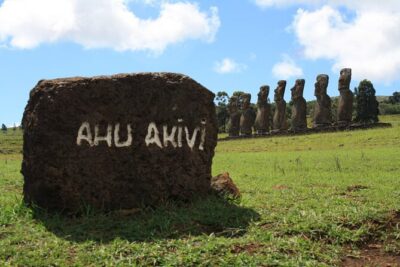
2-Day Private Tour Easter Island Highlights Complete Discovery
Read our review →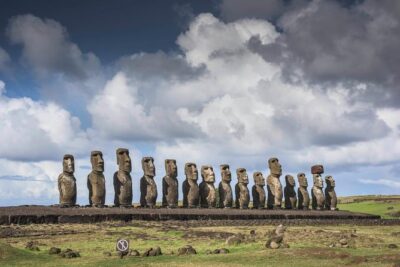
Private Tour: Full Day Easter Island Highlights
Read our review →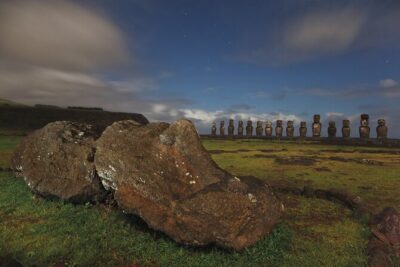
Browse the lists this tour appears in