
Reviewed · EASTER ISLAND TOURS
Easter Island: Tropical Diving
The Pacific hides a second island. This Rapa Nui scuba session combines clear water, tropical fish, and the chance to see a sunken moai, all with a small group and personal instruction. I like the excellent visibility and the included photos and video, which help you keep a record of a short but memorable outing. The main drawback is timing: a delayed departure can eat into much of your day.
I also like the careful approach to safety and the way the staff adapted one booking from scuba to snorkeling when the couple became ill. You should know that reaching the drowned moai requires certification, and you cannot take part if you plan to fly within 12 hours.
In This Review
- Key points before you book
- Why Rapa Nui’s underwater world is worth your time
- Starting at Hanga Piko cove
- Getting to the site by boat or vehicle
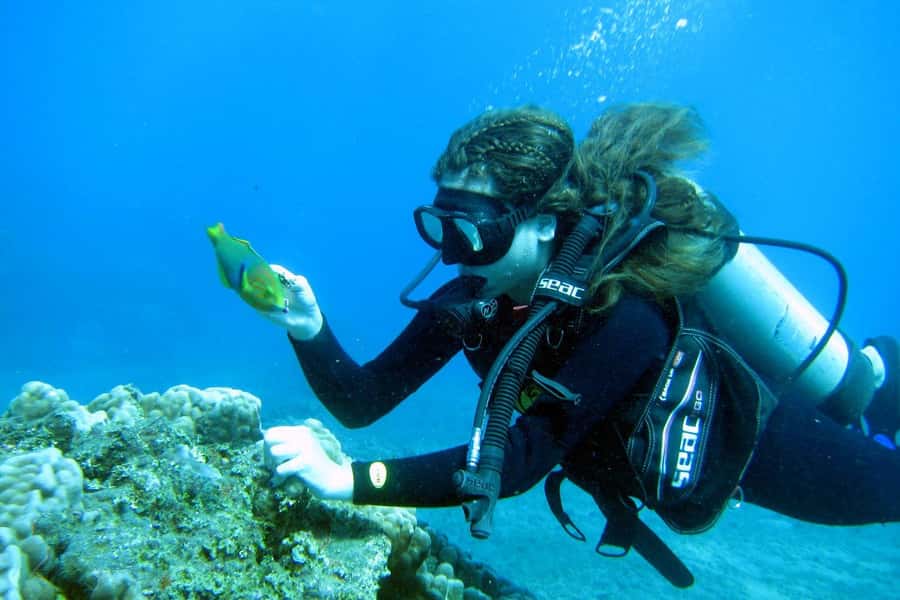
- One hour among fish, coral, and clear Pacific water
- What the guides and staff do well
- Photos, video, and the small practical detail people forget
- Is $139 a fair price?
- Who will enjoy this Rapa Nui water experience?
- How to decide before booking
- FAQ
- How long does the Rapa Nui scuba experience last?
- Where does the activity begin?
- Is transportation to the underwater site included?
- Do I need scuba certification to take part?
- Do I need to know how to swim?
- What equipment is provided?
- Can I fly soon after the activity?
Key points before you book
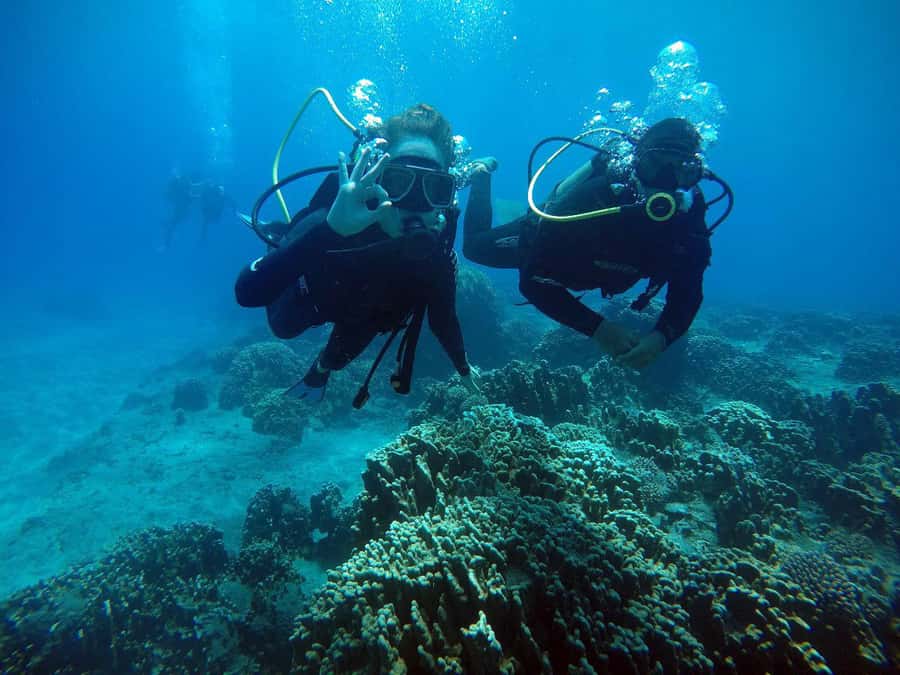
- One hour in the water: The actual scuba session lasts about 60 minutes, with the full activity taking 150 minutes.
- The sunken moai has a limit: You need scuba certification to reach it. Introductory participants may enjoy fish, coral, and the surrounding underwater scenery instead.
- Small groups help: The group is limited to 10 people, and the instructor stays with you in a personalized way.
- Boat or vehicle transfer: Maritime conditions determine whether you go by boat or vehicle from Hanga Piko cove to the underwater site.
- Photos and video are included: Bring a USB drive, memory card, or cable so you can transfer the files to an Android phone or iPhone.
- Allow extra time: One booking began an hour late, so avoid scheduling an important activity immediately afterward.
Why Rapa Nui’s underwater world is worth your time
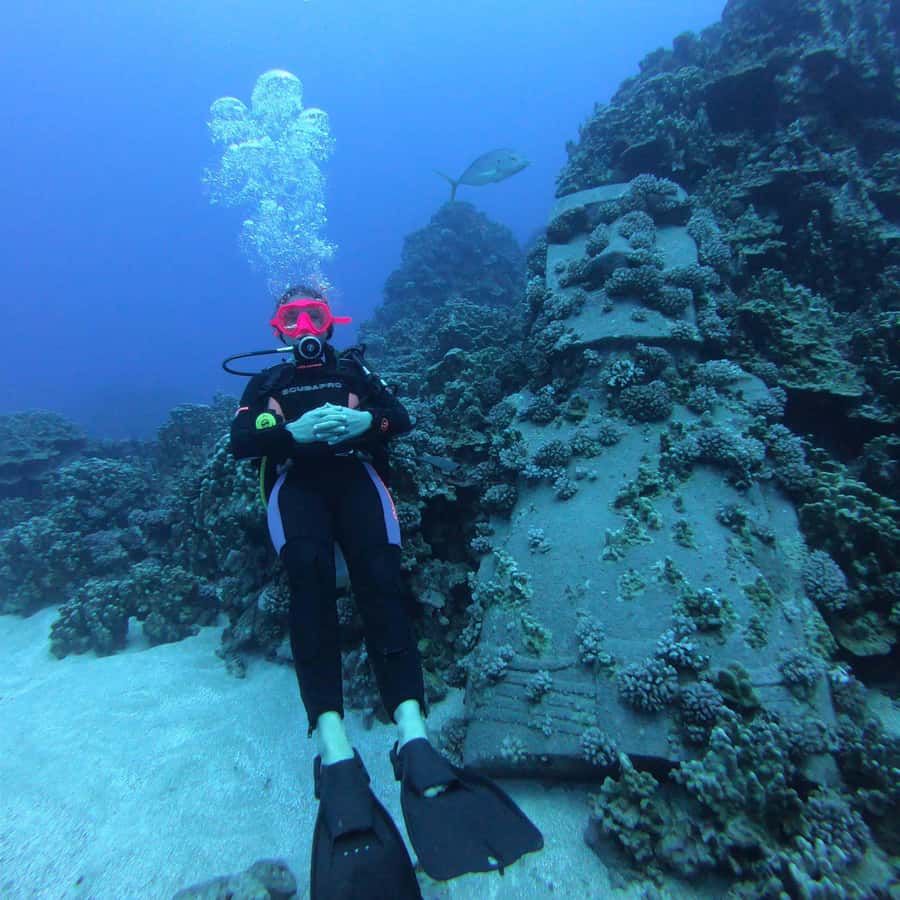
Most visitors come to Rapa Nui for the moai above ground. That makes this experience a useful change of pace. You trade stone platforms and open grassland for clear Pacific water, coral, tropical fish, turtles, and underwater archaeological interest.
The appeal is not only the moai. The island’s surrounding water is known here for exceptional visibility, so you can spend less time peering through murky water and more time looking at fish and the seafloor. You might see colorful tropical species and turtles, depending on conditions. The exact site changes with the sea, so the experience is not a fixed underwater route.
That flexibility matters. The staff may take you from Hanga Piko by boat or vehicle to the best available site. Maritime conditions decide the location, which is a sensible safety choice but means you should not expect a guaranteed view of every feature described in the activity information.
The drowned moai is the strongest draw for certified scuba participants. It is also easy to misunderstand. You will not simply swim down to it during a beginner session. A certified participant specifically noted that you need certification to reach the statue, while snorkeling cannot take you to that depth. If the moai is your main reason for booking, check your certification status and ask the operator what is possible for your level.
More Rapa Nui trips and moai walks:
- From Hanga Roa: Rapa Nui Culture Sightseeing Tour
★ 4.6 · 307 reviews - From Hanga Roa: Easter Island Highlights 2-Day Tour
★ 4.3 · 205 reviews - Full Day Tour in Rapa Nui
★ 4.5 · 122 reviews
Starting at Hanga Piko cove
Your meeting point begins at Hanga Piko, a cove that serves as the practical gateway to the water. The final meeting details are sent 48 hours before the activity, and transportation is not included. You need to plan your own way to the confirmed meeting point and watch for that message.
The 30-minute safety briefing comes first. For a beginner, this is valuable time rather than filler. You get introduced to the equipment, the basic underwater routine, and the safety rules before entering the water. The instructor accompanies you personally through the experience, a feature that received particularly strong praise for careful communication and attention to safety.
The session is available in English and Spanish. That gives you a better chance of understanding instructions clearly, especially if this is your first time using scuba equipment. You do not need to know how to swim, according to the activity information, but you should still consider your comfort in the water and disclose any concerns before starting.
The stated restrictions are important. This activity is not suitable for children under 12, people with heart problems, people with high blood pressure, or people with altitude sickness. Alcohol and drugs are not allowed.
Getting to the site by boat or vehicle
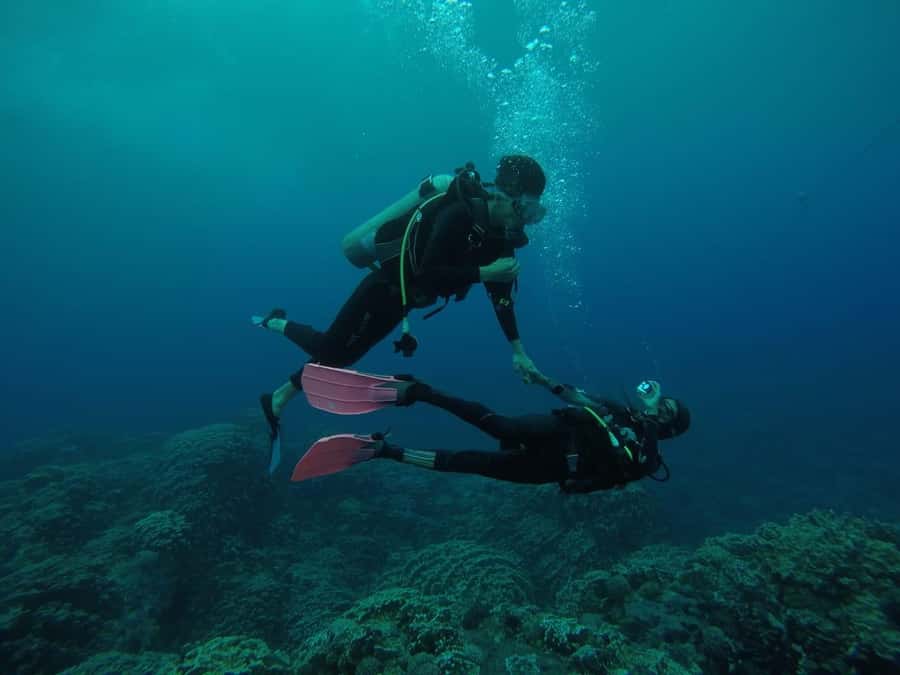
After the briefing, allow about 30 minutes for transport to the underwater site. The journey may use a boat or a vehicle from Hanga Piko, depending on maritime conditions. That makes the ride part of the practical adventure, but it also introduces a little uncertainty into the schedule.
One booking had an 11 a.m. appointment but left for the site about an hour later. The staff communication and instruction were praised, yet the delay took up almost half the day. I would avoid booking this activity on a day when you have a tight connection, a fixed dinner reservation, or another tour starting soon afterward.
The activity lasts 150 minutes on paper, but you should think of it as a half-day commitment once you add your own transport to Hanga Piko and the possibility of a late departure. The small group limit of 10 is helpful here. You are less likely to feel lost in a crowd, and the instructor can give more direct attention than on a large boat outing.
One hour among fish, coral, and clear Pacific water
The main underwater session lasts about one hour. That is enough time to get used to breathing through the regulator, settle into the equipment, and look around without feeling rushed, although beginners may spend part of the first minutes simply getting comfortable.
The equipment rental includes a wetsuit, mask, fins, buoyancy vest, and scuba cylinder. The inclusion of a wetsuit matters because even when the water feels warm, you can become chilled during a long session. One November participant found the water comfortable while wearing a wetsuit.
The underwater scenery can include coral, tropical fish, turtles, and other marine life. The clear conditions are a major part of the value. Good visibility makes this outing suitable for someone who wants to see the underwater setting rather than focus only on the technical side of scuba.
The experience is also designed for several ability levels. Beginners receive an introduction, while a certified participant who expected a more advanced session was still accommodated. That suggests the staff can adjust the pace, though you should not assume the outing becomes an advanced technical session simply because you hold a certification.
The sunken moai adds a layer of mystery, but keep expectations realistic. Some participants may see it, while others may spend their time among fish and coral at a more accessible depth. Maritime conditions also influence the selected site. Ask what the day’s plan allows before you enter the water.
A few more Hanga Roa trips worth comparing side by side
- Diving excursion in Quintay
★ 5.0 · 2 reviews - Scuba Diving Experience on Easter Island with Hotel Pickup
★ 5.0 · 2 reviews
What the guides and staff do well
The strongest part of this experience is the human attention. The company received praise for excellent communication and careful safety practices. Joaquin and Carla were specifically helpful with equipment, including putting the gear together and carrying it to and from the boat.
That practical help makes a difference. Scuba equipment is awkward on land, especially for a first-timer. Having staff handle setup and carrying lets you focus on the briefing and your own comfort.
The staff also showed some flexibility when two people became ill and could not continue with scuba. The agency changed their activity to snorkeling so they could still see the marine life. That is not a guarantee that every health issue will receive the same arrangement, but it shows a helpful attitude and gives you a sensible alternative to ask about if you are not feeling well.
There was one less favorable note about an older male staff member being brusque and unwelcoming. That appears to be an exception to the otherwise positive picture of the reception staff, WhatsApp communication, and instructor. Still, it is fair to mention because service can feel uneven even when the main instructor is excellent.
Photos, video, and the small practical detail people forget
Photos and video are included, which adds real value to a $139 activity. Underwater memories are difficult to capture on your own, particularly when you are concentrating on breathing, buoyancy, and following instructions.
Bring a pendrive, memory card, or cable for transferring the files. The instructions specifically mention a cable for moving images to an Android or iPhone device. Without one of those storage or transfer options, you may not be able to take the files home in the most convenient way.
The image service also changes how you can enjoy the session. You do not need to spend the whole hour trying to take pictures yourself. You can watch the fish, coral, and surrounding water while the activity team records parts of the experience.
The quality and quantity of the final files are not specified, so I would not book this solely as a professional underwater photography session. Treat the photos and video as a welcome extra rather than the main product.
Is $139 a fair price?
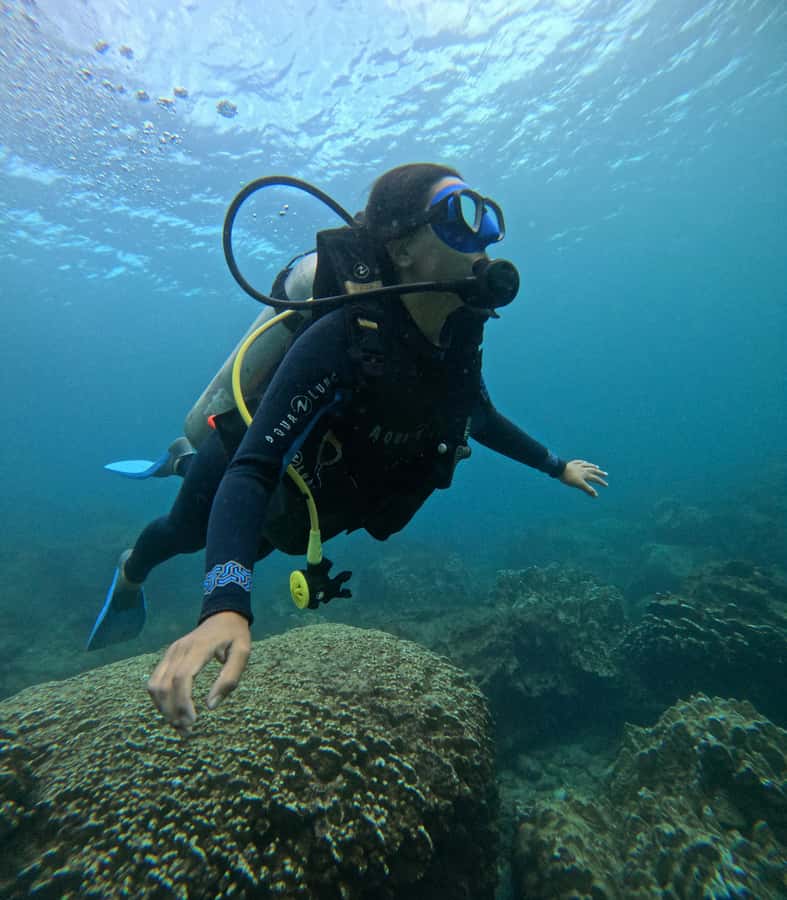
At $139 per person, this is not a cheap way to spend 150 minutes. The price becomes easier to justify if you value the full package: equipment rental, a 30-minute briefing, transport to the site, an hour in the water, return transport, personal instruction, and photos and video.
You also avoid renting individual items separately. The package includes the wetsuit, mask, fins, buoyancy vest, and cylinder. For a first-time participant, that convenience matters because you do not need to assemble a kit or figure out which pieces you need.
The value is strongest for a beginner who wants a supported introduction in an unusual setting. The clear water and possibility of tropical marine life make this more distinctive than a basic pool lesson. A certified scuba participant may find the session easy, but the staff accommodated one experienced participant and still provided useful support.
The price is less compelling if you are mainly interested in the drowned moai and cannot reach it without certification. In that case, ask first whether your level and the day’s site will allow you to see it. If not, you are paying for the general underwater scenery, fish, coral, staff support, equipment, and media.
The 4.8 rating from 13 ratings points to a very positive experience overall, but the small number means you should still pay attention to the practical cautions: timing, health restrictions, the variable site, and the certification rule for the moai.
Who will enjoy this Rapa Nui water experience?
I would recommend it to adults and children aged 12 or older who want an easy introduction to scuba in a memorable Pacific setting. It suits you especially well if you like marine life, want an activity beyond the famous statues, and prefer a small group with an instructor nearby.
It is also a good choice if you are curious about scuba but do not yet have certification. The session is designed for all skill levels, and the instructor stays with you throughout. The fact that swimming ability is not required lowers one barrier, although you still need to be honest about your comfort and medical condition.
Certified participants should book only after clarifying the intended depth and site. The experience can still be pleasant, but the advertised format is introductory rather than an advanced expedition. If the submerged moai is your priority, certification is essential.
I would not choose it if your schedule is packed. The activity itself takes 150 minutes, transport is not included, the meeting details arrive 48 hours beforehand, and one departure ran an hour late. Give yourself a generous buffer.
You also need to plan around air travel. The activity states that you cannot scuba within 12 hours of flying. Check your flight time carefully and leave more than the minimum if your schedule allows. This rule is not a minor footnote, since it can affect whether the activity is safe and possible on your final day.
How to decide before booking
Book this experience if you want a guided, equipment-included introduction to Rapa Nui’s underwater world and you value clear water, marine life, personal instruction, and keepsake media. The staff’s safety focus and willingness to adapt the activity are strong reasons to feel comfortable booking it.
Think twice if you have a medical condition listed under the restrictions, need to fly within 12 hours, or have a firm appointment afterward. Also ask about the moai before paying if that statue is the only feature you want to see.
For many visitors, the best attitude is simple: come for the clear Pacific water and the chance to encounter fish and coral, then treat the moai as a possible bonus if your certification and sea conditions allow it. That expectation matches the flexible nature of the outing and gives you the best chance of enjoying the hour underwater.
FAQ
How long does the Rapa Nui scuba experience last?
The activity lasts 150 minutes. This includes a 30-minute safety briefing, about 30 minutes of transport to the site, one hour in the water, and about 30 minutes of return transport.
Where does the activity begin?
It begins at Hanga Piko cove. The exact meeting point is confirmed 48 hours before the activity, and transportation to the meeting point is not included.
Is transportation to the underwater site included?
Transport from Hanga Piko to the site and back is part of the planned activity. Depending on maritime conditions, you may travel by boat or vehicle. Your own transportation to the meeting point is not included.
Do I need scuba certification to take part?
You do not need certification for the introductory session. However, certification is required to reach the drowned moai, and snorkeling cannot take you to that depth.
Do I need to know how to swim?
The activity information says swimming ability is not required. You should still tell the instructor about any concerns you have with the water before beginning.
What equipment is provided?
The rental includes a wetsuit, mask, fins, buoyancy vest, and scuba cylinder. Photos and video are also included.
Can I fly soon after the activity?
No. You cannot take part in scuba if you will fly within 12 hours. Check your flight schedule before booking.
Just added around Hanga Roa
- Volcanic Refuges: Excursion to Underground Civilization★ 4.7 · 8 reviews
- Easter Island Ancestral Dinner and Show with Transport★ 4.5 · 2 reviews
- Volcanic Wonders and the Kingdom of the Birdman: Half Day★ 5.0 · 6 reviews
- Half Day Private Tour: Caves and Volcanic Refuges★ 4.0 · 14 reviews
- Tour to the Motus: Boat trip and snorkeling in Rapa Nui★ 5.0 · 8 reviews
- Birdman Ceremonial Route: Orongo, Ranu Kau Half-Day Tour★ 4.5 · 16 reviews
- Visit Rapa Nui in 4 days with 3 Tours and Accommodation included★ 4.0 · 2 reviews
- Private Tour: Tongariki Sunrise Experience★ 4.5 · 20 reviews
Easter Island Tours, compared.
Two days of Full Day Tour of Rapa Nui + Sunrise in Tongariki
Read our review →
2-Day Private Tour Easter Island Highlights Complete Discovery
Read our review →
Private Tour: Full Day Easter Island Highlights
Read our review →
Browse the lists this tour appears in