
Reviewed · EASTER ISLAND TOURS
Easter Island: Moai Full Day Private Tour
The moai still keep their secrets. This private seven-hour circuit connects Easter Island’s best-known statues with quieter ceremonial sites, a volcanic quarry, and two beaches. I like the private format, which gives your guide room to adjust the pace, and I like the mix of famous sights and less-familiar stops. The main catch is that park admission and food cost extra, so the $219 price is not the full day’s expense.
Guide Enrique receives special praise for tailoring the tour to his guests’ needs. That personal approach matters on Rapa Nui, where a good explanation can turn a row of stone figures into a story about ceremony, authority, craftsmanship, and cultural memory. Bring sun protection, water beyond the included bottle, and a plan for lunch.
In This Review
- Key points to know before you go
- Why a private seven-hour route works well on Rapa Nui
- Ahu Vinapu and the question of stonework
- Ahu Ahahanga and moai in their original setting
- Te Pito Kura and the island’s largest moai
- One Makihi, a brief stop with a different view
- Ahu Tongariki and the fifteen-moai panorama
- Rano Raraku, the moai factory
- Ovahe and Anakena, from archaeology to beach time
- What the $219 price really buys you
- Who should choose this private tour?
- Practical details that matter
- Should you book it?
- FAQ
- How long does the Easter Island Moai Full Day Private Tour last?
- What languages are available for the live guide?
- Is hotel pickup included?
- Is this a private group tour?
- Are food and park admission included?
- What is included in the tour price?
Key points to know before you go
- Ahu Tongariki brings the big visual moment: Fifteen moai form the largest ceremonial group on the island.
- Rano Raraku explains how the statues were made: You walk among unfinished figures at the volcanic quarry known as the moai factory.
- The route includes quieter archaeological sites: Vinapu, Ahahanga, and One Makihi add context beyond the headline stops.
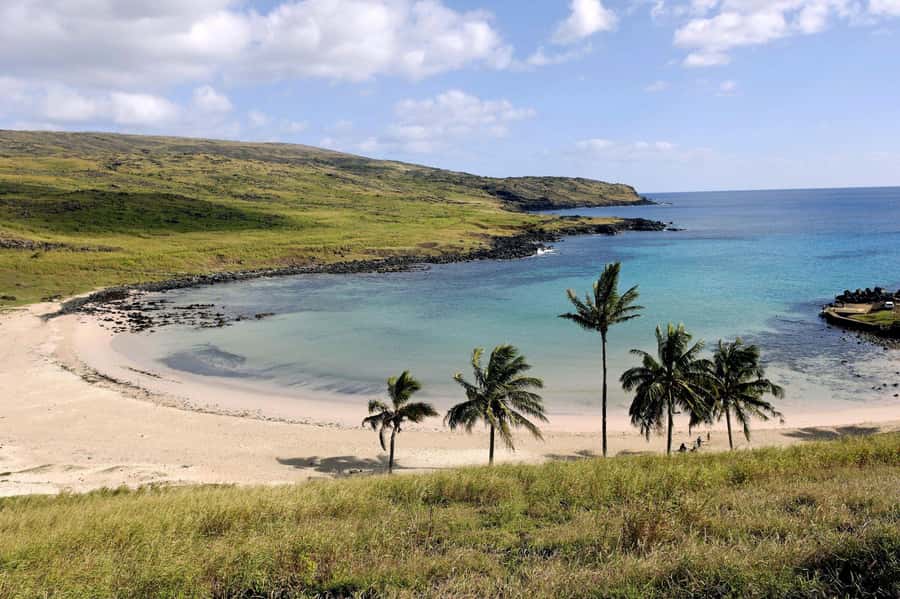
- Anakena gives the day a softer finish: Crystal-clear water and pale sand offer time to rest after the archaeological sites.
- The tour is private and multilingual: You can book for English, French, or Spanish guiding.
- The $219 fee covers convenience, not everything: Hotel pickup, return, and an individual bottle of water are included, while food and park entry are not.
Why a private seven-hour route works well on Rapa Nui
Easter Island is small enough to cross by road, yet its important sites are spread around the coast and inland volcanic slopes. A private vehicle lets you see several major places in one day without being tied to the rhythm of a large group.
That flexibility is the strongest reason to consider this tour. You can ask for more explanation at a site that catches your attention, spend less time where you are ready to move on, and shape the day around your interests. Enrique’s ability to adjust the tour to individual needs is especially useful for couples, families, or small groups who do not all walk or sightsee at the same speed.
The seven-hour schedule is full but sensible. The route includes ceremonial platforms, fallen and unfinished moai, a volcanic quarry, and two beaches. You will see a lot, so this is not a slow archaeological study with long stretches at every stop. It is better understood as a broad introduction to Rapa Nui’s major places, with a guide supplying the connections.
Hotel pickup and return remove a practical nuisance. You are asked to wait in your hotel lobby 10 minutes before pickup, and the tour includes an individual bottle of water. Still, plan carefully for food, because meals are not included. Seven hours in the sun can make lunch feel less like an optional extra and more like part of your equipment.
More Private Tours in Easter Island
- 2-Day Private Tour Easter Island Highlights Complete Discovery
★ 5.0 · 110 reviews - Private Tour: Full Day Easter Island Highlights
★ 5.0 · 106 reviews - Private Full-Day Easter Island Highlights North and West
★ 5.0 · 84 reviews
Ahu Vinapu and the question of stonework
The first major stop is Ahu Vinapu, known for a wall whose carefully fitted stones can remind you of Inca construction. That comparison is one of the site’s main talking points, but it should prompt questions rather than easy conclusions.
Here, your guide can point out the way the stones meet and explain why the wall has attracted so much attention. The value of visiting with a guide is clear: without context, you may simply see a strong stone platform. With interpretation, you begin to consider how Rapa Nui builders organized labor, shaped stone, and created ceremonial spaces.
Vinapu also helps set the tone for the day. The tour is not only about standing beside large statues for photographs. It asks you to look at platforms, stonework, and the remains of a wider religious system. Give this stop a little patience. The wall is the subject, but the larger lesson is how much information can survive in a structure that no longer serves its original purpose.
Ahu Ahahanga and moai in their original setting
At Ahu Ahahanga, you see moai associated with a ceremonial platform in their original raised position. This offers a useful contrast with toppled statues and unfinished figures later in the day.
The setting helps you picture how these statues once functioned within Rapa Nui society. A moai was not simply a sculpture placed for decoration. Its position on an ahu, or ceremonial platform, carried meaning tied to community identity and ritual life. Your guide’s explanation is important here because the stone figure alone cannot tell the whole story.
This stop may appeal most to people who want to understand the sites as places of ceremony rather than a series of isolated objects. It also gives you a chance to think about scale. The moai are famous for their faces, but their placement, platform, and relationship to the surrounding area matter just as much.
Te Pito Kura and the island’s largest moai
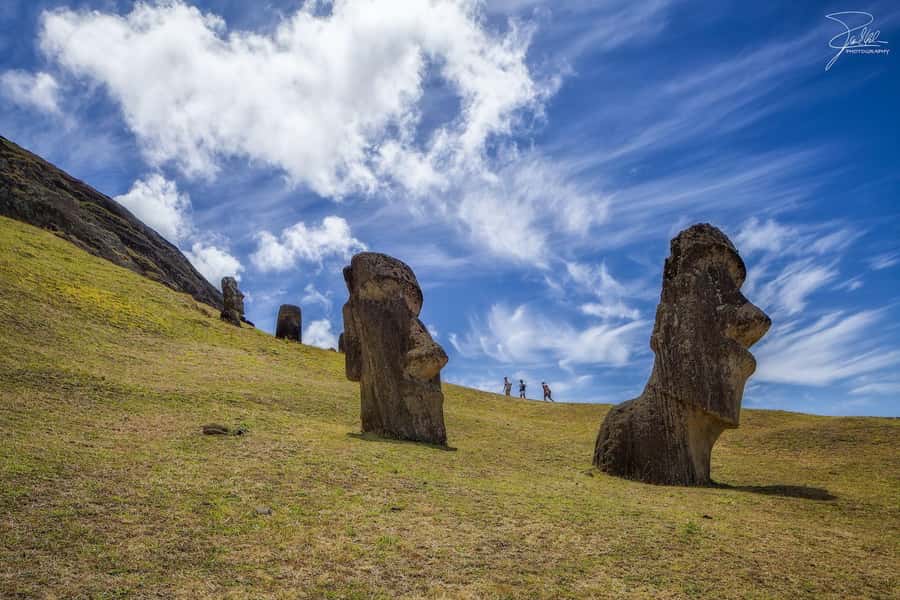
The route continues to Te Pito Kura, a sacred place associated with one of the largest moai on Easter Island. Even before you study the details, the size of the statue gives the stop its force.
Your guide can explain why these figures mattered to Rapa Nui culture and how their scale reflected more than technical ambition. The moai represented ancestral presence and social power, so a very large statue also raises questions about the community that commissioned it, the labor required, and the resources invested in its construction.
Do not expect every moai to be standing. The remains at these sites are part of the story. The toppled and damaged figures show that Rapa Nui’s ceremonial world changed over time. That change is one reason a guided visit is worth the price. You are not just collecting photographs of intact statues. You are tracing a complicated past through what remains.
More Rapa Nui trips and moai walks:
- From Hanga Roa: Rapa Nui Culture Sightseeing Tour
★ 4.6 · 307 reviews - From Hanga Roa: Easter Island Highlights 2-Day Tour
★ 4.3 · 205 reviews - From Hanga Roa: Easter Island Sightseeing Full Day Tour
★ 4.5 · 189 reviews - Two days of Full Day Tour of Rapa Nui + Sunrise in Tongariki
★ 4.5 · 132 reviews
One Makihi, a brief stop with a different view
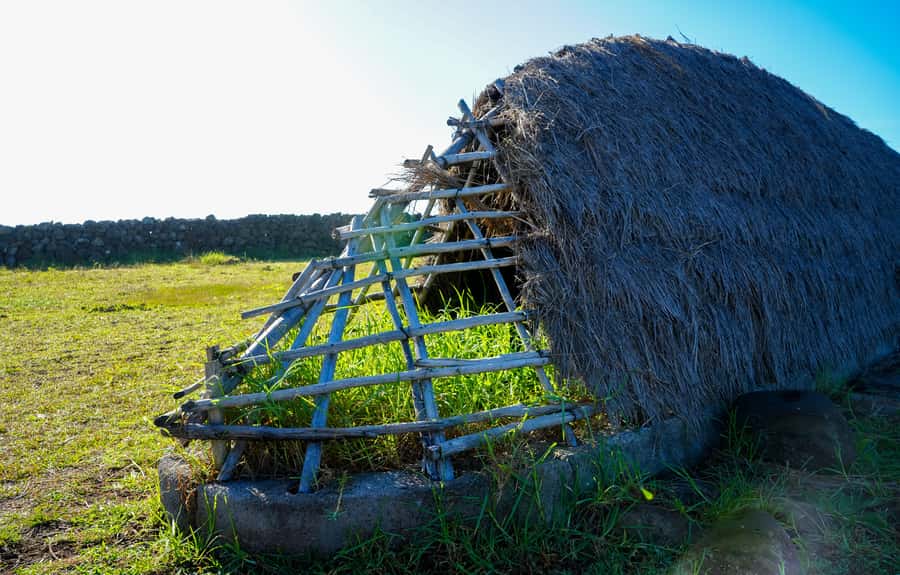
Before reaching Ahu Tongariki, the tour pauses at an old ahu called One Makihi. The notable feature here is a finely carved moai lying on its back.
This is a short stop, but it adds variety. Most people picture moai standing tall on a platform or emerging from the quarry. A supine figure offers a different view of the carving, proportions, and physical presence of these statues. You can consider the work from an angle that is rarely shown in the standard postcard image.
The stop also breaks up the drive between larger sites. That matters on a seven-hour route. A day made only of major monuments can begin to feel repetitive, while a smaller archaeological detail can refresh your attention before the main event at Tongariki.
Ahu Tongariki and the fifteen-moai panorama
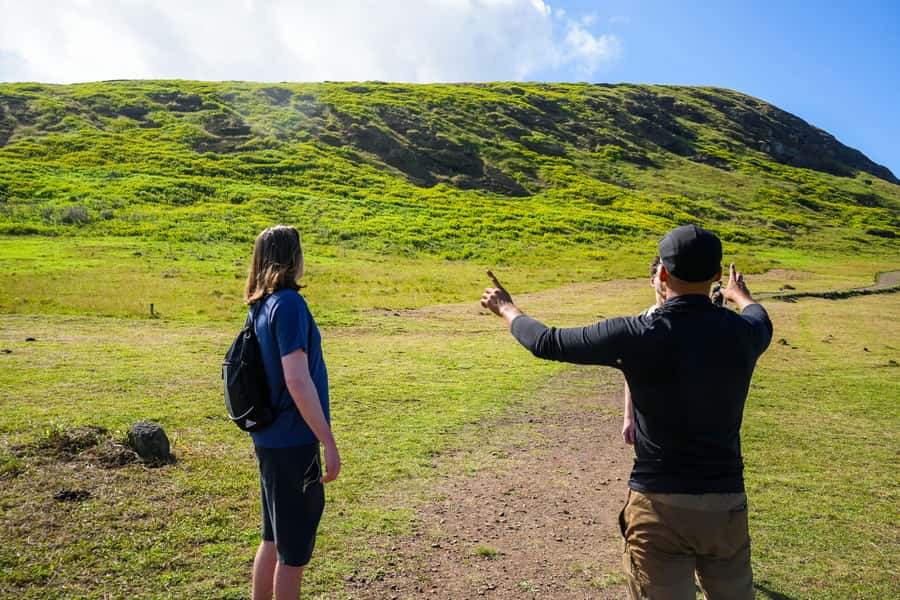
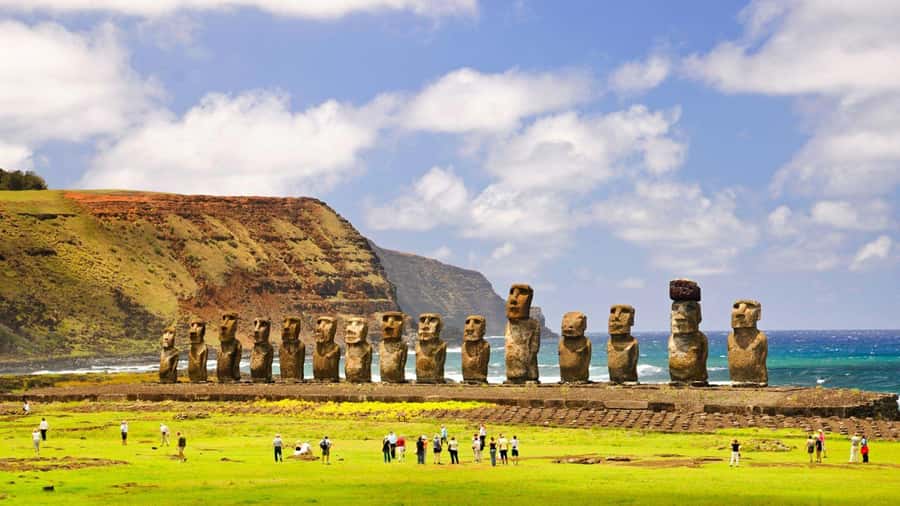
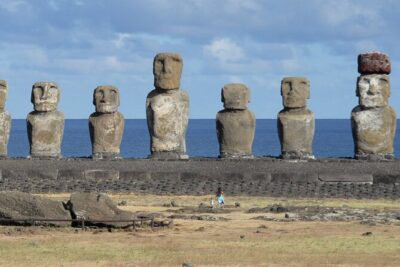
Ahu Tongariki is the tour’s biggest ceremonial set piece. Fifteen imposing moai stand together on the island’s largest group of statues, creating one of Rapa Nui’s most memorable views.
This is the place where scale and setting work together. A single moai can be impressive, but fifteen figures on one platform give you a clearer sense of collective effort and ceremony. Look beyond the individual faces. Notice the line of the platform, the spacing of the statues, and how the group changes your understanding of what an ahu could represent.
You will want photographs here, but do not let the camera take over. Spend time listening to the explanation of the statues’ meaning and history. The guide can help distinguish what is known from what remains uncertain, which is especially useful on an island often surrounded by exaggerated legends.
Tongariki is also a good point to judge the private-tour advantage. If your group wants to linger with the statues, you are not trying to pull a busload of people away. If you have already had your fill of stone, you can keep the day moving. The exact amount of time at each site is not specified, so the final pace will depend on your guide and your group.
Rano Raraku, the moai factory
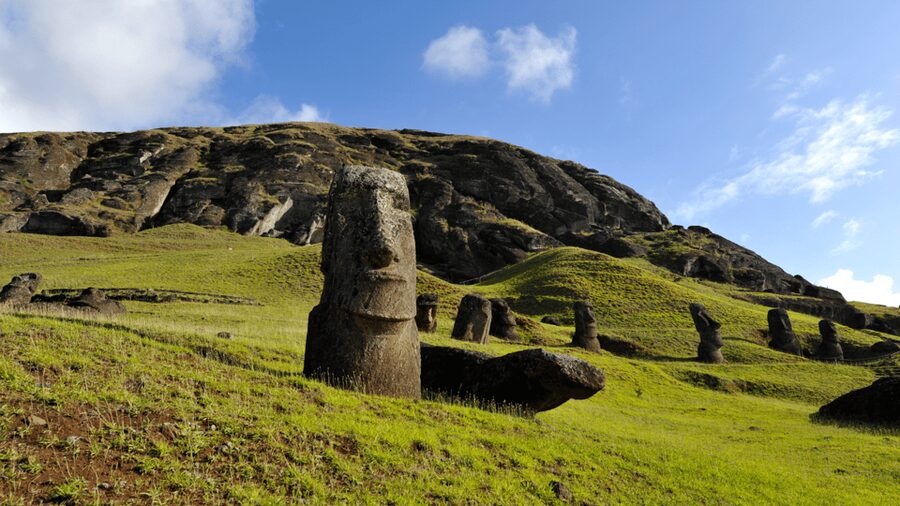
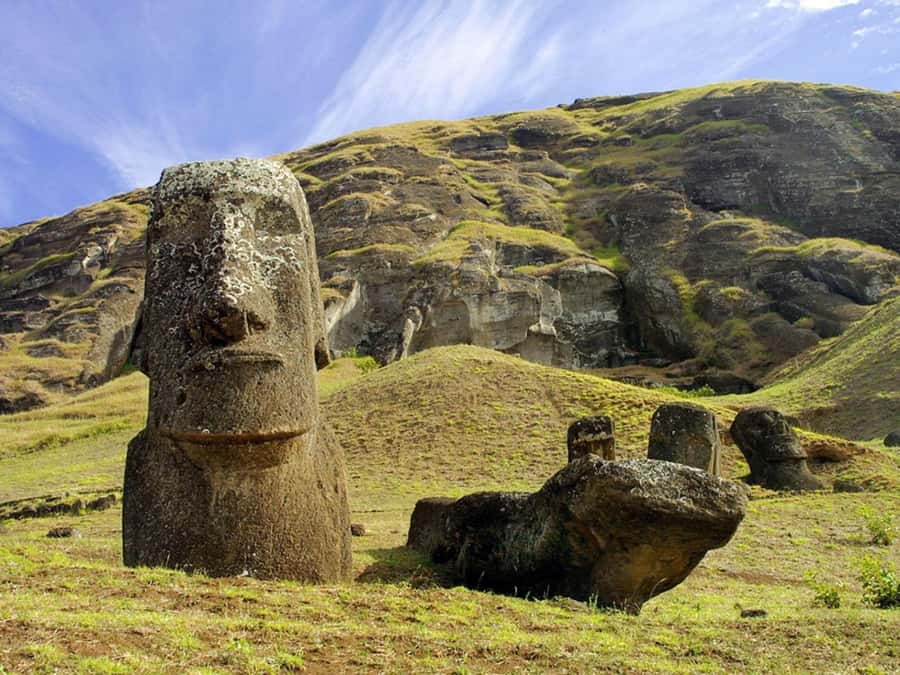
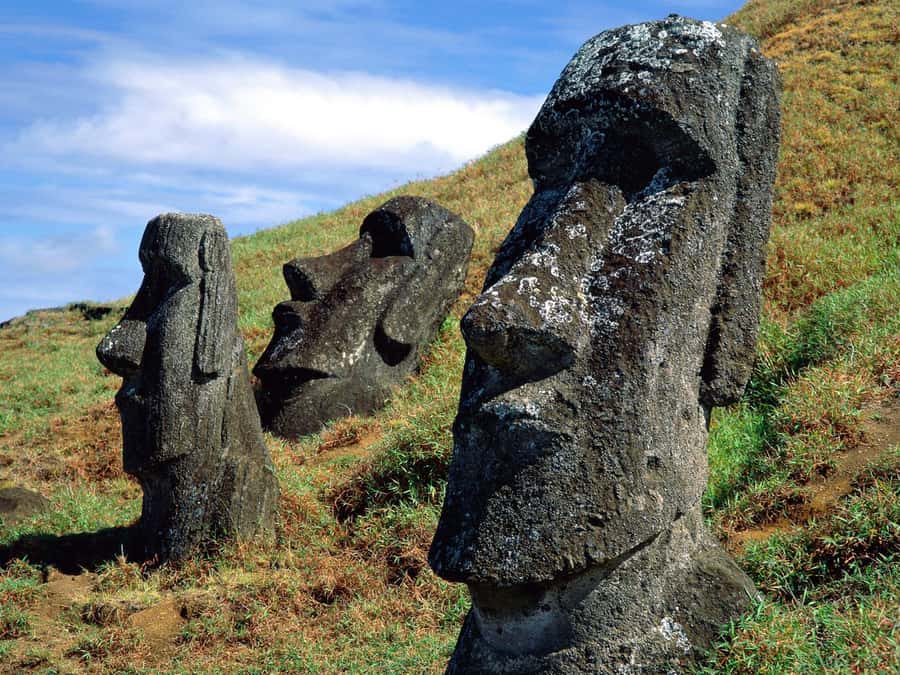
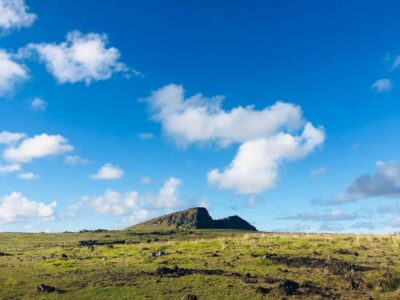
Rano Raraku is the heart of the tour for anyone fascinated by how the moai were made. This volcanic site is known as the moai factory because many statues were carved from its stone.
Here, you can walk among moai that remain unfinished or partly completed. That is a rare chance to see the process rather than only the finished product. The figures appear in different stages, making the quarry feel less like a display of completed monuments and more like a worksite interrupted.
The stop gives you a practical question to consider: how did the carvers separate a statue from the rock, shape its body, and prepare it for transport? The guide’s interpretation can connect those physical traces with the cultural importance of the moai. You will get more from the quarry if you slow down enough to compare the unfinished forms and notice how much of each figure is still attached to the volcanic slope.
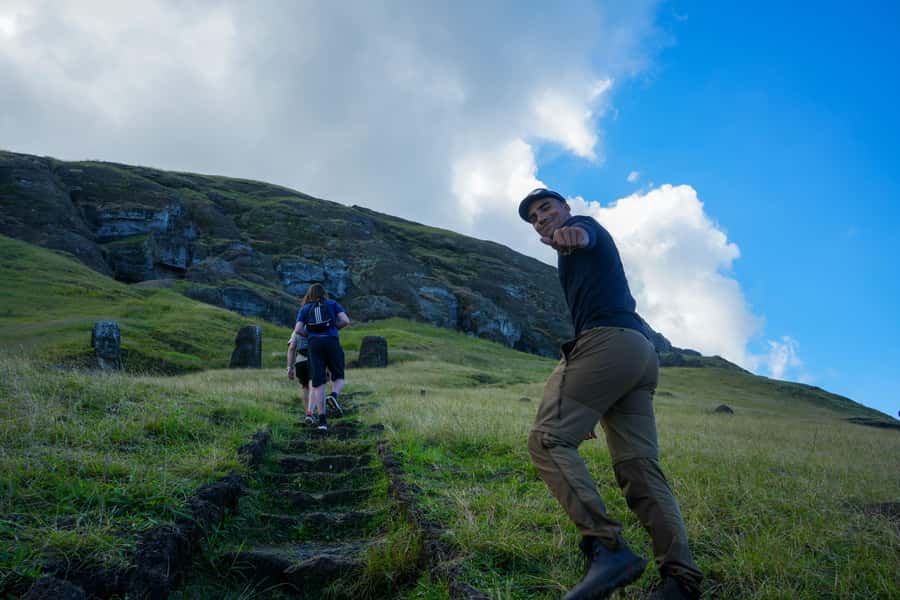
This section may require more walking than a roadside viewpoint, although the exact walking distance is not provided. Wear comfortable shoes and protect yourself from the sun. The tour description does not specify shade, so a hat and sunscreen are sensible choices.
Ovahe and Anakena, from archaeology to beach time
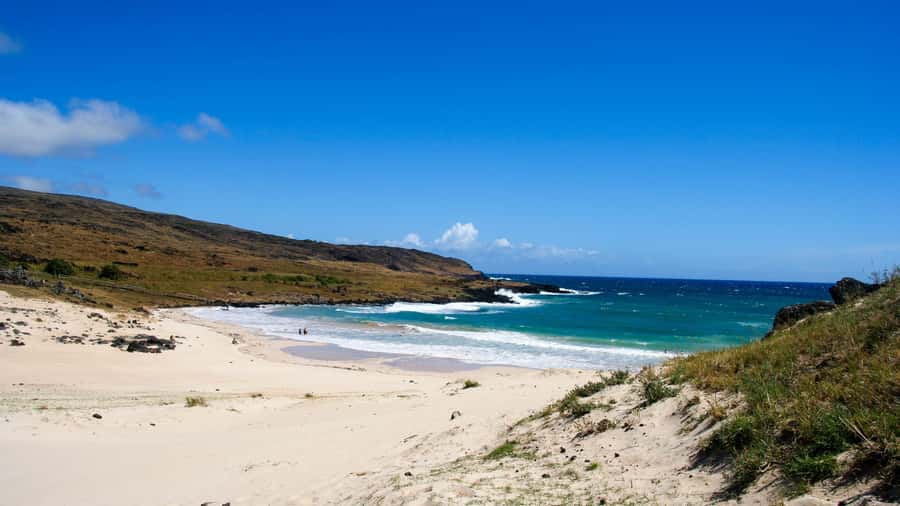
The day ends at Ovahe beach and then Anakena beach. Ovahe is known for its rose-colored sand, a detail that gives the final section of the route a welcome change in texture and color.
At Anakena, the mood shifts again. You find crystal-clear water, space to relax, and the possibility of water activities such as snorkeling. The beach is also presented as a suitable place for an outdoor picnic, but you need to bring or arrange your own food because meals are not part of the tour.
This beach finish is useful after a day of stone platforms and volcanic sites. You can let the information settle while enjoying the coast. If you are hoping to spend a long time swimming or snorkeling, ask your guide how much time the schedule allows. The total tour lasts seven hours, and the route contains many stops, so beach time may be a pleasant final pause rather than a full afternoon by the water.
The beach section also makes the tour more appealing to mixed groups. One person can focus on archaeology while another looks forward to the sea. Just keep in mind that specific equipment, rentals, and water-activity arrangements are not listed as included.
What the $219 price really buys you
At $219 per person, this is not the cheapest way to see Easter Island. The price makes more sense if you value a private group, hotel transportation, and a guide who can explain the sites in your chosen language.
You are paying for coverage as much as for sightseeing. In one day, the route reaches Vinapu, Ahahanga, Te Pito Kura, One Makihi, Tongariki, Rano Raraku, Ovahe, and Anakena. Organizing that circuit independently could require more planning, and you would lose the built-in interpretation that gives the ruins their meaning.
The value is less convincing if you mainly want a beach day or prefer to explore slowly at only one or two sites. It is also important to budget for the park entrance fee and food. Those costs are excluded, so compare the total outing cost rather than treating $219 as the final figure.
The included hotel pickup and return are meaningful benefits. You do not need to arrange separate transport for a full day of widely spaced sites, and the private format gives you more control than a standard group departure. An individual bottle of water is included, but I would still carry extra water for a long day outdoors.
Who should choose this private tour?
I would recommend it to you if you want a strong first look at Easter Island and prefer explanation over simply checking sites off a map. It suits couples, families, and small private groups who value flexibility and want to ask questions along the way.
It is also a good fit if you want both the famous moai locations and places that receive less attention. Tongariki and Rano Raraku provide the major visual rewards, while Vinapu, Ahahanga, One Makihi, and Te Pito Kura add a more unusual side of the island.
You may want a different plan if your main goal is a relaxed beach outing, a specialist archaeology day, or a tightly timed visit built around a particular event. The itinerary is broad, and seven hours goes quickly. Ask about the expected balance between walking, driving, monument stops, and beach time before you confirm.
English, French, and Spanish guiding make the tour accessible to a wider range of visitors. The private setting also means you can make better use of the guide’s time than you might in a large group. Enrique’s reported flexibility is a particularly good sign for anyone with specific interests or differing needs within the group.
Practical details that matter
The tour offers free cancellation up to 24 hours before departure for a full refund, and you can reserve now and pay later. That is useful if your island schedule is still shifting.
Starting times depend on availability, so check the selected date rather than assuming a fixed departure. Hotel pickup is included, and you should wait in the lobby 10 minutes before the scheduled time.
Food is not included. Bring a picnic or make a clear plan for eating, especially if you expect to spend significant time at Anakena. Park entry is also separate, so confirm the current admission cost when budgeting.
Should you book it?
Book this tour if you want a private, well-rounded day that combines the island’s biggest moai sites with quieter archaeological stops and a beach finish. The route is broad, the hotel transport is convenient, and the opportunity to work with a guide such as Enrique adds real value.
Skip it if you want to spend most of the day snorkeling, avoid extra admission costs, or give one site hours of unhurried attention. For most first-time visitors with only one full day available, though, the combination of Tongariki, Rano Raraku, sacred sites, and Anakena makes this a sensible and engaging choice.
FAQ
How long does the Easter Island Moai Full Day Private Tour last?
The tour lasts seven hours.
What languages are available for the live guide?
Guiding is available in English, French, and Spanish.
Is hotel pickup included?
Yes. Hotel pickup and return are included. You should wait in your hotel lobby 10 minutes before the scheduled pickup time.
Is this a private group tour?
Yes. The experience is offered for a private group.
Are food and park admission included?
No. Food and entrance to the parks are not included in the price.
What is included in the tour price?
The price includes hotel pickup and return, a live guide, the private tour, and an individual bottle of water.
Just added around Easter Island
- Volcanic Refuges: Excursion to Underground Civilization★ 4.7 · 8 reviews
- Easter Island Ancestral Dinner and Show with Transport★ 4.5 · 2 reviews
- Volcanic Wonders and the Kingdom of the Birdman: Half Day★ 5.0 · 6 reviews
- Half Day Private Tour: Caves and Volcanic Refuges★ 4.0 · 14 reviews
- Tour to the Motus: Boat trip and snorkeling in Rapa Nui★ 5.0 · 8 reviews
- Birdman Ceremonial Route: Orongo, Ranu Kau Half-Day Tour★ 4.5 · 16 reviews
- Visit Rapa Nui in 4 days with 3 Tours and Accommodation included★ 4.0 · 2 reviews
- Private Tour: Tongariki Sunrise Experience★ 4.5 · 20 reviews
Easter Island Tours, compared.
Two days of Full Day Tour of Rapa Nui + Sunrise in Tongariki
Read our review →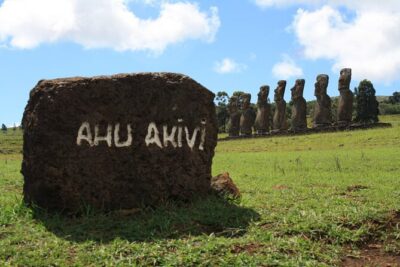
2-Day Private Tour Easter Island Highlights Complete Discovery
Read our review →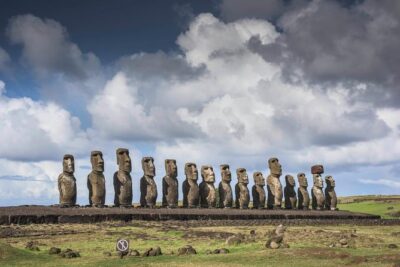
Private Tour: Full Day Easter Island Highlights
Read our review →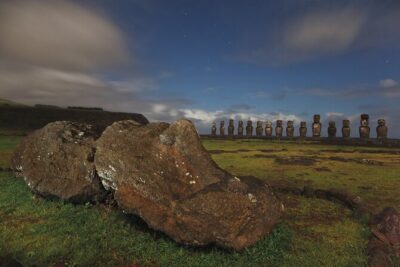
Browse the lists this tour appears in