
Reviewed · EASTER ISLAND TOURS
Easter Island: Full Day Ancestral Caves and Orongo Village
Ancient caves meet dramatic volcano views. This six-hour private tour gives you a strong overview of Easter Island’s ceremonial sites, from the crater of Rano Kau and the Birdman village at Orongo to the island’s notable caves and moai platforms. I especially like the private vehicle and the chance to visit several major sites in one well-planned day.
I also like that the tour combines famous monuments with places where island residents once lived, rather than focusing only on the large stone figures. The main consideration is the extra Rapa Nui National Park ticket, which you must buy before the tour, and the cave visit may be difficult if you have limited mobility.
In This Review
- Key points to know
- Why this six-hour route works well
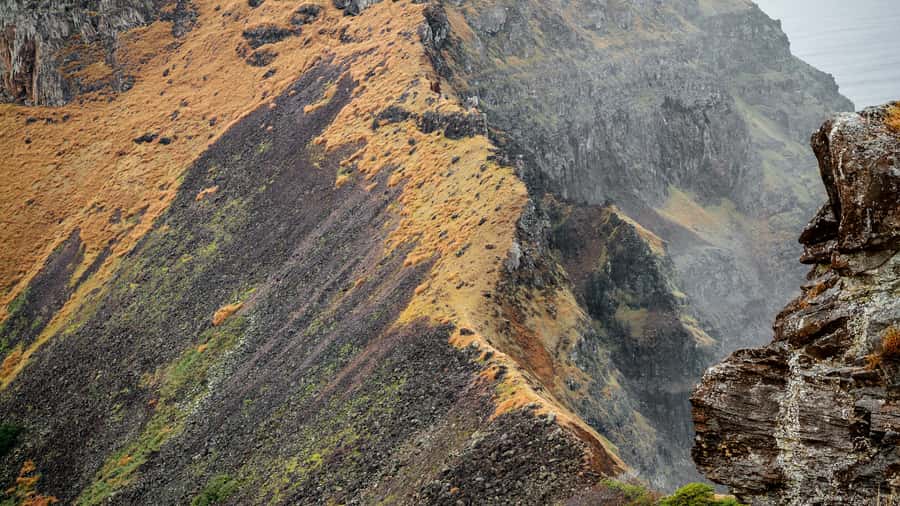
- Rano Kau begins the day with scale
- Orongo explains the Birdman competition
- Ahu Vinapu offers a different kind of stonework
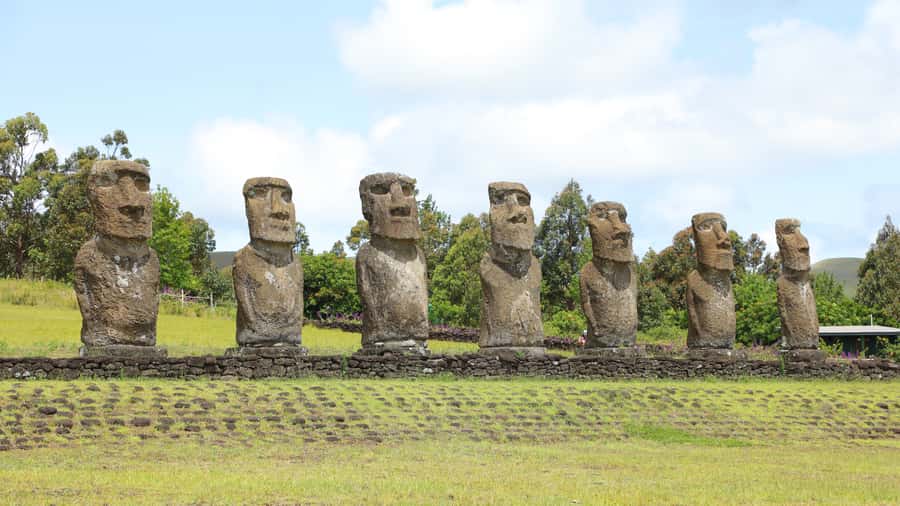
- Ahu Akivi connects the route to the first seven explorers
- Puna Pau reveals where the red topknots came from
- Ana Te Pahu brings you inside the ancestral caves
- What the private vehicle and guide add
- Is the $219 price good value?
- Who should book this Easter Island tour?
- Final verdict: a strong first day on Rapa Nui
- FAQ
- How long does the Easter Island caves and Orongo tour last?
- Where does pickup take place?
- Is transportation included?
- Is this a private tour?
- Which languages are available?
- Is the Rapa Nui National Park ticket included?
- Which sites are visited?
- How much time is spent at Orongo?
- Is the tour suitable for wheelchair users?
- Can I cancel the tour?
Key points to know
- Orongo is the cultural centerpiece: See the ceremonial village connected with the Tangata Manu, or Birdman, competition.
- Ana Te Pahu adds a more personal side: Walk through an ancestral cave associated with everyday life and rock art.
- Ahu Akivi represents the first seven explorers: This important platform gives the day a strong connection to Rapa Nui traditions.
- Rano Kau offers a grand opening view: The volcanic crater is one of the most striking stops on the route.
- You get a private six-hour outing: Transportation from Hanga Roa, a certified guide, and a private group are included.
- Guide quality matters here: Melinka is specifically praised for giving clear, detailed information, while a German-speaking guest highlighted the excellent volcano view and caves.
Why this six-hour route works well
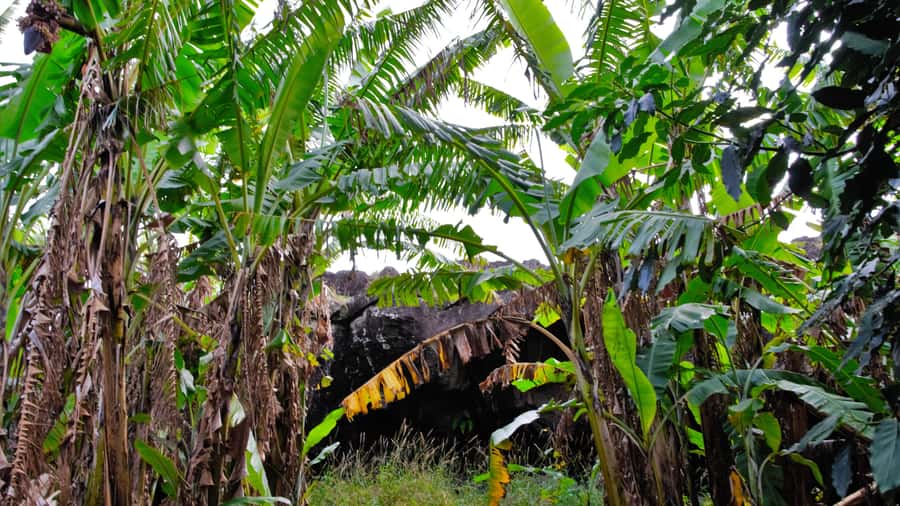
Easter Island can feel compact on a map, but its important sites are spread across the island. This tour links several of them without asking you to arrange separate transport or work out the order yourself. You travel by jeep or SUV, with pickup and return in Hanga Roa.
The route also has a useful rhythm. You begin with a volcanic view, move into ceremonial history at Orongo, visit an unusual stone platform at Vinapu, then continue to Ahu Akivi, Puna Pau, and Ana Te Pahu. The sequence shifts between open-air monuments and enclosed cave spaces, so the day does not feel like one long parade of stone platforms.
I like the private format for this particular outing. At Orongo and inside the caves, the quality of the explanation can make a real difference. You can ask for clarification, spend a little more time at a point that interests you, and avoid being tied to a large group’s pace. The listed guide languages are English, French, and Spanish.
The tour lasts six hours, which is long enough to cover a lot but not so long that the day becomes exhausting by design. Still, this is an active sightseeing trip. You should expect time getting in and out of the vehicle, walking at outdoor sites, and entering an ancestral cave.
More Rapa Nui trips and moai walks:
- From Hanga Roa: Rapa Nui Culture Sightseeing Tour
★ 4.6 · 307 reviews - From Hanga Roa: Easter Island Highlights 2-Day Tour
★ 4.3 · 205 reviews - From Hanga Roa: Easter Island Sightseeing Full Day Tour
★ 4.5 · 189 reviews
Rano Kau begins the day with scale
After pickup in Hanga Roa, the first drive takes about 15 minutes to Rano Kau. The guided visit is listed at 20 minutes, so this is an introduction rather than a long crater walk.
Rano Kau is a volcanic site with broad views and a strong sense of scale. The stop helps you understand the island’s physical setting before the tour turns to its ceremonial past. The crater view was one of the strongest points in the available feedback, with Thomas from Germany calling the view from the volcano grand.
The short timing is worth noting. You should expect a focused visit with time for the guide to explain the site and for you to take photographs. If you enjoy long walks or want to study every angle of the crater, 20 minutes may feel brief. For a multi-stop day, though, the efficient timing allows the tour to reach several other important places.
Bring your camera, but listen to the guide before rushing to the viewpoint. Rano Kau is not just a scenic pause. It sets the stage for understanding why Orongo was built where it was.
Orongo explains the Birdman competition
A five-minute drive brings you from Rano Kau to Orongo. The tour allows about an hour here, including a photo stop and guided visit. That is one of the more generous time blocks of the day, and rightly so.
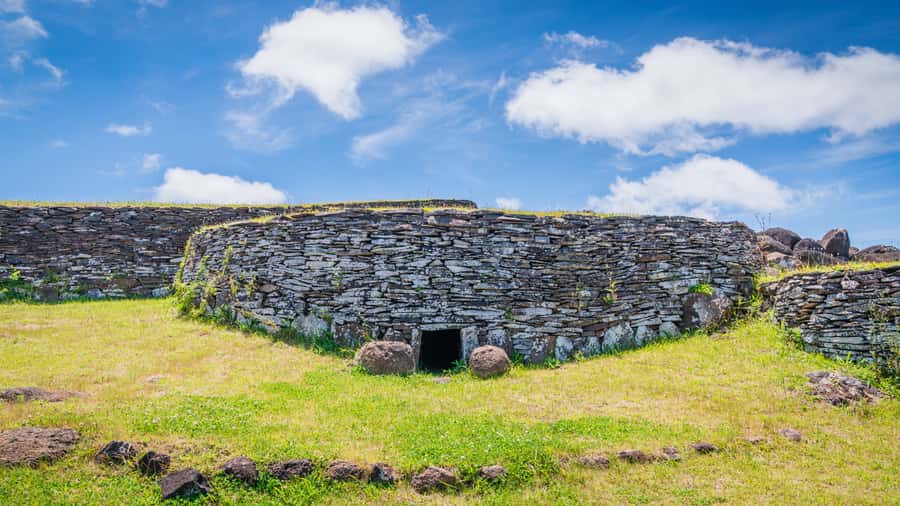
Orongo was the ceremonial village associated with the Tangata Manu, or Birdman, competition. This was a major part of traditional Rapa Nui life, and the village gives you a place to connect the ceremony with the physical setting. The tour describes Orongo as the island’s last village, meaning the final ceremonial village on the route and a major surviving site tied to this tradition.
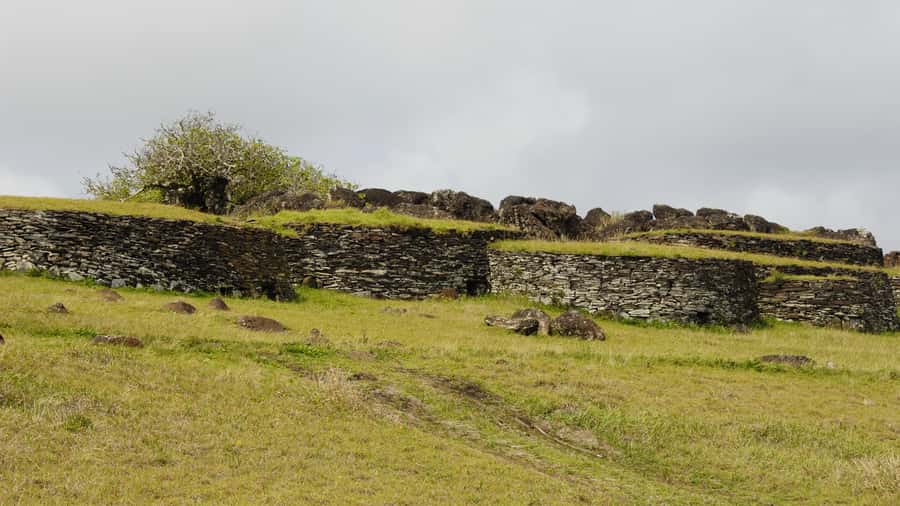
You can expect stone structures, ceremonial remains, petroglyphs, and wide views near the volcanic rim. The rock carvings add another layer to the visit. Instead of seeing only large monuments, you begin to read symbols and images linked to the island’s spiritual and social life.
An hour gives your guide room to explain the village instead of reducing it to a quick photo stop. This is where asking questions should pay off, particularly if you want to understand how the Birdman competition worked and why the location mattered.
Orongo is also one of the more exposed parts of the day. The supplied information does not specify weather conditions or walking surfaces, so plan for an outdoor visit and wear sensible shoes. The park ticket is required before the tour, and Orongo is one of the reasons you need to have that admission arranged in advance.
Ahu Vinapu offers a different kind of stonework
The next drive takes about 10 minutes, followed by a 30-minute visit to Ahu Vinapu. This is a shorter stop, but it breaks up the day well after Orongo.
Ahu Vinapu is an ahu, or ceremonial platform, and gives you another way to look at Rapa Nui stone construction. The route includes time for photographs and a guided explanation, so you are not simply pulled up beside the site and sent back to the vehicle.
The value here comes from comparison. After Orongo’s village and petroglyphs, Vinapu shifts your attention to the construction of a ceremonial platform. Your guide can help you notice the difference between a village site, a cave, and an ahu. Those comparisons make the whole day easier to understand.
Thirty minutes is enough for a clear visit, but it will not suit anyone hoping to linger for a long technical study of the masonry. The private setting helps, since you can use your time for the questions that matter most to you.
A few more Easter Island trips worth comparing side by side
- Two days of Full Day Tour of Rapa Nui + Sunrise in Tongariki
★ 4.5 · 132 reviews - Full Day Tour in Rapa Nui
★ 4.5 · 122 reviews - Private Tour: Full Day Easter Island Highlights
★ 5.0 · 106 reviews - Full day tour – DREAM
★ 5.0 · 86 reviews
Ahu Akivi connects the route to the first seven explorers
From Vinapu, you drive about 20 minutes to Ahu Akivi. The visit lasts roughly 30 minutes and includes a photo stop and guided tour.
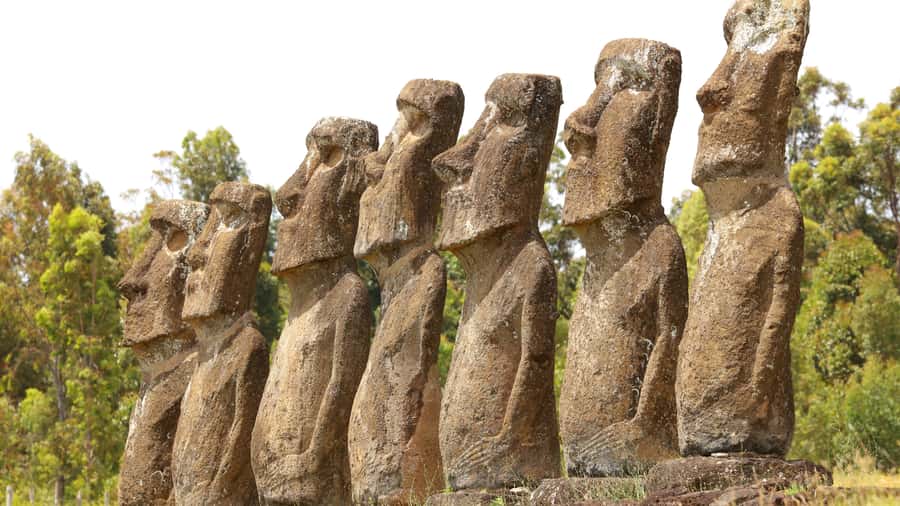
This platform is described as representing the first seven explorers. That detail gives Ahu Akivi a special place in the route. You are not simply seeing another group of moai. You are being introduced to a tradition about the first visitors sent to discover Rapa Nui.
Ahu Akivi is useful after Vinapu because it adds a strong cultural story to the stonework. The tour does not treat the monuments as isolated objects. It connects them with migration, memory, and the island’s understanding of its beginnings.
The half-hour visit should give you enough time for the guide’s explanation and photographs. If you want a slow, quiet visit at every platform, the schedule may feel brisk. That is the trade-off for seeing six major areas in one private outing.
Puna Pau reveals where the red topknots came from
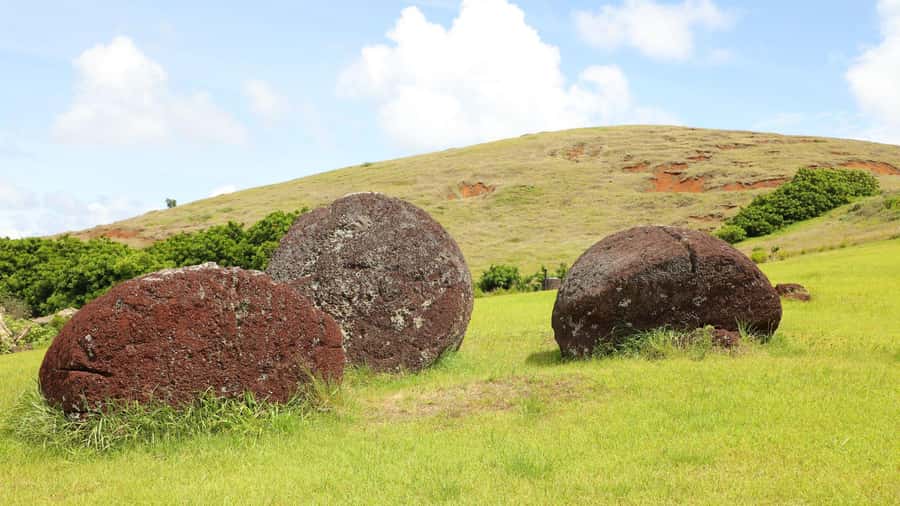
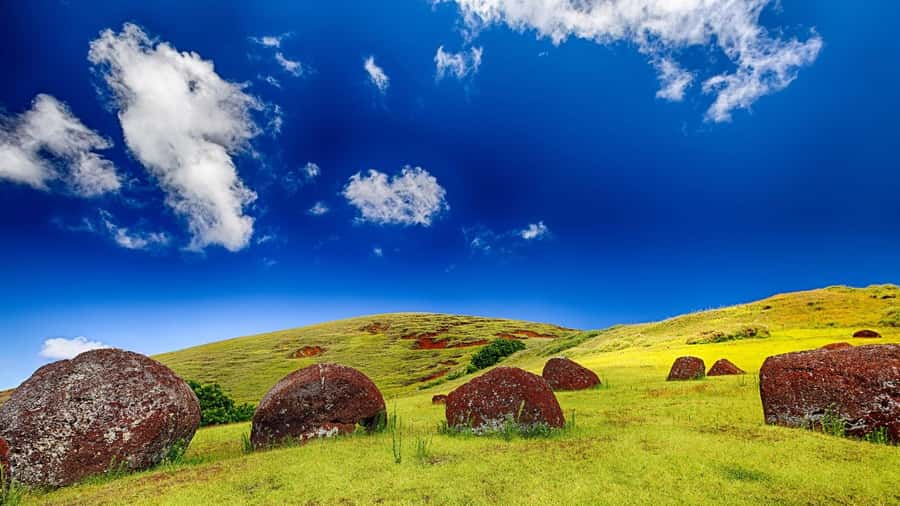
A five-minute drive takes you to Puna Pau, with about 40 minutes for the stop. The route calls this a photo stop and guided visit, but the site is more than a place to take pictures.
Puna Pau is associated with the red stone elements placed on top of some moai. Seeing the source area helps you understand that the statues and their topknots were part of a larger process of quarrying, shaping, and transport. The stop adds a practical side to the island’s monument tradition.
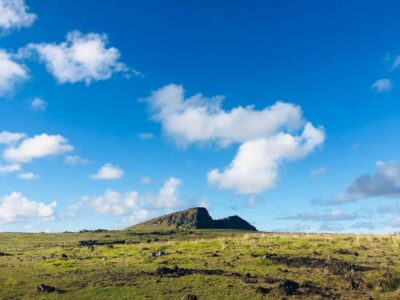
The 40-minute allocation is useful because the site requires explanation. Without context, it can be easy to see only reddish rock and move on. With a guide, you can connect the material at Puna Pau with the ceremonial figures seen elsewhere.
This is also a good point to take stock of the day. By now, you will have seen a crater, a ceremonial village, an ahu, and the source of a distinctive stone feature. The final stop changes the mood again by taking you underground.
Ana Te Pahu brings you inside the ancestral caves
After a 10-minute drive, the tour reaches Ana Te Pahu for a guided visit of about one hour. This is the most substantial cave stop on the route and one of the main reasons to choose this experience instead of a standard monument circuit.
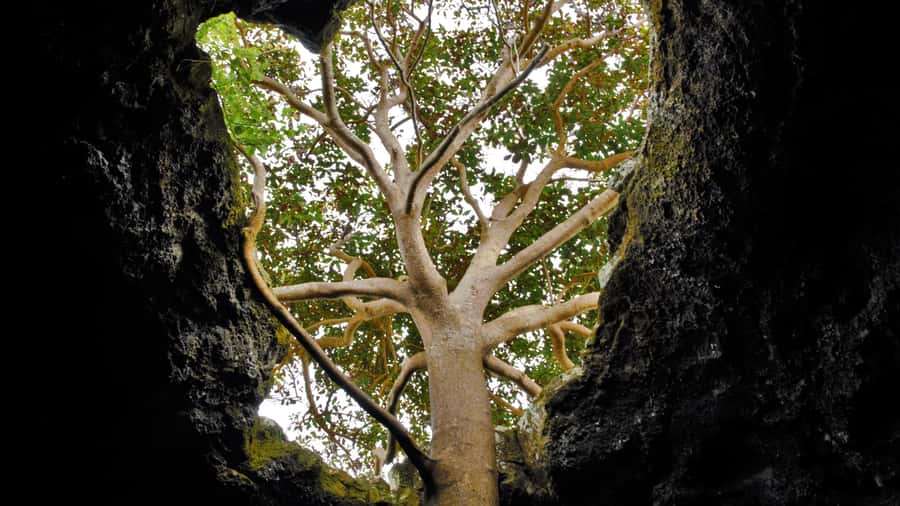
The caves are presented as ancestral living spaces, with a history tied to native island residents and rock art. Inside, you can expect a more enclosed, physical experience than at Orongo or the ahu sites. The cave visit gives you a sense of how people used the island’s natural formations, rather than showing only the ceremonial remains built above ground.
A guide is especially valuable here. Rock art and cave features can be easy to overlook, and the history of a site is not always obvious from its shape. The tour promises explanations of the engravings and the lives of the people who used these spaces.
The cave is also the clearest practical limitation. This experience is not suitable for wheelchair users, and you should be comfortable with an active visit before booking. The information does not give exact cave dimensions or walking conditions, so ask the operator for current details if you have concerns about balance, confined spaces, or uneven ground.
The cave visit closes the route on a strong note. You begin above a volcano and finish in a place connected with shelter, daily life, and ancestral memory. That contrast makes the day feel broader than a simple moai tour.
What the private vehicle and guide add
Transportation is included from Hanga Roa and back, with the route operated by jeep or SUV. The drive times are short at most points, but they matter because they keep the day moving without making you manage directions, parking, or transfers.
A private group is another major advantage. Easter Island sites can be much easier to appreciate when you can hear the guide clearly and ask direct questions. I would especially value that format at Orongo and Ana Te Pahu, where the meaning of the site is more important than simply taking a photograph.
The guide is certified by Mauhenua and Sernatur. That provides a useful professional standard, though the supplied information does not promise a particular guide for every departure. Melinka is the named guide associated with especially positive feedback. She is praised for giving a large amount of new information and for maintaining a professional approach.
You can request the experience in English, French, or Spanish. That is worth confirming when you reserve, especially if language is central to how you want to understand the island’s culture.
Is the $219 price good value?
The price is $219 per person. For six hours, that is not a budget sightseeing outing, but the value improves if you want a private group, a dedicated vehicle, and a guide-led route covering several widely separated places.
You are paying for more than transport. The day includes Rano Kau, Orongo, Ahu Vinapu, Ahu Akivi, Puna Pau, and Ana Te Pahu. Reaching all six independently would require transport planning and a clear understanding of the park’s access rules. The guide’s interpretation is also central, particularly at the Birdman village and caves.
The Rapa Nui National Park ticket is not included. You must buy that ticket before the tour, so add its cost to your overall budget. This is the main price detail that could surprise you if you compare only the advertised tour rate.
For a solo visitor, $219 may feel high. For two or more people sharing a private outing, the calculation becomes more favorable, especially if you prefer a planned day over arranging separate rides. The reserve-now, pay-later option and free cancellation up to 24 hours in advance also give you some flexibility, but the park ticket requirement remains separate.
Who should book this Easter Island tour?
I would recommend this outing if you want a concentrated introduction to Easter Island’s major sites and prefer having one guide explain the connections between them. It suits people who enjoy cultural sites, volcanic scenery, petroglyphs, and a little physical adventure in the same day.
It is also a good match if you value privacy. The itinerary is full, and a private vehicle lets you keep the focus on your own questions and interests.
I would think twice if you want a slow day at one or two locations. Six stops in six hours means each place receives a planned amount of time, with Orongo and Ana Te Pahu getting the longest visits. The route also is not suitable for wheelchair users or people over 95 years of age, and alcohol and drugs are not allowed.
Cancellation is available up to 24 hours before departure for a full refund. You can also reserve without paying immediately, which helps if your Easter Island schedule is still taking shape.
Final verdict: a strong first day on Rapa Nui
Book this tour if you want variety, clear cultural context, and private transportation in one half-day route. The best parts are Orongo’s ceremonial setting, the grand Rano Kau view, Ahu Akivi’s connection with the first seven explorers, and the chance to enter Ana Te Pahu.
Skip it if your priority is a long, unhurried visit at every site or if cave access would be uncomfortable. For most visitors who want a practical introduction to Easter Island beyond the famous moai, the $219 price can be justified, provided you budget separately for the national park ticket.
FAQ
How long does the Easter Island caves and Orongo tour last?
The experience lasts six hours, including transportation, guided visits, and the return to Hanga Roa.
Where does pickup take place?
Pickup and return take place in Hanga Roa.
Is transportation included?
Yes. Transportation by jeep or SUV is included.
Is this a private tour?
Yes. The experience is offered for a private group.
Which languages are available?
The live guide service is available in English, French, and Spanish.
Is the Rapa Nui National Park ticket included?
No. You must buy the Rapa Nui National Park ticket before the tour.
Which sites are visited?
The route includes Rano Kau, Orongo, Ahu Vinapu, Ahu Akivi, Puna Pau, and Ana Te Pahu.
How much time is spent at Orongo?
The guided visit at Orongo lasts about one hour.
Is the tour suitable for wheelchair users?
No. The experience is not suitable for wheelchair users.
Can I cancel the tour?
Yes. You can cancel up to 24 hours in advance for a full refund. You can also reserve now and pay later.
Just added around Easter Island
- Volcanic Refuges: Excursion to Underground Civilization★ 4.7 · 8 reviews
- Volcanic Wonders and the Kingdom of the Birdman: Half Day★ 5.0 · 6 reviews
- Easter Island Ancestral Dinner and Show with Transport★ 4.5 · 2 reviews
- Half Day Private Tour: Caves and Volcanic Refuges★ 4.0 · 14 reviews
- Tour to the Motus: Boat trip and snorkeling in Rapa Nui★ 5.0 · 8 reviews
- Birdman Ceremonial Route: Orongo, Ranu Kau Half-Day Tour★ 4.5 · 16 reviews
- Visit Rapa Nui in 4 days with 3 Tours and Accommodation included★ 4.0 · 2 reviews
- Private Tour: Tongariki Sunrise Experience★ 4.5 · 20 reviews
Easter Island Tours, compared.
Two days of Full Day Tour of Rapa Nui + Sunrise in Tongariki
Read our review →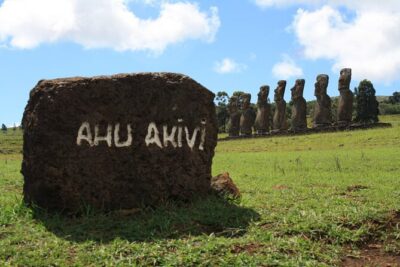
2-Day Private Tour Easter Island Highlights Complete Discovery
Read our review →
Private Tour: Full Day Easter Island Highlights
Read our review →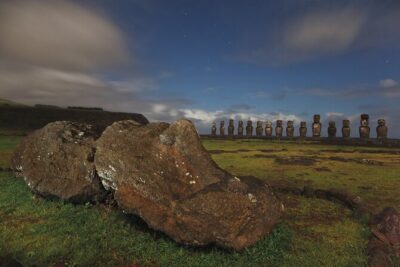
Browse the lists this tour appears in