
Reviewed · STARGAZING & ASTRONOMY
Pisco Elqui: Mountaintop Stargazing and Night Portrait
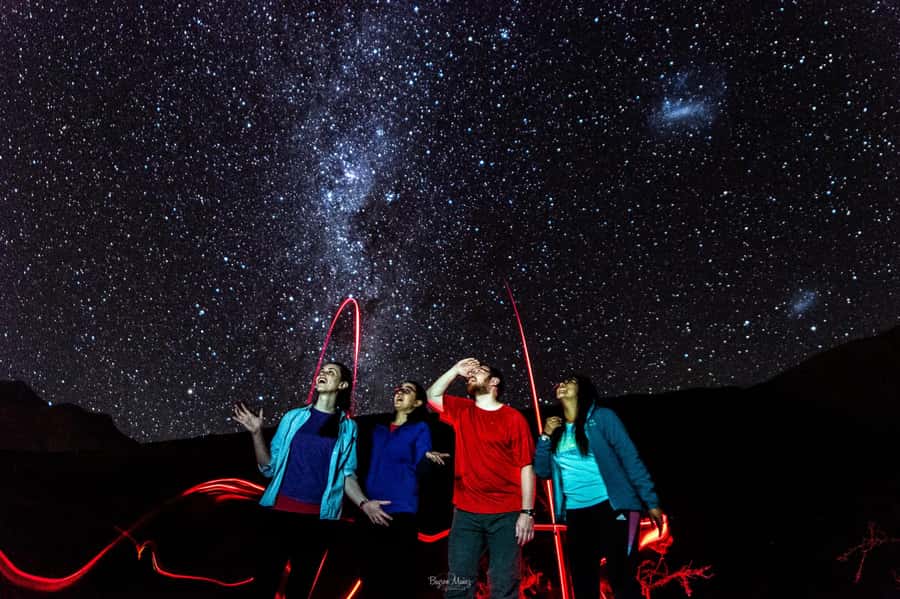
Look up, and Pisco Elqui gets very quiet. This mountain stargazing outing takes you above the town to a clay auditorium with little light pollution, where you can see thousands of stars before studying celestial objects through a professional 20-inch telescope. I like the clear focus on the southern sky, and the short ride from town keeps the experience simple. The main drawback is that a large group can mean waiting for your turn at the telescope.
The digital night portrait is a fine finishing touch, especially since it gives you something more lasting than a quick phone snapshot. I also like the care shown by guides Etienne and Gabriel, who have been praised for clear explanations and for helping an older visitor with limited mobility. Bring serious warm clothing, though, and plan around the absence of public bathrooms on the mountain.
In This Review
- Key things to know before you go
- Why Pisco Elqui is made for stargazing
- The 15-minute ride from Turismo Migrantes
- What happens at the mountain viewpoint
- The telescope, the stars, and the waiting time
- A pisco sour and a mountain evening
- The final 30 minutes and your digital portrait
- Is $54 a fair price?
- Who will enjoy this experience most
- Booking details worth keeping in mind
- Should you book it?
- FAQ
- Where does the experience start?
- How long does the experience last?
- Is transportation included?
- What language does the guide speak?
- Is the observatory wheelchair accessible?
- Is there a bathroom at the observatory?
Key things to know before you go
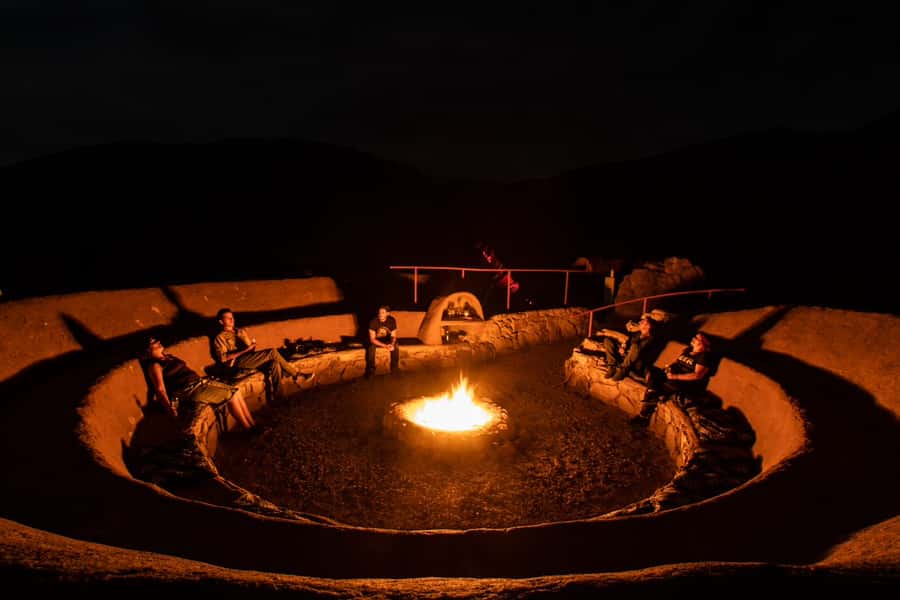
- A clay auditorium sits high on the mountain, giving you an open setting for naked-eye stargazing away from town lights.
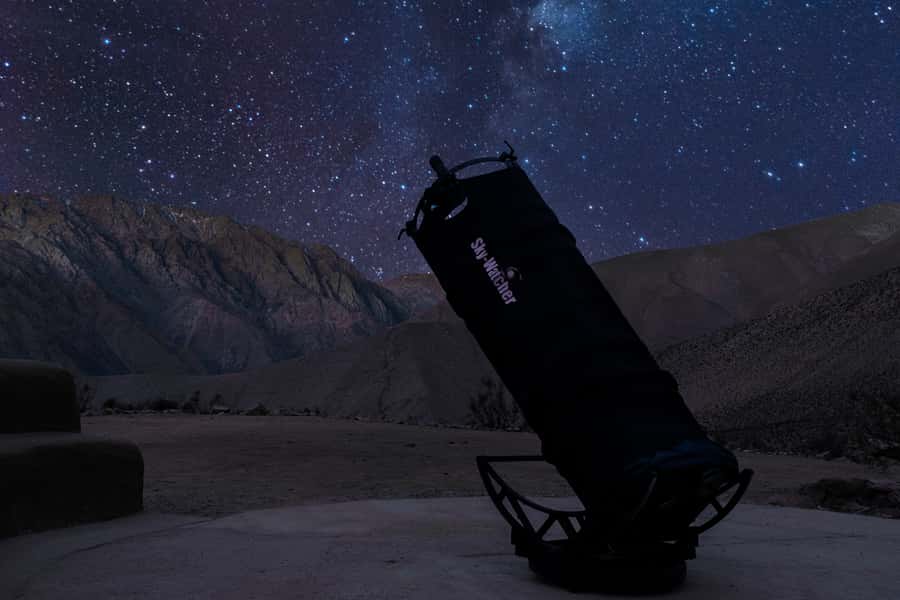
- The professional 20-inch telescope lets you inspect celestial objects after your guide introduces the southern sky.
- The 150-minute outing includes transfers, with about 15 minutes each way from Turismo Migrantes in Pisco Elqui.
- A pisco sour is included, a small local touch that fits the setting nicely.
- Your night portrait arrives by email the next day, rather than being handed over at the mountain.
- There are no public bathrooms at the observatory, and there is no parking at the local partner’s office.
Why Pisco Elqui is made for stargazing
Pisco Elqui sits in Chile’s Valparaiso Region, in an area known for clear night skies and limited light pollution. This experience uses that setting well. Instead of putting you inside a conventional building, it brings you to a clay auditorium adapted to the mountain, with the sky as the main ceiling.
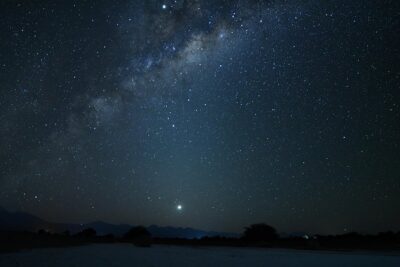
That matters because the first part of stargazing is simply letting your eyes adjust. You can look up without a telescope and see thousands of stars that are hard to spot from a bright city. The guide then helps you make sense of the southern sky, so the view becomes more than a scatter of white points.
I like this order. You first get the broad, quiet impression of the sky, then move to the telescope for detail. The experience is not only about checking a few objects off a list. It gives you time to notice how much more is visible when artificial light is kept away.
The setting is also a good match for people who prefer a calm evening activity. There is no long hike described, no complicated equipment to carry, and no need to spend the night outdoors without structure. You ride up, settle into the viewing area, listen to the guide, and look.
More Elqui Valley Trips in La Serena
- Elqui Valley Tour: History and Flavors (NOT FOR CRUISES)
★ 5.0 · 139 reviews - Elqui Valley and Vicuna Private Tour Including Lunch
★ 4.5 · 18 reviews - Classic Elqui Valley (Between vineyards and fruit trees)
★ 5.0 · 16 reviews
The 15-minute ride from Turismo Migrantes
You meet at the Turismo Migrantes office in Pisco Elqui, arriving 10 minutes before departure and announcing yourself at reception. A van then takes you up to the mountain viewpoint. The transfer lasts about 15 minutes each way, so the road trip is useful rather than tiring.
There is no parking at the local partner’s office. If you have a rental car, you need to account for that before arriving. The provided information does not include hotel pickup or drop-off, so you should also arrange your own way to the meeting point.
The short transfer keeps the evening efficient. Of the 150-minute experience, roughly 30 minutes are spent in the van, leaving about two hours at the viewpoint. That is a fair balance for an evening activity, especially if you are staying in Pisco Elqui and can reach the office easily.
The mountain location does create a few practical limits. You are not arriving at a full visitor center with every facility. There is no public bathroom at the observatory, so use facilities before leaving town. This is the sort of small detail that can affect your enjoyment more than the telescope does.
What happens at the mountain viewpoint
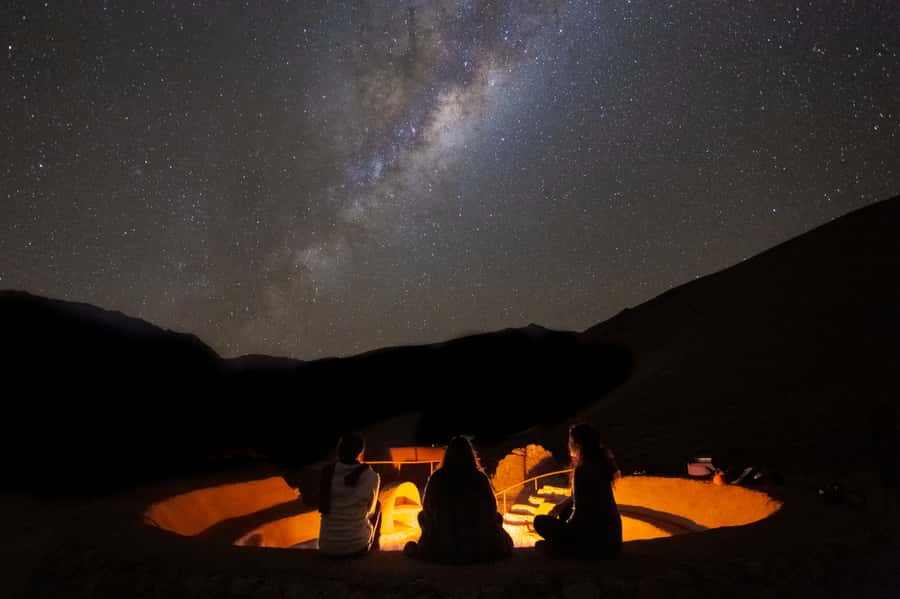
The first stop at the viewpoint includes about 15 minutes with a guide. This is where you get oriented to the setting and begin learning about the southern skies. The guide speaks Spanish, and a simultaneous translation option is available, which can make the explanations easier to follow if Spanish is not your strong language.
After the introduction, you have about an hour and a half for sightseeing and observation. You can start with the naked-eye view, taking in the broad sweep of the stars. Then the professional telescope gives you a closer look at selected celestial objects.
The 20-inch size is important because it signals that this is not a token telescope placed beside a lookout. You are there for actual guided observation. The exact objects visible can change with the season and conditions, so I would not book it expecting a fixed checklist. The value comes from having an astronomy guide explain what you are seeing and direct your attention to the best available targets.
The most praised part of the experience is the guiding. Etienne and Gabriel have been singled out for explaining constellations and stars clearly, taking time with questions, and treating the group warmly. That personal attention matters during astronomy outings because the equipment alone cannot tell you where to look or why an object matters.
One caution is group size. A Canadian participant found the staff accommodating and well informed but reported plenty of waiting to look through the telescope because the group was large. If the telescope is your main reason for booking, ask the provider about expected group size before paying directly.
The telescope, the stars, and the waiting time
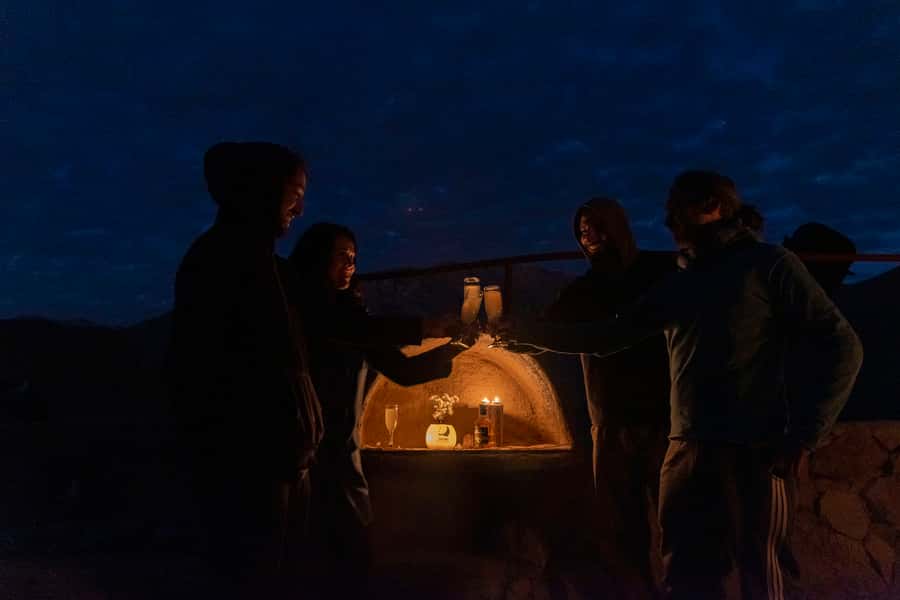
The telescope portion works best if you treat it as shared access, not private use. Everyone is unlikely to look at the same object at the same instant, so some standing or waiting may be part of the evening. The supplied information does not state the group limit or the number of telescope turns per person.
That does not make the experience poor. It simply changes your expectations. While other people use the telescope, you can continue looking at the sky without equipment, listen to the explanation, or enjoy the mountain setting. Still, if you want a fast, highly technical session with long individual telescope time, this may feel less focused than a small specialist observatory visit.
The guide-led format helps keep the wait useful. A good explanation of a constellation can make the naked-eye view more rewarding, especially when you are still learning to identify stars. The strongest feedback has focused on friendly, clear staff, so the human side appears to be a major part of the value.
The experience is also wheelchair accessible, and one account describes the team taking care of an older man with mobility problems so he could enjoy the evening. You should still confirm any personal access needs when booking, since the observatory is on a mountain and the available information does not describe every surface or transfer detail.
More night sky trips from La Serena:
- Astronomical Observation Milky Way Sanctuary Pangue Observatory
★ 3.5 · 7 reviews - Milky Way Sanctuary Stargazing Tour at Pangue Observatory
★ 4.2 · 5 reviews - San Pedro de Atacama: Etno-Stargazing Tour with Transfer
★ 4.8 · 629 reviews - The Roofless Experience San Pedro de Atacama Stargazing Tour
★ 5.0 · 522 reviews
A pisco sour and a mountain evening
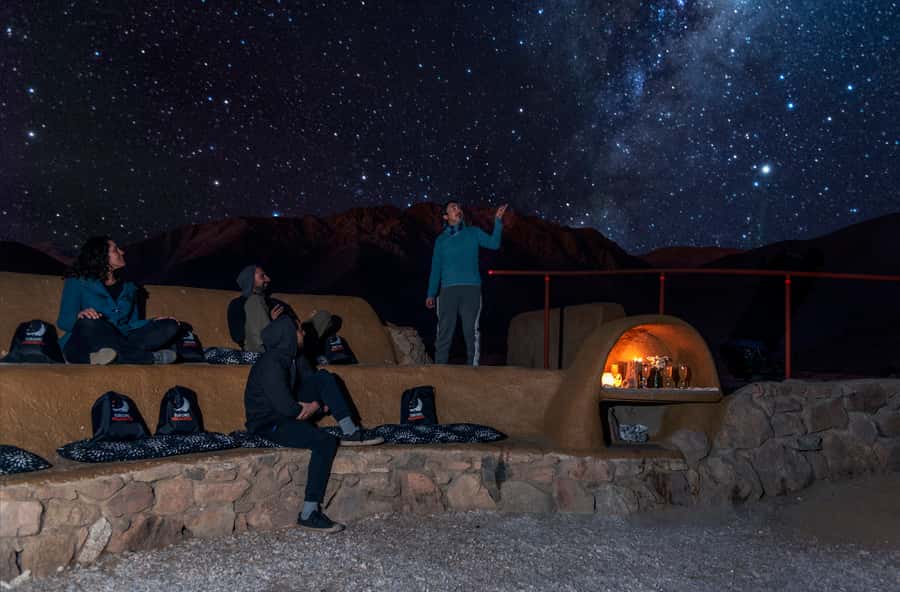
A pisco sour is included in the price. It is a modest extra, but it connects the astronomy outing to the area’s most famous drink. You can enjoy it as part of the social side of the evening rather than treating the visit as a purely technical lesson.
Keep your priorities clear, though. The cocktail is not the reason to pay $54. The real value is the combination of mountain transport, an astronomical guide, access to a 20-inch telescope, a low-light setting, and the portrait afterward.
Warm clothing is essential. The information specifically advises bringing it, and mountain air can feel cold once you are sitting still at night. Wear layers rather than relying on one heavy item. A hat or extra outer layer may also be useful, but the only confirmed instruction is to bring warm clothing.
Because there are no public bathrooms at the observatory, I would use the facilities before meeting the van. This is a simple preparation step, but it can save you an uncomfortable wait during the 90-minute viewing period.
The final 30 minutes and your digital portrait
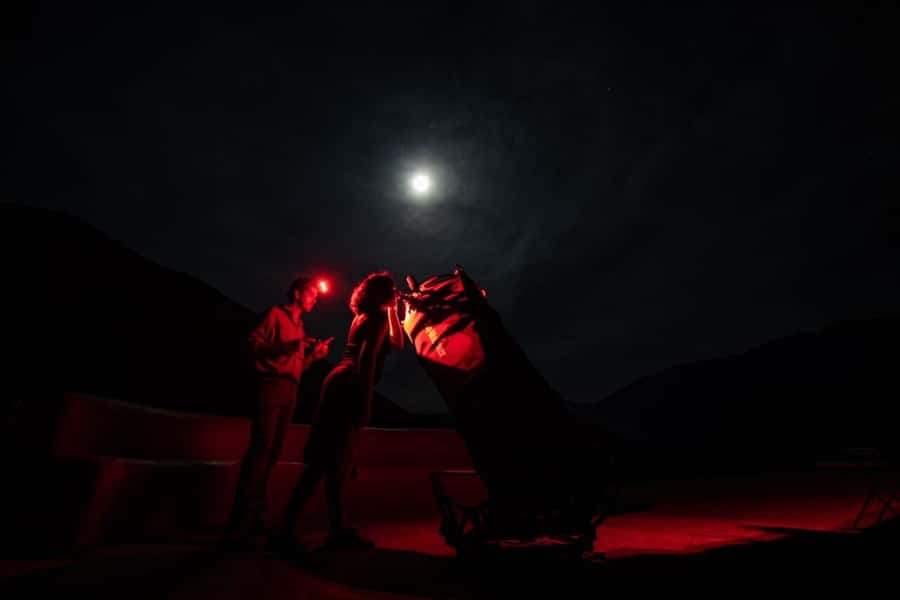
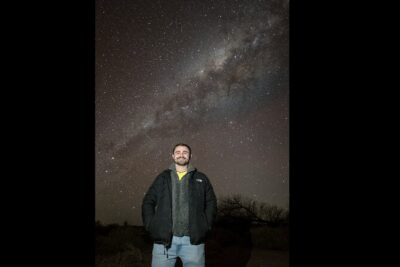
The last part of the evening is set aside for a photo stop. This is more than a random group picture. The experience includes a digital night portrait, designed as a souvenir of your time under the stars.
You do not receive it immediately. The portrait is sent to your email address the day after the experience. Check that the email you provide is correct, and look for the message after returning to town. If you do not see it, check your spam folder before assuming something went wrong.
The portrait adds value because night photography is difficult with a phone. A normal snapshot may show a dark face and a few washed-out points of light. A planned night portrait gives you a better chance of preserving the setting, though the supplied information does not specify the exact composition or whether each person receives an individual image.
After the photo stop, the van returns you to Turismo Migrantes. The round trip is included, so you do not need to arrange a separate mountain transfer.
Is $54 a fair price?
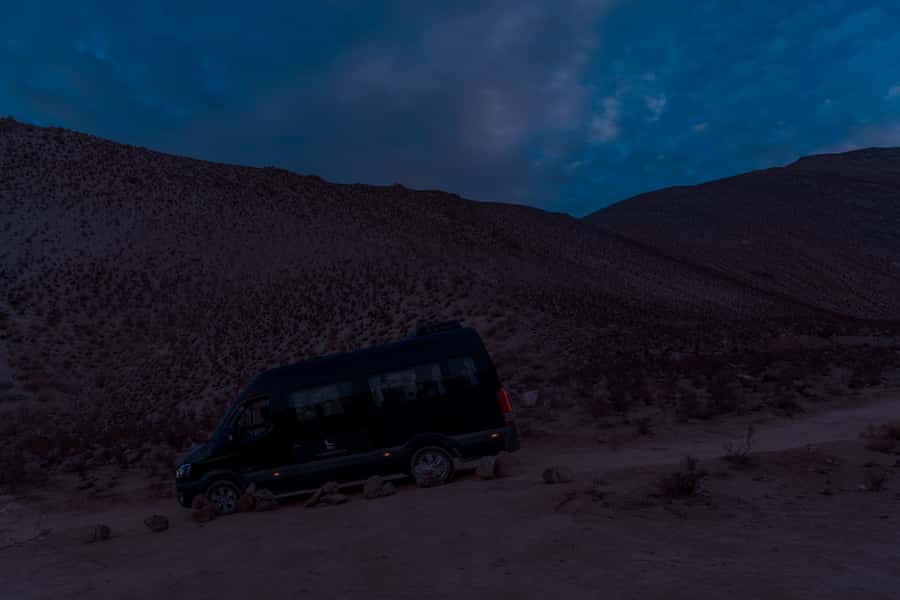
At $54 per person, this is not the cheapest way to look at stars. You are paying for more than access to a viewpoint, though. The price includes round-trip transport from Pisco Elqui, a Spanish-speaking astronomical guide, observation through a professional 20-inch telescope, a pisco sour, and a digital portrait.
For you, the value is strongest if you want a ready-made evening with the practical pieces handled. You do not need to find a mountain road, bring a telescope, or work out which constellations are visible. The guide gives the sky structure, while the transfer removes some of the local transport fuss.
The value is weaker if you mainly want a quiet private view of the stars. A large group may bring waiting time, and the experience does not promise private telescope use. You might also prefer to spend the money on a dedicated observatory session if technical astronomy is your top interest.
A direct booking may be worth checking. One Canadian participant felt the booking platform charged more than the local provider and suggested contacting Agencia de Turismo directly. The experience provider named here is Turismo Migrantes, so compare the final price and inclusions before choosing where to reserve. Do not assume a direct price will be lower, but it is sensible to check.
The score of 4.6 from 20 ratings suggests strong overall satisfaction, with praise centered on the guides, the stars, and the personal care shown during the outing. The smaller number of ratings means I would still pay attention to the practical cautions about group size and facilities.
Who will enjoy this experience most
I would recommend this outing to first-time stargazers, couples, families, and anyone who wants an easy introduction to the southern sky. It gives you enough explanation to learn something, but it does not require previous astronomy experience.
It is also a good choice if you want a memorable evening that feels tied to Pisco Elqui. The pisco sour, the mountain setting, and the portrait give the outing a local character beyond simply looking through a telescope.
People with limited mobility may find the accessible setup and attentive staff helpful. Ricardo specifically described the care given to his older father, who had mobility problems. You should still contact the provider with exact needs before booking, because the available details do not explain the full route at the viewpoint.
You may want to reconsider if you need a bathroom close by, dislike group waiting, or are uncomfortable in cold night air. The observatory has no public hygienic services, and the mountain location makes warm clothing a necessity rather than a suggestion.
Booking details worth keeping in mind
The activity lasts 150 minutes, but the exact starting time depends on availability. The live guide speaks Spanish, with a simultaneous translation option available. Confirm that option at the time of booking if you need it.
You can cancel up to 24 hours in advance for a full refund. A reserve-now, pay-later option is also available, which helps if your Pisco Elqui plans may shift.
Arrive at the Turismo Migrantes office 10 minutes early. Since there is no parking at the office and no hotel pickup or drop-off, build your local transport plan before the evening begins.
Should you book it?
Book this Pisco Elqui stargazing experience if you want a well-organized introduction to the southern sky, a professional telescope, and a keepsake portrait without arranging mountain transport yourself. The guides appear to be the strongest part, and the clear skies provide the kind of setting that makes even a simple look upward feel special.
I would skip it only if you need private telescope time, easy bathroom access, or a warm indoor venue. For most visitors staying in Pisco Elqui, $54 is a reasonable price for the transport, guide, equipment, drink, and photo, as long as you arrive prepared for cold weather and possible group waiting.
FAQ
Where does the experience start?
You meet at the Turismo Migrantes office in Pisco Elqui. Arrive 10 minutes before the scheduled start and announce your arrival at reception.
How long does the experience last?
The full experience lasts 150 minutes. The van ride takes about 15 minutes each way, with the main viewing time taking place at the mountain viewpoint.
Is transportation included?
Yes. Round-trip van transportation from Pisco Elqui is included. Hotel pickup and drop-off are not included.
What language does the guide speak?
The live tour guide speaks Spanish. A simultaneous translation option is available.
Is the observatory wheelchair accessible?
The activity is listed as wheelchair accessible. The available information does not describe every access detail at the mountain viewpoint, so contact the provider if you have specific requirements.
Is there a bathroom at the observatory?
No. The observatory does not have a public bathroom. Use facilities before leaving Pisco Elqui, and bring warm clothing for the mountain setting.
More Evening Experiences in La Serena
- Night walk with astro photography
★ 4.5 · 3 reviews - Sunset in the Andes Mountains
★ 5.0 · 332 reviews - Astronomical Tour “Under the Night Sky”
★ 5.0 · 284 reviews - Santiago: Andes Mountains Sunset and Valle Nevado & Picnic
★ 4.6 · 181 reviews
More Pisco & Elqui Valley in La Serena
- La Serena: Full day Tour to Elqui Valley
★ 5.0 · 11 reviews - Grand Tour Elqui Valley Heavenly Paradise of Sacred Mountains
★ 4.5 · 10 reviews - The Magnificient Elqui Valley Grand Tour
★ 5.0 · 4 reviews - La Serena & Elqui Valley : Ancestral & Avant Garde Wines & Piscos
★ 5.0 · 2 reviews
Just added around La Serena
- Fray Jorge ice-age relict forest UNESCO National Park★ 5.0 · 2 reviews
- Astronomical Observation Milky Way Sanctuary Pangue Observatory★ 3.5 · 7 reviews
- La Serena & Elqui Valley : Ancestral & Avant Garde Wines & Piscos★ 5.0 · 2 reviews
- Sailing and Hiking Isla Damas : Humboldt Penguin Reserve★ 4.0 · 13 reviews
- Night walk with astro photography★ 4.5 · 3 reviews
- La Serena: Full day to Isla Damas & Humbolt Pinguino National Reserve★ 4.5 · 11 reviews
- La Serena and Coquimbo Private City Tour Including Lunch, Shore Excursion★ 5.0 · 5 reviews
- La Serena: Full day Tour to Elqui Valley★ 5.0 · 11 reviews
Stargazing & Astronomy, compared.
The Roofless Experience San Pedro de Atacama Stargazing Tour
Read our review →
Astronomical Tour with Guide and Pick Up San Pedro de Atacama
Read our review →
“Astronomical Adventure in San Pedro de Atacama”
Read our review →Browse the lists this tour appears in