
Reviewed · STARGAZING & ASTRONOMY
Astronomical Observation Milky Way Sanctuary Pangue Observatory
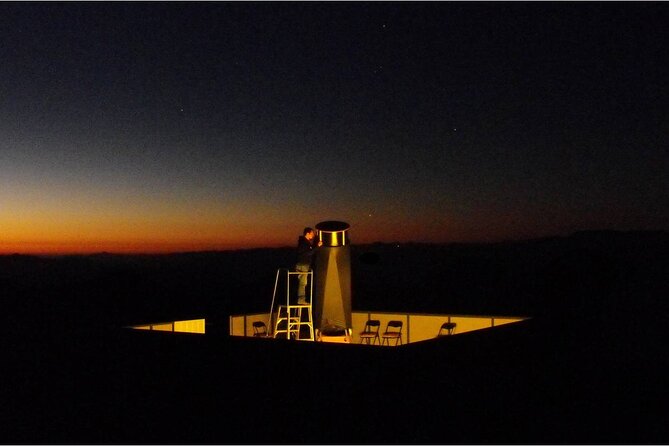
Look up, and Chile’s night sky takes over. This evening trip from La Serena combines a scenic ride through the Elqui Valley with powerful telescope viewing at El Pangue Observatory, where you may see planets, nebulae, star clusters, and distant stellar remnants. I like the small maximum group of eight, and I like that a trained astronomer explains what you are seeing rather than leaving you alone with a telescope. The main consideration is timing: the ride takes much of the evening, and moonlight or poor weather can reduce the quality of the view.
I also like the cultural stops along the way, especially Vicuña and the old road through the Elqui Valley. You get more than a drive to an observatory, but the first stops are brief, and the $185 price is a serious commitment for a six- to seven-hour outing. If the southern sky is your main reason for visiting northern Chile, the cost can make sense. If you want a quick stargazing session, it may feel high.
In This Review
- Key points to know before booking
- Why La Serena is a fine base for stargazing
- Avenida Francisco de Aguirre sets the scene
- The Elqui Valley road takes one hour
- Vicuña brings Gabriela Mistral into the evening
- Ruta Antakari reaches the dark-sky sanctuary
- Two hours under the southern sky at El Pangue
- How the $185 price measures up
- Who will enjoy this evening most
- Practical details that affect your night
- Should you book the Pangue Observatory tour?
- FAQ
- Where does the tour begin?
- What time does the tour start?
- How long does the experience last?
- Is pickup included?
- Is the tour available in English?
- How large is the group?
- What can I see at El Pangue Observatory?
- Are young children allowed?
- Does the observatory operate during the full moon?
- What happens if bad weather cancels the tour?
Key points to know before booking
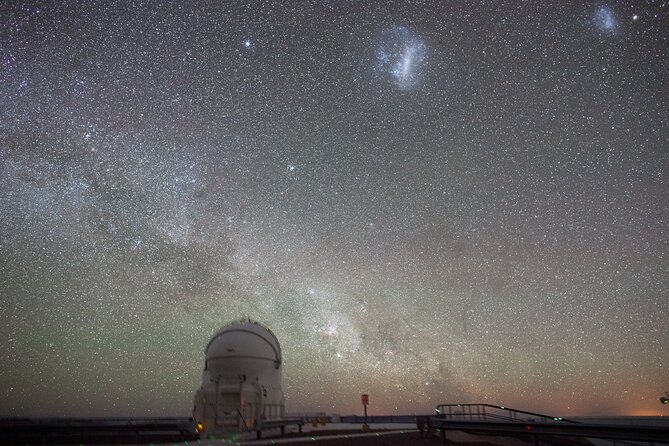
- El Pangue Observatory is the main event: Plan on about two hours of guided viewing through the observatory’s telescope.
- The route adds cultural context: You pass La Serena’s monuments, adobe churches, old hacienda houses, indigenous towns, and the Elqui Valley.
- The group is capped at eight people: That makes it easier to hear the astronomy explanations and spend time at the telescope.
- The tour begins at 5:30 p.m.: Pickup is coordinated from Avenida del Mar, La Serena’s old town, or the city center.
- The moon matters: The observatory closes on days close to or during a full moon, about six days each month.
- The trip depends on weather: Poor conditions can lead to a new date or a full refund.
Why La Serena is a fine base for stargazing
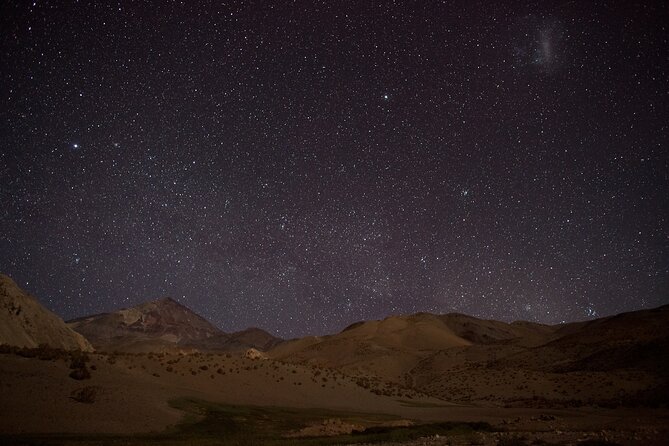
La Serena is one of Chile’s best starting points for an astronomy evening because the route quickly leaves the city and heads inland toward the Elqui Valley. The area is linked with both tourist and scientific observatories, and the trip gives you a sense of how the dry northern climate supports night-sky observation.
This is not a quick transfer straight to a telescope. The road passes through one of the country’s notable historic routes, with old adobe churches, hacienda houses connected to the first Spanish conquerors, rural parcels, and indigenous towns. You will not have long at every place, but the drive helps explain why the Elqui Valley is more than a backdrop for astronomy.
The itinerary runs about six to seven hours, including the return to La Serena. Pickup starts at 5:30 p.m., so you should expect an evening that runs well into the night. That timing works nicely if you want your daytime free for La Serena, Coquimbo, or the valley, but it is not ideal for anyone who prefers an early night.
More night sky trips from La Serena:
- Pisco Elqui: Mountaintop Stargazing and Night Portrait
★ 4.6 · 20 reviews - Milky Way Sanctuary Stargazing Tour at Pangue Observatory
★ 4.2 · 5 reviews - San Pedro de Atacama: Etno-Stargazing Tour with Transfer
★ 4.8 · 629 reviews
Avenida Francisco de Aguirre sets the scene
The first stop is the Museo de Avenida Francisco de Aguirre area, with about 20 minutes to see the founding terraces, marble statues, and monuments along one of La Serena’s most attractive avenues. These features relate to the Serena Plan, the urban renewal program that shaped much of the city’s central appearance.
This is a short orientation stop rather than a museum visit with a long indoor tour. You get a quick look at La Serena’s civic side before heading into the valley. If you have already explored the avenue during the day, this part may feel familiar, but it helps place the evening in the city’s wider history.
Because admission is included at no extra charge, there is no financial concern here. The real question is time. The stop takes only 20 minutes, so keep your expectations modest and use it as a brief introduction.
The Elqui Valley road takes one hour
From La Serena, the international route leads into the Elqui Valley. The drive lasts about an hour, and the changing scenery is one of the more pleasant parts of the experience. You pass adobe churches, old estate houses, rural plots, and indigenous settlements as the city gives way to the valley.
I like this section because it gives the astronomy outing a sense of place. You are not simply being taken to a dark site with no context. The valley’s buildings and communities show how people have used this route over time, while the dry conditions help explain why observatories operate in the region.
There is no scheduled admission ticket or extended walking visit during this section. Treat it as a scenic and cultural drive. If you want detailed visits inside churches or historic houses, this is not that kind of tour. The value comes from the guide’s route and the changing view outside your window.
Vicuña brings Gabriela Mistral into the evening
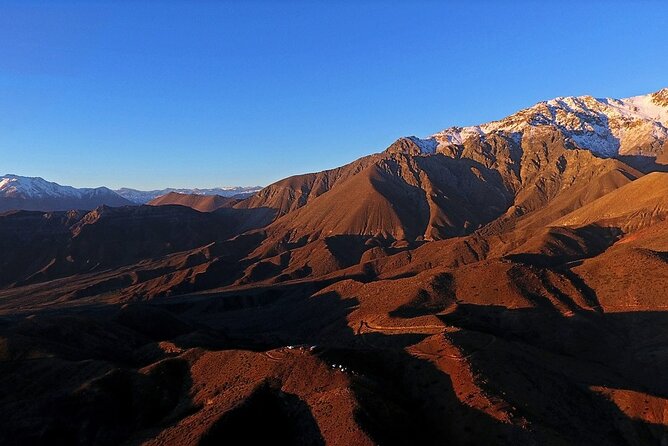
The vehicle reaches Vicuña, a city at the foot of the pre-Andes, for about 20 minutes. Vicuña is strongly associated with Gabriela Mistral, the Latin American woman who became the first Nobel Prize winner in literature, and the stop adds a literary note to an evening otherwise focused on astronomy.
The visit centers on one of the city’s attractive squares, which is surrounded by artistic expressions and craft fairs. The city also has a strong connection with astrophysics because several tourist and scientific observatories are close by. An emblematic tower is also highlighted in the city’s story, with a connection to Albert Einstein’s birthplace noted in the tour description.
Twenty minutes is enough to look around the square and get your bearings, but not enough for a full museum visit or a long browse through local crafts. If you want to shop, keep an eye on the clock. The focus is on a quick stop before the mountain road, not a full Vicuña sightseeing tour.
A few more La Serena trips worth comparing side by side
- Astronomical Observation Tour in the Atacama Desert
★ 4.5 · 37 reviews
Ruta Antakari reaches the dark-sky sanctuary
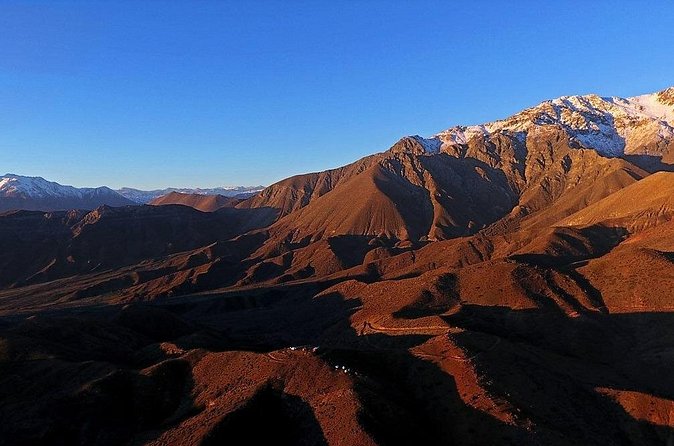
Leaving Vicuña, the tour heads south along Ruta Antakari, a mountain road toward the Gabriela Mistral Dark Skies Sanctuary. This is where the evening shifts from cultural sightseeing to astronomy.
The route provides the first panoramic views of the scientific observatories at Tololo, SOAR, Gemini South, and Rubin. Seeing these facilities from the road gives you a useful sense of the area’s importance in modern astronomy. The region is described as one of the world’s three most recognized hot spots for astronomical observation, and that claim helps explain the concentration of major observatories here.
The scheduled time for this portion is about 30 minutes, including the arrival at El Pangue Observatory. You should be ready for a mountain road and a later night. The information provided does not specify road conditions, vehicle type, or walking distance at the observatory, so ask the operator if you have concerns about motion or mobility.
Two hours under the southern sky at El Pangue
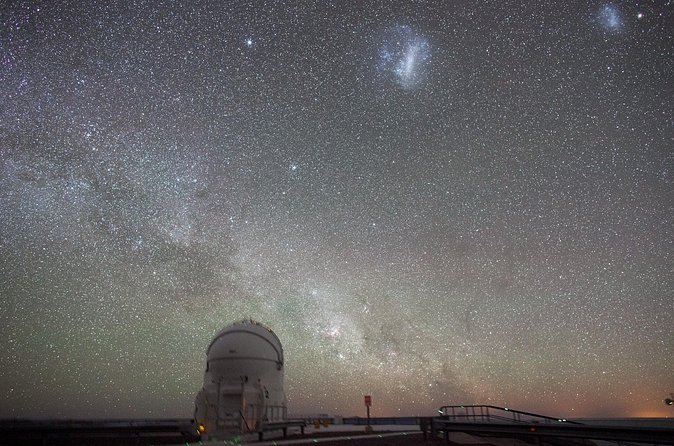
The main observation session lasts about two hours. The astronomy guide uses a powerful telescope to point out objects in the southern sky and explain what you are seeing. This guided approach matters because the night sky can be overwhelming at first. A bright dot becomes more interesting when you know whether it is a planet, a red dwarf star, a blue giant, or part of a larger stellar system.
The planned list includes planets, comets, red dwarf stars, blue giants, binary stars, nebulae, star clusters, and supernova remnants. You should not assume every object will be visible on every night. Visibility depends on weather, darkness, the season, and the position of each object, but the range gives the guide plenty to work with.
One particularly useful feature is the explanation. The guide does not just point the telescope and move on. The experience is designed around learning the night sky, and the guide has been praised for explaining the objects clearly. That is important for beginners and still useful if you already know a little astronomy.
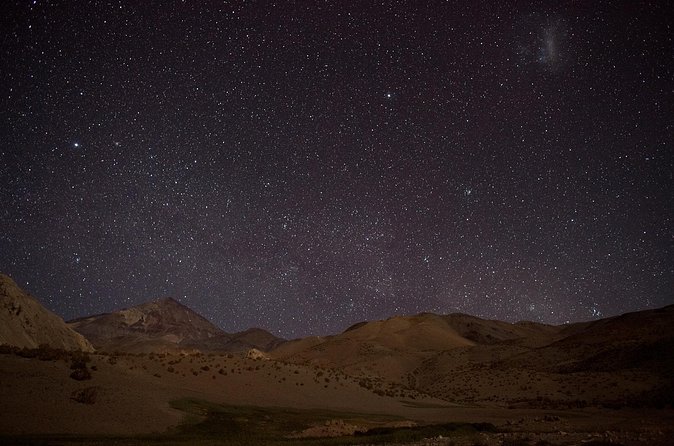
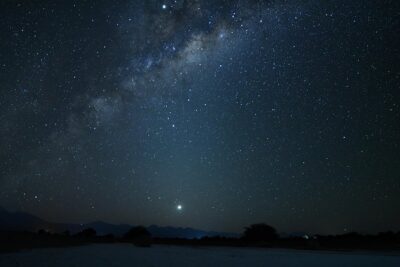
The southern sky can offer a different view from what you are used to in the Northern Hemisphere. Depending on conditions, you might see familiar objects such as Orion, along with planets and other targets selected for that night. The available feedback specifically notes views of stars, planets, and the Orion Nebula even when moonlight caused some light interference.
That moonlight detail deserves attention. A bright moon can wash out fainter stars and nebulae, which is why the observatory closes on days close to or during a full moon. The stated closure covers about six days each month. Booking outside that period gives you a better chance of seeing faint objects, though weather and atmospheric conditions still control the final result.
The group limit of eight is a real advantage here. Astronomy is easier when you can hear the explanation, ask a question, and get a reasonable turn at the telescope. A larger coach group would change the feel of the evening, so this small format helps justify part of the price.
How the $185 price measures up
At $185 per person, this is not a budget night out. You are paying for a private-style transfer from La Serena, a long route into the Elqui Valley, cultural stops, access to El Pangue Observatory, and a two-hour astronomy session in a group of no more than eight.
The price makes the most sense if you value the full evening rather than only the telescope. The transport is useful because the observatory is outside La Serena, and the route includes places you might not visit as easily at night on your own. The small group and astronomy instruction also add value.
Still, the first three stops are short. You receive a quick look at Avenida Francisco de Aguirre, a scenic drive through the valley, and a brief visit to Vicuña rather than a series of long guided visits. If your only goal is to see stars, compare the cost with shorter observatory outings before booking.
I would also factor in the weather policy. If poor weather forces a cancellation, you can choose another date or receive a full refund. That protects the price you paid, but it may not protect your holiday schedule if you have only one evening available.
Who will enjoy this evening most
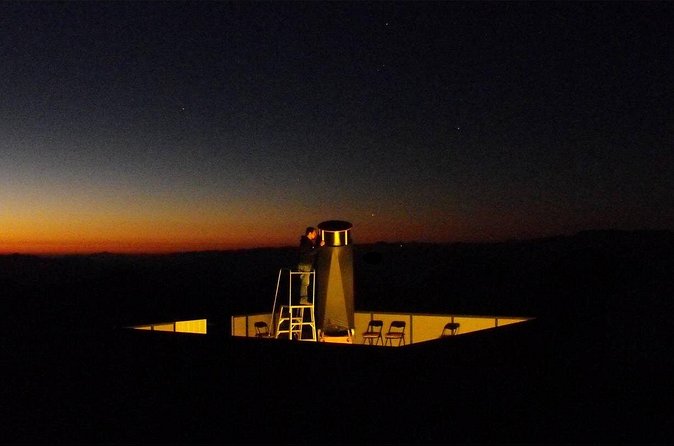
I would recommend this experience to you if you want astronomy explained in plain terms and prefer a small group. Beginners should find the session approachable, while anyone with a serious interest in stars will appreciate the chance to view a broad set of objects through a strong telescope.
It also suits people who enjoy a little cultural context before their main activity. The connection to Gabriela Mistral, Vicuña’s craft surroundings, La Serena’s monuments, and the Elqui Valley route give the outing more substance than a direct nighttime transfer.
Families should note the age rule. Children under nine are not accepted, so this is aimed at older children and adults. Since the tour lasts six to seven hours and includes late-night observation, older children who already enjoy science may get the most from it.
You should think twice if you dislike long drives, need a highly flexible schedule, or are visiting during a bright-moon period. The observatory closes around the full moon, and even outside that window, cloud or poor conditions can change the night’s results.
Practical details that affect your night
Pickup is coordinated from Avenida del Mar or from La Serena’s old town and city center. The operator provides confirmation at booking, and most people can take part. Since pickup is personalized, confirm the exact meeting point and time rather than assuming the vehicle will stop at every hotel.
Wear clothing suitable for a late evening in an exposed mountain setting, although the supplied details do not specify temperatures or equipment. The key practical point is to be ready for a long outing, a mountain road, and a return to La Serena roughly an hour and a half after leaving the observatory.
The tour is available in English, which matters during the astronomy session. Clear explanations are a major part of the experience, so the language option helps you get full value from the guide’s time at the telescope.
The overall rating is 3.7 from seven ratings, which suggests a mixed sample rather than universal approval. The strongest praise centers on the southern night sky, the powerful telescope, and the guide’s clear explanations. The main caution comes from conditions such as moonlight, which can affect what you see even when the tour runs as planned.
You can cancel without penalty up to 24 hours before the start time. Changes or cancellations inside that 24-hour window are not accepted for a refund. The operator can also cancel for poor weather or if too few people book, offering another date, another experience, or a full refund.
Should you book the Pangue Observatory tour?
Book it if you want a full astronomy evening from La Serena, not just a telescope appointment. The small group, English-language explanation, scenic Elqui Valley route, and two-hour session at El Pangue make this a solid choice for curious beginners and serious sky watchers who accept the $185 cost.
I would book outside the full-moon closure period and leave room in your schedule for a weather change. If your priority is the southern sky and you want help understanding what you see, this outing offers good value. If you want a cheaper, shorter activity or a guaranteed list of celestial objects, choose a simpler observatory visit instead.
FAQ
Where does the tour begin?
Pickup is coordinated from Avenida del Mar, La Serena’s old town, or the city center.
What time does the tour start?
The stated start time is 5:30 p.m.
How long does the experience last?
The full experience takes approximately six to seven hours.
Is pickup included?
Yes. Personalized pickup is offered from the listed areas of La Serena.
Is the tour available in English?
Yes, the experience is offered in English.
How large is the group?
The tour has a maximum of eight travelers.
What can I see at El Pangue Observatory?
The planned observation includes planets, comets, red dwarf stars, blue giants, binary stars, nebulae, star clusters, and supernova remnants.
Are young children allowed?
Children under nine are not accepted. Participation is available for children over nine.
Does the observatory operate during the full moon?
The observatory is closed on days close to or during a full moon, which covers about six days each month.
What happens if bad weather cancels the tour?
You can receive a different date or a full refund if poor weather causes cancellation. A different date, experience, or full refund is also offered if the minimum number of participants is not reached.
Just added around La Serena
- Fray Jorge ice-age relict forest UNESCO National Park★ 5.0 · 2 reviews
- La Serena & Elqui Valley : Ancestral & Avant Garde Wines & Piscos★ 5.0 · 2 reviews
- Sailing and Hiking Isla Damas : Humboldt Penguin Reserve★ 4.0 · 13 reviews
- Night walk with astro photography★ 4.5 · 3 reviews
- La Serena: Full day to Isla Damas & Humbolt Pinguino National Reserve★ 4.5 · 11 reviews
- La Serena and Coquimbo Private City Tour Including Lunch, Shore Excursion★ 5.0 · 5 reviews
- Costa DE Desierto Atacama : La Serena-Llanos del Challe-Pan de Azucar★ 4.5 · 3 reviews
- Grand Tour Elqui Valley Heavenly Paradise of Sacred Mountains★ 4.5 · 10 reviews
Stargazing & Astronomy, compared.
The Roofless Experience San Pedro de Atacama Stargazing Tour
Read our review →
Astronomical Tour with Guide and Pick Up San Pedro de Atacama
Read our review →
“Astronomical Adventure in San Pedro de Atacama”
Read our review →Browse the lists this tour appears in