
Reviewed · PISCO & ELQUI VALLEY
Elqui Valley Tour: History and Flavors (NOT FOR CRUISES)
See Chile’s valley in one long day. This tour makes the Elqui Valley interesting by mixing mountain scenery, irrigation history, pisco, organic wine, local food, and the literary legacy of Gabriela Mistral. I especially like the wide range of stops and the fact that lunch and tastings are included. I also like that bilingual guides such as Felipe Torres have helped English speakers follow the Spanish presentations.
The main drawback is the pace. Seven to nine hours covers a lot of ground, but several stops are brief, and the tour is not designed for a cruise schedule. English interpretation can also be shared with the Spanish commentary rather than delivered as a full private translation. If you want a slower visit or an English-only tour, this may feel hurried.
In This Review
- Five things to know before booking
- Why the Elqui Valley works as a day trip from La Serena
- Puclaro Reservoir: the valley’s water story
- CAPEL pisco museum: from grape to Chilean spirit
- Paihuano viewpoint: a short look at the valley
- Cavas del Valle: organic wine at high altitude
- Pisco Elqui: lunch and time to slow down
- Monte Grande and Gabriela Mistral’s early life
- Vicuña: the valley’s main town
- Guides, driving, and the bilingual question
- Price, timing, and what the $53 includes
- Who should book this Elqui Valley tour?
- Should you book it?
- FAQ
- How long does the Elqui Valley tour last?
- Where does the tour start and finish?
- Is lunch included?
- Are the wine and pisco tastings included?
- Is the tour conducted in English?
- Is this tour suitable for cruise passengers?
Five things to know before booking
- The day connects scenery with local production: You visit the Puclaro Reservoir, a pisco museum, and an organic high-altitude winery.
- Pisco and wine tastings are included: At the organic vineyard, the included serving is one tasting glass per couple, with an extra cup costing 3,000 Chilean pesos.
- Gabriela Mistral is part of the route: Monte Grande and Vicuña introduce you to the Chilean Nobel Prize winner’s childhood and early education.
- Lunch comes in Pisco Elqui: You get about two hours there for a home-style meal and free time in town.
- The drive requires a full day: Pickup is at 8:00 a.m., or from 7:30 a.m. by arrangement, and the group can reach 30 people.
- It is not suitable for cruise passengers: The tour begins and ends in La Serena, with no promise of matching ship departure times.
Why the Elqui Valley works as a day trip from La Serena
La Serena gives you a useful starting point. It is Chile’s second-oldest city, and the tour begins at the Ecoturismo La Serena meeting point on Avenida Francisco de Aguirre 76. The opening pickup period takes about an hour as passengers are collected, so you should be ready early and expect the morning to begin with practical transport rather than sightseeing.
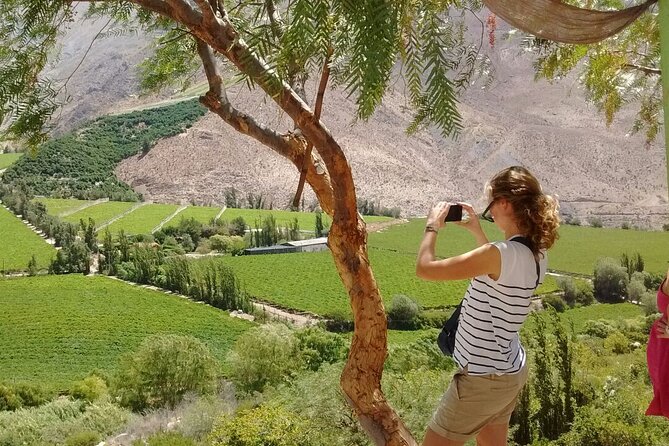
From La Serena, the route heads inland toward the Elqui Valley. The scenery changes as the road leaves the coastal city and enters a drier mountain setting. The tour does not treat the valley as a single photo stop. Instead, it shows how water, farming, spirits, wine, towns, and literature all fit together.
That combination gives the day more substance than a simple scenic drive. I like that you see both working places and small communities. You are not only looking at the mountains through a van window. You are also learning how the valley supports agriculture in a dry part of Chile.
The group size can reach 30 people, although some departures use a smaller 16-seat van. That difference matters. A smaller vehicle usually makes conversation and boarding easier, while a full group may mean slower movement at each stop. The tour requires at least four passengers to operate.
More Elqui Valley Trips in La Serena
- Pisco Elqui: Mountaintop Stargazing and Night Portrait
★ 4.6 · 20 reviews - Elqui Valley and Vicuna Private Tour Including Lunch
★ 4.5 · 18 reviews - Classic Elqui Valley (Between vineyards and fruit trees)
★ 5.0 · 16 reviews
Puclaro Reservoir: the valley’s water story
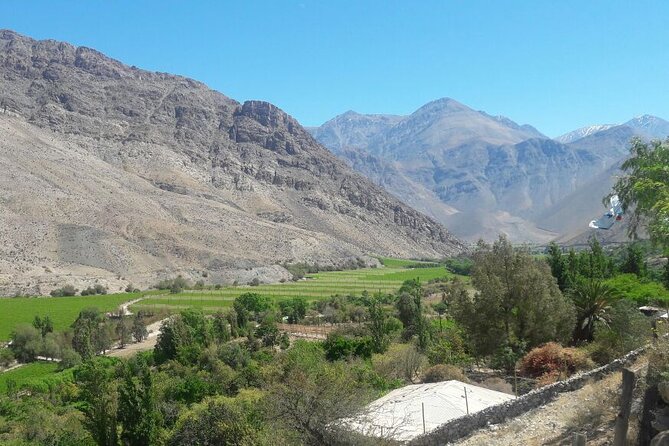
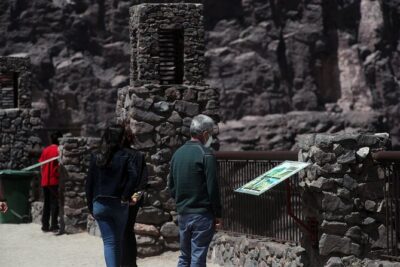
The Puclaro Reservoir is the first major stop, with about 30 minutes at the dam curtain and viewpoints. It is a quick visit, but it gives you an important piece of local context.
The reservoir stores water for irrigation and human supply. It also regulates the flow of the Elqui River. In this dry region, that function is not a minor engineering detail. Water control helps explain why vineyards and other agriculture can exist here at all.
The area includes rest spaces, viewpoints, and tourist services. You can expect a short pause for photographs and a look across the reservoir and surrounding mountain scenery. The stop is free, and there is no admission ticket to manage.
I would not expect a long walk or a detailed engineering tour. Thirty minutes is enough to see the main view and understand the purpose of the dam, but not enough for a full visit around the reservoir. Keep your camera ready, since the group will not linger for hours.
CAPEL pisco museum: from grape to Chilean spirit
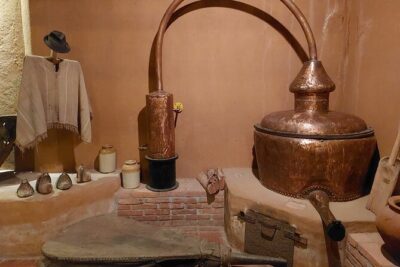
The visit to Centro Turístico Cooperativa Capel lasts about an hour and includes admission. This is one of the most useful stops for anyone who wants to understand Chilean pisco instead of simply ordering a pisco sour at a bar.
CAPEL houses what is described as the first pisco museum in Chile. The visit explains the history of pisco in the region and introduces the production process. You then finish with a tasting, making the stop both educational and hands-on.
The exact style of the presentation can depend on the language mix in your group. Felipe Torres, Felipe, Valeska, and other guides have been praised for translating and explaining Spanish presentations in English. That support can make a real difference because the local facility may conduct much of its own talk in Spanish.
Still, you should set your expectations properly. This is a shared bilingual tour, not an English-only private visit. One past guest felt that some of the Spanish explanation was reduced to a short English summary and that the tasting was less extensive than expected. The operator’s response clarified that the tour provides bilingual guiding rather than a separate English presentation.
The pisco stop also includes a retailer, according to the tour description and guest experience. If you want to buy a bottle or another local product, bring money and allow time for the shop. The advice to carry cash is worth taking seriously, since at least one guest specifically recommended it.
Paihuano viewpoint: a short look at the valley
Paihuano receives only about 15 minutes, so think of it as a viewpoint stop rather than a town visit. The purpose is to pause and take in the natural setting of the Elqui Valley.
This is a useful breather between the larger visits to CAPEL and Cavas del Valle. You can stretch your legs, take photographs, and get a different angle on the valley. There is no admission charge.
The limitation is obvious: fifteen minutes is short. You will not have time to wander far, browse shops, or settle into the town. Stay close to the meeting point and listen for the departure instructions.
More Elqui Valley trips:
- La Serena: Full day Tour to Elqui Valley
★ 5.0 · 11 reviews - Grand Tour Elqui Valley Heavenly Paradise of Sacred Mountains
★ 4.5 · 10 reviews - The Magnificient Elqui Valley Grand Tour
★ 5.0 · 4 reviews - La Serena & Elqui Valley : Ancestral & Avant Garde Wines & Piscos
★ 5.0 · 2 reviews
Cavas del Valle: organic wine at high altitude
Cavas del Valle offers the second major tasting of the day. The winery is known for producing high-altitude wines and has organic production certification. The visit lasts about an hour, includes admission, and covers the facilities, winemaking process, and tasting.
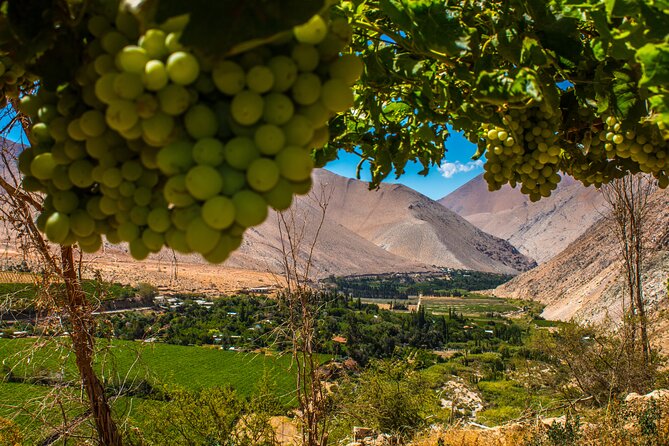
This stop adds variety to the CAPEL visit. Pisco is a distilled grape spirit, while wine gives you another way to understand the valley’s farming traditions. The high-altitude setting also helps explain why this is not a routine winery visit in a flat wine region.
I like the organic focus because it gives the tour a clear local angle. You are not visiting a generic tasting room imported into the valley. The stop connects the bottle with the place where the grapes are grown and processed.
There is one practical detail you should know. The included organic vineyard tasting provides one glass for tasting per couple. If each person wants a separate glass, the extra cup costs 3,000 Chilean pesos. That is easy to miss when comparing prices, so budget for it if you prefer to taste independently.
English support may again be limited by the group format. A German-speaking guest found the wine presentation almost entirely in Spanish, with only a very short English explanation afterward. The guides can translate, but the amount of detail available in English may vary. If detailed wine education in English is your main goal, ask about a private English option before booking.
Pisco Elqui: lunch and time to slow down
Pisco Elqui is the emotional center of the day for many people. The town sits in the heart of the valley at close to 1,300 meters in altitude and was once known as La Unión and earlier as La Greda.
The tour gives you about two hours here, including a home-style lunch. That longer pause is welcome after a morning of driving and short viewpoints. The meal is included, and the tour information also notes a complimentary pisco sour at lunch.
After eating, you have free time. You can look around the church, browse local crafts, have a typical local ice cream, sit in the main square, or simply enjoy the cooler mountain air. The free time is not tightly programmed, which lets you choose between sightseeing and a quiet break.
This is one of the best features of the tour. A guide cannot know if you would rather visit a church, shop for crafts, or sit with an ice cream. Giving you time to choose makes the stop feel less forced.
The tradeoff is that the visit is self-guided. You will not receive a detailed walking tour of every street or building. If you want the guide beside you for the entire stop, this schedule may feel light on explanation. If you value breathing room, it works well.
Monte Grande and Gabriela Mistral’s early life
Monte Grande is a small town with a strong connection to Gabriela Mistral, Chile’s Nobel Prize-winning poet. She lived there, and the 30-minute stop gives you time to see the statue, the church, and, if timing allows, the schoolhouse where she lived and taught.
The phrase if timing allows matters. The tour includes the schoolhouse as a possible visit, but the schedule does not guarantee an extended visit inside. You should treat the stop as a short introduction to Mistral’s life rather than a full museum appointment.
Even so, Monte Grande adds human scale to the day. The valley is not only reservoirs and tasting rooms. It also shaped one of Chile’s most important writers. Seeing the places linked to her early years gives the route a cultural thread.
If Gabriela Mistral interests you, pay attention to the guide’s explanation during the drive. The short stop itself may not provide enough time for a lengthy presentation.
Vicuña: the valley’s main town
Near the end of the route, the tour visits Vicuña for about 30 minutes. Vicuña is presented as the capital of the Elqui Valley and is also connected to Gabriela Mistral, who was born there and received her first years of education.
You get free time around the main square. Possible sights include the Bauer Tower, local shops, and the area’s ice cream. The stop gives you a final chance to walk around a larger local center before returning to La Serena.
Again, thirty minutes is enough for a quick look, not a full city tour. Pick one priority before you leave the vehicle. If you want photographs, focus on the square and Bauer Tower. If you want an ice cream or a small purchase, do that first.
Vicuña is a pleasant closing stop because it shifts the day from rural production to town life. You see where local services, public spaces, and cultural landmarks come together.
Guides, driving, and the bilingual question
The guides receive some of the strongest praise connected with this tour. Felipe Torres is repeatedly described as friendly, clear, and able to keep a mixed-language group involved. Felipe and driver Maurizio were also praised for careful driving and accurate interpretation. Valeska received similar praise for her English translation, and Alex was appreciated for his enthusiasm and conversation.
The driving deserves attention because the route includes mountain roads, cross traffic, passing, sun glare, and one-lane bridges. Several guests specifically appreciated the smooth and careful driving. That matters on a full-day route, when a nervous or careless driver can spoil an otherwise good outing.
The bilingual setup is helpful, but it has limits. The main guide may repeat announcements in Spanish and English, and can translate at the pisco museum or winery. However, the local presentations may not give both languages equal time.
You should book this tour for access to the valley with bilingual support, not for a guaranteed private English lecture at every stop. If you need full interpretation throughout, ask about an exclusive English tour instead.
Price, timing, and what the $53 includes
At $53 per person, the price is strong for a seven to nine-hour outing. It includes an air-conditioned vehicle, lunch, entrance tickets, and the pisco and wine tastings. Paying separately for transport, a long-distance valley route, lunch, and two production visits would likely make independent planning less simple.
The value is especially clear if you want variety. In one day, you get a reservoir, pisco museum, winery, viewpoints, two Gabriela Mistral locations, a substantial town break, and meals. The cost is less compelling if you only want a relaxed winery visit, since the schedule spends many hours on the road and includes several short stops.
The tour starts at 8:00 a.m., though pickup from La Serena can begin at 7:30 a.m. by arrangement. The activity ends back at the meeting point, with the listed final return period taking about an hour as passengers are dropped off at their accommodations.
Bring comfortable clothes, sun protection, water, and some Chilean pesos. The cash tip is practical for optional purchases and the extra tasting cup. You should also arrive early because a late departure can affect the short stops later in the day.
Free cancellation is available until 24 hours before the start time. Changes or cancellations inside that window are not accepted, and the company may cancel if the minimum of four passengers is not reached.
Who should book this Elqui Valley tour?
I would recommend it to first-time visitors based in La Serena who want to see as much of the valley as possible in a single day. It suits couples, solo visitors, and anyone who prefers an organized route with transport, lunch, and tastings handled in advance.
It is also a good fit for people who enjoy a mix of scenery and local products. You do not need to be a wine expert or pisco enthusiast. The tastings are paired with explanations, and the valley views, towns, and cultural stops keep the day from becoming a string of tasting rooms.
Families and most able participants can take part, and service animals are allowed. The long duration and amount of driving may be tiring for anyone who needs frequent rest or dislikes a packed schedule.
I would be cautious if you are arriving by cruise ship. The tour is explicitly not suitable for cruise passengers, and the fixed full-day timing does not offer the safety margin needed for ship departures.
Should you book it?
Book this tour if you want a good-value full-day introduction to the Elqui Valley, especially if wine, pisco, local food, mountain scenery, and Chilean literary history all sound appealing. The careful driving, friendly guides, and included lunch make the long route easier to manage.
Skip it if you want a slow private visit, detailed English interpretation at every venue, or plenty of time in each town. For most people staying in La Serena, though, this is an efficient and enjoyable way to reach the valley without arranging several separate excursions.
FAQ
How long does the Elqui Valley tour last?
The tour lasts approximately seven to nine hours. Pickup begins at 8:00 a.m., with pickup from La Serena starting at 7:30 a.m. by arrangement, and the activity returns to the meeting point.
Where does the tour start and finish?
It starts at Ecoturismo La Serena, Avenida Francisco de Aguirre 76, La Serena. The activity ends back at the meeting point, with passenger drop-offs at accommodations during the return period.
Is lunch included?
Yes. A home-style lunch in Pisco Elqui is included, and the tour information also notes a complimentary pisco sour at lunch.
Are the wine and pisco tastings included?
Yes. Admission and tastings are included at the CAPEL pisco facility and Cavas del Valle organic winery. At the organic vineyard, one tasting glass is provided per couple, and an extra personal cup costs 3,000 Chilean pesos.
Is the tour conducted in English?
The tour uses Spanish and English, with guides providing explanations and translation for English speakers. It is not an English-only tour, so the amount of English detail can vary at the museum and winery.
Is this tour suitable for cruise passengers?
No. The tour is specifically marked as not suitable for cruise passengers because it is a full-day activity beginning and ending in La Serena.
More Historical Tours in La Serena
- Santiago: Guided Walking Tour of the Historical Old Town
★ 4.8 · 459 reviews - Tour Viña Santa Rita: History, Wine and Picnic Outdoors
★ 4.5 · 141 reviews - Viña Del Mar and Valparaiso world heritage site.
★ 4.5 · 89 reviews - Walking Tour Valparaiso, History & Art – Private Optional
★ 4.5 · 59 reviews
Just added around La Serena
- Fray Jorge ice-age relict forest UNESCO National Park★ 5.0 · 2 reviews
- Astronomical Observation Milky Way Sanctuary Pangue Observatory★ 3.5 · 7 reviews
- La Serena & Elqui Valley : Ancestral & Avant Garde Wines & Piscos★ 5.0 · 2 reviews
- Sailing and Hiking Isla Damas : Humboldt Penguin Reserve★ 4.0 · 13 reviews
- Night walk with astro photography★ 4.5 · 3 reviews
- La Serena: Full day to Isla Damas & Humbolt Pinguino National Reserve★ 4.5 · 11 reviews
- La Serena and Coquimbo Private City Tour Including Lunch, Shore Excursion★ 5.0 · 5 reviews
- La Serena: Full day Tour to Elqui Valley★ 5.0 · 11 reviews
Pisco & Elqui Valley, compared.
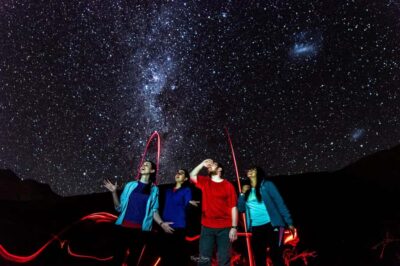
Pisco Elqui: Mountaintop Stargazing and Night Portrait
Read our review →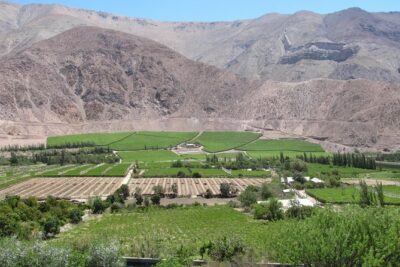
Elqui Valley and Vicuna Private Tour Including Lunch
Read our review →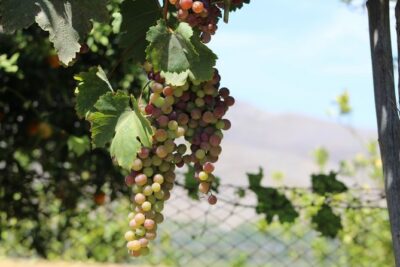
Classic Elqui Valley (Between vineyards and fruit trees)
Read our review →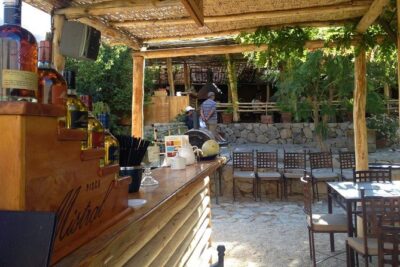
Grand Tour Elqui Valley Heavenly Paradise of Sacred Mountains
Read our review →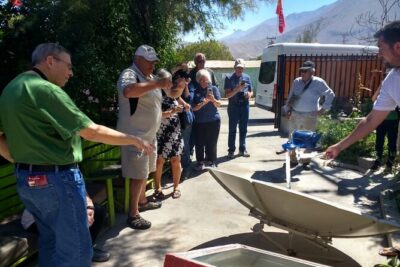
Elqui Valley : Special for Cruises from Port in Coquimbo
Read our review →Browse the lists this tour appears in