
Reviewed · STARGAZING & ASTRONOMY
Astronomical Guided Tour in San Pedro
The desert sky does the talking. This two-hour evening outing takes you from central San Pedro de Atacama to a private viewing site, where you can see the Milky Way without needing a science degree. I like the small maximum group of 15 and the chance to use proper telescopes rather than simply stare upward in the dark.
I also like the friendly teaching style, especially when Jared leads the session in Spanish and English. The main caution is the site’s location near a highway and the edge of town, so this is not a totally remote, silent desert observatory.
In This Review
- At a glance: what makes this night special
- Leaving Caracoles Street for Solor
- The first lesson begins with your own eyes
- Two telescopes, several very different views
- Jared’s teaching style makes the science accessible
- Snacks, drinks, and a pause between telescope turns
- Star photos are a worthwhile bonus
- What $35 buys you
- The site’s main weakness: it is not fully remote
- When to book and how to prepare
- Who should choose this San Pedro night tour?
- Should you book the Astronomical Guided Tour in San Pedro?
- FAQ
- Where does the astronomical tour begin?
- Where does the tour end?
- How long does the experience last?
- How much does the tour cost?
- What is the observation site called?
- How many people can join the tour?
- What can I see through the telescopes?
- Is the tour suitable for beginners?
- Is the tour offered in English?
- Can I cancel for a full refund?
At a glance: what makes this night special
- A short trip to Solor: You leave the Andes Travel office on Caracoles Street and reach a private observation site after a brief drive.
- Two hours under Atacama’s clear sky: The program includes naked-eye sky watching, explanations, telescope viewing, and a photo session.
- Small-group format: The maximum group size is 15, though you may still wait briefly for a telescope or your turn in the group photo.
- Targets change with the date: Depending on the Earth’s position and the night’s sky, you might see planets, clusters, nebulae, galaxies, and constellations.
- Jared brings warmth and clarity: He explains the Solar System and the stars in an approachable way, with Spanish and English used during the session.
- Simple extras add value: Drinks, snacks, tripods, and possible star-background portraits make the evening more than a telescope queue.
Leaving Caracoles Street for Solor
The meeting point is Andes Travel, at Caracoles 174 B in central San Pedro de Atacama. You walk from the office to the van, then ride out toward Solor and the private viewing property.
That transfer matters because San Pedro’s center is lively and convenient, but streetlights are not ideal for serious stargazing. The short ride gets you away from the brightest part of town without turning the evening into a long expedition.
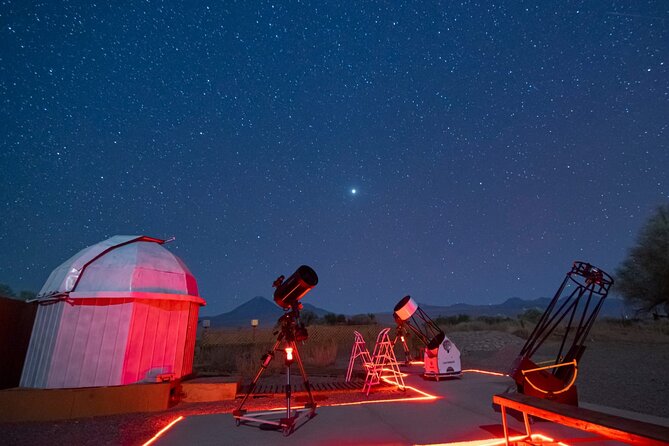
The site is prepared for sky observation, with space for telescopes and tripods. It is close enough to a highway that headlights may appear from time to time. I would not treat this as a wilderness camp or a completely dark observatory, but the passing lights do not appear to ruin the activity.
The setting is practical rather than theatrical. You are there to see the sky, not to receive a fancy dinner or sit in a remote lodge. That helps keep the cost at about $35 per person.
More Stargazing Tours in San Pedro de Atacama
- San Pedro de Atacama: Etno-Stargazing Tour with Transfer
★ 4.8 · 629 reviews - The Roofless Experience San Pedro de Atacama Stargazing Tour
★ 5.0 · 522 reviews - San Pedro de Atacama: Stargazing Experience
★ 4.7 · 489 reviews
The first lesson begins with your own eyes
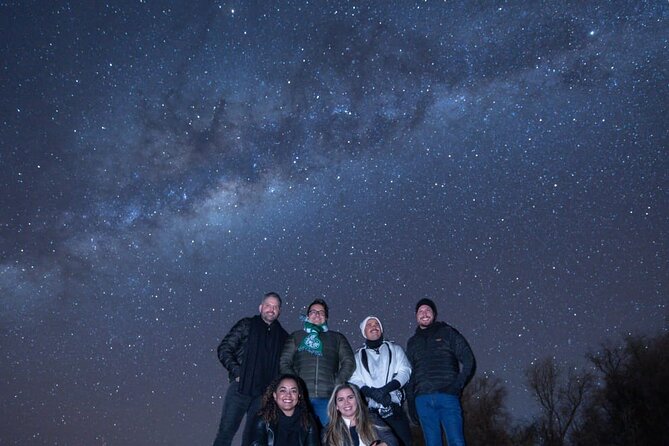
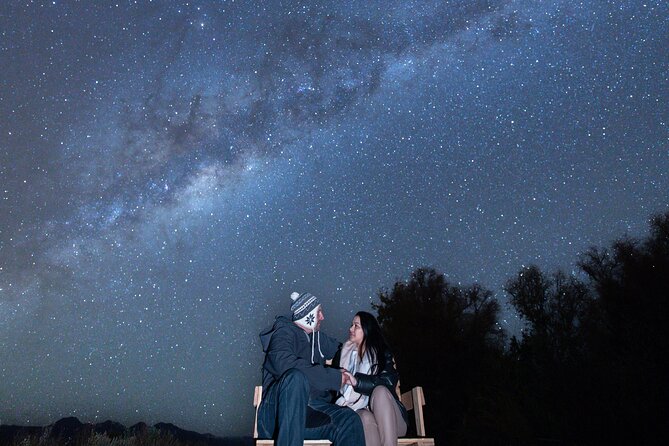
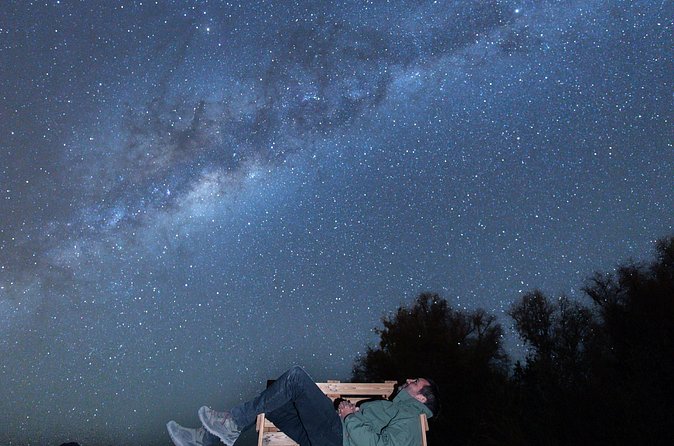
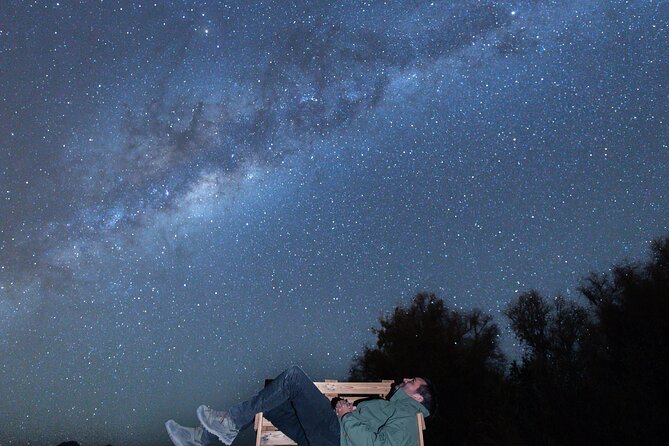
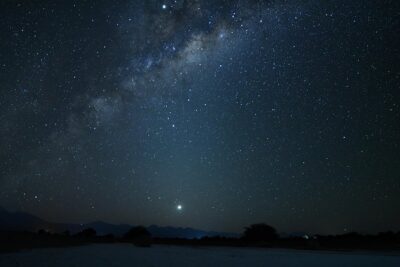
The strongest part of the evening is often the simplest: looking up before anyone points out a target. In San Pedro’s dry desert air, you can see an impressive number of stars with the naked eye, along with part of the Milky Way.
Jared begins with a broad explanation of the sky, the stars, and the Solar System. He also takes questions, which makes a difference for beginners. You do not need to know the difference between a nebula and a cluster before you arrive. The session is designed to give you a starting point, then build from there.
One especially useful feature is that the night’s targets depend on the time of year and the Earth’s position. The guide cannot promise the same list every evening. A planet visible on one date may not be in a useful position on another, and clouds or moonlight could also affect what you see, though no specific weather guarantee is provided.
That changing program is part of real astronomy. You are observing what is actually above San Pedro that night, rather than moving through a fixed indoor display.
Two telescopes, several very different views
The telescopes are positioned according to the objects available that evening. The equipment gives you a chance to move from wide sky watching to focused views of planets, nebulae, and clusters.
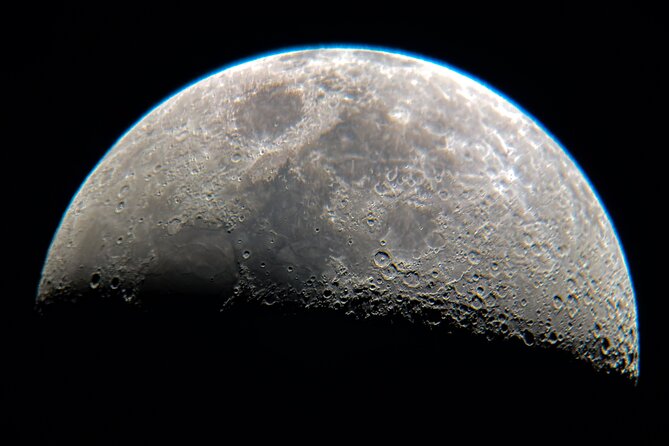
On one evening, the program included Saturn, Jupiter with four moons and visible stripes, the Orion Nebula, the Pleiades, the Tarantula Nebula, and a globular cluster. That is a pleasing mix. Saturn gives you a memorable planetary view, while a nebula or globular cluster shows how different deep-sky objects can appear.
You should keep expectations sensible. A telescope does not turn every object into a bright, colorful picture like the images used by space agencies. The appeal is seeing a real object through the instrument and understanding what you are looking at.
The session is shared among the group. With up to 15 people and two telescopes, you may need to wait for your turn. That is not a flaw so much as the basic tradeoff of a group astronomy outing. If you want constant access to a telescope, a private session would be a better fit, but this experience is priced and organized as a communal activity.
The guide’s explanations are what give the equipment meaning. Without that context, a small blur of light can be easy to dismiss. With a clear explanation, the same blur becomes a distant cluster, nebula, or galaxy.
Jared’s teaching style makes the science accessible
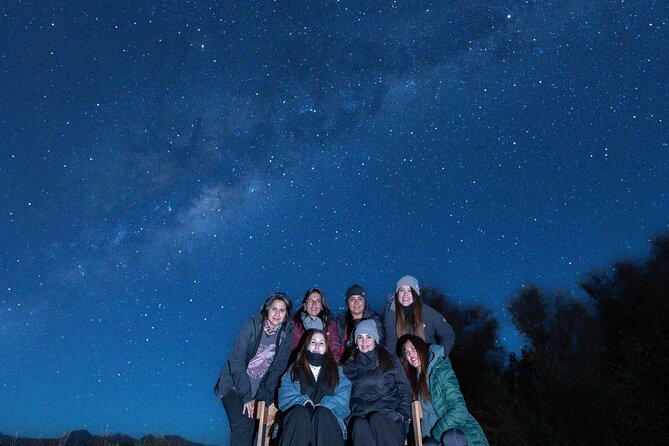
Jared receives especially warm praise for explaining each point clearly and pleasantly. His language skills also help: he conducts the activity in Spanish and English, and on one occasion used some Portuguese as well.
That makes the tour a good choice for mixed-language groups and for people who might feel nervous about joining a science-focused activity. The tone is not presented as a formal lecture. It is closer to a guided conversation, with room for questions and general doubts.
I would choose this outing for families, couples, and first-time stargazers who want more than a quick look at the stars. Children old enough to stay up late may find the planets and moons exciting, while adults can enjoy the larger ideas behind what they are seeing.
The experience also works for people with little or no astronomy background. You are not expected to identify constellations or understand telescope settings. The guide handles the technical side while giving you enough information to follow along.
More night sky trips from San Pedro de Atacama:
- Astronomical Tour “Under the Night Sky”
★ 5.0 · 284 reviews - Stargazing Tour in San Pedro de Atacama
★ 4.5 · 191 reviews - Astronomical Tour with Guide and Pick Up San Pedro de Atacama
★ 4.5 · 145 reviews - “Astronomical Adventure in San Pedro de Atacama”
★ 4.5 · 96 reviews
Snacks, drinks, and a pause between telescope turns
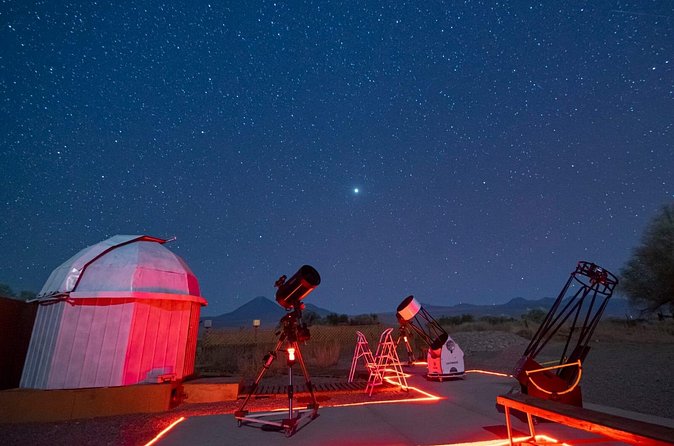
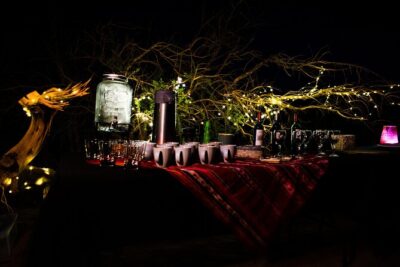
A break with drinks and snacks helps keep the evening relaxed. It also gives the group a useful pause while the equipment is repositioned or people wait for their next view.
This is a modest extra, not a meal. You should still plan your evening around a two-hour activity rather than expecting a full dining experience. The refreshments are best understood as a pleasant touch that breaks up the viewing.
The break also helps with the photo arrangements. The group can split into smaller sections for portraits, while other people use tripods to make their own night-sky images.
Star photos are a worthwhile bonus
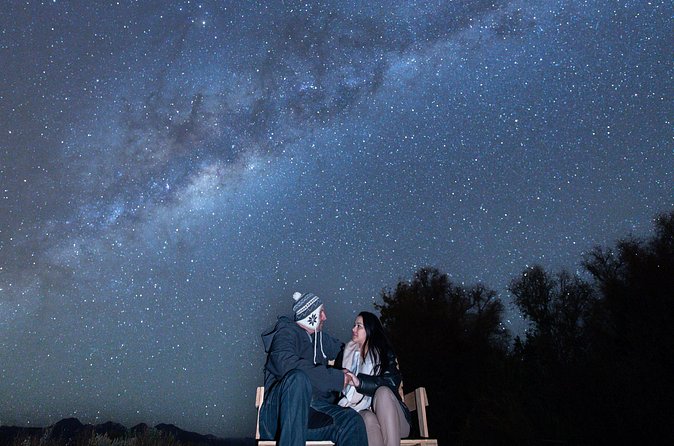
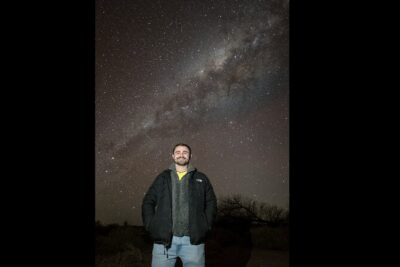
The photo session adds something many basic stargazing outings lack. In one reported experience, Jared sent the finished group photos the next morning, with the stars visible behind the people in the frame.
You can also use the available tripods for your own attempts. A phone photo taken from a tripod will not necessarily match a guide’s planned night portrait, but it gives you a chance to experiment with the sky.
The photo process does take time. If the group is divided for portraits, you may wait before your turn. That is another reason to think of the activity as a social, shared evening rather than a private photo shoot.
For many people, the image becomes the practical souvenir. The memory of seeing Saturn or the Milky Way is personal, but a well-composed star-background portrait is easy to share after returning home.
What $35 buys you
At $35 per person, the tour offers solid value if you want several elements in one short evening:
- Transport from central San Pedro to the viewing area and back
- An organized two-hour astronomy program
- Guidance from an astronomy-focused host
- Access to two telescopes
- Naked-eye constellation and Milky Way viewing
- Drinks and snacks
- Use of tripods
- A possible group photo with the night sky behind you
The value depends on your priorities. If you only want to stand outside and look at stars, you could do that without paying for a tour. But the guide, telescopes, explanations, and photo setup turn a dark sky into a more understandable experience.
The price also reflects the group format. A maximum of 15 people is manageable, but not intimate in the way a private guide would be. You may wait between views, and the guide’s attention is shared.
I consider the cost fair for a first astronomy experience in San Pedro, especially for families or people who do not own camera equipment. Serious amateur astronomers may want more advanced equipment or a darker site, and should compare options before booking.
The site’s main weakness: it is not fully remote
The one strong criticism concerns the location and the level of instruction. The property is near the urban area and a highway, and one person found the educational content too limited to call it a true astronomical tour.
That concern is worth taking seriously. San Pedro is famous for exceptional night skies, but a site near town cannot offer the same feeling as a remote desert observatory. Passing vehicle lights may be visible, and the atmosphere is less isolated than the scenery might lead you to expect.
The program’s educational value also depends heavily on the guide. Jared is described as clear, enthusiastic, and willing to answer questions, but the experience may feel less satisfying if you are seeking a detailed astronomy course.
For a casual evening, those limits are manageable. For an experienced sky watcher who wants highly technical explanations, advanced equipment, or absolute darkness, this may feel too basic.
When to book and how to prepare
The activity is often reserved about 24 days ahead, so it is sensible to arrange it before your trip if your dates are fixed. Confirmation is provided when you book, and the activity returns you to the same Andes Travel meeting point.
Wear clothing suitable for a night outside, but do not assume the tour provides special cold-weather equipment. The supplied details do not specify a clothing list, so check local conditions before heading out.
Give yourself enough time to reach Caracoles 174 B for the departure. Since the van leaves from the center, arriving at the office rather than going directly to the observation site is important.
Keep your phone available for photos, but do not rely on it to reproduce what you see through the telescopes. The available tripods can help, yet night photography often requires patience and careful positioning.
The activity is open to most people, and no special astronomy skill is required. If you are unsure about a particular physical need or family situation, contact Andes Travel before booking, since the published details do not provide a full accessibility description.
Free cancellation is available up to 24 hours before the start time for a full refund. Cancellations or changes made less than 24 hours before departure are not accepted for a refund.
Who should choose this San Pedro night tour?
I would recommend it to you if you want an easy introduction to astronomy, especially if you are staying in central San Pedro and prefer a short evening program. It is a good match for families, couples, groups of friends, and anyone who wants a guide to explain what appears overhead.
It is also useful if you want a mix of experiences: naked-eye viewing, telescopes, refreshments, and a keepsake photo. The small group cap keeps the evening from becoming a huge bus outing, although you should still expect some waiting.
I would be more cautious if your main goal is the darkest possible sky. The highway and nearby urban area are real limitations. I would also look elsewhere if you want advanced astronomy instruction, long observation time at the eyepiece, or a private guide.
Should you book the Astronomical Guided Tour in San Pedro?
Book it if you want a friendly, affordable introduction to the Atacama night sky, with transport, two telescopes, clear explanations, and a chance at a memorable star portrait. Jared’s approachable style is a major reason this works for beginners.
Skip it if a remote location and technical astronomy matter more to you than convenience and price. The site is prepared for observation, but it is not completely isolated, and a group of 15 can mean waiting.
For most first-time stargazers, I think the $35 price is reasonable. Go expecting a well-run introductory evening rather than a professional observatory session, and you are likely to get good value from the clear sky, the guide, and the chance to see real planets and deep-sky objects through a telescope.
FAQ
Where does the astronomical tour begin?
It begins at Andes Travel, Caracoles 174 B, 1410000 Antofagasta, San Pedro de Atacama, Chile.
Where does the tour end?
The activity ends back at the Andes Travel meeting point.
How long does the experience last?
The tour lasts approximately two hours.
How much does the tour cost?
The listed price is $35 per person.
What is the observation site called?
The itinerary identifies the observation stop as Solor.
How many people can join the tour?
The activity has a maximum group size of 15 people.
What can I see through the telescopes?
Depending on the date and the position of the Earth, you may see planets, constellations, clusters, galaxies, and nebulae. Objects seen on one evening included Saturn, Jupiter, the Orion Nebula, the Pleiades, the Tarantula Nebula, and a globular cluster.
Is the tour suitable for beginners?
Yes. Most people can participate, and the activity is designed to explain the stars and Solar System to people with little or no astronomy knowledge.
Is the tour offered in English?
The guide Jared has conducted the tour in Spanish and English. On one occasion, he also used Portuguese.
Can I cancel for a full refund?
Yes. You can cancel at least 24 hours before the local start time for a full refund. Changes or cancellations made less than 24 hours before the start time are not accepted for a refund.
Just added around San Pedro de Atacama
- Vallecito★ 4.7 · 13 reviews
- Atacama Desert and Magic Bus Visit★ 4.8 · 15 reviews
- San Pedro de Atacama: Valle de la luna★ 3.0 · 3 reviews
- Valle de la Luna: A Moon-Like Escape in Atacama★ 5.0 · 3 reviews
- 3 Perfect Days in Atacama + Transfer★ 4.5 · 3 reviews
- Atacama Stargazing Tour Under One of the World’s Clearest Skies★ 4.0 · 3 reviews
- Valley of the Moon In San Pedro de Atacama★ 4.5 · 9 reviews
- Moon Valley Tour, the Best Seller★ 4.5 · 2 reviews
Stargazing & Astronomy, compared.
The Roofless Experience San Pedro de Atacama Stargazing Tour
Read our review →
Astronomical Tour with Guide and Pick Up San Pedro de Atacama
Read our review →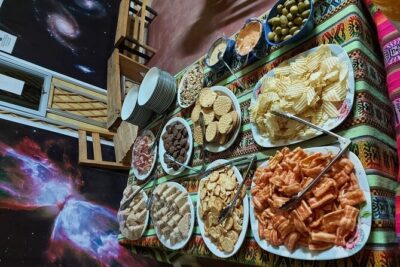
“Astronomical Adventure in San Pedro de Atacama”
Read our review →Browse the lists this tour appears in