
Reviewed · CITY TOURS
Punta Arenas: City Tour
Punta Arenas rewards a closer look. This three-hour city tour gives you a useful first reading of Chilean Patagonia, moving from the main square and grand old buildings to museums, a hilltop viewpoint, the famous cemetery, and the Strait of Magellan. I especially like the hotel pickup in the urban area and the way the route mixes history, architecture, local memorials, and wide views rather than keeping you in one museum all morning.
I also like the practical touches: a bilingual guide, a small snack pack, and a route that includes both major sights and lesser-known local symbols such as the Shepherd Monument. The main drawback is that museum entrance fees are extra, and the schedule can change with wind, weather, or the day and time of your visit.
In This Review
- Key points to know before booking
- Why this tour works well in Punta Arenas
- Starting at the Plaza de Armas
- Inside the Palacio Braun Menéndez
- Looking over the city from Cerro de la Cruz
- The Strait of Magellan and the waterfront
- The Sara Braun Cemetery
- Meeting the Shepherd Monument
- The Maggiorino Borgatello Salesian Museum
- What your $60 includes
- The guide can shape the whole morning
- Who should book this city tour?
- Should you book it?
- FAQ
- How long does the Punta Arenas city tour last?
- Where does pickup take place?
- Which languages are available?
- Are museum entrance fees included?
- Which museums does the tour visit?
- What food and drinks are included?
- What should I bring?
- Can I cancel the tour for a refund?
Key points to know before booking
- Three hours, with hotel pickup: The tour begins and ends in Punta Arenas’ urban area, making it handy for a short stay or a port visit.
- A strong mix of sights: You visit the Plaza de Armas, historic center, Palacio Braun Menéndez, Cerro de la Cruz, the cemetery, waterfront, and several monuments.
- Two museums are part of the route: The Regional Museum of Magallanes is included in the sightseeing plan, while the Maggiorino Borgatello Salesian Museum is also visited. Entrance fees are not included.
- Jose Jara earns high marks: His guiding is praised for clear explanations of Punta Arenas, the region, and Chile.
- Expect changing conditions: Warm clothing, a windbreaker, and sunscreen are sensible. The itinerary may be altered because of weather or timing.
- Good value for a first orientation: At $60 per person, the price makes the most sense if you want transport, guiding, viewpoints, and several historic stops in one compact outing.
Why this tour works well in Punta Arenas
Punta Arenas is easy to underestimate. You may use it as a gateway to Torres del Paine, Tierra del Fuego, or Antarctica, but the city itself tells an important story about the far south. Its streets connect maritime travel, sheep farming, European immigration, military exploration, Indigenous history, and Chile’s long relationship with the Strait of Magellan.
This tour is useful because it gives you that broad picture without asking you to plan several separate visits. You ride between sights, walk through the historic center, stop for views, and get explanations along the way. In three hours, you will not become an expert on Magallanes, but you should finish with a much clearer sense of why Punta Arenas matters.
The pace also suits the city. Some stops are short photo opportunities, while others let you look around a museum or walk through a site. That variety keeps the morning from becoming a long lecture or a string of identical monuments.
More City Tours in Punta Arenas
- Magallanes National Reserve and Punta Arenas City Tour
★ 5.0 · 24 reviews - Punta Arenas City Tour Shore Excursion
★ 4.0 · 12 reviews - Punta Arenas Antarctic History Private City Tour
★ 5.0 · 5 reviews
Starting at the Plaza de Armas
Pickup is provided from your lodging in the urban area of Punta Arenas. From there, the route heads to the main square, Plaza de Armas, the natural starting point for understanding the city center.
The square places you close to important civic buildings, historic streets, and the monuments that explain Punta Arenas’ role at the southern end of the continent. Your guide can connect what you see here with the wider story of exploration and settlement around the Strait of Magellan.
I like starting in a central square because it gives you useful orientation. Instead of hearing isolated facts from a vehicle window, you begin on foot, surrounded by the city’s public architecture. It is also a good point to pay attention to the scale of Punta Arenas. This is a regional capital, but it still feels compact enough for its center to be read as one connected historic area.
The tour then moves through picturesque streets in the old center. Look for the formal buildings and decorative details linked to the city’s prosperous era. Punta Arenas grew wealthy through shipping, trade, and sheep ranching, and the architecture reflects the ambition of that period.
Inside the Palacio Braun Menéndez
The Regional Museum of Magallanes, also called the Regional Museum Palacio Braun Menéndez, is one of the most meaningful stops on the route. The building itself is part of the story. It presents the former home of an influential family, allowing you to see both domestic life and the social structure of Punta Arenas during its prosperous years.
A visit here gives more depth than simply photographing grand facades from the street. Rooms, furnishings, and displays help explain how wealth was expressed in this remote part of Chile. The museum also places local events within the larger story of settlement, trade, and regional development.
This is where a good guide matters. Jose Jara receives particularly warm praise for explaining details about the city, the region, and Chile in a way that keeps the past connected to the places outside the museum. His explanations were also described as specific and interesting, rather than limited to dates and names.
The information provided for the tour does not state that the museum admission is included. Since entrance fees are listed as extra, you should budget separately for museum visits. Ask for the current amount when booking or before departure, since prices can change.
Looking over the city from Cerro de la Cruz
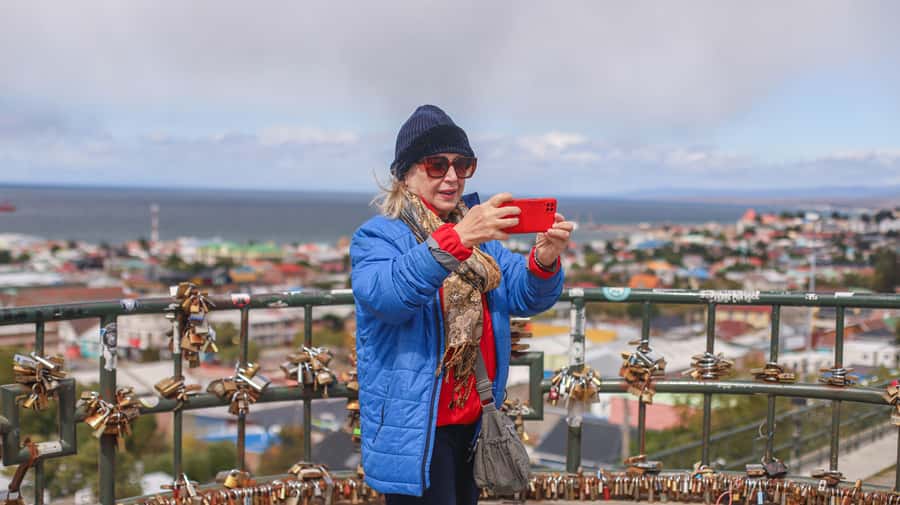
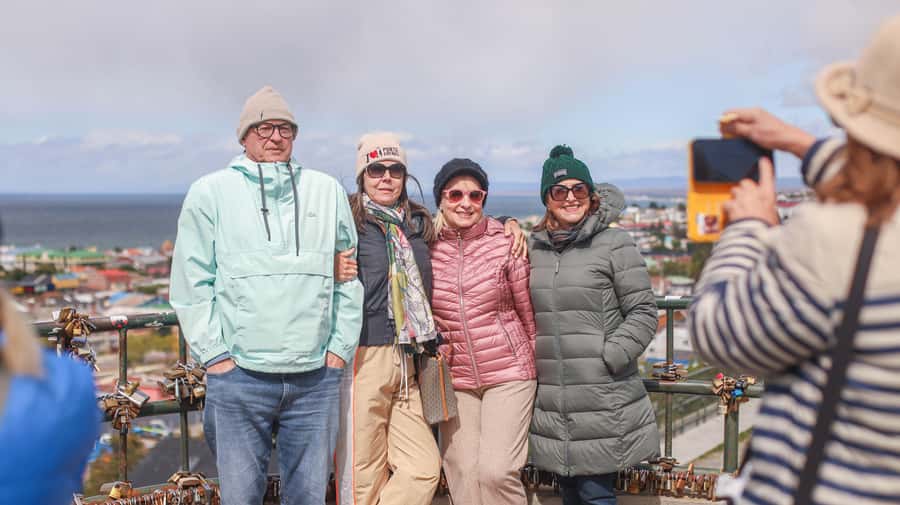
Next, the route climbs to Cerro de la Cruz. This viewpoint is one of the tour’s strongest photo stops, offering broad views across Punta Arenas and the Strait of Magellan.
The hill helps you understand the city’s setting. From above, the relationship between the built-up center, the shoreline, and the water becomes much easier to see. The Strait is not just a scenic backdrop here. It is the reason Punta Arenas developed as a strategic stop on one of the world’s most important sea routes before the Panama Canal changed global shipping patterns.
Bring your windbreaker for this stop. Punta Arenas is exposed, and a viewpoint with open views can feel colder than a sheltered street. Sunscreen also belongs in your day bag, even when the air is cool. Southern light and wind can fool you into thinking you are not getting much sun.
Cerro de la Cruz is also a good place to listen for the guide’s regional context. The tour is not only about naming buildings. It shows you how the city fits into the southern tip of South America and why the Strait has shaped local identity.
Other southern Patagonia days:
- Punta Arenas: Walk with Penguins on Magdalena & Marta Island
★ 4.6 · 611 reviews - Punta Arenas: Full-Day Whales, Penguins, and Glaciers Tour
★ 4.9 · 325 reviews - Whale and Glacier Watching from Punta Arenas Francisco Coloane Park
★ 5.0 · 254 reviews - Punta Arenas: Full Day Tierra del Fuego & King Penguins
★ 4.3 · 179 reviews
The Strait of Magellan and the waterfront
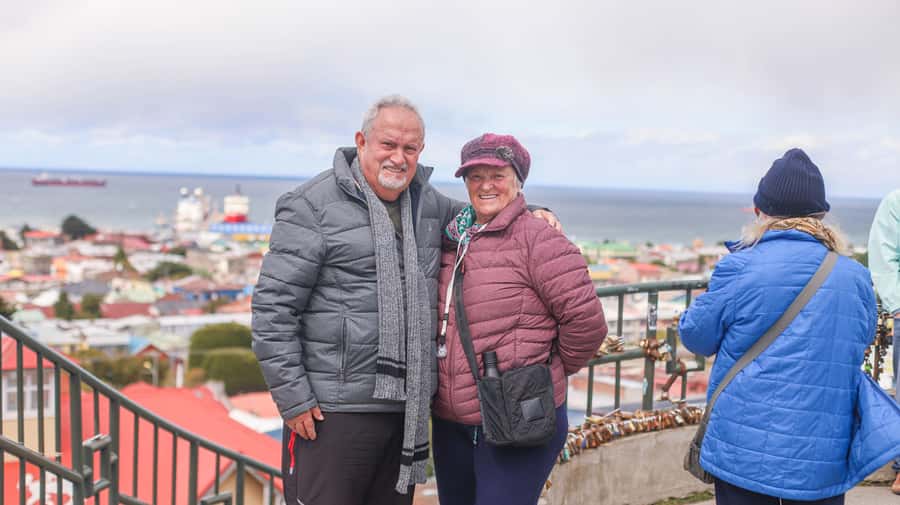
The route continues to the waterfront for a closer look at the Strait of Magellan. This is planned as a photo stop, so you should expect time to enjoy the view rather than an extended shore walk.
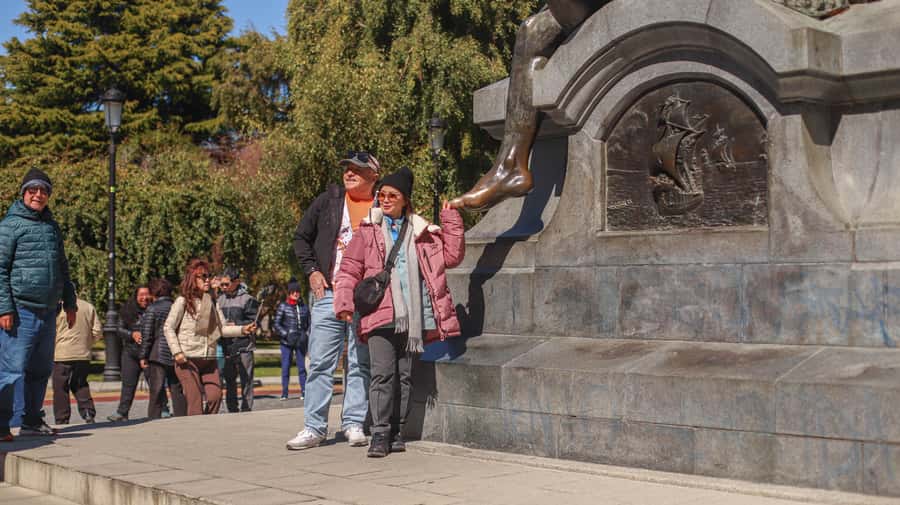
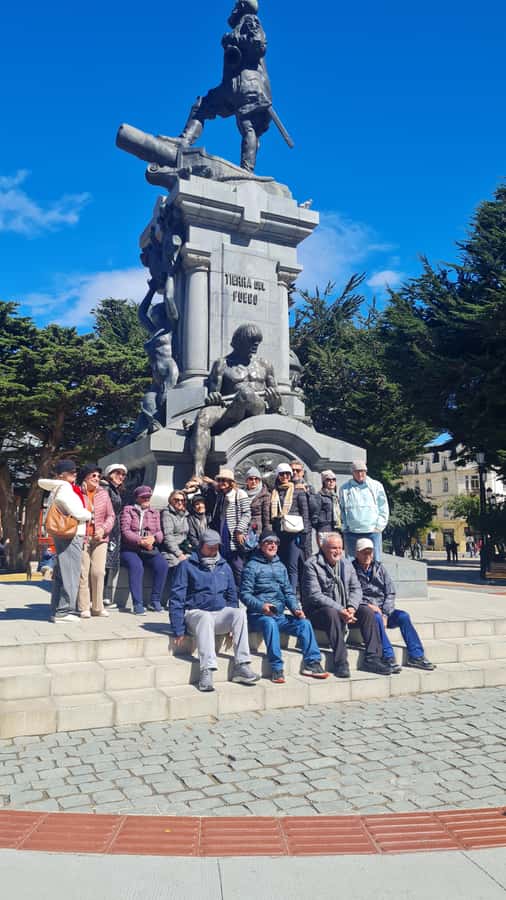
The waterfront monuments add layers to the scene. The route includes memorials connected with the 500th anniversary of Magellan’s discovery, the Ancud Schooner, and pilot Pardo. Each points to a different part of the region’s maritime story.
These monuments are worth more than a quick photograph if your guide explains them well. The Ancud Schooner, for example, is tied to Chile’s early efforts to establish a presence in the southern channels. Pilot Pardo recalls the practical skill needed to navigate difficult waters far from the main centers of power.
The waterfront can be breezy, and conditions may affect how long you stay. The operator notes that the itinerary can change because of weather, timing, or the day of the tour. That is not a flaw unique to this excursion. It is simply part of visiting a city beside the Strait in Patagonia.
The Sara Braun Cemetery
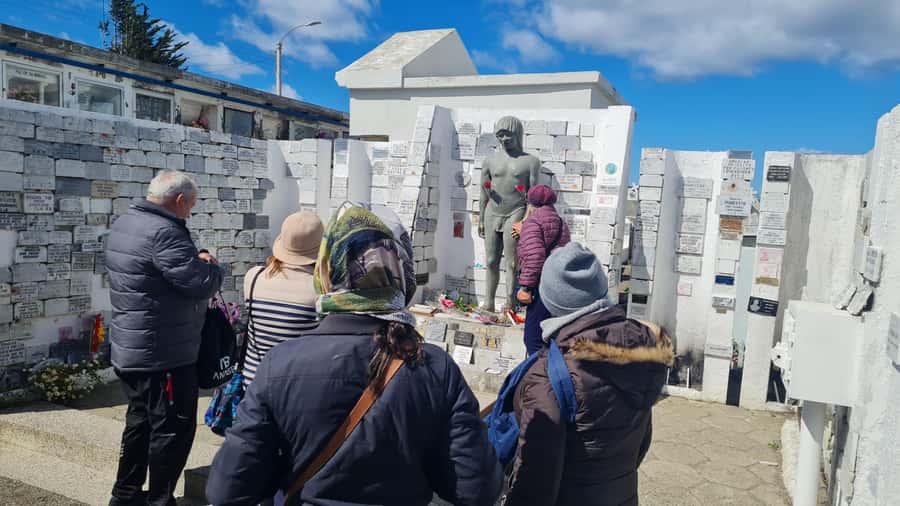
The Cemetery of Punta Arenas, commonly known as the Sara Braun Cemetery, is another memorable stop. It is often described as one of the world’s most beautiful cemeteries, and the appeal comes from its ordered paths, carefully maintained appearance, and elaborate memorial tradition.
A cemetery may sound like an unusual sightseeing choice, but this one helps you read the city’s past through family names and monuments. The site reflects the wealth and social divisions of the old commercial era. It also shows how immigrant families and local elites marked their place in a remote city.
The cemetery rewards a slower eye. Look at the arrangement of the paths, the mausoleums, and the mixture of personal and public memory. You do not need a long visit to appreciate it, but this is a stop where a few well-chosen explanations can make the difference between a quick walk and a meaningful one.
The route may not give you unlimited time here, since the entire city tour lasts three hours. If cemeteries are a special interest, you may want to return on your own later. For a first visit, though, this is a valuable introduction.
Meeting the Shepherd Monument
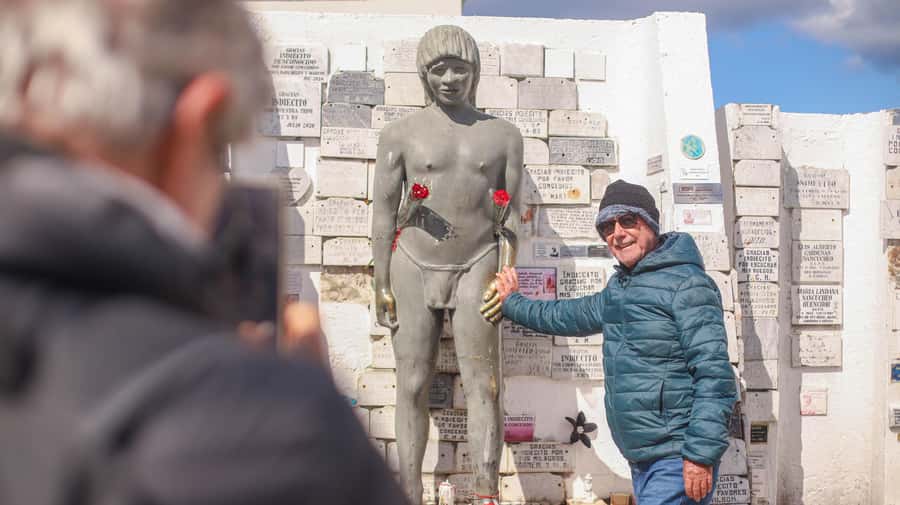
The Monumento al Ovejero, or Shepherd Monument, honors the sheep-farming culture that shaped Magallanes. Sheep ranching brought money, workers, trade, and a particular social order to the region. The monument gives that story a human face.
This stop helps balance the maritime focus of the waterfront. Punta Arenas was not only a port for ships passing through the Strait. It was also a service center for the large ranches of southern Chile and Argentina.
The monument is a useful reminder that regional history is often built from ordinary work. Ships and explorers make dramatic headlines, but shepherds, ranch hands, merchants, and transport workers made daily life possible. A guide who explains that connection adds real value to the stop.
The Maggiorino Borgatello Salesian Museum
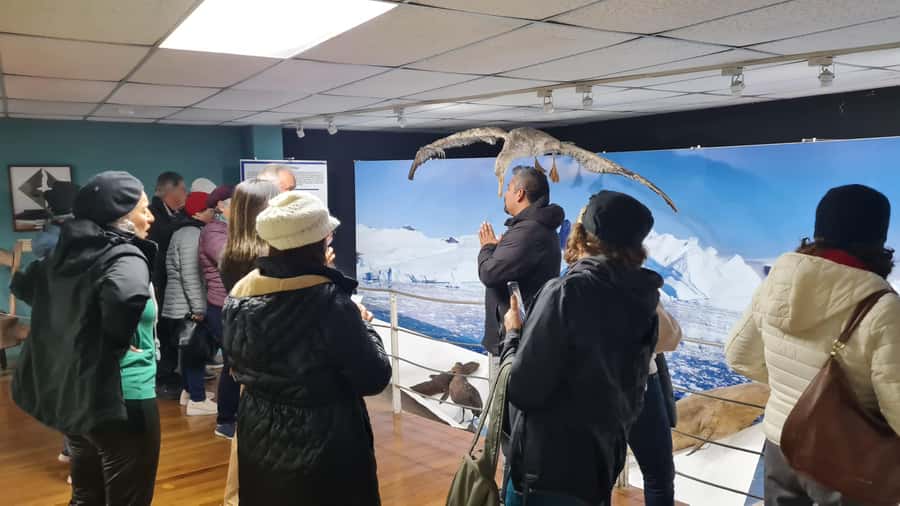
The tour also visits the Maggiorino Borgatello Salesian Museum. This museum is associated with the Salesian presence in the region and includes material connected with local cultural and natural history.
Because museum admission is not included, check how the fee is handled and whether you need cash or another payment method before the tour begins. The supplied details confirm that entrance fees are separate, but they do not give a current price.
This visit may be especially important to you if you want more than architecture and viewpoints. The museum adds another layer to Punta Arenas by showing how religious missions, education, and regional documentation influenced the way southern Chile was recorded and presented.
At the same time, museum time can be affected by opening hours and the day of the tour. The operator clearly allows for itinerary changes, so do not book this excursion expecting every stop to follow a rigid minute-by-minute plan.
What your $60 includes
The price is $60 per person. That is a fair-to-good value if you want a guided overview with transport between spread-out sights. You are paying for hotel pickup and return in the urban area, a bilingual English or Spanish guide, the vehicle, and a route that covers several major parts of Punta Arenas.
You also receive a small refreshment pack:
- 200 milliliters of juice or 500 milliliters of water
- One piece of fruit, such as an apple, banana, pear, or grapes
- A protein bar
- Dried fruit
The snacks are simple, but they are useful during a compact morning of sightseeing. They also mean you do not need to organize a separate drink and quick bite before heading out.
The price is less attractive if you plan to visit only the main square and waterfront on your own. Punta Arenas’ center can be explored independently, and museum fees still come out of your pocket. I would choose this tour for the explanations, vehicle, hilltop view, cemetery, and efficient route, not simply as a taxi service.
The guide can shape the whole morning
The strongest feedback centers on the guiding. Jose Jara is singled out for making Punta Arenas’ history clear and interesting, with useful details about the city, the region, and Chile. That is exactly what this tour needs, since many of the stops gain meaning through context rather than visual drama alone.
One account also praised the guide for paying attention to practical needs such as coffee and bathrooms. That may sound minor, but it matters on a short organized outing. A guide who notices these details helps the morning feel relaxed instead of hurried.
The vehicle and driver also received positive comments, and one delayed tenderboat group was accommodated. If you are arriving from a cruise ship, contact the operator promptly if a tender delay affects your pickup. Do not assume every timing issue will be solved automatically, but this experience suggests some flexibility is possible.
No group size is provided, so you should not book expecting a private tour. The live guide works in English and Spanish, and the tour is operated by Caminos Tours LTDA.
Who should book this city tour?
I would recommend it most strongly to you if:
- You have only a few hours in Punta Arenas.
- You want historical explanation rather than a self-guided walk.
- You are staying in the urban area and value hotel pickup.
- You want to combine museums, viewpoints, monuments, and the waterfront.
- You are visiting before a longer Patagonia or Antarctic trip and want local context.
- You prefer a planned route in changeable southern weather.
It is less suitable if you want a slow museum day, a long waterfront walk, or a completely fixed schedule. The tour covers a lot in three hours, so some stops will be introductions rather than thorough visits.
Wear warm clothing and a windbreaker. Bring sunscreen, even in cool weather. Alcohol, drugs, and littering are not allowed, which is standard but worth knowing before you set out.
Free cancellation is available up to 24 hours before the tour for a full refund, and you can reserve now and pay later. Those terms are useful when weather and port schedules may shift, but check the exact conditions at booking.
Should you book it?
Book this tour if you want a compact, well-rounded introduction to Punta Arenas with a guide who can turn buildings and monuments into a coherent story. The combination of Cerro de la Cruz, the Sara Braun Cemetery, the waterfront, and both museums gives you more range than a basic drive through town.
At $60, the value depends on your interest in explanation and convenience. If you are content to stroll the center alone, you can save money. If you want the city’s maritime, ranching, architectural, and cultural threads tied together in one morning, this is a sensible choice.
The best fit is a first-time visitor with limited time, especially one staying in the urban area or working around a cruise schedule. Just allow for weather-related changes and keep a little extra money available for museum admission.
FAQ
How long does the Punta Arenas city tour last?
The tour lasts three hours. Starting times depend on availability.
Where does pickup take place?
Pickup and return are provided from your lodging in the urban area of Punta Arenas.
Which languages are available?
The live tour guide operates in English and Spanish.
Are museum entrance fees included?
No. Entrance fees to the museums are not included in the tour price.
Which museums does the tour visit?
The route includes the Regional Museum of Magallanes, also known as the Regional Museum Palacio Braun Menéndez, and the Maggiorino Borgatello Salesian Museum.
What food and drinks are included?
You receive either 200 milliliters of juice or 500 milliliters of water, plus fruit, a protein bar, and dried fruit.
What should I bring?
Bring warm clothing, a windbreaker, and sunscreen.
Can I cancel the tour for a refund?
You can cancel up to 24 hours in advance for a full refund. Reserve now and pay later is also available.
Just added around Punta Arenas
- Punta Arenas : Typical Chilean Cooking Class + Chilean Wine★ 5.0 · 16 reviews
- Whales, Penguins & Glaciers Navigation From Punta Arenas★ 4.5 · 12 reviews
- Torres del Paine & Tierra del Fuego ( king penguis)★ 4.0 · 4 reviews
- Torres del Paine & Glacier Grey Navigation Private Tour★ 5.0 · 6 reviews
- Punta Arenas to Punta Arenas Airport (PUQ) – Departure Transfer★ 5.0 · 2 reviews
- Private Patagonian Forest Hike in Punta Arenas: 8 Hour★ 5.0 · 5 reviews
- Private Punta Arenas Pioneers and Palacios City Tour★ 5.0 · 3 reviews
- Premium Electric Segway Rentals in Punta Arenas★ 5.0 · 5 reviews
City Tours, compared.

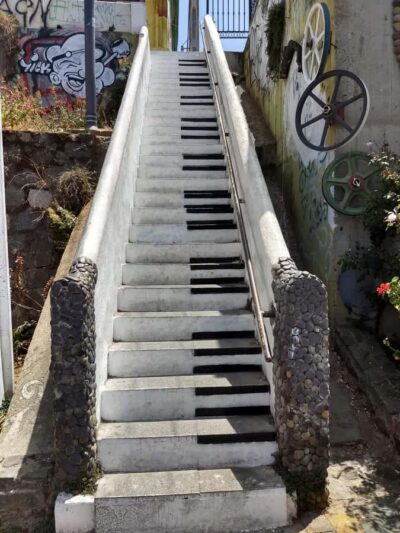
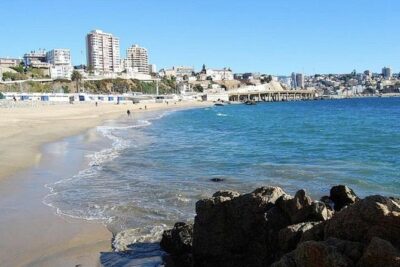
Full day tour to Valparaiso and Viña del Mar city
Read our review →
City tour by Santiago of Chile -A beautiful experience – Half day
Read our review →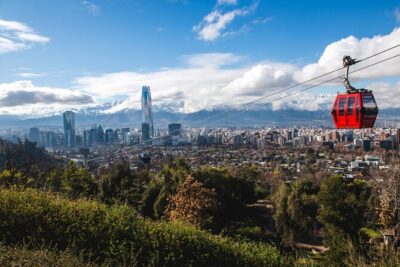
Half-Day Sightseeing City Tour with Chauffeur and Guide
Read our review →

Valparaiso 4-Hour City Tour by Van and Funicular
Read our review →Browse the lists this tour appears in