
Reviewed · WINE TOURS
Punta Arenas : Typical Chilean Cooking Class + Chilean Wine
Good food tells a bigger story. This small-group class brings Chilean home cooking to life through pino empanadas, pastel de choclo, and mote con huesillo, with chef Felipe guiding you through each dish. I especially like the hands-on format and the chance to learn in a family kitchen rather than simply watch a demonstration.
I also like the cultural context built into the meal. Felipe explains when Chileans eat these foods, how family traditions shape them, and which wine works best with the menu. The main consideration is price: at $120 per person, this is not a cheap meal, though the intimate setting, instruction, wine, and full meal make it more than a standard restaurant visit.
In This Review
- Key points
- Why This Punta Arenas Cooking Class Feels Personal
- Meeting at Plaza de Armas in Punta Arenas
- Making Pino Empanadas From the Dough Up
- Preparing Pastel de Choclo, Chilean Corn Pie
- Finishing With Mote con Huesillo
- Chilean Wine With the Meal
- A Small Group Makes the Difference
- Is $120 a Fair Price?
- Who Will Enjoy This Class Most?
- Practical Details Before You Book
- Should You Book the Punta Arenas Cooking Class?
- FAQ
- Where does the cooking class begin?
- Where does the activity finish?
- How long does the cooking class last?
- What dishes will I prepare?
- Is wine included?
- How many people can join the class?
- Is the class near public transportation?
- Can I cancel for a full refund?
Key points
- Three classic Chilean dishes: Prepare pino empanadas, pastel de choclo, and mote con huesillo.
- A genuinely hands-on class: You help make the food instead of sitting back for a cooking demonstration.
- Personal instruction from Felipe: His background as a professional chef adds practical technique and clear explanations.
- Small group size: The class accepts no more than 12 people, and some sessions may feel as intimate as cooking with friends.
- Chilean wine pairing: The wine is selected to suit the dishes, turning the class into a complete meal.
- Central meeting point: The experience starts and finishes at Plaza de Armas in Punta Arenas.
Why This Punta Arenas Cooking Class Feels Personal
Punta Arenas is often used as a base for Patagonia, so many visitors spend their days thinking about ships, penguins, wind, and wide-open southern scenery. This class gives you a different way into the region. You sit down with food that Chileans actually associate with home, holidays, summer, and family meals.
That matters because the menu is not built around fancy restaurant tricks. It focuses on familiar dishes with strong cultural roots. You learn how a filled empanada should be shaped, how corn becomes a savory pie, and how a traditional sweet drink finishes the meal.
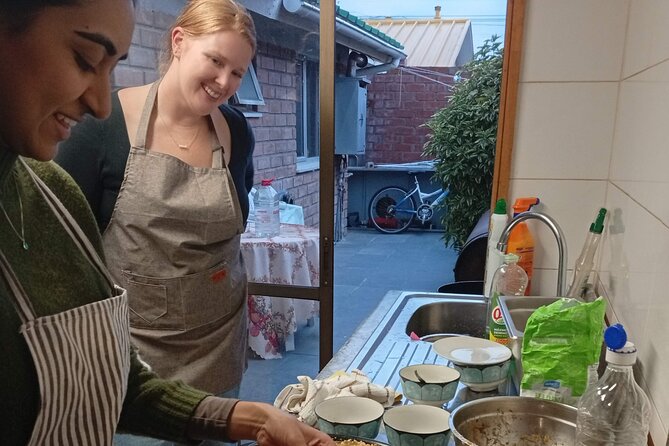
The class is led by Felipe, who worked as a chef for years before turning to teaching. He wanted a calmer way to keep cooking while sharing Chilean food with people from abroad. His mother allows the class to use her kitchen, giving the setting a lived-in feel that polished culinary studios often lack.
I see that as one of the best reasons to book. You are not only following recipes. You are cooking in a real family space, using well-used pots and pans, and hearing how dishes fit into everyday Chilean life.
Other southern Patagonia days:
- Punta Arenas: Walk with Penguins on Magdalena & Marta Island
★ 4.6 · 611 reviews - Punta Arenas: Full-Day Whales, Penguins, and Glaciers Tour
★ 4.9 · 325 reviews - Whale and Glacier Watching from Punta Arenas Francisco Coloane Park
★ 5.0 · 254 reviews
Meeting at Plaza de Armas in Punta Arenas
The class begins at Plaza de Armas, officially Plaza Benjamín Muñoz Gamero, in central Punta Arenas. This is a useful starting point because it is easy to identify and near public transportation.
The activity ends back at the same meeting point. That makes the class fairly simple to fit around other sightseeing, although you should allow enough time for the full session. The advertised duration is about two and a half hours, while the description presents it as a three-hour culinary experience. I would plan for roughly three hours rather than schedule another activity immediately afterward.
If you are arriving from a cruise port, confirm the meeting details before setting out. One session included an Uber ride arranged from the port to the cooking location, but pickup arrangements should not be assumed as part of every booking. The safest approach is to verify exactly where you will meet and how you will reach the kitchen.
A mix-up at the meeting point was resolved with quick help from Felipe, which suggests that clear communication matters here. Still, Punta Arenas can be windy, cold, and unfamiliar if you have just arrived, so keep the meeting instructions handy.
Making Pino Empanadas From the Dough Up
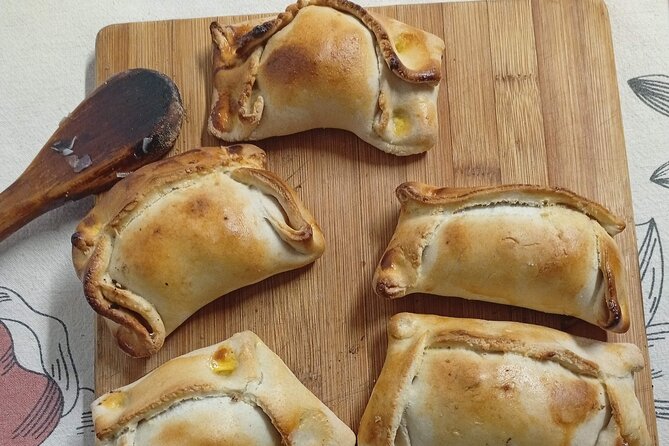
The first major dish is the Chilean empanada de pino. Pino is the savory filling, usually built around seasoned meat and onion, while the pastry provides the crisp, golden shell.
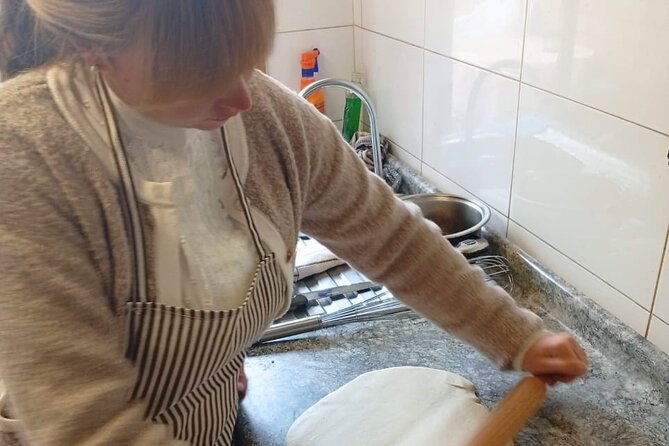
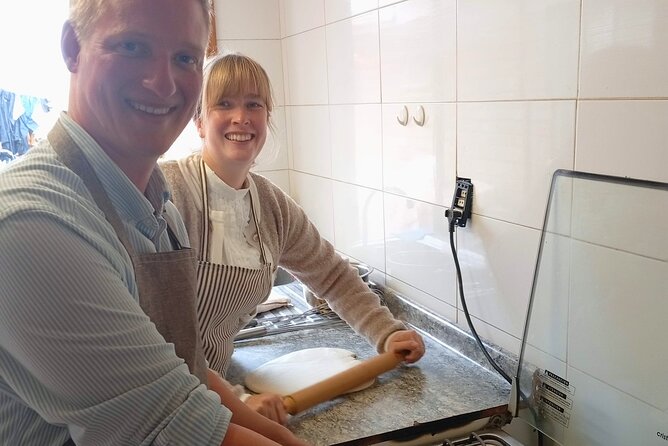
The appeal of making these yourself is that you see how the parts work together. Felipe demonstrates the filling and dough, then helps you shape the empanadas correctly. The small details matter: getting the filling balance right, sealing the edges, and producing dough that browns without becoming heavy.
This is a useful dish to learn because it is both traditional and practical. Empanadas can be served as a snack, a meal, or part of a gathering. You are not learning a recipe that will sit in a notebook untouched. You leave with a dish you can reasonably try again at home.
The class is also a good setting for questions. Felipe has professional kitchen experience, but the mood is not described as formal or rushed. He explains each stage and demonstrates when needed, allowing you to work rather than simply copy a finished example.
One possible drawback is that a family kitchen may not offer the polished layout or high-end equipment of a dedicated cooking school. If you want a technical pastry workshop with precise stations for every person, this may feel informal. If you prefer a relaxed home-style lesson, that is exactly the point.
Preparing Pastel de Choclo, Chilean Corn Pie
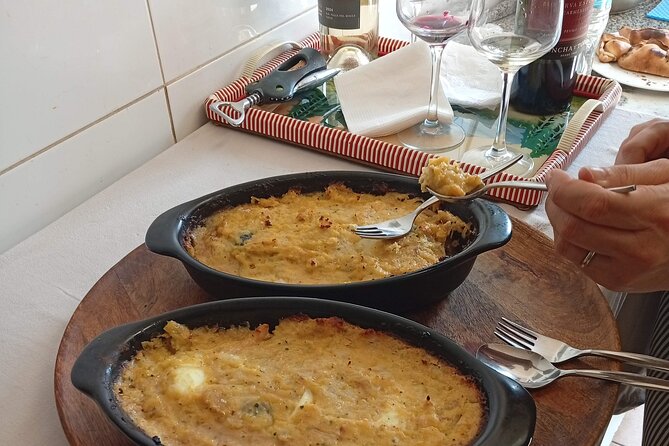
Pastel de choclo is the heartier dish on the menu. It combines a savory base with a corn topping, creating the comforting style of food often linked to Chilean home cooking.
The class places this dish in its cultural setting, not just on a plate. Felipe explains when Chileans might eat it and why it is associated with home and family. That background helps you understand why the dish matters. It is not simply a corn casserole translated into a tourist menu.
You get to help prepare the components and see how the layers come together. The result is filling, warm, and well suited to a cool evening in Punta Arenas. After a day outdoors, this is the kind of food that feels sensible rather than showy.
I also like the contrast between the empanada and pastel de choclo. The empanada teaches shaping and pastry work. The corn pie focuses more on assembly, balance, and the relationship between the savory filling and sweet corn topping. Together, they give you a better sense of Chilean cooking than a single signature dish would.
The menu may be more substantial than some people expect from a cooking class. If you have already eaten a large meal, pace yourself. This is designed as a meal as well as a lesson.
Other Chilean wine days near Punta Arenas:
- Valparaiso Port and Viña del Mar with Casablanca Wine Tasting
★ 5.0 · 6,110 reviews - Tour to Valparaíso, Viña del Mar, Pablo Neruda Museum and Vineyard
★ 5.0 · 2,273 reviews - Maipo Valley Wine Tour with 4 vineyards from Santiago.
★ 5.0 · 1,983 reviews - Inca Lagoon in Andes Mountain Range – Visit Local Vineyard with Tasting included
★ 5.0 · 1,897 reviews
Finishing With Mote con Huesillo
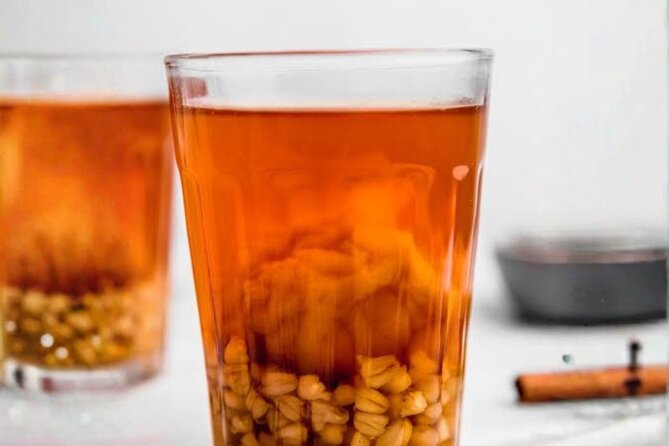
The final preparation is mote con huesillo, a sweet, refreshing Chilean drink made with cooked wheat and dried peaches. It is especially associated with summer, making it a pleasant counterpoint to the savory dishes.
This is a good example of why the class works beyond basic cooking instruction. You learn that Chilean food is not only about empanadas and meat. Mote con huesillo has its own place in the country’s food culture and gives the meal a lighter finish.
The drink is simple in concept but memorable in texture and flavor. The wheat makes it more substantial than a regular fruit drink, while the peaches add sweetness. You may find the combination unusual if you have never encountered it before, but that is part of the fun of choosing a class built around local food rather than familiar international dishes.
Felipe also explains when people enjoy each preparation. That timing and occasion-based context helps you remember the dishes long after the class ends.
Chilean Wine With the Meal
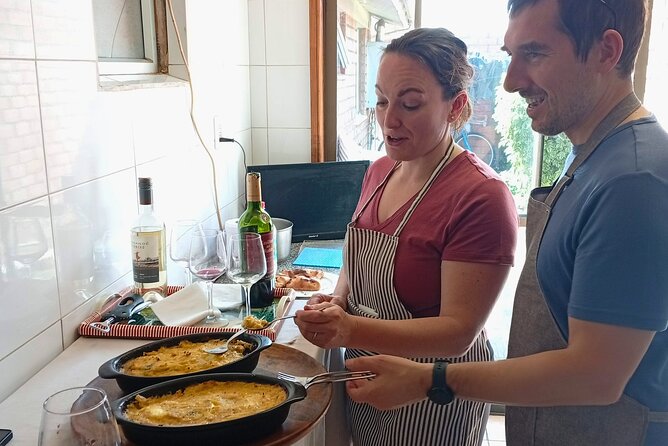
Wine is served during the cooking experience, with a selection chosen to pair with the food. The exact labels and varieties can change, so you should not book this expecting a fixed winery tasting.
The pairing is valuable because it gives the meal a sense of order. You are not simply handed a glass while chopping vegetables. The wine is part of the meal and is matched to the dishes you prepare.
This also gives Felipe another way to explain Chilean food culture. The class connects cooking, drinking, and conversation rather than treating each as a separate activity. You can raise a glass while the aromas fill the kitchen, then sit down to enjoy what you made.
I would not choose this class if your main goal is a serious wine education session. The focus is Chilean cooking, with wine as an important companion. For a relaxed meal with local flavor, the balance sounds right.
A Small Group Makes the Difference
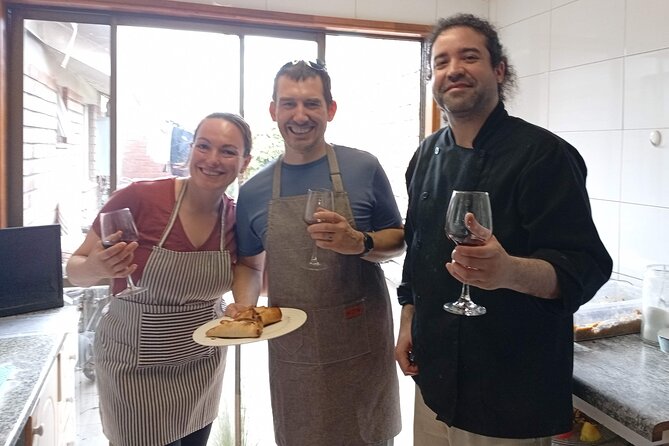
The maximum group size is 12 people. That is small enough to keep the class personal, though the actual number may vary by date.
A smaller group matters in a cooking lesson. You have more room to ask questions, more chances to handle the ingredients, and less risk of becoming an observer at the back of the room. One session had only five people, creating the feel of making dinner with a small group of friends.
The social side is part of the appeal. Conversation and laughter are built into the experience, especially once everyone is working with the same dough, filling, and corn mixture. This will suit you if you enjoy meeting people through food rather than moving quickly from one organized activity to another.
The intimate setting may not suit everyone. If you prefer privacy, a quiet meal, or a polished restaurant atmosphere, the family kitchen style could feel too casual. The class is strongest when you appreciate interaction.
Is $120 a Fair Price?
At $120 per person, this class costs more than ordering Chilean food at a local restaurant. You are paying for several things at once: instruction, ingredients, a full meal, Chilean wine, cultural explanation, and a small-group setting.
The value depends on what you want from the evening. If you only want to eat empanadas and pastel de choclo, the price will feel high. If you want to learn how to make them, understand when Chileans serve them, and enjoy a personal evening with a chef and host, the price becomes easier to justify.
I consider the strongest value to be the combination of food and access. Felipe is not just demonstrating restaurant dishes from a distance. He has worked as a chef, teaches the techniques clearly, and shares family traditions connected to the recipes. The use of his mother’s kitchen adds a sense of place that a standard restaurant meal cannot provide.
The advance booking pattern also deserves attention. This class is booked an average of 38 days ahead, so last-minute availability may be limited. If it fits your Punta Arenas plans, reserve early, especially if you are visiting during a busy cruise or Patagonia season.
Who Will Enjoy This Class Most?
I would recommend this experience to several types of visitor:
- Food-focused visitors who want to understand Chile through everyday dishes.
- Couples and friends looking for a relaxed evening activity.
- Families with older children who enjoy practical, hands-on work.
- Cruise visitors who can organize the timing carefully around port schedules.
- Cooks at home who want recipes they can try after returning home.
- People seeking local contact rather than another standard sightseeing stop.
It is less suitable if you need a highly formal cooking school, a fixed wine tasting with detailed vineyard information, or a quick activity under two hours. The schedule is long enough to feel like an evening meal, and the social setting is central to the experience.
You should also be comfortable with a menu that includes meat, pastry, corn, wheat, and sweet fruit. The supplied information does not specify dietary alternatives, so ask before booking if you have allergies or food restrictions.
Practical Details Before You Book
Confirmation is provided when you book. The activity is near public transportation, and the starting and ending point is Plaza de Armas in Punta Arenas.
The maximum group size is 12. The experience requires a minimum number of participants, so it can be canceled if that number is not reached. If that happens, you are offered another date or experience, or a full refund.
Free cancellation is available if you cancel at least 24 hours before the start time. Cancellations or changes made inside that 24-hour window are not accepted for a refund. The cut-off follows local time in Punta Arenas.
Because the meeting point is central but the cooking takes place elsewhere, confirm the final directions. This is especially important if you are coming from the port or coordinating the class with another reservation.
Should You Book the Punta Arenas Cooking Class?
I would book this class if you want an evening built around participation, conversation, and home-style Chilean food. Felipe’s professional cooking background, family kitchen setting, cultural explanations, and well-matched wine give the experience a personal feel that a restaurant meal cannot easily copy.
The $120 price is the main question. It is fair for a small-group cooking lesson and meal, but it is not the right choice for a budget dinner or a quick taste of local food. Book it if you want to return home with recipes, stories, and a better understanding of why these dishes matter.
FAQ
Where does the cooking class begin?
The experience begins at Plaza de Armas Punta Arenas, also called Plaza Benjamín Muñoz Gamero.
Where does the activity finish?
The activity ends back at the meeting point in Plaza de Armas Punta Arenas.
How long does the cooking class last?
The stated duration is approximately two hours and 30 minutes. The experience description presents it as a three-hour culinary activity, so allow about three hours.
What dishes will I prepare?
You will prepare Chilean pino empanadas, pastel de choclo, and mote con huesillo.
Is wine included?
Yes. Chilean wine is served during the class and selected to pair with the food.
How many people can join the class?
The activity accepts a maximum of 12 participants.
Is the class near public transportation?
Yes. The activity is near public transportation, and the meeting point is in central Punta Arenas.
Can I cancel for a full refund?
Yes. You can cancel at least 24 hours before the local start time for a full refund. Cancellations or changes made less than 24 hours before the start time are not refunded or accepted.
More Workshops in Punta Arenas
- Ski Experience in Valle Nevado, Lessons, Transportation, and More
★ 5.0 · 361 reviews - New Concha y Toro Tour Marques with class, extra tasting y food
★ 4.0 · 329 reviews - Casablanca world class wines, 4 vineyards & Tanino lunch stop
★ 5.0 · 109 reviews - Santiago: World-class Wines, Visit to 4 Vineyards and Tanino
★ 5.0 · 91 reviews
More Cooking Classes in Punta Arenas
- 4h Cooking Class in Santiago with 8 Recipes & Bottomless Drinks
★ 5.0 · 32 reviews - Traditional Chilean Cooking Class with a Local in Her Santiago Countryside Home
★ 5.0 · 18 reviews - Santiago Chilean and Peruvian Cooking Class with a Local Carol
★ 5.0 · 12 reviews - Cooking Class in Santiago de Chile
★ 5.0 · 9 reviews
Just added around Punta Arenas
- Whales, Penguins & Glaciers Navigation From Punta Arenas★ 4.5 · 12 reviews
- Torres del Paine & Tierra del Fuego ( king penguis)★ 4.0 · 4 reviews
- Punta Arenas to Punta Arenas Airport (PUQ) – Departure Transfer★ 5.0 · 2 reviews
- Torres del Paine & Glacier Grey Navigation Private Tour★ 5.0 · 6 reviews
- Private Patagonian Forest Hike in Punta Arenas: 8 Hour★ 5.0 · 5 reviews
- Private Punta Arenas Pioneers and Palacios City Tour★ 5.0 · 3 reviews
- Premium Electric Segway Rentals in Punta Arenas★ 5.0 · 5 reviews
- Pali Aike Full-Day Adventure from Punta Arenas★ 5.0 · 7 reviews
Wine Tours, compared.
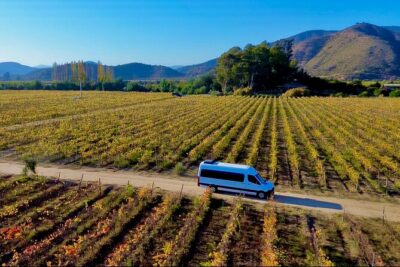
Valparaiso Port and Viña del Mar with Casablanca Wine Tasting
Read our review →
Tour to Valparaíso, Viña del Mar, Pablo Neruda Museum and Vineyard
Read our review →
Maipo Valley Wine Tour with 4 vineyards from Santiago.
Read our review →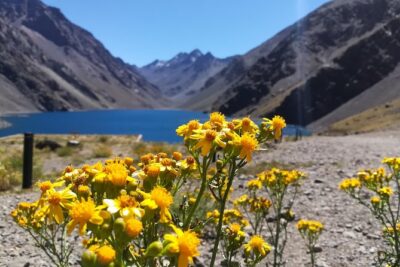
Inca Lagoon in Andes Mountain Range – Visit Local Vineyard with Tasting included
Read our review →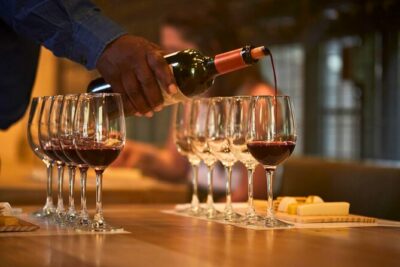
Marquis de Casa Concha: Wine tasting in Concha y Toro
Read our review →
Andes Range Tour at Inca Lagoon & InSitu Winery Snack Included
Read our review →
Cajon Del Maipo Including Wine with Picnic and Empanada
Read our review →Browse the lists this tour appears in