
Reviewed · CITY TOURS
Valparaiso: Street Art, Funiculars and Port City Tour
Valparaiso rewards curious walkers. I like the mix of old port history and living street art, plus the easy help of a local guide who knows which alleys, galleries, and viewpoints are worth your time. The included alfajor is a small but welcome taste of Chilean life, and guides such as Alex, Grex, Benjamin, Maria, and Cristóbal have been praised for their warmth and strong local connections. The main drawback is the pace: two hours covers a lot, so you will walk on hills, stairs, and uneven streets, with little time to linger at every stop.
I also like the funicular rides. They turn a steep climb into part of the sightseeing, with views across colorful hills and the bay. You should still consider the mobility limits carefully, since the activity is not suitable for people with mobility impairments, pregnant women, or altitude sickness.
In This Review
- Key points at a glance
- Starting at Muelle Prat, where Valparaiso faces the sea
- El Peral and the first climb into Cerro Alegre
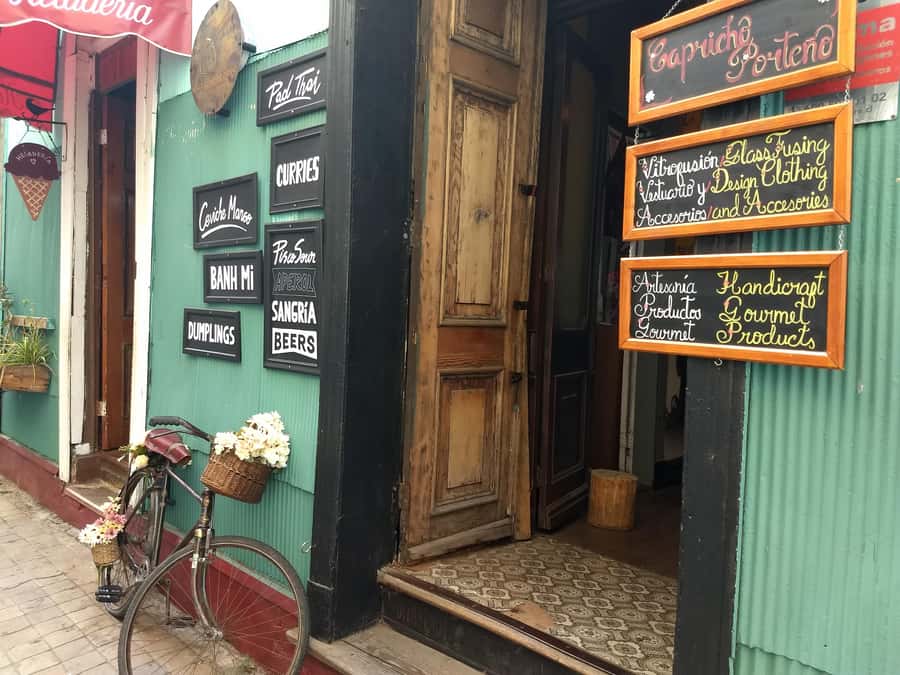
- Alfajores, shops, and the colorful lanes
- Pasaje Gálvez, where the murals take center stage
- Gervasoni, Concepción, and Atkinson viewpoints
- The Piano Staircase and two historic churches
- Paseo Dimalow and the final mural
- What the two-hour format really means
- Is this tour physically demanding?
- Best for art lovers, first-time visitors, and curious eaters
- Should you book the Valparaiso street art tour?
- FAQ
- Where does the tour begin?
- Where does the tour finish?
- How long does the tour last?
- Are funicular tickets included?
- Is an alfajor included?
- Are meals and drinks included?
- What languages are available?
- Can I book a private or small-group tour?
Key points at a glance
- Old photographs make Valparaiso’s past easier to see: Your guide uses historic images to compare the city as it looked generations ago with the streets in front of you.
- Two funicular areas shape the route: El Peral carries you toward Cerro Alegre, while the Concepción area adds another look at Valparaiso’s famous hillside transport.
- Street art comes with context: At Pasaje Gálvez and nearby lanes, you learn about artists, public art, and the social ideas behind the murals.
- The tour connects several hillside promenades: Paseo Yugoslavo, Paseo Gervasoni, Paseo Atkinson, and Paseo Dimalow each offer a different view and mood.
- A local alfajor is included: This sweet Chilean cookie supports a local maker and gives the walk a pleasant food stop.
- The small-group feel can be personal: Guides have adjusted the pace, introduced participants to local artists and shopkeepers, and offered restaurant suggestions at the end.
Starting at Muelle Prat, where Valparaiso faces the sea

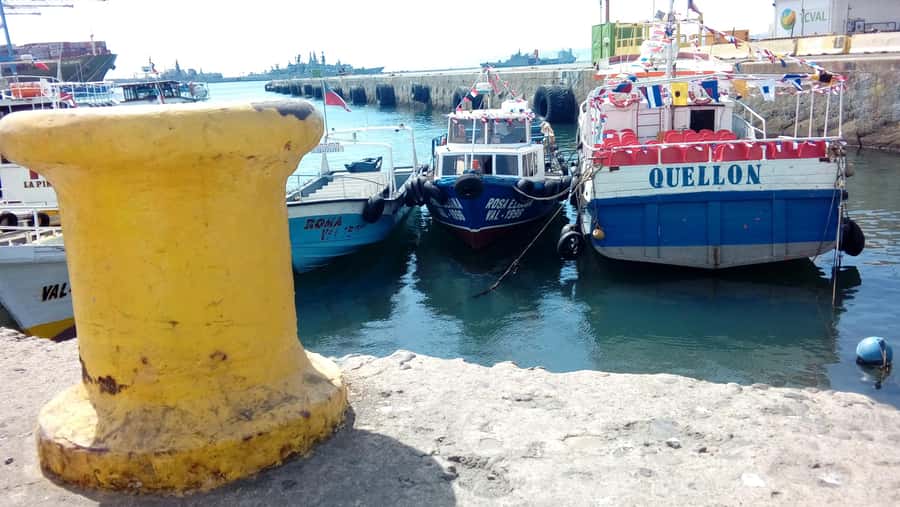
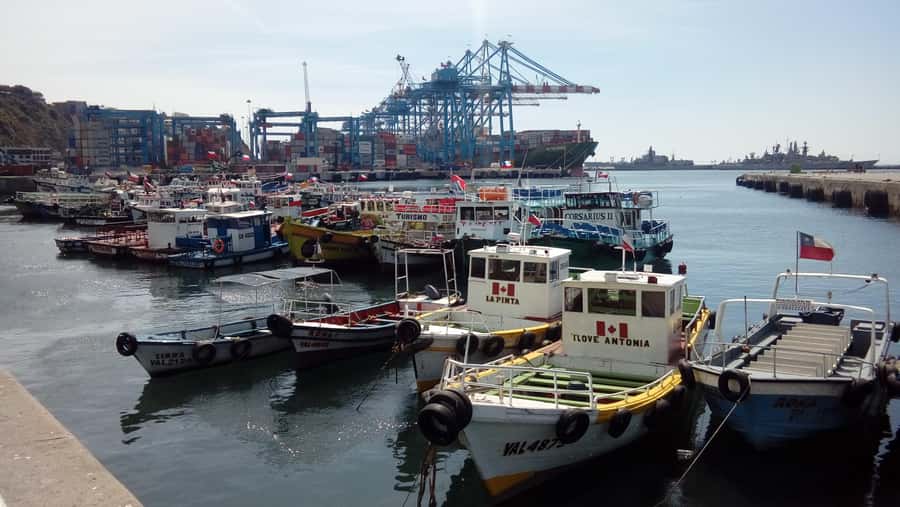
The meeting point is easy to identify: Muelle Prat, near the two cannons and the Tourist Information Office. You begin beside the port, where Valparaiso’s working waterfront sets the scene for a city shaped by ships, trade, immigration, and steep hills.
The first stop is the Port of Valparaiso, followed by Plaza Sotomayor. This broad square gives you an early look at the city’s public face. Your guide explains the monument and points out the fire department building and Chilean Navy Headquarters, two buildings that help connect Valparaiso’s civic life with its maritime role.
The short stop at the fire department is useful because Valparaiso’s old buildings and narrow streets make local emergency services part of the city’s story. You then pass along part of the financial district before turning toward the hills.
This opening section is not just filler before the art begins. It gives you a way to understand why the hills, port, and public squares belong together. You see Valparaiso as a port city first, not simply as a colorful backdrop for photographs.
More City Tours in Valparaiso & Vina del Mar
- Valparaiso 4-Hour City Tour by Van and Funicular
★ 4.9 · 45 reviews - Private City Tour of Valparaiso and Vina del Mar
★ 5.0 · 25 reviews - Pre or Post Valparaiso Cruise with Santiago City Tour and optional Vineyard
★ 3.5 · 12 reviews
El Peral and the first climb into Cerro Alegre
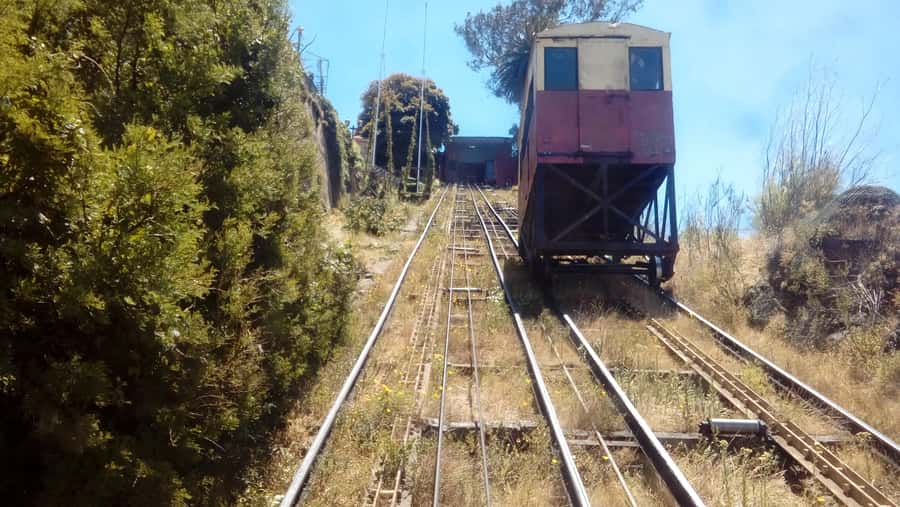
The El Peral funicular is one of the tour’s best features. Built in the early twentieth century, this hillside railway carries you upward toward Paseo Yugoslavo and Cerro Alegre. The ride is short, but it saves your legs and gives you a memorable view of how Valparaiso is built.
The funicular is also a practical lesson in local geography. The city is compressed between sea and hills, and these old lifts have long helped people move between the lower streets and hillside neighborhoods. Entry tickets are included, so you do not need to handle a separate fare during the tour.
At Paseo Yugoslavo, your guide begins explaining Cerro Alegre and Cerro Concepción. These neighborhoods are known for old houses, narrow passages, viewpoints, galleries, restaurants, and painted walls. The appeal is not one grand monument. It is the way ordinary streets, old buildings, and creative public work sit side by side.
You will pass Pasaje Bavestrello, where the tour explains Italian influence and past community life. This is one of the places where a guide adds real value. Without context, a passage can look like a photogenic shortcut. With a good explanation, it becomes evidence of how different immigrant communities shaped the hills.
Alfajores, shops, and the colorful lanes
The included alfajor is a small detail, but it helps the experience feel connected to Valparaiso rather than assembled from viewpoints alone. It is made by local people, and the purchase supports a local business.
You will have opportunities to pass souvenir shops, craft stalls, galleries, and small stores selling magnets, jewelry, art, and other keepsakes. The tour does not include extra food or drinks, so bring money if you want to stop for coffee, seafood, or additional snacks.
One colorful stairway is connected with the song Latinoamérica by Calle 13. It is a quick photo stop, but it also shows how music, public art, and neighborhood identity overlap in Valparaiso. Your guide can help you understand why certain corners have become symbols of the city.
The lanes are narrow, and the route includes stairs. Wear shoes with a secure grip and keep your camera ready, but do not expect to move quickly through every section. Valparaiso is best read at walking speed, with pauses to look up at balconies, painted shutters, and walls that may carry a political or social message.
Pasaje Gálvez, where the murals take center stage
The longest scheduled stop is Pasaje Gálvez, with about 30 minutes devoted to street art. This is the heart of the experience for anyone choosing the tour mainly for murals.
A guide can point out individual artists, explain styles, and describe the ideas behind the work. Several guides, including Alex and Grex, have been praised for knowing local artists personally and for making introductions along the route. That kind of contact can turn the art from a series of colorful walls into something more personal and current.
You may also visit workshops or galleries along the way. This is a useful addition because it gives you a chance to see how Valparaiso’s creative culture operates beyond outdoor walls. The exact artist encounters can vary, but the tour description specifically includes conversations with a few artists and visits connected with local makers.
The street art is not treated only as decoration. Guides explain its cultural and social context, including how Chilean history and public life have influenced the work. If you enjoy learning why a mural exists, not just photographing it, this section is likely to be the strongest part of the tour.
Other days on the Valparaiso coast:
- From Santiago: Valparaiso and Viña del Mar Day Tour
★ 4.3 · 643 reviews - Tour in Valparaiso: Street Art, funiculars and port
★ 5.0 · 111 reviews - 2 Hour Walking Tour in Valparaiso
★ 5.0 · 109 reviews - Valpo in 1 day: Authentic + Famous! Semi-private walking tour & public transport
★ 5.0 · 84 reviews
Gervasoni, Concepción, and Atkinson viewpoints

Paseo Gervasoni offers another brief viewpoint before the route continues through the Concepción area. The schedule also includes the Ascensor Concepción, a second reminder that Valparaiso’s hillside transport is part of the city’s character.
The tour then reaches Paseo Atkinson, one of the most attractive stretches for architecture and views. Here, you see houses, gardens, and the city’s British influence. The route passes the Deutsche Schule of Valparaíso, which represents the important German presence in the city.
These references to British, German, and Italian communities give the walk more substance. Valparaiso’s character comes partly from its position as an international port, and the hills preserve traces of that past in schools, churches, houses, restaurants, and passageways.
Brighton Restaurant is another notable stop. It is associated with a terrace overlooking the city and the sea, and it offers Chilean seafood. The tour does not include a meal, so think of this as a place to remember for later rather than a guaranteed dining stop.
You also pass Pastor Theodor Schmidt passage, named for a German Lutheran pastor, and Hotel Manoir Atkinson. The hotel is used to explain building techniques designed to help large walls cope with changing environmental conditions. These details are easy to miss when you explore alone, especially when the street art is competing for your attention.
The Piano Staircase and two historic churches
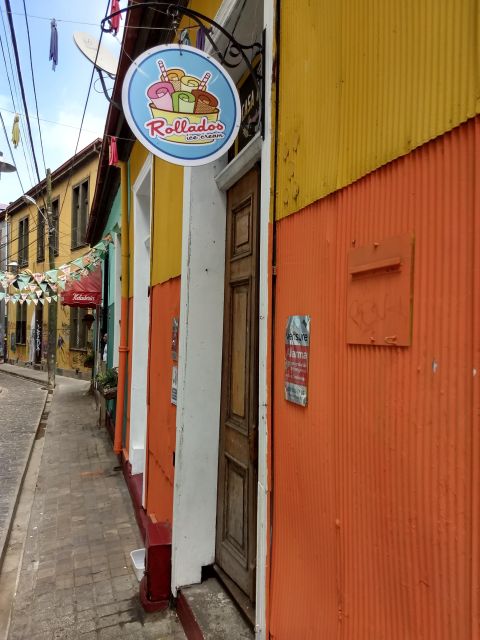
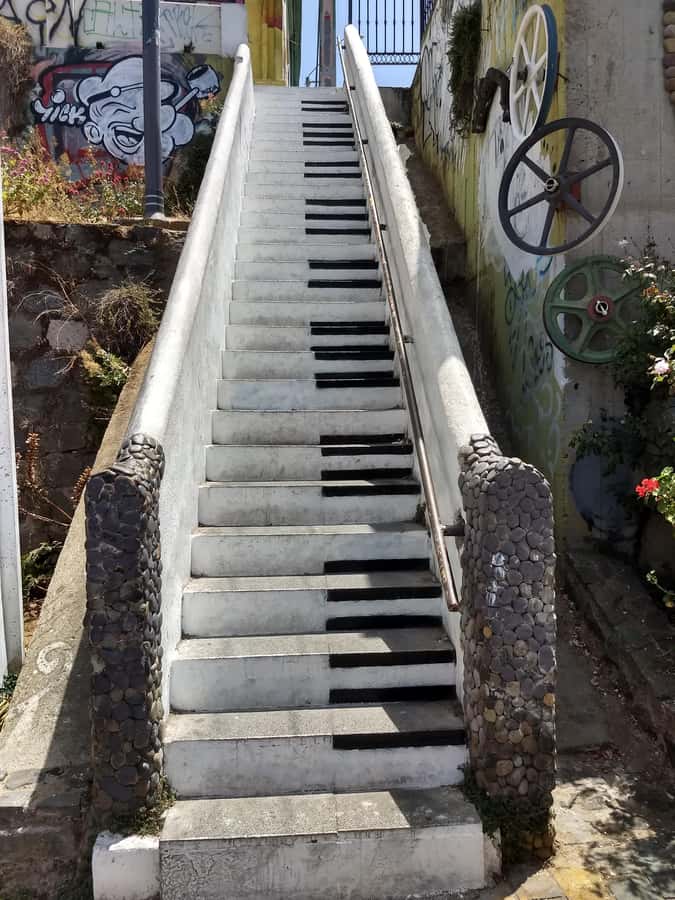
The Piano Staircase is one of the route’s more playful stops. Its design turns a functional climb into a visual attraction, and it fits Valparaiso’s habit of making art part of the everyday street.
Nearby, the Anglican Saint Paul Cathedral and the Lutheran Church of the Holy Cross provide a different kind of cultural story. The Anglican church was among the early hillside institutions created to keep a community together. The Lutheran church connects to the German heritage discussed earlier.
These stops are brief, about five minutes each in the planned schedule. That is enough for an introduction, but not a full architectural visit. If church interiors are important to you, ask the guide what can be seen during your departure time and whether the buildings are open.
The route works well here because it shifts from painted walls to religious and community buildings without pretending the city has only one identity. Valparaiso can be bohemian, maritime, immigrant-shaped, artistic, and institutional within a few blocks.
Paseo Dimalow and the final mural
The walk continues along Paseo Dimalow in Cerro Alegre, where you get more hillside views and practical suggestions about nearby restaurants. This is a helpful point in the tour because you are beginning to think about what to do after the guide leaves.
The final listed attraction is the mural We are not hippies, we are happies. It is a memorable closing image for a tour focused on Valparaiso’s playful public art and positive street identity.
The tour ends at Ascensor Reina Victoria. Your guide explains how to return to the starting point and can suggest places for lunch or dinner. This matters because you do not finish at the port and simply get left to work out the city alone.
The restaurant advice seems to be one of the strongest practical benefits. Alex has helped people continue walking until they found a restaurant that suited their needs, while other guides have recommended good lunch spots. That personal help is especially useful if you are visiting Valparaiso for only one day.
What the two-hour format really means
Two hours is enough for a strong introduction, not a complete exploration of Valparaiso. The route includes the port, Plaza Sotomayor, two funicular areas, several promenades, churches, galleries, shops, and a long street-art section. You should expect a steady walk with short explanations rather than extended visits inside attractions.
The compact format is good for a cruise stop, a first afternoon in the city, or anyone who wants orientation before exploring alone. It also keeps the price reasonable. At $41 per person, the included funicular tickets and alfajor add clear value, especially when you consider the guide’s navigation help and local recommendations.
The price is less compelling if you mainly want transportation or a quick collection of photo stops. You could see some of the same public areas independently, and one participant felt the route overlapped with a free walking tour. The paid version earns its keep through the small-group setting, private options, historical photographs, art explanations, and personal local connections.
The strongest guides appear to be flexible. They have adjusted the pace, allowed time for shops or wine purchases, and helped people find restaurants afterward. Alex is repeatedly praised for his warmth, patience, and ability to explain art, while Grex, Benjamin, Maria, and Cristóbal also received strong comments for making the walk informative and friendly.
One practical caution is communication at the meeting point. A participant nearly missed the start after the guide was delayed and there was no direct contact information available. Confirm the meeting instructions carefully before setting out, and arrive at the two cannons with enough time to identify the guide.
Is this tour physically demanding?
The tour is not designed for people with mobility impairments, pregnant women, or people with altitude sickness. The route includes hills, stairs, narrow passages, and funicular access, so you should be comfortable walking on uneven urban streets.
One person described the experience as not physically demanding, but that does not mean it is flat or effortless. The funiculars remove some uphill strain, yet you still walk between promenades, murals, churches, shops, and viewpoints.
The two-hour length helps. You are not committing to a full-day hike, and the guide can sometimes adapt the pace, especially in a private or very small group. Still, ask about your specific needs before booking, since the published restrictions are clear.
Best for art lovers, first-time visitors, and curious eaters
I would choose this tour if you want your first look at Valparaiso to include both the famous sights and the ordinary streets connecting them. It is especially useful if you want help finding murals that are easy to miss, understanding their meaning, and learning how the city’s immigrant communities shaped the hills.
Families can benefit from the changing scenery, short stops, funicular rides, colorful stairs, and alfajor. One family with seven people, including two people with autism, found the experience highly suitable, though individual comfort with crowds, stairs, and changing street conditions should always guide your decision.
This is also a good choice if you are nervous about finding your way around Valparaiso. Guides have helped participants feel more comfortable returning to galleries, markets, and hillside streets alone after the walk. Their safety advice and local orientation can be worth as much as the sightseeing.
You may prefer a free walk if your budget is tight and you only want a broad introduction. You may also want more time if your main goal is shopping, eating, or visiting interiors. For a focused introduction to Valparaiso’s port, hillside neighborhoods, funiculars, and street art, the route packs in a useful amount.
Should you book the Valparaiso street art tour?
Book it if you want street art with history and local contacts, not just a mural checklist. The combination of old photographs, El Peral, Cerro Alegre, Pasaje Gálvez, Paseo Atkinson, the churches, and the final Reina Victoria finish gives you a clear sense of how Valparaiso fits together.
At $41, the tour offers fair value for a two-hour private or small-group experience, particularly because funicular tickets and an alfajor are included. I would choose a private option if you want a slower pace, have family needs, or care about asking many questions.
Skip it if you dislike hills and stairs, need fully accessible routes, or already know the city well. For most first-time visitors with reasonable walking ability, this is a smart way to get your bearings, learn the stories behind the walls, and leave with a restaurant tip for the rest of the day.
FAQ
Where does the tour begin?
The tour begins at Muelle Prat, near the two cannons and the Tourist Information Office.
Where does the tour finish?
The tour finishes at Ascensor Reina Victoria. The guide explains how to return to the starting point.
How long does the tour last?
The tour lasts two hours.
Are funicular tickets included?
Yes. Entry tickets to the funiculars are included in the tour price.
Is an alfajor included?
Yes. The experience includes a local alfajor made by local people.
Are meals and drinks included?
No. Additional food and drinks are not included.
What languages are available?
The tour is offered in English, Chinese, French, and Portuguese.
Can I book a private or small-group tour?
Yes. Private and small-group options are available.
More Street Art in Valparaiso
- Street Art in Valparaiso and Wines in Casablanca from Santiago
★ 5.0 · 126 reviews - Santiago Barrio Yungay Street Art Walking Tour Experience
★ 5.0 · 19 reviews
Just added around Valparaiso
- Viña del Mar and Valparaiso: guided day tour★ 4.2 · 8 reviews
- Viña del Mar and Reñaca 4-Hour Pacific Coast Tour★ 4.7 · 14 reviews
- Valparaíso y Viña del Mar full day★ 4.6 · 3 reviews
- Valparaíso to Casablanca: wine tour with premium tasting and transportation★ 4.4 · 3 reviews
- Valparaiso : Must-See Sites Walking Tour With A Guide★ 4.8 · 20 reviews
- Private Valparaíso, Viña del Mar, Boat Ride & Sparkling Wine★ 5.0 · 2 reviews
- Valparaiso: Guided Walking Tour with Ascensor Rides★ 4.5 · 3 reviews
- Valparaíso: Private Full Day Sightseeing Tour★ 5.0 · 3 reviews
City Tours, compared.
Full day tour to Valparaiso and Viña del Mar city
Read our review →
City tour by Santiago of Chile -A beautiful experience – Half day
Read our review →
Half-Day Sightseeing City Tour with Chauffeur and Guide
Read our review →
Valparaiso 4-Hour City Tour by Van and Funicular
Read our review →
The Essentials City Tour & Optional Concha y Toro
Read our review →Browse the lists this tour appears in