
Reviewed · PENGUIN TOURS
Whales & Humboldt Penguins: Chañaral or Damas island hiking
Wild coast, wild animals, long day. This 10-hour trip from La Serena reaches one of Chile’s best marine wildlife areas, where desert meets the Coquimbo coast and boats thread around Choros and Damas islands. I especially like the excellent mix of wildlife and local culture, plus the comfortable transport, seafood lunch, and bilingual guide. The main caution is time: the road journey is lengthy, and the actual boat outing depends heavily on wind, tides, and waves.
I also like the changing scenery, from fishing coves and old mining country to cactus, beaches, seabirds, sea lions, penguins, dolphins, and possibly whales. Guides such as Christopher and Martin have earned praise for stopping when something interesting appears along the road. Still, lunch can feel rushed, and some departures may spend more time in the vehicle than you expect.
In This Review
- Key points to know before booking
- From La Serena to the edge of the Atacama
- Punta Teatinos and the old Juan Soldado bridge
- Caleta Los Hornos and La Higuera
- Quebrada de los Choros and the road north
- Punta de Choros and the boat launch
- Around Isla Choros with penguins, seals, and whales
- Isla Damas, beaches, cactus, and walking time
- Lunch in Los Choros and the question of value
- How the 10-hour schedule really feels
- Who should book this coastal adventure?
- Final verdict: book for the whole day, not just the whales
- FAQ
- Where does the tour begin and end?
- How long does the full tour last?
- What languages does the guide speak?
- Is hotel pickup included?
- What is included in the price?
- Will I definitely see whales?
- Can I see Humboldt penguins?
- What should I bring?
- Can the boat trip be canceled?
- Who should not take this tour?
Key points to know before booking
- Whales are possible, not promised: Some outings have produced magical whale sightings, while others have seen only a few penguins and seals.
- The road journey is part of the tour: Stops around Punta Teatinos, Juan Soldado, Caleta Los Hornos, La Higuera, and Quebrada de los Choros add history and scenery.
- The boat ride is the main event: Expect island views and chances to see Humboldt penguins, sea lions, otters, seabirds, dolphins, and whales.
- Damas Island adds time on foot: You get about an hour for walking, sightseeing, and wildlife viewing on or around the island.
- The price includes a lot: At $280 per person, you receive hotel pickup and return, air-conditioned transport, a bilingual guide, park admission, boat navigation, lunch, and a drink.
- Sea conditions control the day: The operator checks conditions two days ahead, and the outing requires suitable wind, tides, and waves.
From La Serena to the edge of the Atacama
Your day begins with pickup at your accommodation in La Serena. The air-conditioned vehicle is a welcome feature because the trip covers a lot of ground. The route heads north through a part of Chile where the greener coastal zone gradually gives way to the beginnings of the Atacama Desert.
This is not just a transfer to a harbor. The road passes through places shaped by shepherds, farmers, miners, and fishing communities. Your guide explains the people and work that have marked this coast, including the Choros and Camanchacas, along with the older Changos culture.
The Changos were coastal people closely tied to fishing and marine life. The area is also associated with ingenious fishing rafts made from sea lion skin, including some of the earliest and last examples of that tradition. That background gives the boat trip more meaning. You are not simply looking at animals from offshore. You are visiting a coast where people have depended on the sea for generations.
The stops are short, so keep your expectations sensible. This is a sightseeing route with quick visits rather than a series of long guided walks. If you enjoy hearing local stories and pausing for photographs, the pace works well. If you want to reach the islands as quickly as possible, the route may feel stretched.
Other penguin colony crossings:
- Sailing and Hiking Isla Damas : Humboldt Penguin Reserve
★ 4.0 · 13 reviews - Punta Arenas: Walk with Penguins on Magdalena & Marta Island
★ 4.6 · 611 reviews - Punta Arenas: Full-Day Whales, Penguins, and Glaciers Tour
★ 4.9 · 325 reviews
Punta Teatinos and the old Juan Soldado bridge
Punta Teatinos is an early scenic stop, with about five minutes for views and a short explanation. It helps you get oriented to the coastal setting before the longer drive north.
The next stop is Antiguo Puente Juan Soldado. You have roughly ten minutes for photographs, a visit, and a short guided explanation. The old bridge and surrounding area add a historical note to the morning, and the stop breaks up the drive without taking too much time.
These early pauses are modest, but they matter on a long outing. You can stretch your legs, take photographs, and start seeing how the road connects small settlements with the wider coast. Bring a warm layer even on a sunny day. Coastal air can turn cool, and the boat will be cooler still.
Caleta Los Hornos and La Higuera
Caleta Los Hornos introduces you to a working fishing cove. The visit includes sightseeing and a short explanation from the guide, with about ten minutes allocated here. The cove helps place the later marine reserve in context: this is a living coast, not an empty nature display.
The route then continues through La Higuera, where the stop lasts about twenty minutes. The area reflects the mix of rural and mining life found in northern Chile. You will see attractive open country and settlements shaped by difficult work and limited water.
The guide can make a big difference here. Christopher was praised for his driving and for making the scenery interesting along the route. Martin was also described as helpful and generous with information, stopping when something worth seeing appeared. That is useful on a road tour like this, since the best moments may be a brief animal sighting or an unexpected view rather than a scheduled monument.
Quebrada de los Choros and the road north
At Quebrada de los Choros, you have about twenty minutes for a photo stop, sightseeing, free time, and possible wildlife viewing. The area marks the shift toward the marine reserve and the island communities farther north.
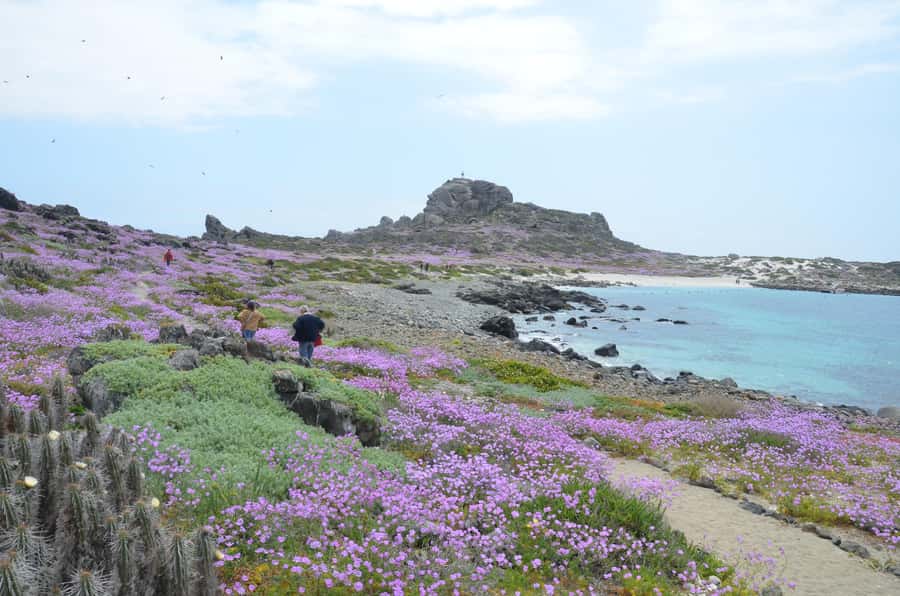
This is one of the places where the scenery changes noticeably. Cactus and other plants appear alongside dry ground, while the coast remains influenced by the cooler Pacific. The contrast between desert conditions and coastal plant life is one of the day’s strongest visual features.
Wildlife can appear before you reach the boat. The road has produced sightings of guanacos, foxes, wild donkeys, llamas, and birds of prey. None of these sightings is guaranteed, so keep your eyes open and listen when the guide asks the driver to slow or stop.
This portion can also test your patience. One person found the journey too long and felt that the outing could have been completed in about five hours. That criticism is fair if your main goal is whale watching. The tour is better suited to you if you enjoy the full journey, including roadside scenery and cultural interpretation.
More hikes starting in La Serena:
- Puerto Natales: Base of the Towers Day Hike
★ 4.8 · 727 reviews - From Santiago: Cajón del Maipo and Volcán San José Hike 8K
★ 4.9 · 418 reviews - Puerto Natales: Base of the Towers Trekking Experience
★ 4.8 · 191 reviews - Puerto Natales: Base Torres Small Group Trekking
★ 4.9 · 106 reviews
Punta de Choros and the boat launch
Punta de Choros is the main transition point. You receive a safety briefing, take photographs, and board the boat for the island outing. There is about twenty minutes allocated to this stage, including a short break.
The harbor area is linked to long-established artisanal fishing, diving, and seaweed collecting. That gives the departure point a strong sense of place. You are leaving from a real fishing community, not a purpose-built theme park.
The boat itself is where conditions become especially important. Wind, tides, and waves determine whether the navigation can go ahead and how comfortable it will be. The operator checks the forecast two days before departure and informs passengers about the conditions.
You should take the warning seriously if you are prone to seasickness. This outing is not suitable for people with back problems, mobility impairments, or epilepsy, and it is not a good choice if rough water causes you trouble. Wear outdoor clothing and bring something warm. Even a pleasant morning on land can feel sharp offshore.
Around Isla Choros with penguins, seals, and whales
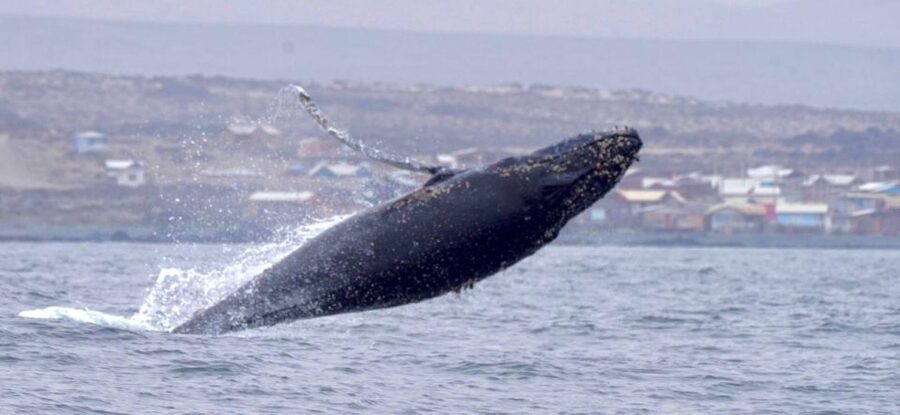
The navigation around Isla Choros lasts about an hour according to the planned schedule, though the total time on the water may feel longer depending on the route and conditions. You will look for seabirds, marine mammals, dolphins, and whales while viewing the island’s beaches and rocky shores.
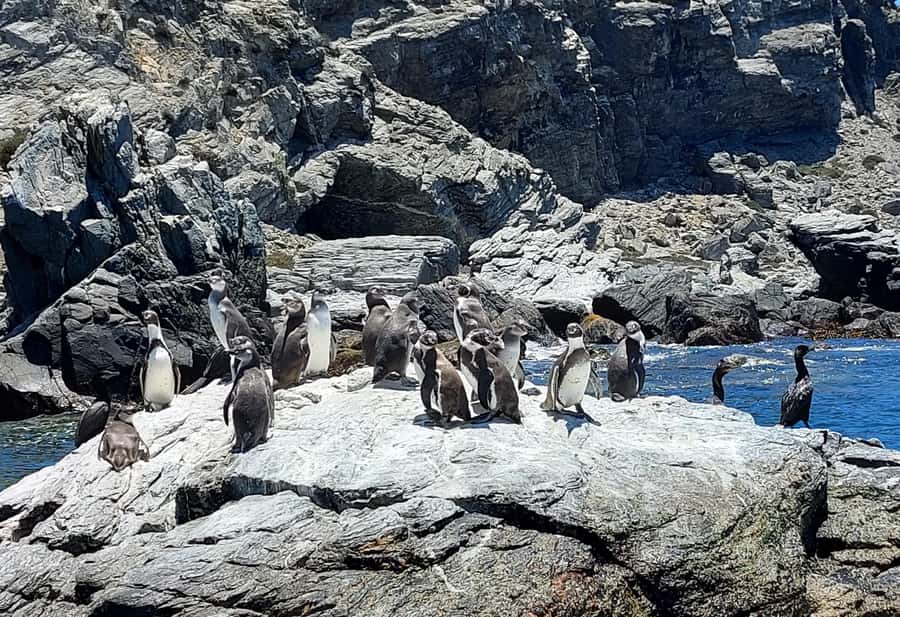
Humboldt penguins are the signature sight. They are beautiful, but sightings can be limited. One outing produced five penguins, while another saw only one. That range is a useful reminder that this is wildlife watching, not a zoo visit.
Sea lions are more likely to provide steady action. You might see them resting on rocks or gathering near the island. Sea otters, seabirds, and birds of prey also form part of the possible mix. Dolphins may appear, but they are a matter of luck.
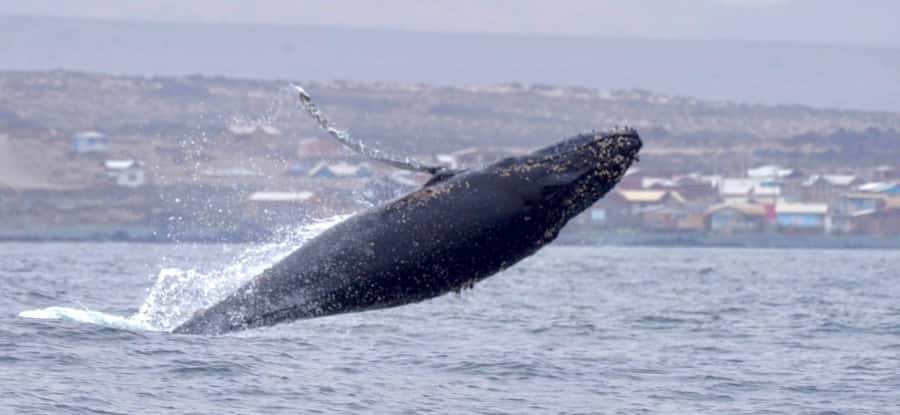
Whales are the great prize. Some departures have had remarkable encounters, with whales making the boat trip feel unforgettable. Other outings have produced much less. The responsible way to book this is to value the whole marine setting and regard whales as an exciting possibility, not the guaranteed product.
The boat crew and guide also shape the experience. A good guide points out animals quickly, explains what you are seeing, and gives you time to watch rather than racing from one sight to another. Keep your camera ready, but do not spend the whole ride looking through a screen. Marine sightings can last only a few seconds.
Isla Damas, beaches, cactus, and walking time
Isla Damas provides the day’s main chance to get out and walk. The scheduled visit lasts about an hour and includes photographs, sightseeing, hiking, free time, and more wildlife viewing.
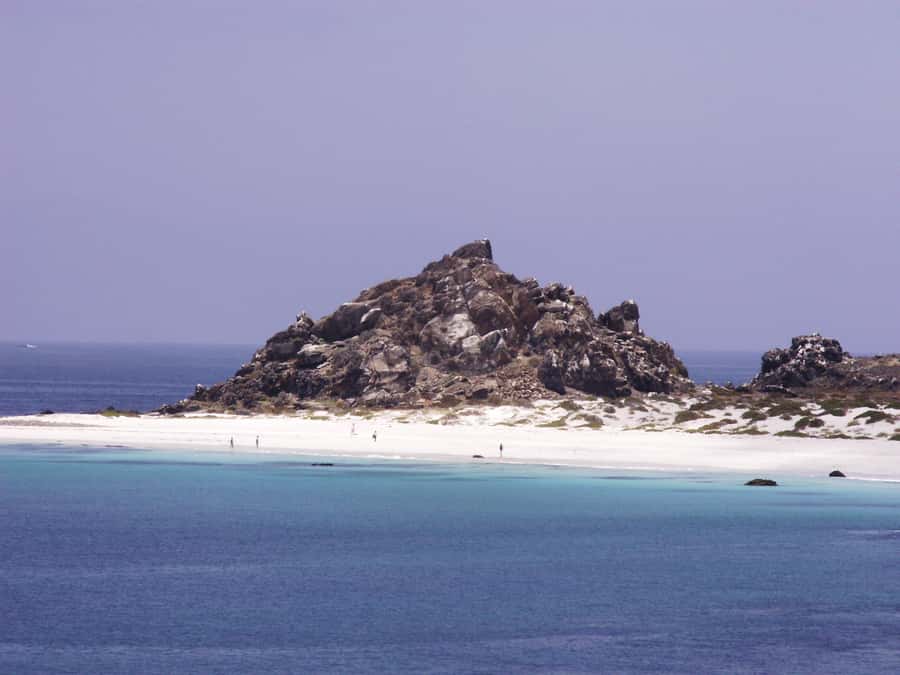
The island is known for beautiful beaches, cactus, unusual rock shapes, and views back toward the sea. The descriptions of stone forms shaped like mythological gods capture the character of the place: this is a rugged, imaginative coast where geology does much of the decorating.
The walking portion is not presented as a strenuous expedition, but you should still wear proper outdoor clothing and shoes. The tour is not suitable for people with mobility impairments, so do not expect an easy-access outing. Your time here may be limited, especially if the boat schedule is tight.
This is also a good place to slow down. The boat ride is active, with people scanning the water for animals. On Damas, you can take in the cactus, beach, and island shapes at a calmer pace. The balance between wildlife viewing and walking makes the day more varied than a boat-only trip.
Lunch in Los Choros and the question of value
After the island outing, the group stops in Los Choros for lunch, a break, and free time. The scheduled allocation is about seventy minutes, and the meal includes a choice of starter, main course, dessert, and a drink such as a glass of wine, water, or a soft drink.
The food is part of the value of the package. Seafood and local drinks fit the setting far better than a generic packed lunch, and the meal gives you a chance to ask the guide questions about the area. One guide was praised for answering questions and staying engaged through lunch.
The timing deserves attention. Some passengers found the meal perfectly acceptable. Others felt rushed, with one person receiving the main meal only ten minutes before departure. That is a practical weakness, particularly if several people order different dishes.
I would treat lunch as a useful included meal rather than the reason to book. If you are hungry after the boat ride, ask about the timing early and keep an eye on the departure schedule. The boat and coastal setting are the core of the day.
At $280 per person, the tour is expensive compared with a simple transport-only trip. The price becomes easier to justify because it includes pickup and return in La Serena, air-conditioned transport, a bilingual specialized guide, the marine reserve ticket, boat navigation, and a full lunch with a drink.
The value depends on your travel style. You are paying for a long, guided day with local interpretation and several moving parts. You are not paying only for one hour of wildlife viewing. If you want a quick boat trip, the cost and length may disappoint you. If you value transport, guiding, context, and the chance to see several kinds of wildlife, the package is more reasonable.
How the 10-hour schedule really feels
The advertised duration is ten hours, beginning and ending in La Serena. The route includes many short stops, a boat ride, time on Damas Island, lunch, and the return drive.
The day can feel full rather than rushed in the morning, especially if you enjoy the scenery. The return leg may feel long after you have already spent time on the water and walking. One critical account also noted an unnecessary stop on the way back, so the exact pace may vary with the guide and group.
This is a better fit for a full-day excursion than for a tightly planned travel day. Do not schedule an evening activity that requires a precise arrival time. The return time can be affected by road conditions, sea conditions, lunch service, and the pace of the group.
The operator offers free cancellation up to 24 hours before departure and allows you to reserve without paying immediately. Those terms are helpful here because the sea is a central part of the plan. The important thing is not to treat cancellation flexibility as a substitute for checking the weather update two days before departure.
Who should book this coastal adventure?
I would recommend it to you if you like natural history, local communities, open scenery, and wildlife watching with no guarantee of a perfect sighting. It is especially appealing if you want to see more than the islands, since the route provides a broad look at the coast between La Serena and the marine reserve.
It suits active visitors who can manage a long day, boat movement, outdoor conditions, and an hour of walking on Damas Island. Warm clothing is essential, even if the forecast looks mild.
I would hesitate if your only goal is to see whales. The sightings can be extraordinary, but they are not certain. I would also hesitate if you dislike long drives, have serious back or mobility concerns, suffer from epilepsy, or are prone to seasickness.
The strongest praise has gone to the guides, the changing scenery, and the wildlife variety. The clearest complaints concern the long road time, limited sightings on some boat trips, and rushed lunch service. Those are not minor details, but they are easy to weigh honestly before booking.
Final verdict: book for the whole day, not just the whales
Book this tour if you want a guided introduction to the northern Coquimbo coast, complete with fishing culture, desert scenery, island beaches, cactus, penguins, sea lions, seabirds, and a real chance of dolphins or whales. The combination is unusual, and the included transport and lunch remove much of the planning work.
Skip it if you need a short, predictable wildlife outing or cannot tolerate rough water. The best way to approach this trip is with flexible expectations: hope for whales, enjoy the penguins and sea lions, and pay attention to the road and local stories too.
FAQ
Where does the tour begin and end?
Pickup and drop-off are provided at your accommodation in La Serena.
How long does the full tour last?
The experience lasts about 10 hours, including transport, sightseeing stops, the boat outing, island time, lunch, and the return to La Serena.
What languages does the guide speak?
The tour is available with a live guide in English or Spanish.
Is hotel pickup included?
Yes. Pickup and return transfer from accommodation in La Serena are included.
What is included in the price?
The price includes air-conditioned transport, a bilingual specialized guide, the marine reserve ticket, boat navigation, lunch with starter, main course and dessert options, and one drink.
Will I definitely see whales?
No. Whales may be seen, but wildlife sightings depend on natural conditions. Some trips have had excellent whale encounters, while others have seen fewer animals.
Can I see Humboldt penguins?
Humboldt penguins are among the animals you may see around Isla Choros and Damas Island. The number seen can vary.
What should I bring?
Bring warm clothing, weather-appropriate clothing, and outdoor clothing suitable for the boat and island walk.
Can the boat trip be canceled?
The tour requires suitable wind, tides, and waves. Conditions are checked two days before the outing, and passengers are informed about the weather.
Who should not take this tour?
The tour is not suitable for people with back problems, mobility impairments, epilepsy, or a strong tendency toward seasickness.
More Whale Watching in La Serena
- Whale and Glacier Watching from Punta Arenas Francisco Coloane Park
★ 5.0 · 254 reviews - Whales, Penguins & Glaciers Navigation From Punta Arenas
★ 4.5 · 12 reviews - Kayaking with Whales and Wildlife Watching From Punta Arenas
★ 4.5 · 6 reviews
Just added around La Serena
- Fray Jorge ice-age relict forest UNESCO National Park★ 5.0 · 2 reviews
- Astronomical Observation Milky Way Sanctuary Pangue Observatory★ 3.5 · 7 reviews
- La Serena & Elqui Valley : Ancestral & Avant Garde Wines & Piscos★ 5.0 · 2 reviews
- Sailing and Hiking Isla Damas : Humboldt Penguin Reserve★ 4.0 · 13 reviews
- Night walk with astro photography★ 4.5 · 3 reviews
- La Serena: Full day to Isla Damas & Humbolt Pinguino National Reserve★ 4.5 · 11 reviews
- La Serena and Coquimbo Private City Tour Including Lunch, Shore Excursion★ 5.0 · 5 reviews
- La Serena: Full day Tour to Elqui Valley★ 5.0 · 11 reviews
Penguin Tours, compared.
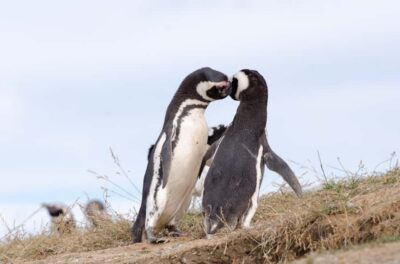
Walk with Penguins on Magdalena & Marta Island
Read our review →

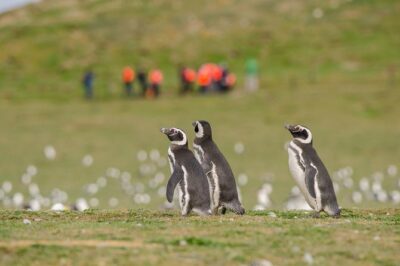
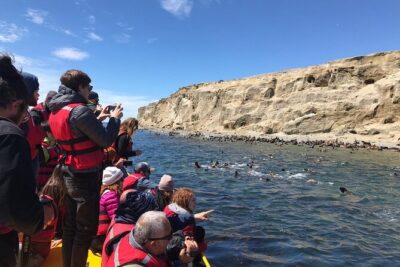
Walk alongside Penguins on Magdalene Island and navigate Marta Island
Read our review →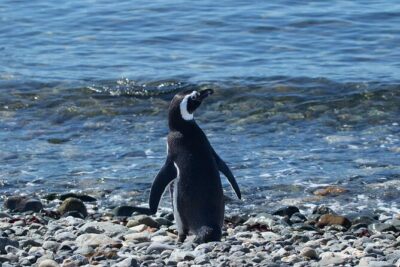
Shore Excursion: Magellan Penguins Natural Reserve in Magdalena Island from Punta Arenas
Read our review →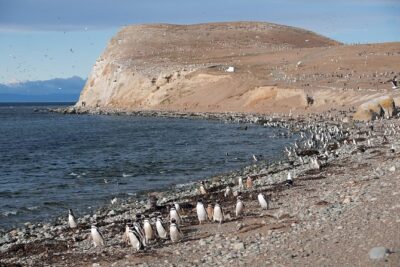
Magdalena Island Penguin Tour by Boat from Punta Arenas
Read our review →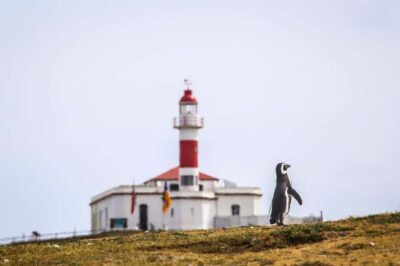
Browse the lists this tour appears in