
Reviewed · ATACAMA DESERT TOURS
Uyuni Saltflat from San Pedro de Atacama ROUNDTRIP or ONE WAY to Uyuni
The high desert saves its best for sunrise. This four-day trip links San Pedro de Atacama with Bolivia’s Eduardo Avaroa National Reserve and the vast Uyuni Salt Flats, using a border shuttle and rugged 4×4 vehicles. I like the sheer variety: flamingo-filled lagoons, smoking geysers, hot springs, salt-block hostels, giant cacti, and the famous white flats all arrive in one tightly packed journey.
I also like the small 4×4 format, with no more than six people in each vehicle, and the capable guide Daniel, who was praised for clear English and helpful answers. The main caution is comfort. You will spend long hours on rough roads, sleep in very basic accommodation, and face cold, high-altitude mornings. This is an adventure tour, not a polished hotel-to-hotel outing.
In This Review
- The trip in five memorable details
- What the $411.77 price really buys
- Before sunrise at the Chilean border
- Day one: volcanoes, lagoons, and the world’s highest geyser field
- Villamar Mallcu: the first night’s hard edges
- Day two: stone formations and the salt-block hostel
- Day three: sunrise on the Salar de Uyuni
- Round-trip or one-way: choose carefully
- Food, vehicles, and daily comfort
- Who should book this Uyuni trip?
- FAQ
- How long is the round-trip Uyuni tour from San Pedro?
- How long is the one-way option?
- Is accommodation included?
- What meals are included?
- What entrance fees must I pay separately?
- Can I visit Incahuasi Island during the rainy season?
- How many people ride in each 4×4?
- Should you book it?
The trip in five memorable details
- Nearly 5,000 meters at Sol de la Mañana: Bubbling mud, steaming vents, sulfur, and thin air make this an unforgettable early stop.
- Three very different nights: You sleep in a simple hostel near Villamar, a salt-block hostel in Chuvica, and another basic hostel on the return route.
- Two ways to finish: The one-way option ends in Uyuni after three days and two nights. The round-trip option returns to San Pedro on day four.
- Small 4×4 groups: Each vehicle carries up to six passengers, although the full departure can include as many as 40 people.
- Extra cash is essential: Budget for the national reserve, hot springs, Incahuasi Island, toilets, border charges, and possible Wi-Fi.
- High-altitude preparation matters: The first breakfast is served after the Chilean border crossing, often in very cold conditions above 4,000 meters.
What the $411.77 price really buys
At $411.77 per person, this is not the cheapest way to reach Uyuni. A few people on the same route paid far less by arranging a similar trip in San Pedro, with one reported price near 200 euros. Booking ahead gives you a confirmed place and a clear departure plan, but it can cost much more than bargaining locally.
The package includes three nights of accommodation on the round-trip version, or two nights on the one-way version. It also includes three lunches, three dinners, four breakfasts, transport from San Pedro to the Bolivian border and back, and the 4×4 journey across Bolivia.
I think the price is reasonable only if you value advance planning and the convenience of starting in San Pedro. You are paying for transport through a remote border region, meals, drivers, accommodation, and coordination across two countries. Still, the basic standard of the hostels makes the cost feel high if you expect comfort.
Set aside extra money in Bolivianos. The published details list a 150 BOB entrance charge for Eduardo Avaroa National Reserve, 6 BOB for the Polques hot springs, 30 BOB for Incahuasi Island, and about 20 BOB for restrooms at Incahuasi. One part of the information describes the reserve fee as CLP150, so confirm the currency before departure.
You may also pay for border taxes, Wi-Fi, and other small charges. Bring cash, since the listed fees are paid on site and cash access can be limited during the route.
Other Atacama desert trips from San Pedro de Atacama:
- San Pedro de Atacama: El Tatio Geysers Tour
★ 4.7 · 943 reviews - San Pedro de Atacama: Etno-Stargazing Tour with Transfer
★ 4.8 · 629 reviews - The Roofless Experience San Pedro de Atacama Stargazing Tour
★ 5.0 · 522 reviews
Before sunrise at the Chilean border
Pickup from your hostel in San Pedro usually comes between 6:00 and 6:30 AM. The shuttle heads to Hito Cajón, where you complete Chilean and Bolivian immigration formalities before changing into a 4×4 vehicle.
Allow patience at the border. One account describes a wait of at least two hours, with breakfast eaten outside the van in bitter cold. Wear several warm layers, gloves, and a hat. You will want the same clothing again at the geysers and for the first sunrise on the salt flats.
The altitude rises quickly. Much of the route sits above 4,000 meters, and Sol de la Mañana reaches nearly 5,000 meters. The trip information says most people can take part, but you should still take the altitude seriously and tell the operator about any health concerns before booking.
After immigration, you receive a light breakfast while the jeeps are prepared. The change from shuttle bus to 4×4 is part of the adventure, but it also sets the rhythm for the next few days: long drives, short walks, strong scenery, and simple roadside facilities.
Day one: volcanoes, lagoons, and the world’s highest geyser field
The first day packs in some of the most dramatic sights. Inside Eduardo Avaroa National Reserve, volcanic peaks rise around mineral-colored water, while llamas and flamingos appear in the open highlands.
Laguna Verde and Laguna Blanca sit beneath the Licancabur and Juriques volcanoes. Laguna Verde is known for its emerald color, which shifts with sunlight and wind. The color is not guaranteed to look identical every time, so keep your camera ready and give yourself a quiet moment to take in the setting.
The Salvador Dalí Desert brings a different mood. Wind-shaped rocks sit across a broad volcanic plateau, with warm reds and ochres replacing the bright greens of the lagoons. The stop is brief, about 30 minutes, but that is enough for photographs before the jeep moves on.
At Polques Hot Springs, you can keep your swimsuit and towel handy and pay the small entrance fee for a warm soak. Changing rooms and bathrooms are available. The contrast is the treat: cold mountain air, high ridges, and naturally warm water. If you skip the soak, you can still enjoy the views, but this is one of the few genuinely relaxing pauses on a very active route.
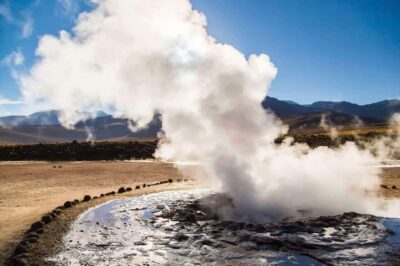
Sol de la Mañana is the morning’s most extreme stop, but the schedule places it on day one after the hot springs. Expect mud pots, fumaroles, sulfur smells, and steam rising from the earth. There are no railings or polished walkways described here, so stay alert and follow your driver’s directions. At nearly 5,000 meters, even a short walk can feel demanding.
Laguna Colorada is the grand finale. Minerals and algae give the water its red tone, while pink flamingos gather in the shallows. Volcanoes frame the scene, and the color changes with light and weather. You also stop briefly at Capina Lagoon before heading to Villamar Mallcu.
The day can last around eight to ten hours once driving and stops are counted. You reach the hostel tired, dusty, and ready for food. That long first day is worth knowing about before you book.
Villamar Mallcu: the first night’s hard edges
The Villamar hostel is basic. The trip includes accommodation, but not soaps or towels, so bring your own. One account described dirty blankets and sheets that did not appear freshly changed. Another noted hot water and power, which shows how conditions can vary.
Food is simple but generally regarded as pleasant. If you have dietary needs, do not rely on a verbal promise that the kitchen can adapt. A gluten-free traveler was served bread, pancakes, and cake, with no suitable breakfast option. Bring backup food if you need gluten-free meals or have another strict dietary requirement.
Private rooms cost extra, but one person who paid 100 euros more per person did not think the upgrade was worthwhile because shared rooms sometimes held only one or two people. Ask exactly what room and bathroom arrangement your booking includes.
Other salt flat and lagoon runs:
- Piedras Rojas, Altiplanics Lagoons & Salar Full-Day Tour
★ 4.7 · 592 reviews - Piedras Rojas + Altiplanic Lagoons and Salar de Atacama
★ 5.0 · 218 reviews - Red Stones and Altiplanica Lagoons Salar de Atacama
★ 5.0 · 97 reviews - Tour to Laguna Cejar, Ojos del Salar and Laguna Tebinquiche
★ 4.5 · 37 reviews
Day two: stone formations and the salt-block hostel
Day two moves through a string of unusual rock formations. The World Cup rock, Petrified Camel Rock, and Stone City give the route a playful side, with shapes that invite a little imagination. You also visit Vinto Lagoon, where flamingos gather, and Anaconda Canyon, a narrow cut through the high desert.
The Sora Wetlands offer a chance to see llamas and other Andean animals in a quieter setting. These stops matter because the trip is not only about the salt flats. You are crossing a high plateau where wildlife survives in sparse conditions, and the broad views help explain how isolated this region remains.
The abandoned village of Julaca adds a human note. At roughly 3,665 meters, its empty buildings and quiet setting contrast with the open volcanic country around it. The stop is not a major monument, but it helps break up the long drive and gives you a glimpse of life in a harsh place.
The route then reaches Chuvica, where the hostel is built from salt blocks near the Salar de Uyuni. This is one of the trip’s most distinctive touches. Do not picture luxury, but the salt construction gives the overnight stay a strong sense of place.
The accommodation can be very simple. One account described a period without running water, while another reported hot water at both hostels. Towels and soap are not supplied, and there was an attempt to charge extra for towels at the newer Chuvica property. Pack as if you must handle your own basic needs.
From January through April, rain can alter the plan. Flooding may limit access to Incahuasi Island, and the second night may be moved to a hostel in Uyuni rather than the salt hostel. The operator says the route will be adjusted for safety and to preserve the mirror effect when possible.
Day three: sunrise on the Salar de Uyuni
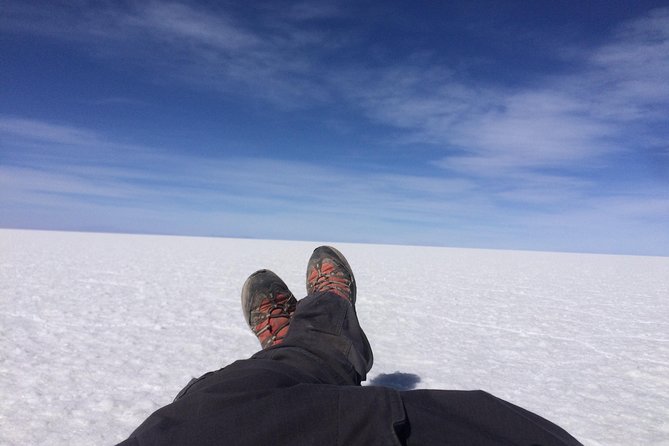
You wake early for sunrise on the salt flats. This is the moment many people have been waiting for, and the timing matters. At first light, the white surface stretches toward the horizon with almost no visual reference points. After the colored lagoons and rough volcanic ground, the silence and open space feel almost unreal.
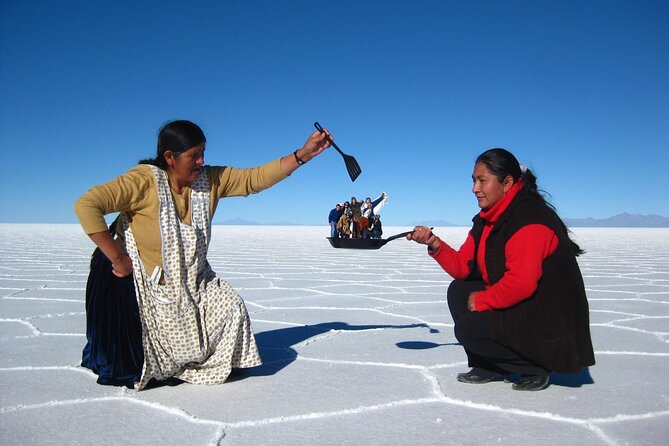
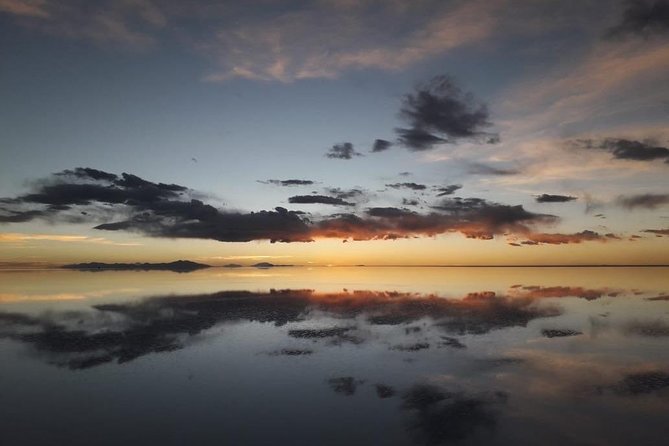
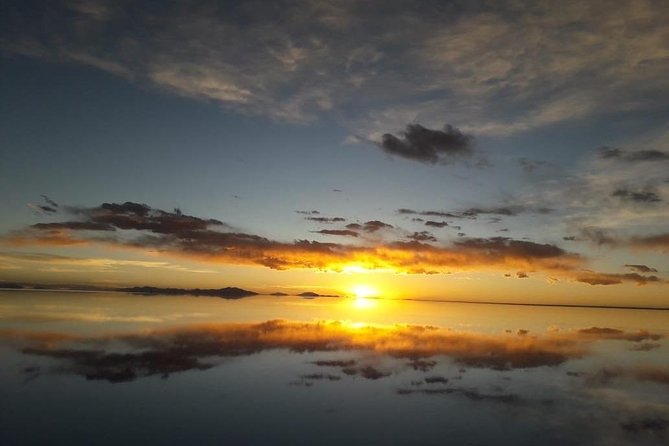
The salt flats are the world’s largest salt desert. In dry conditions, the surface gives you crisp geometric patterns and endless white. After rain, a thin layer of water can reflect the sky, creating the famous mirror effect. Conditions determine which version you see.
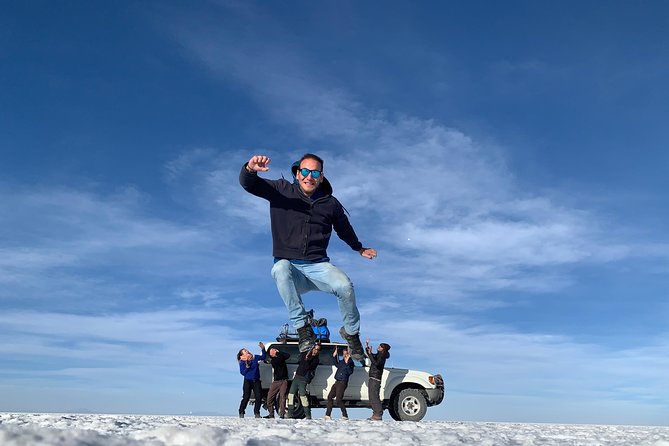
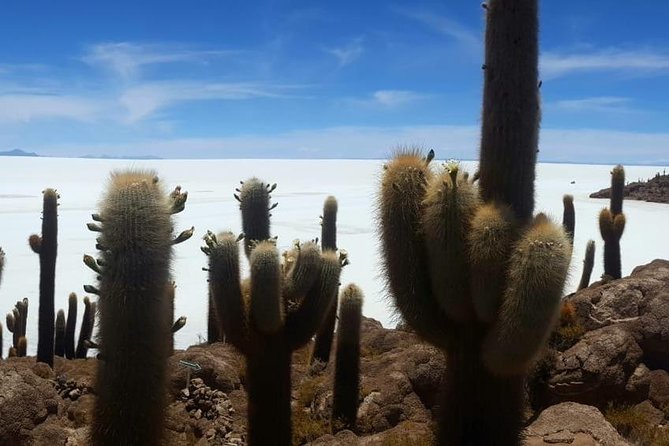
Incahuasi Island rises from the salt with giant cacti and fossilized coral. You can walk to the summit for wide views, then return to the flats for perspective photographs. The island entrance costs 30 BOB, and restrooms cost about 20 BOB. During the rainy season, flooding may prevent access, but the route can be adjusted.
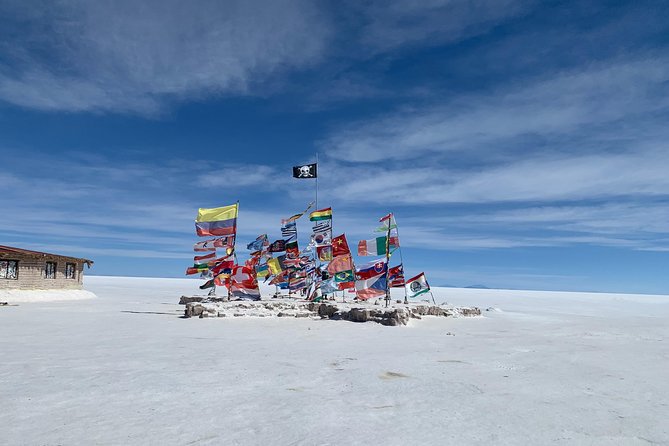
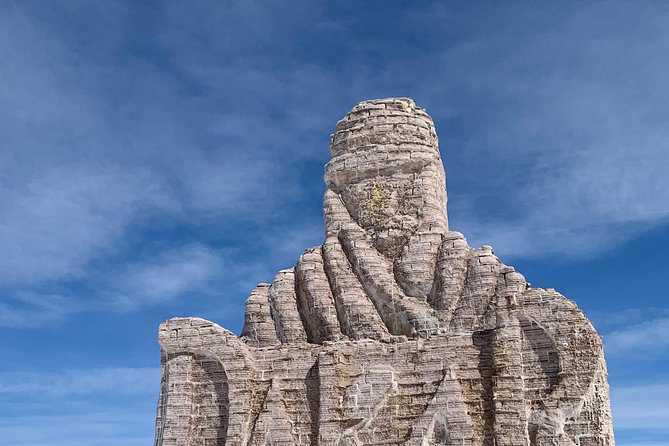
At Colchani, you visit a salt museum, the Dakar Monument, and the Forest of Flags. The village is known for salt crafts and handmade souvenirs, so it is the best place on this route to consider a small purchase. Keep expectations modest: the stop is short and commercial, but it supports local makers and gives you a break from the jeep.
The Train Cemetery near Uyuni is another quick stop. Rusted steam locomotives, graffiti, and metal artwork recall the area’s mining past. It is photogenic, but the attraction is compact, so do not expect a long museum visit.
At Uyuni town, one-way passengers leave the group. If you choose the 3-day, 2-night option, this is where the trip ends. You must arrange your onward plans from Uyuni yourself, and you should not assume that the one-way version returns to San Pedro.
Round-trip or one-way: choose carefully
The wording around the two options deserves close attention. The round-trip package lasts about four days and returns to San Pedro around 12:30 PM on day four. The one-way package lasts three days and two nights and ends in Uyuni after the salt flats and Train Cemetery.
If you have a flight from Calama, a fixed hotel booking, or another connection, choose the round-trip version only if the return is clearly confirmed in writing. A serious misunderstanding over the return leg led one person to miss the salt flats and arrange a bus to Calama instead. Ask three direct questions before paying:
- Does my booking include the return to San Pedro?
- How many nights are included?
- Where and when does the 4×4 portion end?
The round-trip version adds another night in Villamar Mallcu after leaving Uyuni. You then return through the high plateau to Hito Cajón on day four, complete immigration, and board the shuttle back to San Pedro. The arrival time is listed as about 12:30 PM, but border delays can affect the schedule.
Food, vehicles, and daily comfort
The food consists of three lunches, three dinners, and four breakfasts. Expect simple meals rather than restaurant dining. That can be perfectly fine after a long day in the jeep, but special diets need planning. Bring snacks and any food you cannot easily replace.
The 4×4 vehicles hold up to six people. The back seats may be uncomfortable for taller people because of a low roof, and one account says passengers regularly changed places to share the discomfort fairly. The full departure can reach 40 people, but the day-to-day vehicle group is much smaller.
Road travel is a major part of the outing. You will spend long stretches on rough terrain, with stops that often last from 30 minutes to two hours. The reward is access to places that a standard bus cannot reach, but you should not book this expecting a restful ride.
Guide quality can make a real difference. Daniel was singled out for strong English and helpful answers, while the driver was described as friendly. Guide assignments can change, so treat that as a useful example rather than a guarantee.
Who should book this Uyuni trip?
I would choose this tour if you want the major Uyuni sights in one organized route from San Pedro and you are comfortable with altitude, long drives, basic rooms, and changing conditions. It suits people who value scenery more than amenities and who want the reserve, lagoons, geysers, salt hostels, Incahuasi, and the Train Cemetery in one package.
I would hesitate if you need reliable gluten-free meals, clean and consistent accommodation, private bathrooms, or a strict arrival schedule. I would also compare prices in San Pedro if saving money matters more than booking well ahead.
The cancellation policy allows a full refund if you cancel at least three full days before the local start time. Poor weather or failure to meet the minimum group size can lead to a new date, another experience, or a refund. The operator is Ando Libre, Uyuni Adventure, and confirmation is provided at booking.
FAQ
How long is the round-trip Uyuni tour from San Pedro?
The round-trip option lasts approximately four days and three nights. It returns to San Pedro around 12:30 PM on day four, after border formalities.
How long is the one-way option?
The one-way option lasts three days and two nights. It ends in Uyuni town on day three after the salt flats, Colchani, and the Train Cemetery.
Is accommodation included?
Yes. The round-trip package includes three nights, while the one-way package includes two nights. Accommodation is in basic hostels, including a salt-block hostel in Chuvica for the normal itinerary.
What meals are included?
The package includes three lunches, three dinners, and four breakfasts. Special dietary options are not guaranteed, so bring extra food if you need gluten-free meals.
What entrance fees must I pay separately?
Separate charges include the Eduardo Avaroa National Reserve entrance, Incahuasi Island, the Polques hot springs if you use them, restrooms at Incahuasi, border taxes, and possible Wi-Fi. The reserve fee is listed inconsistently as 150 BOB and CLP150, so confirm the currency before departure.
Can I visit Incahuasi Island during the rainy season?
Access may be limited from January through April because of flooding. The itinerary may be changed to prioritize safety and provide the best possible mirror effect.
How many people ride in each 4×4?
Each 4×4 carries a maximum of six passengers. The overall departure can include up to 40 people, divided among several vehicles.
Should you book it?
Book this tour for the route, not the rooms. The reserve’s lagoons, flamingos, hot springs, geysers, and Uyuni sunrise are extraordinary, and the small 4×4 groups make the long journey manageable. Before paying, confirm the exact option, return transport, room arrangement, dietary needs, reserve-fee currency, and rainy-season plan.
If those details suit you, this is a powerful way to connect San Pedro and Uyuni. If you need comfort or a tight flight connection, arrange the route with extra time and compare local prices first.
Just added around San Pedro de Atacama
- Vallecito★ 4.7 · 13 reviews
- Atacama Desert and Magic Bus Visit★ 4.8 · 15 reviews
- San Pedro de Atacama: Valle de la luna★ 3.0 · 3 reviews
- Valle de la Luna: A Moon-Like Escape in Atacama★ 5.0 · 3 reviews
- 3 Perfect Days in Atacama + Transfer★ 4.5 · 3 reviews
- Atacama Stargazing Tour Under One of the World’s Clearest Skies★ 4.0 · 3 reviews
- Valley of the Moon In San Pedro de Atacama★ 4.5 · 9 reviews
- Moon Valley Tour, the Best Seller★ 4.5 · 2 reviews
Atacama Desert Tours, compared.
The Roofless Experience San Pedro de Atacama Stargazing Tour
Read our review →
Browse the lists this tour appears in