
Reviewed · ATACAMA DESERT TOURS
San Pedro de Atacama: Wildlife Safari and Photography Tour
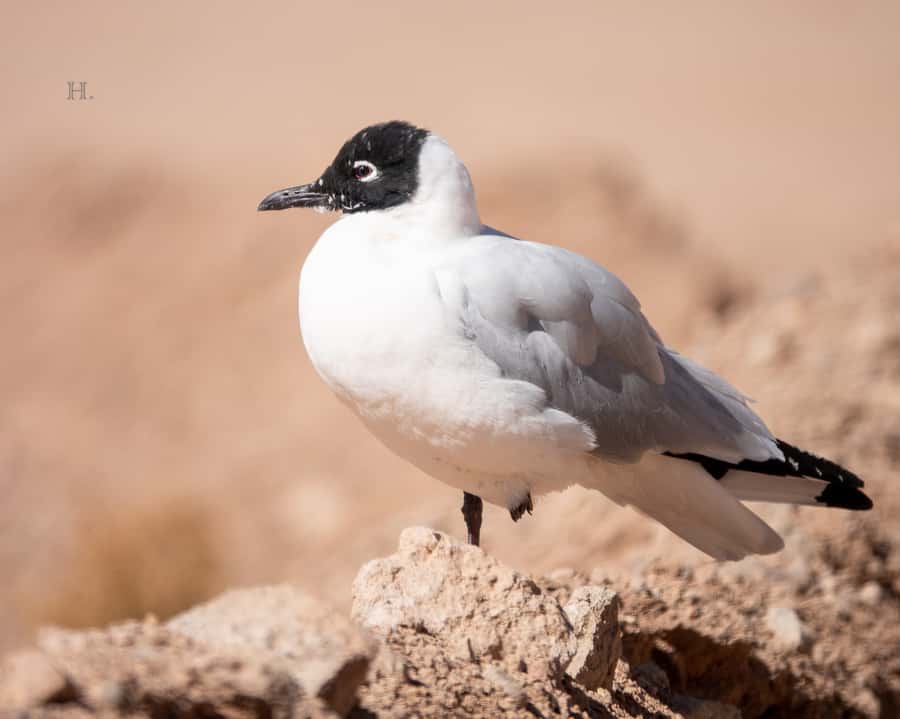
Wildlife hides in plain sight here. I like the chance to see guanacos, vicuñas, vizcachas, and flamingos in one short outing, and I like that the small group, capped at four people, leaves room for patient photography. The main consideration is the high mountain setting: you need warm clothing, sturdy shoes, and comfort with a fairly long drive over rough, open terrain.
This is more than a quick animal-spotting drive. Guide Juan Pablo is praised for finding creatures that blend into the rocks and grass, then explaining exactly where to look. I also like the supplied spotting scopes, phone adaptors, binoculars, and field guides, which make the tour useful even if you are carrying only a phone. Children under 12 cannot join, so this suits adults and older teens best.
In This Review
- Key points at a glance
- Why this Atacama safari feels different
- The 45-minute ride to Quirquincho Pass
- Machuca Village and its highland wetlands
- The Putana Valley lookout and its 360-degree view
- What the photography equipment adds
- How much time you get with wildlife
- Guide quality and the feel of a private outing
- Price, comfort, and who gets the best value
- What to bring for the high country
- Should you book the San Pedro wildlife safari?
- FAQ
- How long is the San Pedro de Atacama wildlife tour?
- What animals might I see?
- Is hotel transportation included?
- What languages does the guide speak?
- How large is the group?
- Is photography equipment provided?
- Can children join the tour?
Key points at a glance
- Four hours with a maximum of four participants: The small vehicle group gives you more time to stop, ask questions, and set up a photograph.
- Quirquincho Pass wildlife search: Look for guanacos and vizcachas among the rocky slopes after a 45-minute drive from San Pedro de Atacama.
- Machuca wetlands and birdlife: A short walk brings you close to wetland birds, including flamingos.
- Putana Valley lookout: Finish with a 360-degree view over a major highland wetland, ringed by volcanoes.
- Photography help for every skill level: Spotting scopes, phone adaptors, binoculars, and field guides are included.
- Flexible booking: Hotel pickup and drop-off are included, with free cancellation up to 24 hours before departure.
Why this Atacama safari feels different
San Pedro de Atacama has no shortage of tours, but many focus on famous scenery and move on quickly. This outing gives wildlife the starring role. You are not simply stopping at a viewpoint, taking a picture, and climbing back into the vehicle. The guide spends time locating animals, helping you see them, and waiting while you watch or photograph them.
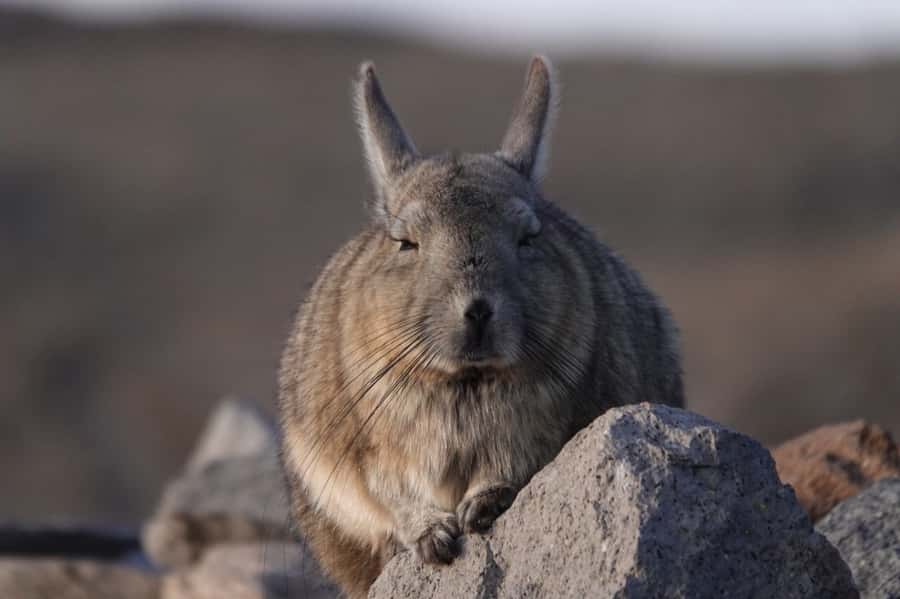
That patience matters in the Atacama. A vizcacha can look like part of a rock pile. A vicuña may be far off against pale ground. Even when an animal is directly in front of you, it is easy to miss without someone trained to spot its shape and movement.
Juan Pablo, also called JP in one account, receives especially warm praise for his work. His strength is not just identifying species. He knows where to look, adjusts the outing around your interests, and can talk about plants, San Pedro, the Atacama region, and Chile more broadly. One solo participant received extra time and a longer outing, though you should not assume every tour will run over its four-hour schedule.
The atmosphere is also less crowded than some of the better-known Atacama stops. You may find very few other vehicles near the wetlands and mountain viewpoints. That gives you a better chance to hear the guide, watch birds without a rush, and enjoy the setting without a parade of minibuses.
Other Atacama desert trips from San Pedro De Atacama:
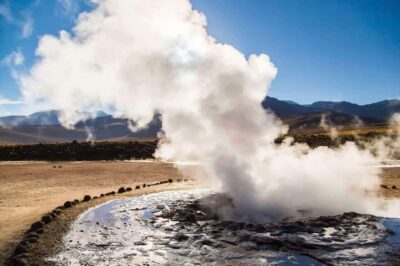
- San Pedro de Atacama: El Tatio Geysers Tour
★ 4.7 · 943 reviews - San Pedro de Atacama: Etno-Stargazing Tour with Transfer
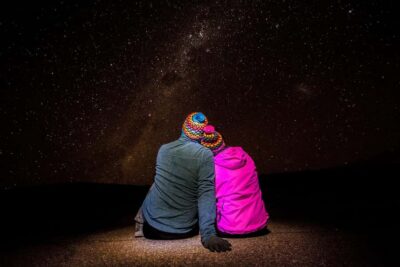
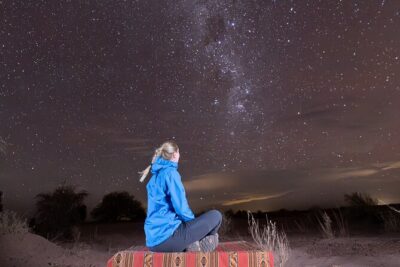
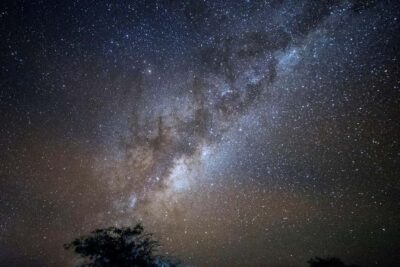
★ 4.8 · 629 reviews - The Roofless Experience San Pedro de Atacama Stargazing Tour
★ 5.0 · 522 reviews
The 45-minute ride to Quirquincho Pass
Hotel pickup starts the tour simply. You are collected in San Pedro de Atacama and driven for about 45 minutes toward the mountains. That road time is part of the experience, but it is also worth considering when planning your day. The tour lasts four hours in total, so roughly the first part is spent reaching the high country rather than observing animals.
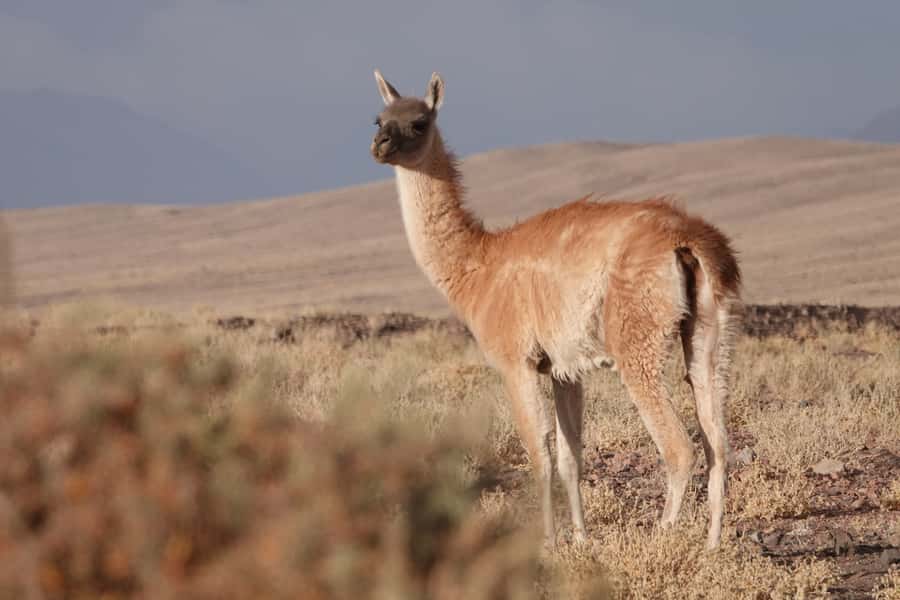
The first major stop is the rocky Quirquincho Pass. This is the place to begin looking for guanacos and vizcachas. Guanacos are large wild camelids with a graceful profile, while vizcachas are smaller, furry animals that can disappear against the rocks. Their camouflage is one reason a trained guide adds real value here.
You will not be guaranteed a particular animal. Wildlife does not follow a timetable, and the supplied information does not promise fixed sightings. Still, the experience is built around finding animals in their natural setting, rather than visiting a captive collection or relying on staged encounters.
This is where the optics become useful. The guide carries binoculars and spotting scopes, and phone adaptors let you connect a smartphone to the scope for longer-distance photographs. You can watch through the scope even if your phone camera is basic. Field guides help you compare species and learn what you are seeing instead of collecting a folder of unidentified animal pictures.
For a keen photographer, Quirquincho Pass offers a good mix of challenge and support. You can work with your own camera settings, or simply use the guide’s equipment to frame and record what appears. The tour is designed for all photography levels, so you do not need a telephoto lens or advanced wildlife skills to take part.
Machuca Village and its highland wetlands
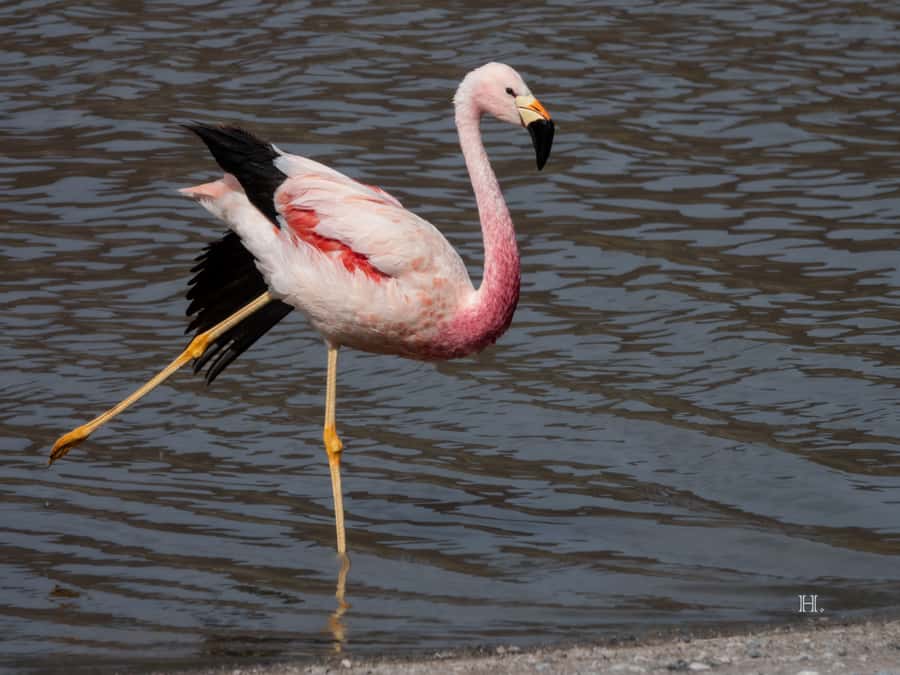
From the pass, the route continues toward the wetlands near Machuca Village. You take a short hike here, with plenty of birdlife to watch. Flamingos are the headline sight, but the area also supports other birds, including species you may not recognize at first.
The walk adds a welcome change from vehicle viewing. You can slow down, scan the wetland, and listen while the guide points out movement. A short hike also makes this section more active, although the tour description does not give a precise distance or difficulty rating. Comfortable shoes are a sensible choice, particularly on rocky or uneven ground.
Flamingos are often the image people hope to capture, and the setting can reward patience. One account describes seeing a large flock, while another highlights flamingos alongside vicuñas, vizcachas, and many other birds. The number and closeness of sightings will vary, but this is clearly one of the strongest parts of the outing for bird photography.
The village of Machuca is also part of the route. You cross through it before continuing higher. The information provided does not promise a formal village visit or a meal, so I would treat Machuca as a scenic passage rather than a separate cultural stop with a planned program.
That distinction helps set expectations. If you want a long village tour, this is not the right experience. If you want to connect a wetland bird stop with a mountain drive and a highland viewpoint, Machuca fits neatly into the day.
The Putana Valley lookout and its 360-degree view
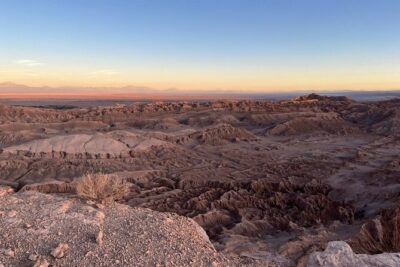
The final major stop is the Putana Valley lookout. Here you can relax with a wide view over the largest wetland in the region, surrounded by high volcanoes. The open sight lines are a major attraction for photographers, but they also give you a better sense of how the Atacama’s wildlife habitats fit together.
The view is not just a backdrop for animal pictures. It shows the contrast between dry, rocky ground, wetland vegetation, distant water, and volcanic peaks. This is the kind of place where you should put the camera down for a moment and take in the scale.
One photography-focused outing took place in the golden light of late afternoon, which suggests that some departure times may work especially well for warm tones and softer shadows. Starting times vary, so check availability for the date you want. Do not book solely on the assumption of a sunset finish unless your confirmed departure supports it.
The lookout is a good place to rest because the tour includes several different viewing environments: rocky pass, wetland trail, village crossing, and high-altitude viewpoint. Four hours can feel full without becoming an exhausting full-day expedition.
The drawback is that the scenery is very open. There is little shelter from sun, wind, or cold, and the highland weather can change the feel of the stop. Bring a hat, sunscreen, and warm layers even if San Pedro feels mild when you leave.
A few more San Pedro De Atacama trips worth comparing side by side
- Safari Park, Wild Experience
★ 5.0 · 407 reviews - From Santiago: Safari Park, a wild experience
★ 4.5 · 20 reviews - Safari Park
★ 5.0 · 8 reviews - Puma Tracking Safari in Torres del Paine
★ 5.0 · 7 reviews
What the photography equipment adds
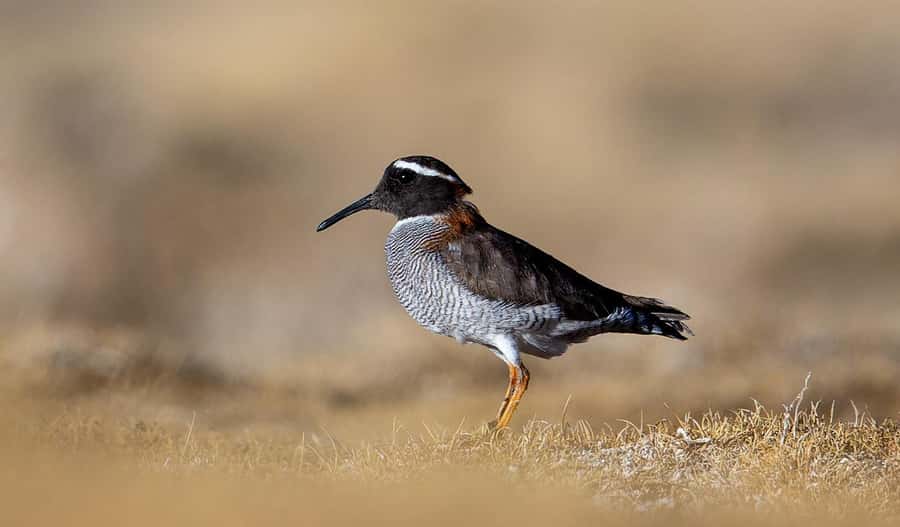
You do not need to own specialist gear to get something from this tour. The guide provides spotting scopes with phone adaptors, binoculars, and field guides covering animals and birds. That package makes the experience more inclusive than a standard scenic drive.
A phone adaptor is particularly practical. Wildlife may be too far away for a normal phone photograph, but the spotting scope can bring the animal into view and help you record a sharper image. The result will depend on your phone, the light, and the distance, but you have a much better tool than a handheld phone alone.
If you bring a dedicated camera, you can still use your own equipment while the guide locates subjects through the scope. The tour does not require you to be a serious photographer. You can join for the animals and scenery, then use the optics as an easy way to see details.
The field guides also turn the tour into a small lesson. You can ask about a bird, check its markings, and understand why it lives around the wetland. That makes each sighting more memorable than simply hearing a name and moving on.
How much time you get with wildlife
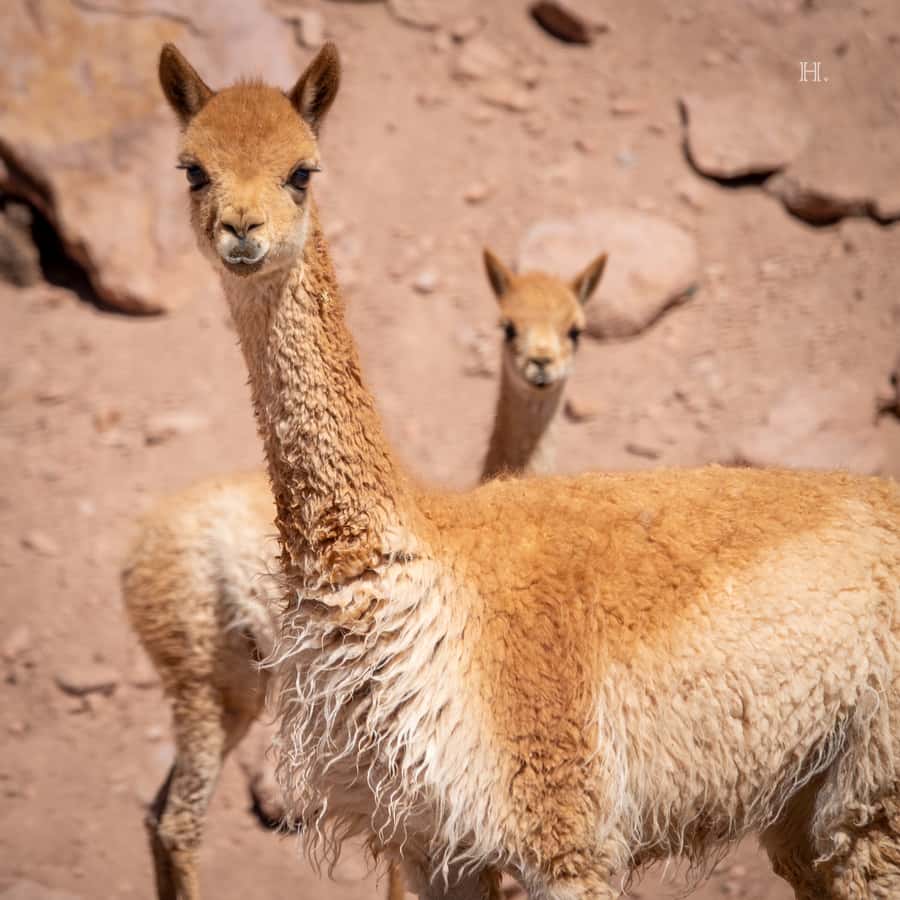
The best feature of the small group is control over the pace. With no more than four participants, the guide can respond to what interests you. If everyone wants birds, the group can give the wetland more attention. If a vizcacha appears, there is less pressure to hurry because a large group is waiting.
This matters for photographs. Wildlife rarely poses on command. A quiet pause may be the difference between a distant glimpse and a usable image. Patricia’s experience captures this benefit well: she valued having time to appreciate the animals, scenery, and light rather than being pushed through a standard sightseeing route.
At the same time, a four-hour tour cannot cover every part of the Atacama in detail. You may see many species, but you should not expect a full scientific survey or a long trek. The route is compact and varied, giving you several chances to find wildlife without turning the day into a major expedition.
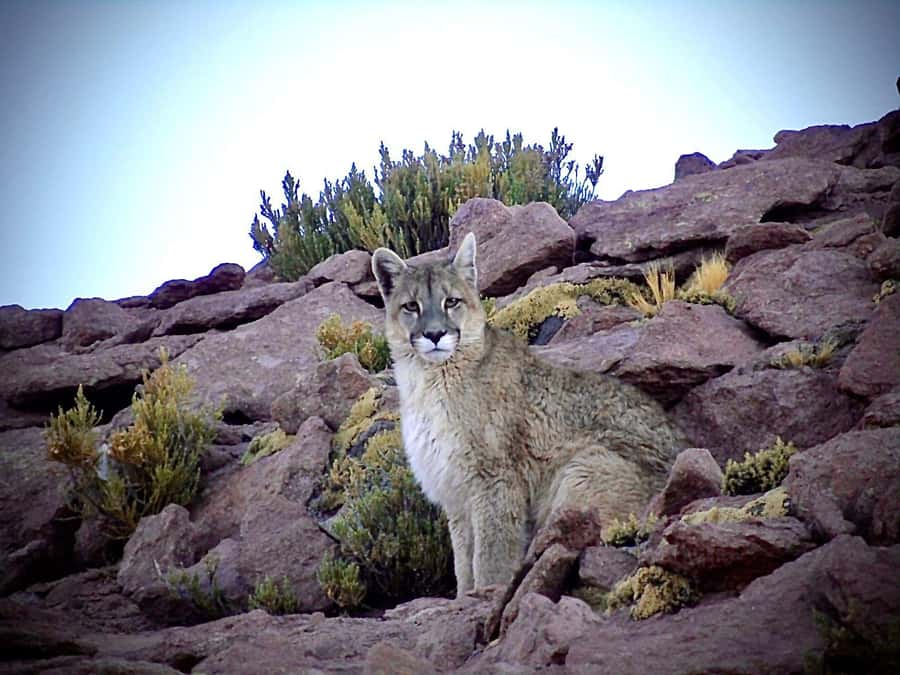
The most commonly reported sightings include vicuñas, guanacos, vizcachas, flamingos, and many other birds. Vicuñas are not listed in the main route description, but repeated accounts show that they are among the animals you might encounter. Nothing is guaranteed, so think of the promise as expert searching in strong habitat, not a fixed animal checklist.
Guide quality and the feel of a private outing
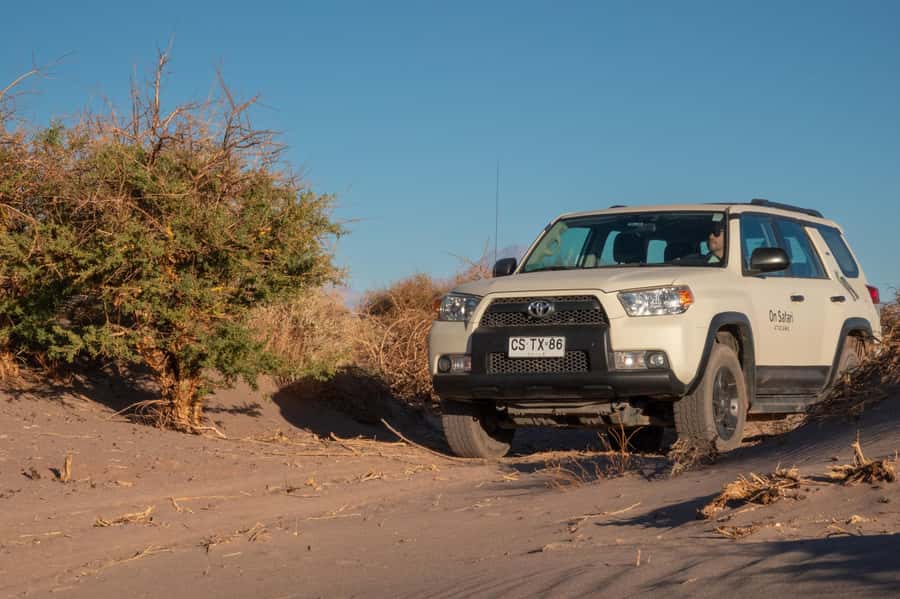
The guide can make or break a wildlife tour, and Juan Pablo is a major reason this experience earns such strong praise. He is described as friendly, passionate, and highly skilled at finding animals. He also takes time to explain what you are looking at, including creatures you might otherwise stare straight past.
His approach seems especially useful if you have a personal goal. One participant wanted a photograph of a vizcacha and got it. Another solo participant appreciated being asked what interested them before the guide shaped the outing around those wishes.
That does not mean you receive a private tour every time. The standard group is limited to four, and one-person departures may depend on the operator’s decision. Still, even a full small group should feel more personal than a large coach excursion.
English, Spanish, and Portuguese are available. You should select the language you need when checking the tour. The bilingual fauna guide is a practical advantage because animal identification often depends on small details, and clear explanations add much to the outing.
Price, comfort, and who gets the best value
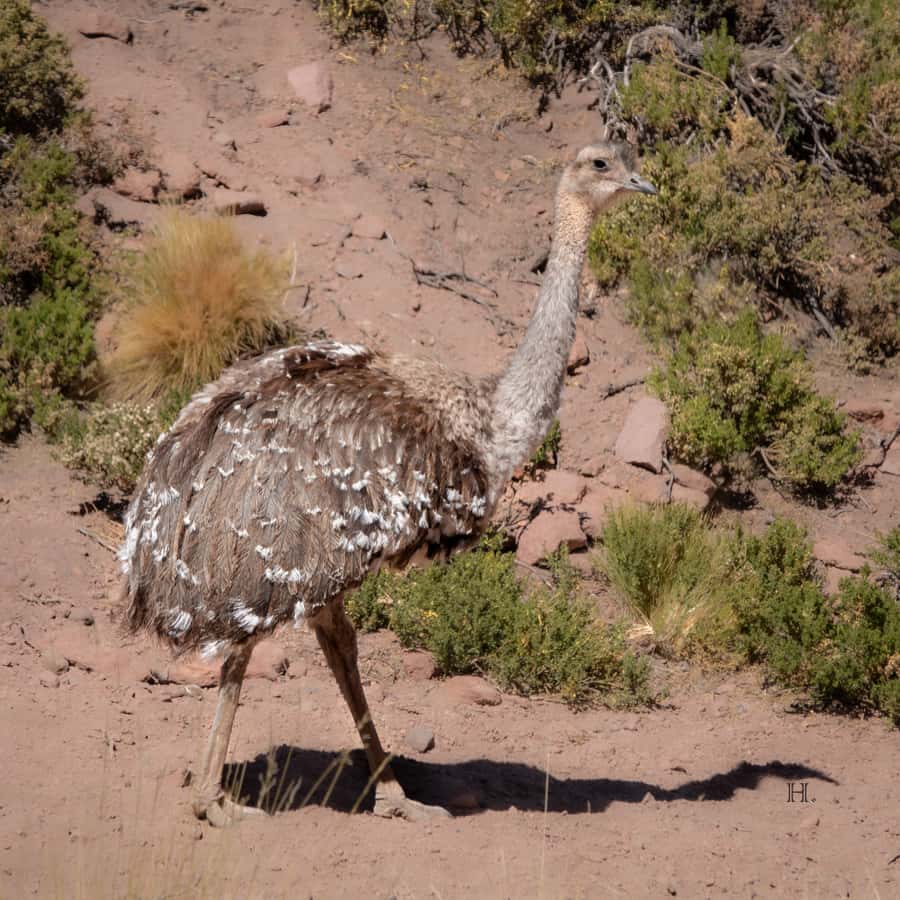
At $145 per person, this is not the cheapest way to see the Atacama. I think the price makes the most sense if you value expert wildlife spotting, photography support, hotel transport, and a small group. You are paying for access to a guide who knows where to search, not just for a ride to a viewpoint.
The included equipment also improves the value. Buying or renting a spotting scope and arranging a specialist wildlife guide separately could cost more and take extra planning. If you already have excellent camera gear and know the area well, the value may feel less obvious. For most visitors, the guide’s local skill is the key part of the purchase.
Hotel pickup and drop-off remove another practical problem. You do not need to arrange transport to a remote starting point, and the four-hour length leaves room for other activities in San Pedro. The tradeoff is the early mountain drive and the need to dress for conditions that may be colder than town.
This tour suits:
- Adults and children aged 12 or older who enjoy animals and open scenery
- Beginners who want help using binoculars or a spotting scope
- Experienced photographers seeking wildlife subjects and broad volcanic views
- Birders who prefer quiet observation over a rushed sightseeing schedule
- Solo participants who value a small group and personal attention
It may not suit you if you want a relaxed town activity, a long cultural visit in Machuca, or a guaranteed close-up animal encounter. It is also a poor fit if you dislike cold, sun, uneven ground, or time in a vehicle.
What to bring for the high country
Pack for changing conditions rather than for the temperature in San Pedro. The required list is short, but each item matters:
- Comfortable shoes for the short wetland hike
- Warm clothing for the mountain stops
- A hat for sun protection
- Sunscreen for the exposed terrain
Bring your own camera or phone if photography is your main aim, but do not worry if you lack a long lens. The spotting scope and phone adaptor are included. Binoculars and field guides are also supplied, so you can travel light.
I would keep your schedule flexible after the tour if possible. The stated duration is four hours, but one outing ran longer when the guide had time to continue. That extra attention can be welcome, though you should allow a little breathing room rather than booking a tight connection afterward.
Free cancellation is available up to 24 hours before departure for a full refund, and you can reserve now and pay later. Those terms help if your Atacama plans depend on weather or changing departure times.
Should you book the San Pedro wildlife safari?
Book it if you want to see the Atacama through its animals, not only through its famous viewpoints. The strongest reasons are the small four-person group, Juan Pablo’s skill at spotting well-camouflaged wildlife, the useful optical equipment, and the variety packed into four hours.
I would give it priority if you are a bird photographer, a first-time wildlife watcher, or a visitor who wants a quieter alternative to a standard group excursion. The tour also works well for a solo participant, though you should not assume you will always have the vehicle to yourself.
Skip it if your main goal is an extended Machuca cultural visit, a guaranteed flamingo close-up, or a completely easy ride with no walking. For everyone else, $145 buys a focused and personal look at the highland wildlife of northern Chile, with enough scenery to make the drive worthwhile.
FAQ
How long is the San Pedro de Atacama wildlife tour?
The tour lasts four hours. The drive from your hotel to the mountain area takes about 45 minutes.
What animals might I see?
You might see guanacos, vicuñas, vizcachas, flamingos, and several other types of birds. Sightings are not guaranteed because the animals are wild.
Is hotel transportation included?
Yes. Pickup from and drop-off at your hotel are included.
What languages does the guide speak?
The tour is available with a live guide in English, Spanish, or Portuguese.
How large is the group?
The group is limited to four participants.
Is photography equipment provided?
Yes. The tour provides spotting scopes with phone adaptors, binoculars, and field guides for fauna and birds.
Can children join the tour?
Children under 12 are not permitted to join.
More Wildlife in San Pedro De Atacama
- Punta Arenas: Dolphin & Wildlife Watching
★ 4.1 · 45 reviews - Private Pumas and Wildlife Watching Experience
★ 5.0 · 11 reviews - Kayaking with Whales and Wildlife Watching From Punta Arenas
★ 4.5 · 6 reviews - Punta Arenas: Austral Dolphin & Wildlife Watching Boat Tour
★ 5.0 · 4 reviews
More Photography Sessions in San Pedro De Atacama
- San Pedro de Atacama Stargazing Tour with Photos and Drinks
★ 3.0 · 2 reviews - Volcanic Hot Springs Stargazing Night Tour Experience With Photos
★ 5.0 · 4 reviews - Night walk with astro photography
★ 4.5 · 3 reviews
Just added around San Pedro De Atacama
- Vallecito★ 4.7 · 13 reviews
- Atacama Desert and Magic Bus Visit★ 4.8 · 15 reviews
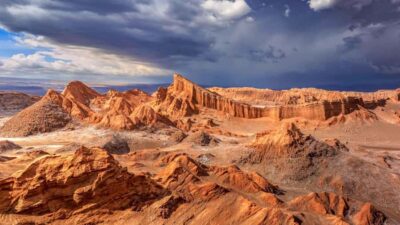
- San Pedro de Atacama: Valle de la luna★ 3.0 · 3 reviews
- Valle de la Luna: A Moon-Like Escape in Atacama★ 5.0 · 3 reviews
- 3 Perfect Days in Atacama + Transfer★ 4.5 · 3 reviews
- Atacama Stargazing Tour Under One of the World’s Clearest Skies★ 4.0 · 3 reviews
- Valley of the Moon In San Pedro de Atacama★ 4.5 · 9 reviews
- Moon Valley Tour, the Best Seller★ 4.5 · 2 reviews
Atacama Desert Tours, compared.
The Roofless Experience San Pedro de Atacama Stargazing Tour
Read our review →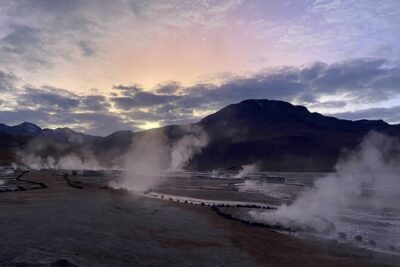
Browse the lists this tour appears in