
Reviewed · ATACAMA DESERT TOURS
San Pedro de Atacama: Etno-Stargazing Tour with Transfer
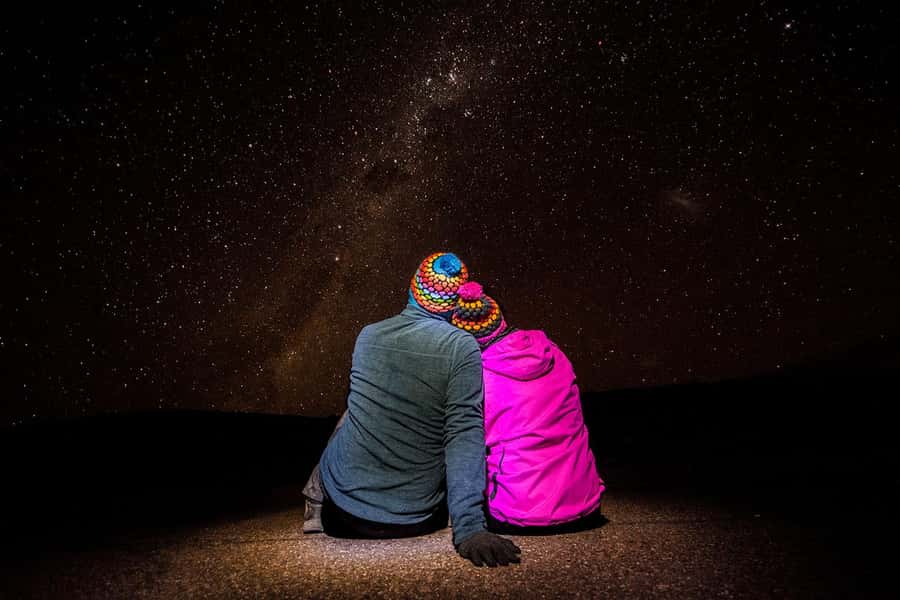
The desert sky puts on a free show. This 150-minute evening tour combines telescope viewing with an Andean interpretation of the stars, making it more than a quick look at the Southern Hemisphere sky. I like the chance to study planets, solar-system objects, deep-space targets, and constellations with an astronomy guide. I also like the second half, which connects the Milky Way and dark spaces between the stars with animals, rivers, water, daily schedules, and life after death in Indigenous Andean thought.
The main drawback is practical: the guide speaks Spanish only, and the promised sky image is sent by email but has not always arrived. If you want a polished, multilingual astronomy event, this may feel limited. If you can follow Spanish and want a low-cost introduction to both astronomy and Andean sky culture, it offers good value at $45.
In This Review
- Key points to know before booking
- Why the Atacama night sky suits this tour
- The first 75 minutes: a Western astronomy view
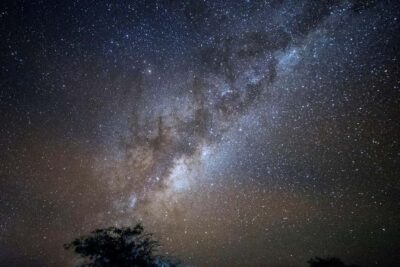
- The second view: Andean ideas written across the Milky Way
- Telescopes, constellations, and the hands-on part
- Pickup, return, and the 150-minute schedule
- Is $45 a fair price?
- Who will enjoy this experience most?
- Booking tips for a better night
- FAQ
- Where does the stargazing tour take place?
- How long does the tour last?
- What language is the live tour guide?
- Are transfers included?
- Can I use the telescope?
- What does the tour cover?
- Is food or drink included?
- Should you book it?
Key points to know before booking
- Two ways to read the sky: The tour first uses Western astronomy, then turns to Indigenous Andean ideas about the heavens.
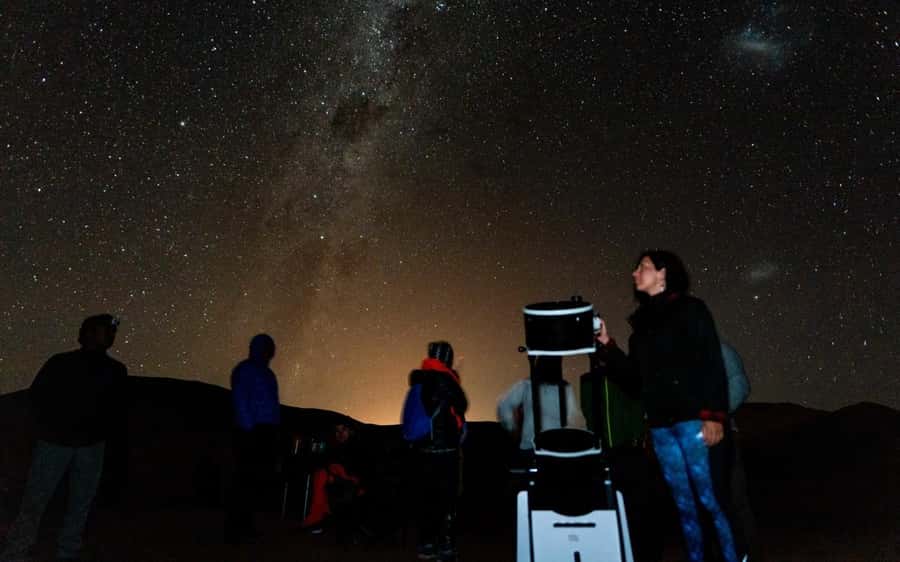
- Several telescopes may be available: One booking reported having access to many telescopes, a real plus for a group activity.
- San Pedro transfers are included: Pickup and return within San Pedro de Atacama make the evening easier to manage.
- The tour lasts 150 minutes: That gives enough time for explanation, telescope use, and the cultural section without turning the night into a long ordeal.
- Spanish is the only listed tour language: You should be comfortable following a live explanation in Spanish.
- The included photo needs follow-up: The sky image is supposed to arrive by email, but one booking reported never receiving it.
Why the Atacama night sky suits this tour
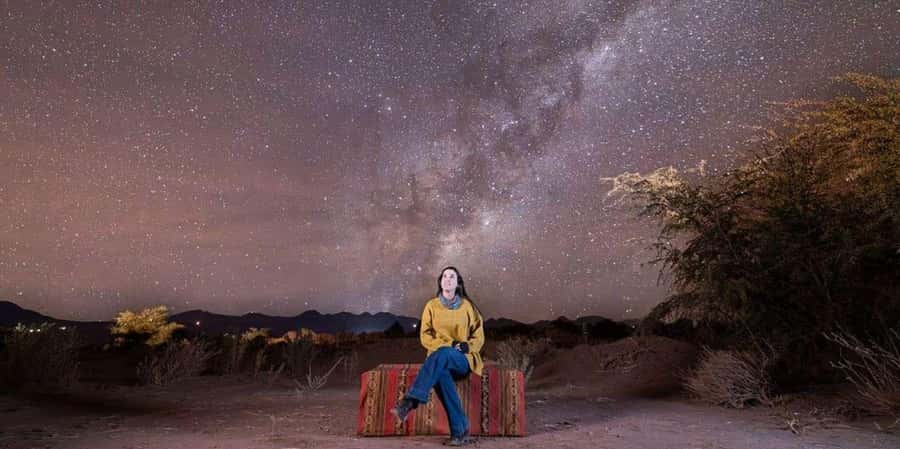
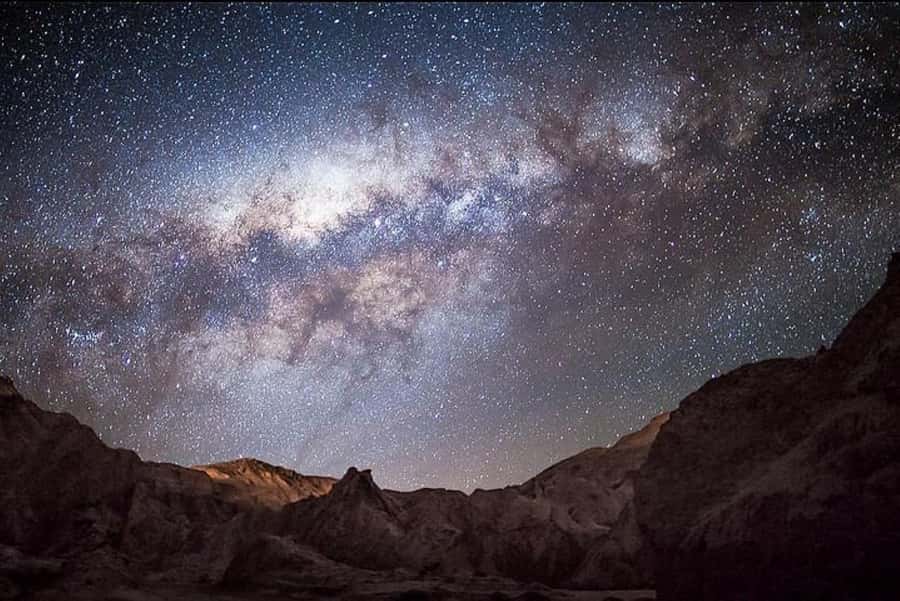
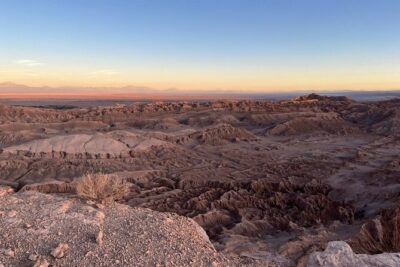
San Pedro de Atacama is in northern Chile, an area famous for exceptionally clear skies. That matters because stargazing depends on darkness and visibility, not just on owning a telescope. Here, the setting gives the guide a strong natural subject before the equipment even comes out.
You are not simply looking at a bright full moon or a few easy stars. The program is designed to show the brightness of stars, their planets, familiar constellations, objects in our solar system, and targets farther away in deep space. The exact objects available can change with the night sky, but the tour gives you a structured way to understand what you are seeing.
I like that the experience does not treat astronomy as a silent exercise in pointing at dots. The guide explains the cosmos and its formation, so the telescope becomes a tool for learning rather than just a camera with a long lens. You get context for the view, which is especially useful if you do not already know the difference between a planet, a star, and a distant deep-space object.
The sky itself is the major attraction, but the guide’s job is to help you notice more. Without explanation, even a clear sky can feel like a wall of similar lights. With a guide, you have a better chance of connecting individual stars and constellations to a larger picture.
More Stargazing Tours in San Pedro de Atacama
- San Pedro de Atacama: Etno-Stargazing Tour with Transfer
★ 4.8 · 629 reviews - The Roofless Experience San Pedro de Atacama Stargazing Tour
★ 5.0 · 522 reviews - San Pedro de Atacama: Stargazing Experience
★ 4.7 · 489 reviews
The first 75 minutes: a Western astronomy view
The first part takes a Western astronomy approach. You learn about the universe, star brightness, planets, and the formation of the cosmos before using the telescope to examine selected objects.
That order makes sense. The explanation gives you a basic map, and the telescope then gives you something concrete to inspect. You might look at an object in the solar system, a constellation, or something in deep space, depending on the conditions and the guide’s plan for the evening.
The telescope is not described as a self-service setup. You use it with help from the astronomy guide. That is important for beginners, since a telescope can be surprisingly awkward at first. A small adjustment can change the view completely, and the guide’s assistance should save you from spending the whole session searching for the object.
One booking praised the number of telescopes available during the experience. That suggests the equipment is a real strength, especially if several people need a turn. Having access to multiple telescopes can make the session feel more active and reduce the sense that everyone is waiting for one person to finish.
Still, you should keep your expectations sensible. Telescope viewing is weather-dependent and tied to what is visible at that time of night. The information provided does not promise a fixed list of planets or deep-space objects. The value is in the guide, the setting, and the chance to view available targets rather than in a guaranteed checklist.
The scientific portion should suit first-time stargazers best. If you already know a great deal about astronomy, you may find the introductory explanations familiar. Even then, the Southern Hemisphere sky can offer a different point of reference, and the Andean section gives the evening a second layer.
The second view: Andean ideas written across the Milky Way
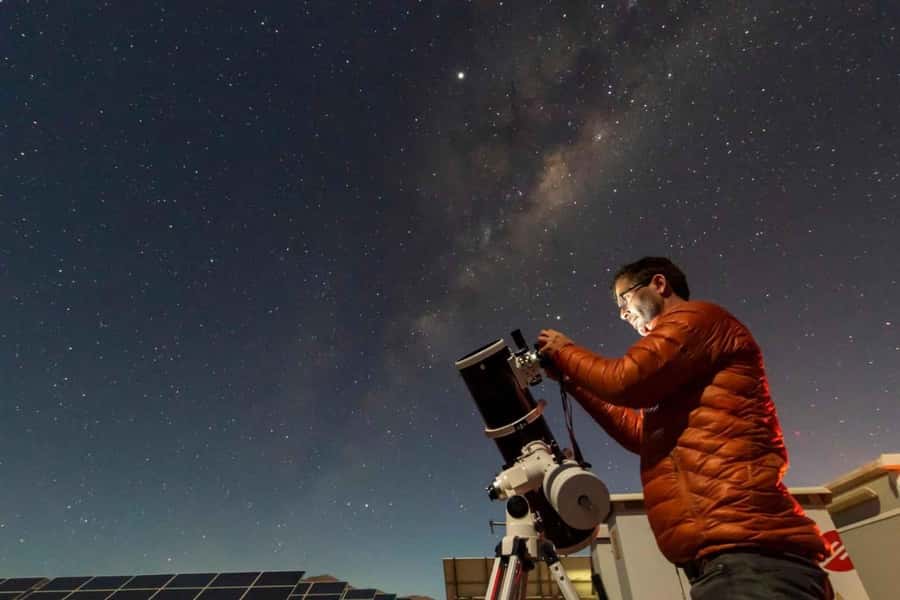
The tour then changes direction. Instead of asking only what an object is, it asks what the night sky meant to the ancient inhabitants of the Andes.
Long before Spanish arrival, Indigenous observers studied the heavens and interpreted the objects above them. In the black spaces between stars, they saw figures and patterns linked to animals, water, rivers, timetables, daily life, and existence after death.
This is the part that gives the experience its name and its character. Western astronomy often focuses on bright objects, measured distances, and physical formation. The Andean perspective also pays attention to the dark areas of the sky and the meaning people found there. That difference can change how you look upward.
I find this cultural shift especially useful because it prevents the evening from becoming only a technical demonstration. You are shown two systems for making sense of the same sky. One examines planets and deep space through instruments. The other connects the heavens with seasonal rhythms, practical life, animals, water, and spiritual ideas.
The supplied details do not identify a specific Indigenous community or provide the name of the guide. You should therefore treat this as a broad introduction to Andean astronomy rather than a specialist cultural lecture focused on one named tradition. The quality of this section will depend heavily on the guide’s Spanish explanation and ability to provide clear context.
For you, the best approach is to listen for the relationship between the stars and everyday life. The point is not only to memorize figures in the sky. It is to understand that astronomy has always been tied to farming, navigation, calendars, ceremony, and ideas about what lies beyond death.
Telescopes, constellations, and the hands-on part
The telescope portion is the most tangible feature of the tour. You do not just watch the guide operate equipment from a distance. You are invited to use the telescope with help from the guide, which makes the session more engaging.
Several telescopes were available during one booking, and that detail deserves emphasis. Equipment can make or break a group stargazing event. If the tour has enough telescopes in use, you may get more than a brief glance through one eyepiece before moving aside.
The guide also helps you identify constellations and bright stars. That guidance matters because the Atacama sky can offer far more detail than you can process at once. You may see full, bright constellations, but the tour’s purpose is to help you understand their place in a wider celestial picture.
The phrase bright constellations should not be read as a guarantee that every object will appear equally clear on every date. Conditions change, and the tour information does not specify a particular astronomical calendar. Think of the equipment and instruction as the reliable part, while the exact night’s targets remain flexible.
Coffee and cookies are included. This is a small touch, but it matters during a late outdoor activity. A warm drink and something simple to eat can make the experience more comfortable, especially after the first stretch of standing and looking upward.
Other Atacama desert trips from San Pedro De Atacama:
- San Pedro de Atacama: El Tatio Geysers Tour
★ 4.7 · 943 reviews - Half Day Tour to Geysers del Tatio
★ 5.0 · 499 reviews - San Pedro Atacama: Baltinache Lagoons
★ 4.6 · 359 reviews - San Pedro de Atacama: Valle de la Luna Guided Tour
★ 4.4 · 312 reviews
Pickup, return, and the 150-minute schedule
Pickup and drop-off in San Pedro de Atacama are included. That is useful because you do not need to arrange separate evening transport for the activity. It also makes the tour easier to fit into a short stay, when each outing needs to run without much fuss.
The total duration is 150 minutes, or two and a half hours. That is long enough to divide the evening between the Western astronomy section and the Andean cultural section, with time for telescope use and refreshments.
The available details do not give an exact pickup time, departure point, group size, or precise observing location. You should check the available start times when booking and confirm where pickup will occur if your accommodation sits outside the normal San Pedro area.
The transfer is not just a minor convenience. Night activities in the desert can be difficult to arrange independently, particularly if you do not have your own transport. The included return also means you can focus on the sky instead of watching the clock for a ride back.
Is $45 a fair price?
At $45 per person, the tour is priced as an accessible introduction rather than a high-end observatory program. Your fee covers the return transfer in San Pedro, a specialized astronomy guide, telescope equipment, coffee, cookies, and a sky image sent by email.
That package gives the price reasonable value. A private astronomy lesson with transport would likely cost more, while a simple self-guided look at the stars would give you none of the explanation or cultural context. Here, you pay for structure, equipment, and interpretation.
The strongest value comes from the two-part format. Many stargazing activities focus only on planets and constellations. This one adds an Andean story about the Milky Way and the meaning of dark spaces, so you are getting a cultural lesson as well as a telescope session.
There are two limitations. First, the only listed language is Spanish. If you cannot follow Spanish, the central explanations may lose much of their value. Second, gratuities are not included, so you should allow for a tip if you feel the guide provided good service.
The emailed sky image is a nice extra, but I would treat it as a bonus rather than the reason to book. One booking reported that the photo never arrived, even though the telescope selection was a strong point. If the image matters to you, check your email afterward and contact the provider, Inspires Viagens, if it does not appear.
Who will enjoy this experience most?
I would recommend this tour to first-time stargazers, couples, families, and anyone who wants a guided introduction to the Atacama night sky. It is also a good choice if you want your astronomy outing to include local cultural ideas rather than only technical facts.
Spanish-speaking visitors are the clearest match because the live guide speaks Spanish. If you are learning Spanish or can follow a basic spoken explanation, the visual nature of the activity may still help, but the tour’s educational value depends on understanding the guide.
The tour may be less suitable for an experienced astronomy enthusiast who wants advanced astrophysics, a guaranteed list of celestial targets, or a highly specialized observatory experience. The supplied description points to a broad and accessible introduction.
It also suits anyone who values convenience. Pickup and drop-off in San Pedro remove a transport task, and the 150-minute length gives you a complete evening activity without taking up an entire night.
Booking tips for a better night
Check the available starting times before you commit, since the schedule is not fixed in the information provided. Leave room around the activity rather than booking another time-sensitive event immediately afterward.
Confirm that your email address is correct, especially if you want the promised sky image. Since one booking did not receive the photo, keep the provider’s details and follow up if it fails to appear.
You can cancel up to 24 hours before the activity for a full refund, and the reserve-now-pay-later option lets you hold a place without paying immediately. Those terms are helpful if your Chile itinerary is still shifting.
FAQ
Where does the stargazing tour take place?
The activity is based in San Pedro de Atacama in northern Chile, with pickup and drop-off included in San Pedro de Atacama.
How long does the tour last?
The tour lasts 150 minutes, or two and a half hours.
What language is the live tour guide?
The listed tour language is Spanish.
Are transfers included?
Yes. Pickup and drop-off in San Pedro de Atacama are included.
Can I use the telescope?
Yes. You can use the telescope with assistance from the astronomy guide.
What does the tour cover?
It covers Western astronomy, including stars, planets, solar-system objects, deep-space objects, constellations, and the formation of the cosmos. It also explains how ancient Andean inhabitants interpreted the Milky Way and the night sky.
Is food or drink included?
Coffee and cookies are included. Gratuities are not included.
Should you book it?
Book this tour if you want an affordable, guided introduction to the Atacama sky with two distinct viewpoints: modern Western astronomy and Indigenous Andean sky interpretation. The multiple-telescope setup, included transfers, refreshments, and 150-minute schedule make the $45 price sensible.
Skip it if you need an English-language guide, guaranteed access to specific planets, or a dependable souvenir photo. For everyone else, especially Spanish-speaking visitors who want more than a quick look through a telescope, this offers a thoughtful way to spend a dark desert evening.
More Private Drivers in San Pedro De Atacama
- San Pedro de Atacama: Stargazing Experience with Transfer
★ 3.5 · 8 reviews - Private Transfer to Calama Airport (CJC)
★ 5.0 · 5 reviews - Puritama Hot Springs Experience with Transfer and Entrance
★ 5.0 · 5 reviews - 3 Perfect Days in Atacama + Transfer
★ 4.5 · 3 reviews
Just added around San Pedro De Atacama
- Vallecito★ 4.7 · 13 reviews
- Atacama Desert and Magic Bus Visit★ 4.8 · 15 reviews
- San Pedro de Atacama: Valle de la luna★ 3.0 · 3 reviews
- Valle de la Luna: A Moon-Like Escape in Atacama★ 5.0 · 3 reviews
- 3 Perfect Days in Atacama + Transfer★ 4.5 · 3 reviews
- Atacama Stargazing Tour Under One of the World’s Clearest Skies★ 4.0 · 3 reviews
- Valley of the Moon In San Pedro de Atacama★ 4.5 · 9 reviews
- Moon Valley Tour, the Best Seller★ 4.5 · 2 reviews
Atacama Desert Tours, compared.
The Roofless Experience San Pedro de Atacama Stargazing Tour
Read our review →
Browse the lists this tour appears in