
Reviewed · ATACAMA DESERT TOURS
Astronomic Tour Experience from San Pedro de Atacama
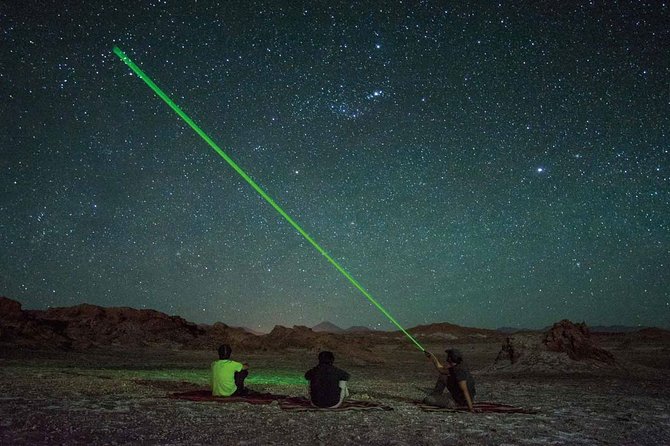
The desert gets dark, then comes alive. This three-hour astronomy outing takes you from central San Pedro de Atacama to Coyo, where the dry air and open sky create a fine setting for star watching. I like the mix of professional equipment and naked-eye viewing, and I like that the guide explains both astronomy and Andean ideas about the heavens. The main drawback is timing: the 9 p.m. start and late return may feel tiring after a full day of desert trips.
I also like the small maximum group of 15, the air-conditioned transfer, and the included coffee and snack during the break. But you should pay close attention to the meeting instructions. One booking ended badly after the guest could not locate the pickup point or reach the operator, so keep the emergency number from your confirmation handy and arrive early.
In This Review
- Key points to know before you book
- Why San Pedro is a fine base for stargazing
- Leaving San Pedro at 9 p.m.
- Coyo and the first look at the night sky
- The 20-minute coffee break
- Naked-eye viewing and two ways of reading the sky
- What the moon can do to your night
- Price, group size, and what you receive
- Who will enjoy this Atacama night
- Booking advice and cancellation terms
- Should you book this astronomy tour?
- FAQ
- Where does the astronomy tour start?
- What time does the tour begin?
- How long does the experience last?
- Where does the tour go?
- What languages are offered?
- What happens during the equipment session?
- Is there a break during the tour?
- What happens during the second talk?
- How many people can join the tour?
- Is transportation included?
- Can I cancel for a refund?
Key points to know before you book
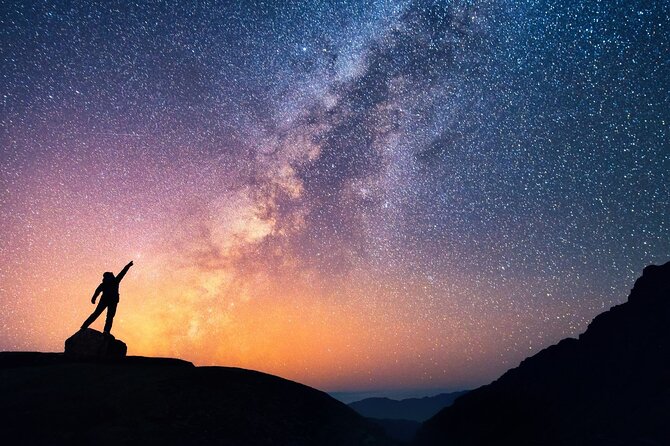
- Coyo gives you an open desert sky: The tour leaves San Pedro for a special sector in the Ayllú de Coyo, away from the town center.
- Two astronomy talks share the evening: One uses equipment to examine stars and planets, and the other explains constellations visible to the naked eye.
- Greek and Andean sky stories are both included: You learn how different cultures interpreted the same stars and thought about life after death.
- The tour lasts about three hours: The evening includes transport, roughly 50 minutes with equipment, a 20-minute break, and another 50-minute talk.
- The group is capped at 15 people: That is a useful limit for asking questions and getting a look through the equipment.
- A full moon can change the show: The guide can still teach you a great deal, but bright moonlight may make faint stars and Milky Way details harder to see.
Why San Pedro is a fine base for stargazing
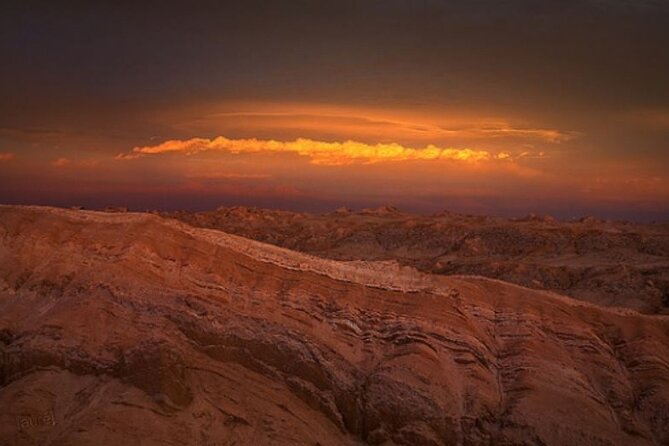
San Pedro de Atacama is famous for desert trips by day, but the night sky is its own reason to stay after sunset. The town sits in northern Chile’s Atacama region, and this experience takes you away from the central streets to Coyo, a sector within the local Ayllú de Coyo area.
That change of setting matters. In town, streetlights and buildings compete with the sky. At Coyo, the point is to look upward across a broad, dark desert setting. I would not treat the ride as a long sightseeing excursion. Its value is simple: it gets you to a more suitable place for astronomy without asking you to arrange transport yourself.
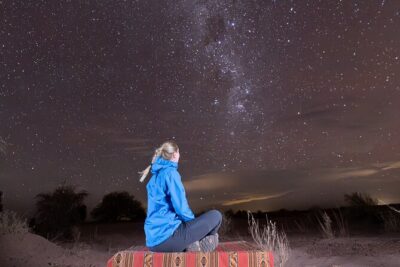
The southern hemisphere also gives you stars and constellations that may be unfamiliar if you usually watch the sky from North America or Europe. The Southern Cross is one feature specifically appreciated during the experience. Seeing a familiar-looking sky turned upside down, or meeting constellations you do not normally see, gives this tour a real sense of place.
The setting is not only scenic. It is part of the lesson. The guide connects the night sky to Greek ideas and Andean cosmology, so you are not simply being shown distant objects through a telescope. You are also learning how people have used the stars to describe culture, time, death, and the shape of the universe.
More Stargazing Tours in San Pedro de Atacama
- San Pedro de Atacama: Etno-Stargazing Tour with Transfer
★ 4.8 · 629 reviews - The Roofless Experience San Pedro de Atacama Stargazing Tour
★ 5.0 · 522 reviews - San Pedro de Atacama: Stargazing Experience
★ 4.7 · 489 reviews
Leaving San Pedro at 9 p.m.
The meeting point is Caracoles 195 in San Pedro de Atacama, and the scheduled start is 9 p.m. From there, an air-conditioned vehicle takes you to Coyo and returns you to the same meeting point at the end.
I would arrive with time to spare. The supplied information gives one fixed starting point, but one person reported a last-minute meeting-point problem and an inability to contact the operator. The operator disputed that account and said the location had not changed, but the practical lesson is still useful: check your confirmation, keep the emergency contact number accessible, and do not leave the meeting point at the last second.
The transfer is included, which helps justify the price. You do not need to arrange a taxi to an outlying desert sector, and you can return to central San Pedro in the same organized vehicle. That is especially useful at night, when finding independent transport can be difficult.
The experience is offered in English. If you are comfortable learning technical ideas and cultural stories in English, that should work well. One person who knew less English enjoyed seeing the Southern Cross but did not understand everything, so language ability is worth considering before you pay.
Coyo and the first look at the night sky
The first section takes place in Coyo and lasts about two hours when the break and both talks are counted together. The group divides into two smaller groups, allowing one group to begin with equipment while the other follows the rotation. This arrangement helps prevent everyone from crowding around one viewing point at once.
The equipment session runs for about 50 minutes. Here, you look at the sky through professional astronomy equipment while the guide explains what you are seeing. The topics include the distance of stars from Earth, their size, and their temperature.
That information gives the viewing some useful scale. A bright point in the sky can look tiny and close, even though it may be vastly larger than Earth and separated from us by an enormous distance. The equipment gives you a closer view, while the explanation helps you understand what the view means.
I like this part because it avoids the common problem of astronomy outings that simply point at objects and name them. You are given basic science along with the view. The exact objects visible will depend on the date, conditions, and the moon, so you should not expect a fixed list of planets or stars every night.
The group size is limited to 15 people in total. That does not guarantee constant one-on-one attention, but it is a sensible ceiling for a telescope-based activity. If you have a question, ask it. A small group works best when you take advantage of the guide’s time rather than quietly waiting for the next object.
The 20-minute coffee break
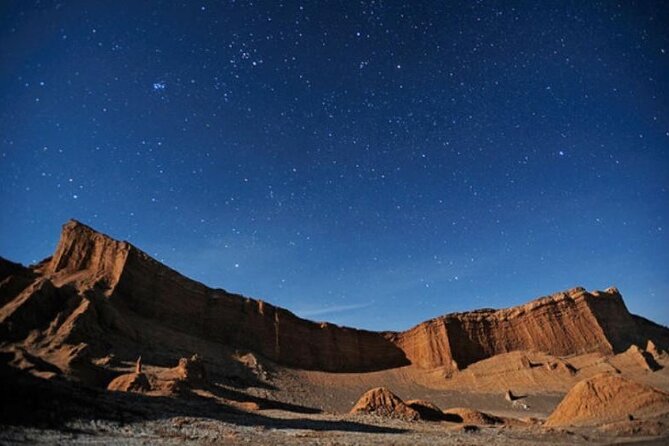
After the equipment talk, you get a break of about 20 minutes with coffee and a snack. These are modest inclusions, but they matter in the Atacama night, especially after standing outside in the dark and dry air.
The tour description does not specify the type of coffee, snack, or any dietary options, so I would not book this expecting a full meal. Meals and drinks beyond the stated snack are not included. Eat beforehand if you need dinner, and bring any specific food or drink you require.
The break also gives your eyes and attention a rest. Astronomy asks you to listen, look carefully, and adjust to darkness. A short pause between the two talks keeps the evening from becoming one long block of information.
Other Atacama desert trips from San Pedro de Atacama:
- San Pedro de Atacama: El Tatio Geysers Tour
★ 4.7 · 943 reviews - Half Day Tour to Geysers del Tatio
★ 5.0 · 499 reviews - San Pedro Atacama: Baltinache Lagoons
★ 4.6 · 359 reviews - San Pedro de Atacama: Valle de la Luna Guided Tour
★ 4.4 · 312 reviews
Naked-eye viewing and two ways of reading the sky
The second talk lasts about 50 minutes and uses no equipment. Instead, the guide points out the constellations that are visible at that time and helps you recognize them with your own eyes.
This is an important part of the evening. Telescopes show detail, but naked-eye viewing teaches you how to orient yourself under the sky. You begin to see patterns rather than isolated points of light. The Southern Cross is a highlight mentioned specifically by one participant, and it can be a memorable marker for anyone new to the southern sky.
The cultural section adds another layer. You learn about Greek and Andean views of the constellations, their cultures, and their ideas about life after death. The same stars can carry different meanings depending on who is looking upward. That contrast gives the talk more character than a simple list of star names.
I especially like the Andean focus because it connects the experience to northern Chile rather than making it feel like a generic astronomy presentation that could happen anywhere. The tour does not only show you the sky above the Atacama. It also explains how local traditions have understood that sky.
There is a small tradeoff. If you want a highly technical astronomy session with long telescope time, half of this experience may feel more cultural and introductory than scientific. If you want both science and storytelling, the split works well.
What the moon can do to your night
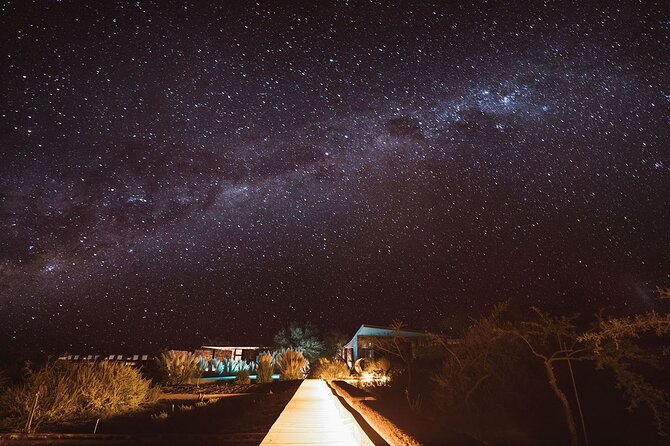
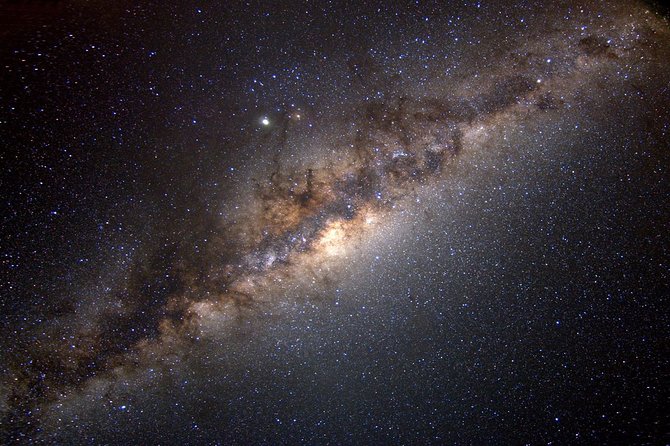
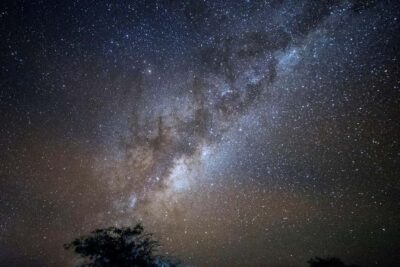
The moon is the biggest natural variable in this experience. A full moon can be beautiful, but its light can wash out faint stars and reduce the contrast of the Milky Way. One person booked close to a full moon and still found the evening enjoyable because the guide adjusted the teaching and made good use of the conditions.
That is a useful way to think about the booking. Do not judge the tour only by the promise of a dramatic Milky Way photograph. A moonlit night may offer a different kind of viewing, while a darker night should give faint stars a better chance to appear.
The supplied information does not provide a moon calendar or guarantee a particular constellation, planet, or photograph. You can ask about the lunar phase before booking, but even that will not control clouds or other sky conditions.
The guide’s role matters most on a less-than-perfect night. A good explanation can turn limited visibility into a worthwhile lesson. The strongest praise for this experience centers on the guide’s clear teaching, passion for astronomy, and strong English. That is encouraging, but you should still keep your expectations realistic: the sky itself cannot be scheduled like a museum exhibit.
Price, group size, and what you receive
At $104.07 per person, this is not the cheapest evening activity in San Pedro. Its value comes from the combination of transport to Coyo, an English-speaking professional guide, astronomy equipment, two distinct talks, a coffee and snack break, and a return to the central meeting point.
You are paying for an organized night outside town, not just a drive into the desert. If you would otherwise need to arrange transport and find a safe, suitable place for stargazing, the package becomes easier to justify. The maximum of 15 people also keeps it from feeling like a very large bus outing.
The price is less convincing if your main goal is simply to photograph the Milky Way. No camera package, meal, or special photo service is clearly included in the stated inclusions. One person did look forward to receiving an individual photograph taken during the session, and another praised the wonderful photos, but the official details do not explain the photography service or promise a photo for every person.
I would book this for the teaching and access to the sky first. Treat any photograph as a possible extra rather than the central reason to go.
Who will enjoy this Atacama night
I think this suits you best if you want a guided introduction to astronomy rather than a silent, technical observing session. Families, couples, friends, and solo visitors can all fit the format, and most people can participate according to the supplied information.
It is also a good choice if you want a cultural connection. The Greek and Andean material gives the night more meaning, and the southern hemisphere sky provides something genuinely different from the one you may know at home.
You may want to choose another activity if you dislike late starts, struggle with English instruction, or need a full meal included. The evening starts at 9 p.m., runs about three hours, and ends back at the original meeting point. The details do not state the exact return time, but a roughly midnight finish is a reasonable possibility based on the duration.
Bring patience and practical clothing for a desert night. The supplied details do not list a clothing requirement, so I cannot promise the temperature or conditions. I would still prepare for an outdoor evening and avoid assuming that a warm daytime visit means a warm night.
Booking advice and cancellation terms
Confirmation is provided at booking, and free cancellation is available if you cancel at least 24 hours before the local start time. A cancellation inside that window is not refunded, and changes made within 24 hours are not accepted.
The experience is available with a mobile ticket, which makes it easy to keep the booking details on your phone. I would also save the meeting point and emergency number separately, especially after the reported communication problem.
Demand is worth noting. The activity is booked an average of 21 days ahead, so leaving it until the final day may limit your options. Booking earlier also gives you time to check the moon phase and place the tour on a night when you are not already exhausted from a long desert excursion.
Should you book this astronomy tour?
I would book it if you want a well-organized introduction to the southern sky, value clear English instruction, and like the idea of combining science with Greek and Andean traditions. The professional equipment, 15-person limit, included transfer, and strong praise for the guide’s teaching make the $104.07 price reasonable for the right audience.
I would hesitate if you expect a guaranteed Milky Way spectacle, a full dinner, extensive photography, or a highly advanced astronomy workshop. Check the moon phase, arrive early at Caracoles 195, and keep your confirmation and emergency contact close at hand.
For most visitors with one free night in San Pedro, this is a thoughtful way to experience the Atacama after dark. The best part is not only seeing more stars. It is learning how far away they are, how they look through equipment, and what they have meant to different cultures.
FAQ
Where does the astronomy tour start?
It starts at Caracoles 195, 1410000 San Pedro de Atacama, Antofagasta, Chile.
What time does the tour begin?
The scheduled start time is 9 p.m.
How long does the experience last?
The experience lasts approximately three hours.
Where does the tour go?
The vehicle takes you from San Pedro de Atacama to a special sector in the Ayllú de Coyo area, then returns you to the original meeting point.
What languages are offered?
The tour is offered in English.
What happens during the equipment session?
For about 50 minutes, you use professional astronomy equipment and learn about the objects you are observing, including their distance from Earth, dimensions, and temperature.
Is there a break during the tour?
Yes. There is an approximately 20-minute break with coffee and a snack.
What happens during the second talk?
For about 50 minutes, you observe the sky without equipment, identify visible constellations, and learn about Greek and Andean views of the stars and life after death.
How many people can join the tour?
The maximum group size is 15 people.
Is transportation included?
Yes. An air-conditioned vehicle transfers you to Coyo and brings you back to the meeting point.
Can I cancel for a refund?
Yes, if you cancel at least 24 hours before the experience’s start time. Cancellations made less than 24 hours before the start are not refunded.
Just added around San Pedro de Atacama
- Vallecito★ 4.7 · 13 reviews
- Atacama Desert and Magic Bus Visit★ 4.8 · 15 reviews
- San Pedro de Atacama: Valle de la luna★ 3.0 · 3 reviews
- Valle de la Luna: A Moon-Like Escape in Atacama★ 5.0 · 3 reviews
- 3 Perfect Days in Atacama + Transfer★ 4.5 · 3 reviews
- Atacama Stargazing Tour Under One of the World’s Clearest Skies★ 4.0 · 3 reviews
- Valley of the Moon In San Pedro de Atacama★ 4.5 · 9 reviews
- Moon Valley Tour, the Best Seller★ 4.5 · 2 reviews
Atacama Desert Tours, compared.
The Roofless Experience San Pedro de Atacama Stargazing Tour
Read our review →
Browse the lists this tour appears in