
Reviewed · WALKING TOURS
Santiago De Chile Highlights Walking Tour with a Guide
Start with Santiago’s historic heart. This three-hour walking tour links major sights, old neighborhoods, cultural stops, and a hilltop view into one useful introduction to Chile’s capital. I like the private format, which lets you ask questions and adjust the pace, and I like the route’s variety, from colonial churches to European-style lanes and modern city life. The main drawback is simple: this is a city tour outside the monuments, so entry fees, food, drinks, and public transport are not included.
At $33.01 per person, the tour offers good value if you want context as you walk rather than a quick checklist of photo stops. David, one guide associated with the experience, earned special praise for explaining the sights and connecting them to what was happening in Santiago at the time. You should also know that the group option requires at least two participants, while the private format means only your own party takes part.
In This Review
- Key points to know before you book
- Why this route works for a first look at Santiago
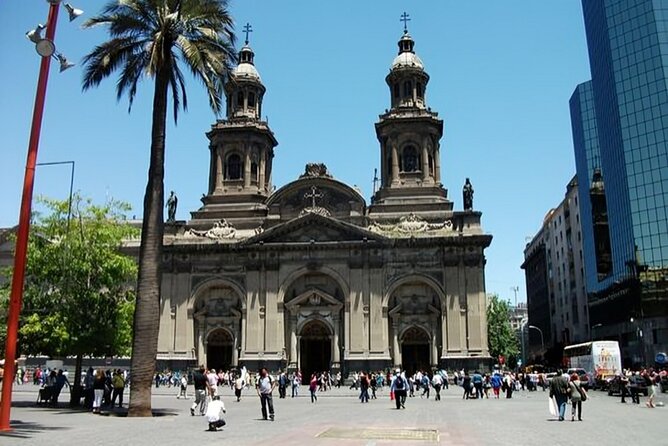
- Plaza de Armas: Santiago begins in its main square
- Former National Congress: politics in stone
- Museo Chileno de Arte Precolombino: ancient cultures in the city center
- Centro Cultural Palacio de La Moneda: culture below the palace
- Santiago Stock Exchange: a look at the financial center
- Barrio Paris Londres: European flavor in a compact quarter
- Church of San Francisco: Santiago’s colonial anchor
- Cerro Santa Lucia: a hill, a pause, and broad city views
- Barrio Lastarria: finish among cafes, boutiques, and street art
- Private guiding and customization: where the price earns its keep
- Who should book this Santiago walk?
- Should you book the Santiago Highlights Walking Tour?
- FAQ
- How long does the Santiago Highlights Walking Tour last?
- What is the price of the tour?
- Is this a private tour?
- Is the tour available in English?
- Where does the tour start?
- Where does the tour end?
- Are museum and monument entrance tickets included?
- Are food and drinks included?
- Do I pay for public transportation during the tour?
- Can I cancel for a full refund?
Key points to know before you book
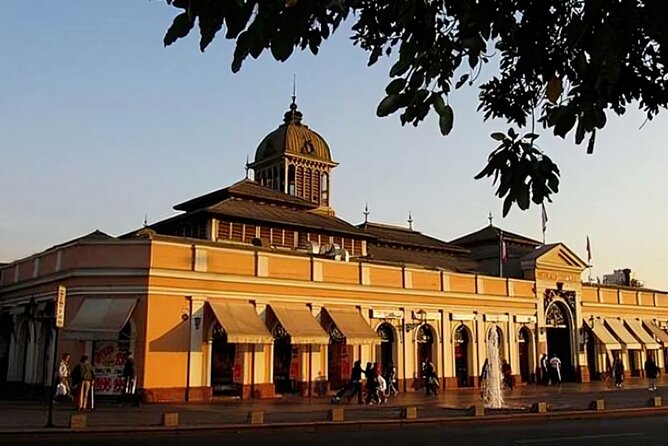
- Nine central Santiago stops: The route covers Plaza de Armas, the former Congress building, the Pre-Columbian Art Museum, La Moneda’s cultural center, the Stock Exchange, Paris Londres, San Francisco Church, Cerro Santa Lucia, and Lastarria.
- A genuinely private walking experience: Only your group participates, with customization available instead of a fixed tour shared with strangers.
- A useful first-day overview: The route connects politics, art, architecture, religion, finance, and neighborhood life in about three hours.
- Cerro Santa Lucia adds a city view: The hill provides a break from street level and a chance to see Santiago from above.
- No monument entry is included: The guide leads you around the city and helps arrange desired tickets, but admission costs are separate.
- Easy to continue afterward: The tour ends at the starting point, while the final stop, Barrio Lastarria, gives you a natural place to keep exploring on your own.
Why this route works for a first look at Santiago
Santiago can feel like a large city of separate districts at first. This route gives you a clear line through the center, beginning with the city’s main square and finishing in one of its best-known cultural neighborhoods.
I like the way the stops shift in mood. Plaza de Armas gives you formal civic Santiago. Paris Londres brings a more intimate architectural style. Cerro Santa Lucia adds greenery and views. Lastarria finishes with cafes, boutiques, and street art. You get a broad sample without spending the whole day on one museum or palace.
The 20-minute timing at each stop also tells you what kind of tour this is. You will receive an introduction at each place, time to look around, and a chance to ask questions. You will not get a long, detailed visit inside every building. That is useful if you want orientation before exploring alone, but less useful if your main goal is museum study or interior architecture.
The tour is listed at about three hours. That is long enough to cover a lot, but short enough to fit on a first afternoon, a morning before other plans, or a stop early in a Santiago stay. Wear comfortable shoes. Even without a strenuous hike, the route includes several hours on foot and a climb at Cerro Santa Lucia.
More Walking Tours in Santiago
- The best walking tour in Santiago de Chile
★ 5.0 · 629 reviews - Santiago Half-Day Walking Tour with Hotel Pick up & Food Sample
★ 4.5 · 467 reviews - A Fabulous Walking tour by the Old Santiago of Chile –
★ 5.0 · 466 reviews
Plaza de Armas: Santiago begins in its main square
The tour starts at Plaza de Armas, the historic center of Santiago. This is the right place to begin because the square brings several parts of the city together: public life, important buildings, and the city’s oldest central traditions.
You receive 20 minutes here, enough for an introduction and a look around without getting bogged down. A guide can help you understand why this square matters before you move on to the surrounding streets.
The practical benefit is orientation. After this stop, Santiago’s center should feel less like a collection of unrelated buildings. Your guide can also help you decide which places deserve a longer return visit later.
Former National Congress: politics in stone
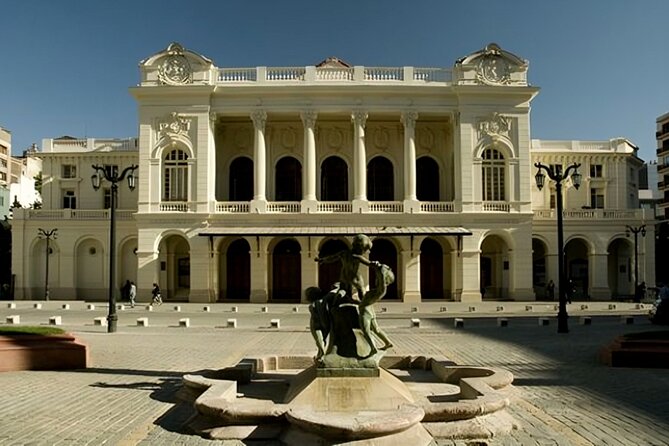
From Plaza de Armas, you walk to the former National Congress building. Its grand architecture offers a visual change from the open square, while the guide explains its role in Chilean political life.
This is an outside stop, so think of it as an architectural and historical introduction rather than a formal building tour. The 20-minute visit should give you enough time to appreciate the facade and learn why the building belongs on a central Santiago route.
I find stops like this especially useful when a guide connects the structure to the country’s political story. Without that context, a grand government building can become just another photograph. The quality of your guide matters here, and David’s strength was reported to be tying the sights to current events in Santiago, not simply reciting dates.
Museo Chileno de Arte Precolombino: ancient cultures in the city center
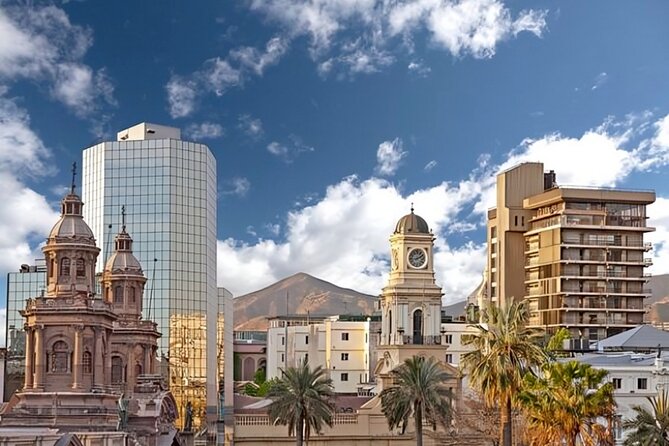
The route then reaches the Museo Chileno de Arte Precolombino, known for its collection of art from ancient cultures of Latin America. This is one of the most meaningful stops for anyone who wants the city tour to reach beyond Spanish colonial and modern Chilean history.
The schedule allows about 20 minutes. That is enough for an introduction or a quick look, but it is not enough to properly cover a major museum. The tour does not include admission, and the experience is not an inside visit to the monuments and museums.
You can treat this as a planning stop. If the museum interests you, ask the guide about arranging a ticket or return later with more time. The provider offers help booking tickets for desired visits, but those tickets are not part of the tour price.
This separation keeps the walking tour affordable. It also lets you choose where to spend extra money instead of paying for admission to every place on the route.
Other guided walks in Santiago:
- Santiago: Guided Walking Tour of the Historical Old Town
★ 4.8 · 459 reviews - Private Santiago 3-Hour Walking Tour
★ 5.0 · 237 reviews - Santiago Half-Day Walking Tour with Hotel Pick up & Brunch
★ 4.7 · 148 reviews - Santiago Skyline: Cable Car & San Cristobal Walking Tour
★ 5.0 · 142 reviews
Centro Cultural Palacio de La Moneda: culture below the palace
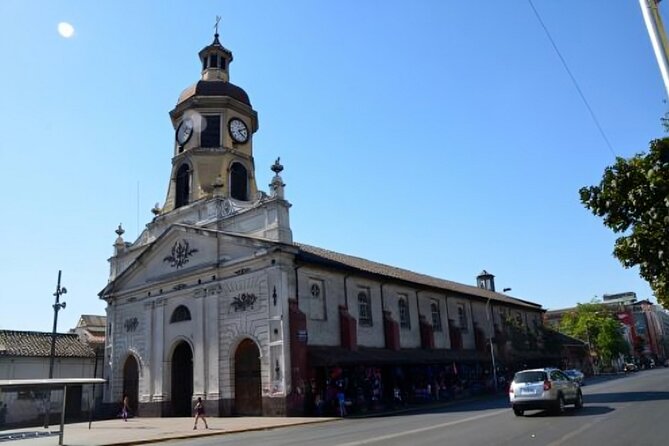
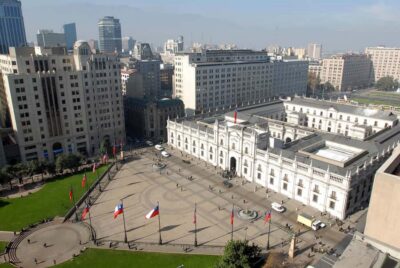
Next comes the Centro Cultural Palacio de La Moneda, located below La Moneda Palace. It presents changing art exhibitions and offers another angle on Chilean culture and history.
A 20-minute stop gives you a taste of the center’s role, but the schedule may feel brief if an exhibition catches your attention. Since exhibitions rotate, the exact material you see can change over time. The useful point is that your guide can place the cultural center within the broader story of Santiago, while you decide if you want to return for a longer visit.
This stop also helps break up the older architecture. The tour is not only about colonial buildings and political monuments. It includes places where Chile’s culture continues to be presented today.
Santiago Stock Exchange: a look at the financial center
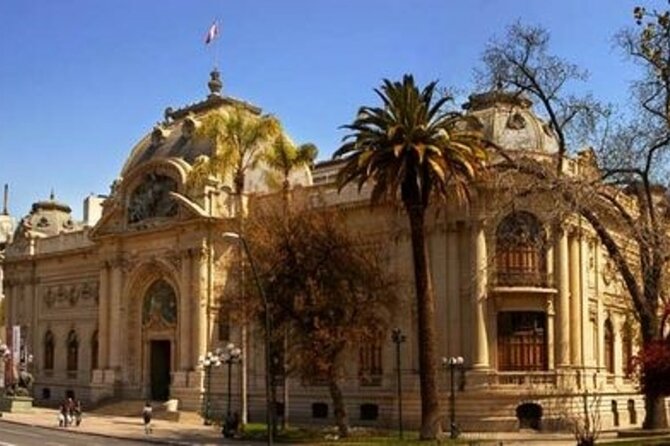
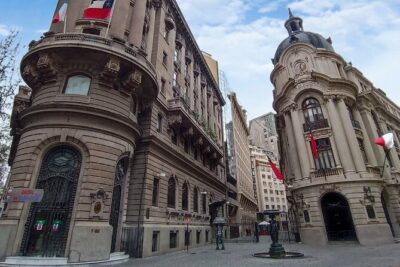
The Santiago Stock Exchange is a short stop with a clear purpose. Its early 20th-century architecture represents the city’s financial side, giving you a different view of Santiago after the political and cultural buildings.
You stroll past the building rather than enter it. That makes the stop quick and visual, but it also means the value depends on the guide’s explanation. A short story about the exchange and the surrounding district can make the architecture more memorable than a simple pause for a photograph.
I like this kind of contrast in a city walk. It reminds you that central Santiago is not one old quarter preserved for display. Government, business, religion, art, and ordinary neighborhood life all sit close together.
Barrio Paris Londres: European flavor in a compact quarter
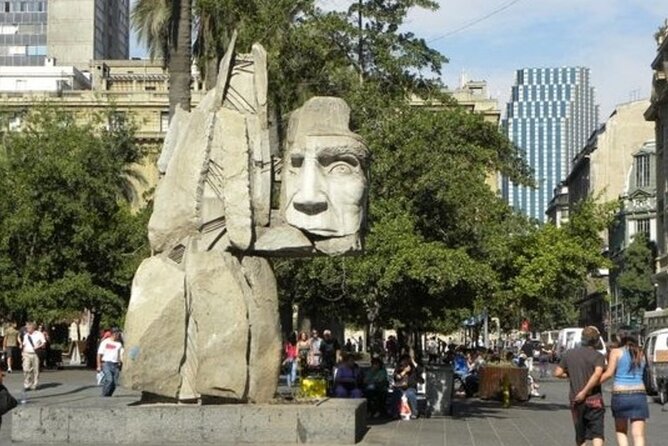
Barrio Paris Londres brings a more intimate scale to the walk. The neighborhood is known for European-style streets and architecture, which create a marked contrast with the wider center.
You have about 20 minutes to walk through and take in the details. This is a good place to slow down and notice the feel of the streets rather than focus on one major monument.
The neighborhood works well in the middle of the tour because it changes the pace. After civic buildings and formal institutions, you get a smaller district with a distinct identity. If you enjoy architecture and city design, this may be one of the most rewarding stops, even though it is not a conventional headline attraction.
Church of San Francisco: Santiago’s colonial anchor
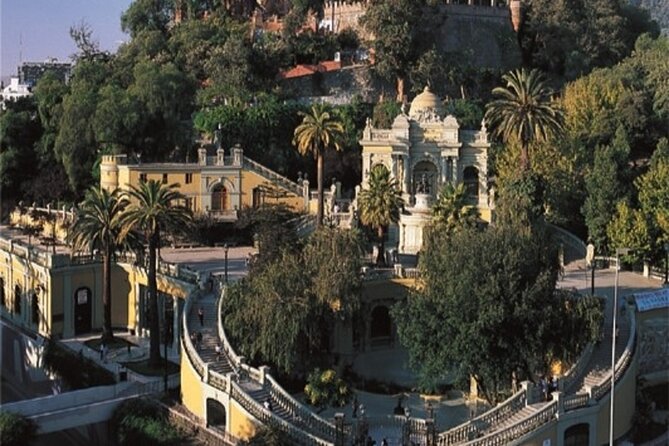
The Church of San Francisco is described as Santiago’s oldest colonial building, dating from the 16th century. Its age and preserved architecture make it one of the tour’s strongest historical stops.
Again, the tour is not an interior monument visit. You should expect to see the church and hear about its importance, while any admission or desired extended visit is handled separately.
The church gives the route a tangible link to Santiago’s colonial era. That matters because the tour also covers modern cultural centers and financial buildings. Here, the city’s earlier layer is not just a date in a guidebook. It is a surviving structure in the middle of the present-day center.
Cerro Santa Lucia: a hill, a pause, and broad city views
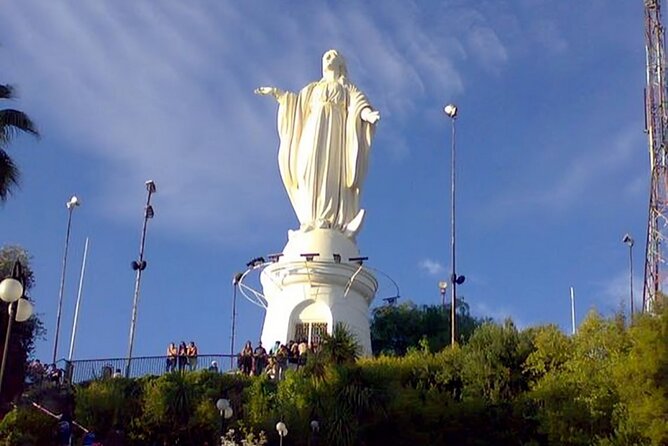
Cerro Santa Lucia is the route’s physical high point. You climb the small hill for panoramic views of Santiago, then spend time in its landscaped park above the central streets.
This stop offers a welcome change after several urban blocks. You can pause, look across the city, and see the center from a different angle. The hill is not described as a major mountain hike, but you should still expect steps or an uphill walk.
The 20-minute allocation gives you a brief visit rather than a long park outing. If the view matters most to you, ask about the timing and pace when you meet your guide. A private tour gives you more room to adjust than a large scheduled group, though the overall experience still needs to fit within about three hours.
For me, this is the stop that makes the route feel more complete. You have seen Santiago at street level. Now you get a visual sense of how the city fits together.
Barrio Lastarria: finish among cafes, boutiques, and street art
The final listed stop is Barrio Lastarria, a bohemian neighborhood with cafes, boutiques, and street art. It is a strong place to finish because the mood shifts from formal history to local-style city wandering.
You can use the guide’s recommendations here to plan the rest of your day. The tour ends back at the meeting point, so Lastarria is part of the route rather than the official end location. That means you may need to walk or use public transport afterward if you want to remain in the neighborhood.
The neighborhood is also a useful test of the tour’s larger promise. The experience does not limit you to grand buildings. It gives you a sense of how the central city is used now, including places to pause, browse, and eat on your own. Food and drinks are not included, but this is the obvious point in the route to arrange them separately.
Private guiding and customization: where the price earns its keep
At $33.01 per person, the cost is reasonable for a three-hour private walking tour, especially if you are traveling with someone else or a small party. You are paying for a guide who links nine stops and adjusts the explanation to your interests, not for transport, meals, or admission tickets.
The private format is the key value. You do not share the experience with an unrelated group, and customization is included. That can mean more time on architecture, more political background, or a faster pace if you already know the basics.
The price is less compelling if you want a fully escorted sightseeing package. You pay for your own public transport if it becomes necessary, and you pay separately to enter museums or monuments. Still, the walking route keeps the base cost clear and gives you control over optional spending.
The tour is offered in English, with an in-person guide who speaks Spanish and English. Confirmation is received at booking, and the meeting point is near public transportation at Huérfanos 779 in Santiago. Plan to arrive ready to walk, since the activity begins in the city center and ends back at that same meeting point.
Free cancellation is available up to 24 hours before the start time for a full refund. Changes or cancellations made less than 24 hours ahead are not accepted, based on local time.
Who should book this Santiago walk?
I would choose this tour if you want a practical introduction before exploring Santiago independently. It suits first-time visitors, couples, families, and small groups who prefer a private guide to a large shared excursion.
It is also a good match if you want several subjects in one outing. The route includes politics, ancient art, colonial religion, finance, architecture, city views, and neighborhood life. That range helps you decide what deserves more of your time later.
You may want something else if you are looking for long museum visits, full interior access, or a relaxed food-focused walk. Twenty minutes at each stop is a taste of many places, not a thorough visit to each one.
The tour is recommended for everyone, and most people can participate. The main practical demand is walking for about three hours, including the climb at Cerro Santa Lucia.
Should you book the Santiago Highlights Walking Tour?
Book it if you want a private, well-organized introduction to central Santiago at a moderate price. The best reason is the route’s range, paired with a guide who can connect monuments to the city’s political and cultural life. David’s praised ability to explain what was happening in Santiago adds real value to what could otherwise be a simple walk between buildings.
Skip it if your priority is admission-based sightseeing inside museums and monuments. In that case, you may prefer to arrange separate visits with more time at each site.
For most people, I would use this tour early in a Santiago stay. Let the guide give you the framework, take note of the places that catch your interest, then return to the Museo Chileno de Arte Precolombino, Cerro Santa Lucia, or Barrio Lastarria at your own pace.
FAQ
How long does the Santiago Highlights Walking Tour last?
The tour lasts approximately three hours.
What is the price of the tour?
The listed price is $33.01 per person.
Is this a private tour?
Yes. Only your group participates, and the tour includes a private and exclusive experience.
Is the tour available in English?
Yes. It is offered in English, and the in-person guide speaks Spanish and English.
Where does the tour start?
The meeting point is Huérfanos 779, Santiago, Región Metropolitana, Chile.
Where does the tour end?
The activity ends back at the meeting point.
Are museum and monument entrance tickets included?
No. Entry to monuments and museums is not included.
Are food and drinks included?
No. Food and drinks are not included.
Do I pay for public transportation during the tour?
Yes. Any public transport used during the tour is at your own expense.
Can I cancel for a full refund?
Yes. You can cancel at least 24 hours before the start time for a full refund.
Just added around Santiago
- Walking City Tour with Funicular, Cable Car and Tasting★ 4.3 · 6 reviews
- Tour VIÑA CONCHA Y TORO + CASA MARQUES – Chile, from Santiago.★ 5.0 · 2 reviews
- VIÑA DEL MAR AND VALPARAISO TOUR★ 4.8 · 20 reviews
- Undurraga Wine tour★ 4.2 · 15 reviews
- Undurraga + Isla Negra + San Afonso del Mar —– Full day★ 4.1 · 8 reviews
- wetravelneruda’s route – Pablo Neruda’s route – Private tour★ 5.0 · 6 reviews
- Southcoast – Private Full-Day tour★ 5.0 · 6 reviews
- Santiago Private walking tour with Lunch★ 5.0 · 5 reviews
Walking Tours, compared.

Walk with Penguins on Magdalena & Marta Island
Read our review →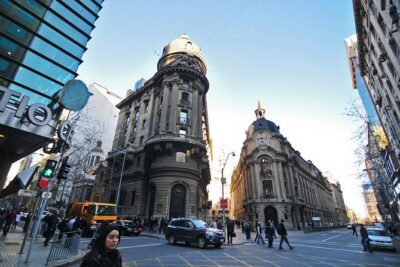
Santiago Half-Day Walking Tour with Hotel Pick up & Food Sample
Read our review →
A Fabulous Walking tour by the Old Santiago of Chile –
Read our review →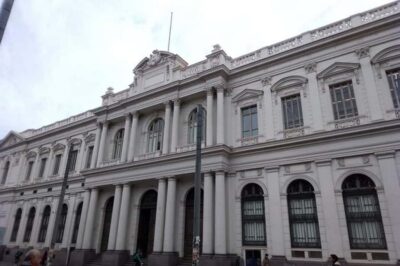
Santiago Half-Day Walking Tour with Hotel Pick up & Brunch
Read our review →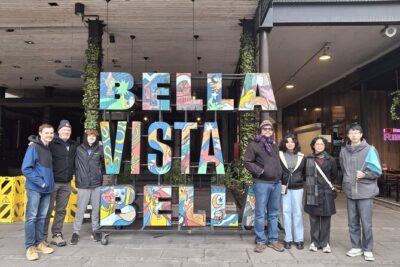
Santiago Skyline: Cable Car & San Cristobal Walking Tour
Read our review →Browse the lists this tour appears in