
Reviewed · WORKSHOPS
Cooking Class in Santiago de Chile
Food can open a city fast. This three-hour Santiago cooking class links Chilean culture with hands-on cooking, beginning with a market visit and continuing in the teaching kitchen of chefs Patricio and Jennifer. I like the small scale, with a maximum of 10 people, and I like that the meal is paired with cocktails and two Chilean wines rather than treated as a stand-alone lesson.
The best part is the friendly, home-style teaching. Patricio is patient, funny, and clear, while Jennifer helps keep the cooking and preparation moving. One possible drawback is the $270 price per person, which is high for a three-hour activity, and the exact menu can vary. You are paying for a private-style food experience, personal instruction, ingredients, drinks, and cultural context, not simply a recipe class.
In This Review
- Key points to know before booking
- From Santiago’s Central Market to the cooking kitchen
- Patricio and Jennifer’s teaching kitchen
- What you may cook: from churrasca to seafood
- Cocktails first, then Chilean wine
- Why the small group makes a difference
- Is $270 per person good value?
- Who will enjoy this most?
- Practical points that affect your day
- My final call: book it for food, not speed
- FAQ
- Where does the cooking class begin?
- Where does the activity end?
- How long does the experience last?
- Is a Central Market visit included?
- Is the class conducted in English?
- How many people can join?
- Is the activity private?
- Who teaches the class?
- What food and drinks are included?
- Is hotel transportation included?
- Are gratuities included?
- Can I cancel or change the booking?
Key points to know before booking
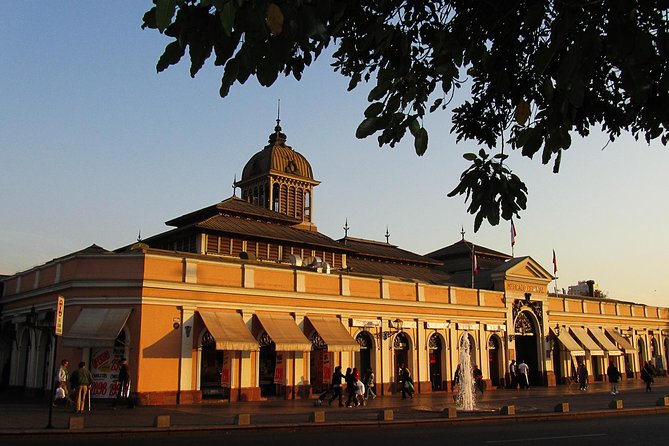
- Central Market connection: The experience includes a guided visit to Santiago’s Central Market, where you can see the produce and seafood that shape Chilean cooking.
- Patricio and Jennifer host the class: Their teaching kitchen gives the activity a relaxed, personal feel rather than a restaurant demonstration.
- A full Chilean meal: You prepare a starter, main course, and dessert, with some sessions reaching four separate dishes.
- Cocktails and wine included: You may prepare a Pichuncho, Pisco Sour, or Melvin, then taste boutique-vineyard wines from Chile.
- Small-group format: The maximum is 10 people, while some bookings may operate as a private group.
- Plan your transport carefully: The meeting point is El Raudal in Lo Barnechea, and hotel transfers are not included unless arranged separately.
From Santiago’s Central Market to the cooking kitchen
The experience is designed to begin with food in its natural setting: Santiago’s Central Market. A guided market walk gives you a useful introduction to Chilean ingredients before you start chopping and cooking.
This matters because Chilean food makes more sense when you see the raw materials. Seafood, fruit, vegetables, herbs, and local pantry staples are not just items on a printed menu. They reflect Chile’s long coast, fertile central valleys, and strong wine culture. The market visit gives the cooking class a local frame instead of making it feel like a generic international lesson.
One version of the experience has the chef meeting the group at the market, with stops at the flower market and fruit and vegetable stalls before continuing to the cooking space by taxi. That market-first format can run longer than the advertised three hours. Plan for some flexibility, especially if you are scheduling another activity afterward.
The meeting point listed for the experience is El Raudal in Lo Barnechea, a part of the Santiago metropolitan area. The class ends back at the meeting point. Hotel pickup is not part of the standard price, although a transfer from the workshop to your hotel can be requested. I would confirm the exact pickup plan before paying, particularly if you are staying in central Santiago.
A few more Santiago trips worth comparing side by side
- 4h Cooking Class in Santiago with 8 Recipes & Bottomless Drinks
★ 5.0 · 32 reviews - Santiago Chilean and Peruvian Cooking Class with a Local Carol
★ 5.0 · 12 reviews - Private Market Tour and Traditional Chilean Cooking Class in a Local Home
★ 5.0 · 5 reviews
Patricio and Jennifer’s teaching kitchen
The class takes place in a cooking workshop, not a restaurant. That distinction is important. You are not watching a chef prepare food behind a counter while you sit at a table. You work in a large kitchen with the hosts, learn the recipes, and help produce the meal you later eat.
Patricio and Jennifer are the owners and chefs. Patricio handles much of the instruction, explaining techniques and the background of the dishes as you work. Jennifer serves as both host and kitchen partner, helping with preparation and cleanup so the class does not feel rushed or disorganized.
The atmosphere is informal. A previous family group described a teaching and preparation kitchen with music playing in the background, cocktails in hand, and plenty of patience for a 14-year-old learning knife safety and food preparation. That detail gives you a good sense of the tone: practical, social, and friendly rather than strict or formal.
I especially like the way this format suits mixed skill levels. You do not need to be an accomplished cook. Patricio’s style is suited to beginners, curious eaters, and people who simply want to understand what they are eating in Chile. If you already cook often, you may appreciate the ingredients and cultural background more than basic knife instruction.
What you may cook: from churrasca to seafood
The advertised meal includes a Chilean starter, main course, and dessert, but the precise dishes can change. That is normal for a cooking class built around local ingredients. Past menus have included several distinctly Chilean preparations.
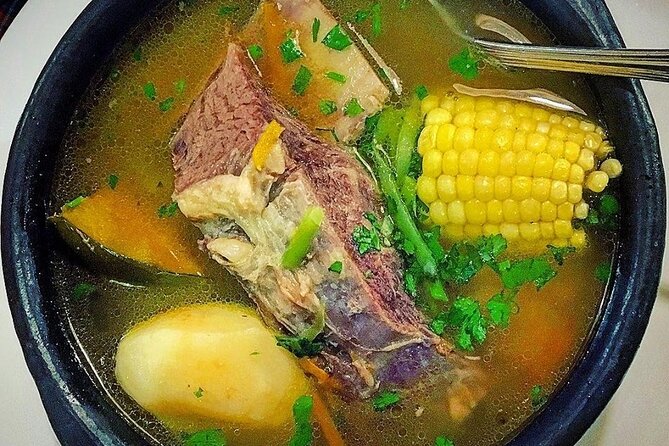
One example begins with churrasca and chancho en piedra. Churrasca is a traditional Chilean flatbread, while chancho en piedra is a rustic tomato and garlic sauce. The pairing is simple, filling, and useful for understanding Chilean everyday food. It is also the kind of recipe you may be able to repeat at home without needing specialist equipment.
A more ambitious menu has included Southern hake with locos, scallops, and samphire. The seafood is served with a citrus sauce made from lime juice, mandarin juice, garlic, olive oil, and spices. This is one of the more haute-cuisine elements of the experience, and it shows how the class can move beyond familiar home cooking.
You may also prepare a chicken plate with romaine, avocado, and seasoned chicken. Other sessions have featured a chacarero sandwich, one of Chile’s best-known casual meals, with beef or another savory filling, green beans, tomato, and chili. A palta york appetizer, pasta cardinal, empanadas, and salad have also appeared in different classes.
For dessert, possible dishes include Chilean lava cake and sopaipillas passed in chancaca sauce. Sopaipillas are pumpkin-based fried pastries, while chancaca provides a sweet syrup-like finish. This is a particularly good ending for anyone who wants a dessert with a clear Chilean identity rather than a standard cake or fruit plate.
The useful thing here is not memorizing one fixed menu. It is learning how Chilean cooking moves between bread, seafood, avocado, meat, pumpkin, tomato, and wine. Still, if you have allergies or strong food preferences, ask about the planned dishes before the class. The published information does not promise one permanent menu.
Cocktails first, then Chilean wine
The drinks are a real part of the activity, not an afterthought. The class includes preparation of an appetizer and cocktail to enjoy while you cook, followed by two wines from boutique vineyards in Chile, including Grand Reserve selections.
Different sessions have featured the Pichuncho Manhattan, a Pisco Sour, or a Melvin cocktail. A Pichuncho is a Chilean pisco drink mixed with vermouth, while a Pisco Sour is one of the country’s most famous cocktails. The Melvin, made with melon and wine, is especially suited to a warm afternoon.
The wine pairing can include a crisp Semillon and Chardonnay blend, followed by a fuller Chilean red. Another menu paired the food with a Maipo Valley red and Carmenère. These details matter because Chile’s wine regions and grape varieties are part of the country’s food culture. You get a chance to taste the connection rather than simply hear a short explanation.
The drinks also help set the social pace. You can sip while learning, then sit down to enjoy the finished dishes. If you do not drink alcohol, confirm your options ahead of time. The included beverage plan centers on cocktails and wine, and no nonalcoholic alternatives are specified.
Still Chile, but an entirely different landscape:
- Valparaiso Port and Viña del Mar with Casablanca Wine Tasting
★ 5.0 · 6,110 reviews - Santiago: Cajon del Maipo/Embalse del Yeso Tour with Picnic
★ 4.3 · 3,789 reviews - Santiago: Vina Del Mar, Valparaiso, Casablanca & Reñaca Tour
★ 4.2 · 2,838 reviews - Cable Car, Funicular and Sightseeing Bus in Santiago one day
★ 5.0 · 2,325 reviews
Why the small group makes a difference
The class has a maximum of 10 people, and the activity is described as private, with only your group participating. That combination needs a little clarification at booking, but the practical benefit is clear: you should have more direct access to the chef than in a large demonstration class.
In a small kitchen, you can ask why a sauce is prepared a certain way, how a local ingredient is used, or what might substitute for it at home. You also have a better chance to take part in the cutting, mixing, cooking, and plating instead of watching someone else do the important steps.
A couple may receive especially personal attention. A family can make the class work well for older children and teenagers, as long as they are comfortable participating in a kitchen. A group of friends can treat it as both a meal and a shared activity.
The social setting is part of the value, but it can also be a drawback. If you want a quiet, polished meal with no participation, choose a restaurant instead. This class involves conversation, preparation, and a little kitchen mess. That is the point, but it is not for everyone.
Is $270 per person good value?
At $270 per person, this is an expensive food activity in Santiago. You should not compare it only with the cost of a restaurant lunch. The price covers the market visit, ingredients, cooking instruction, snacks, cocktails, a three-course meal, and two wines. It also buys a small-group setting with the owners and chefs.
I see the strongest value for people who want a special occasion experience, a private group activity, or a meaningful introduction to Chilean food. If you are traveling with a partner, family, or close friends, the shared cooking time can become one of the more memorable parts of your stay.
The value is weaker if you mainly want to eat local food at the lowest possible cost. Santiago offers much cheaper meals, and you could visit Central Market independently. You are paying for access, guidance, instruction, and hospitality, not just the food itself.
The class may also last longer than three hours. One session ran for more than four hours, while another was described as a relaxed afternoon. That can improve the value if you enjoy the pace, but it may cause trouble if you have a tight schedule.
Who will enjoy this most?
I would choose this class if you meet any of these descriptions:
- You want an activity that explains Chile through food.
- You enjoy learning by doing rather than watching.
- You like cocktails and wine with a meal.
- You are traveling as a couple, family, or small private group.
- You want a relaxed afternoon with personal contact.
- You have already seen Santiago’s main sights and want something less standard.
- You are willing to pay more for a hosted experience.
Families should note the positive example of a teenager taking part in the preparation. The class can give younger participants a clear role, from safe knife work to plating. The adult pace is still central, so I would confirm suitability for very young children before booking.
Food lovers will get the most from the menu changes. You may prepare an approachable sandwich one day and a more refined seafood plate another day. That variety is exciting, but it also means you should not book expecting one exact dish unless the provider confirms it.
Practical points that affect your day
Confirmation arrives at booking, and the activity is offered in English. The location is near public transportation, but the published meeting point is in Lo Barnechea rather than a central tourist square. Give yourself time to reach El Raudal and confirm the precise start instructions.
The standard experience is about three hours, though the market visit, transfers, and relaxed meal can make it longer. I would avoid placing this directly before a timed museum entry, airport transfer, or dinner reservation.
The activity is non-refundable and cannot be changed after booking. That is a major condition, so book only when your schedule is firm. If the minimum number of participants is not reached and the provider cancels, you are offered another date or experience, or a full refund.
Gratuities are optional and not included. Hotel transfer is also excluded, although it may be available on request. Ask about the cost and timing before the day of the class.
My final call: book it for food, not speed
I recommend this cooking class if you want a personal, social way to understand Chilean food and you are comfortable with the price. Patricio and Jennifer’s warm teaching style, the market connection, the changing menus, and the included drinks give the experience more character than a standard cooking demonstration.
I would skip it if your budget is tight, you dislike alcohol, or you need a strictly timed three-hour activity. I would also confirm the meeting point, transfer plan, and menu before booking. For the right person, this is not merely lunch in Santiago. It is a chance to make the meal, hear the stories behind it, and leave with recipes and a good kitchen memory.
FAQ
Where does the cooking class begin?
The listed starting point is El Raudal in Lo Barnechea, Región Metropolitana, Chile.
Where does the activity end?
The class ends back at the meeting point.
How long does the experience last?
The advertised duration is approximately three hours, although some sessions have lasted longer.
Is a Central Market visit included?
Yes. The experience includes a guided visit to Santiago’s Central Market.
Is the class conducted in English?
Yes. The activity is offered in English.
How many people can join?
The maximum group size is 10 people.
Is the activity private?
It is described as a private activity in which only your group participates.
Who teaches the class?
The hosts are Patricio and Jennifer, the owners and chefs. Some arrangements have also involved other kitchen staff.
What food and drinks are included?
The experience includes ingredients, snacks, cocktail preparation, a three-course Chilean menu, and two wines from boutique Chilean vineyards.
Is hotel transportation included?
No. Transfer from the cooking workshop to your hotel is not included in the standard experience, but it may be available on request.
Are gratuities included?
No. Gratuities are optional and paid separately.
Can I cancel or change the booking?
No. The experience is non-refundable and cannot be changed for any reason. If the provider cancels because the minimum number is not reached, you can receive a full refund or choose another date or experience.
Just added around Santiago
- Walking City Tour with Funicular, Cable Car and Tasting★ 4.3 · 6 reviews
- Tour VIÑA CONCHA Y TORO + CASA MARQUES – Chile, from Santiago.★ 5.0 · 2 reviews
- VIÑA DEL MAR AND VALPARAISO TOUR★ 4.8 · 20 reviews
- Undurraga Wine tour★ 4.2 · 15 reviews
- Undurraga + Isla Negra + San Afonso del Mar —– Full day★ 4.1 · 8 reviews
- wetravelneruda’s route – Pablo Neruda’s route – Private tour★ 5.0 · 6 reviews
- Southcoast – Private Full-Day tour★ 5.0 · 6 reviews
- Santiago Private walking tour with Lunch★ 5.0 · 5 reviews
Workshops, compared.

Ski Experience in Valle Nevado, Lessons, Transportation, and More
Read our review →
New Concha y Toro Tour Marques with class, extra tasting y food
Read our review →
Casablanca world class wines, 4 vineyards & Tanino lunch stop
Read our review →
World-class Wines, Visit to 4 Vineyards and Tanino
Read our review →
Skiing in Farellones Park: Ski Tickets, Lessons, Transportation and More
Read our review →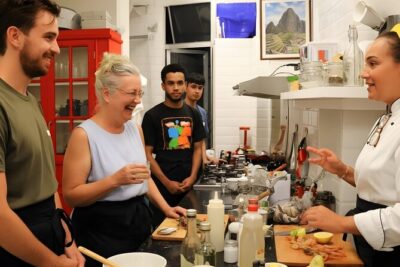
4h Cooking Class in Santiago with 8 Recipes & Bottomless Drinks
Read our review →
Traditional Chilean Cooking Class with a Local in Her Santiago Countryside Home
Read our review →
Browse the lists this tour appears in