

Reviewed · PUNTA ARENAS & PATAGONIA
Punta Arenas and Magellan Strait Tour
History feels close to the water here. This tour pairs the reconstructed Fort Bulnes with a useful look at Punta Arenas, and I especially like the coastal drive along the Strait of Magellan and the chance to see the city cemetery, hilltop view, and grand central square in one outing. The main drawback is that the tour can feel rushed, and admission fees are not fully included in the $200 price.
I also like the private-vehicle format, which can make a big difference when you are arriving by cruise ship or have limited time in town. Guides such as Nicolás, Francisco, Peter, Stephanie, Alex, and Marlon have been praised for their stories, flexibility, and pride in Punta Arenas.
The advertised duration is about 5 hours 55 minutes, not a full calendar day, despite the tour description using full-day language. You will spend a good deal of time in the vehicle, and the schedule can suffer when groups receive unclear pickup or meeting instructions.
In This Review
- Key points to know before booking
- Why this tour makes sense in Punta Arenas
- The drive south along the Strait of Magellan
- Inside Parque del Estrecho de Magallanes
- Fort Bulnes and the hard start of Chilean settlement
- Bahía Mansa and Puerto del Hambre
- Returning to Punta Arenas: the city in a compact tour
- Cerro de la Cruz viewpoint
- Muñoz Gamero Square and the Magellan monument
- Sara Braun Municipal Cemetery
- Magallanes Regional Museum
- Guides, vehicles, and the private-tour question
- Is $200 a fair price?
- Weather, clothing, and walking advice
- Who should book it?
- FAQ
- How long does the Punta Arenas and Magellan Strait Tour last?
- What is included in the tour price?
- Is admission to Fort Bulnes included?
- Is cemetery admission included?
- Is this a private tour?
- Does the tour include port pickup?
- Will I have time for lunch?
- What should I wear?
- What happens if the weather is poor?
- Should you book the Punta Arenas and Magellan Strait Tour?
Key points to know before booking
- Fort Bulnes is a reconstruction: You visit a carefully rebuilt settlement on the original site, not the surviving wooden fort from the 1800s.
- The Strait drive is the scenic heart: The route runs about 60 kilometers south of Punta Arenas, with chances to spot seabirds, dolphins, and, at the right time, whales.
- The city portion adds real value: Cerro de la Cruz, Muñoz Gamero Square, the Sara Braun Cemetery, and the Magallanes Regional Museum give useful context to the coastal visit.
- The $200 price buys convenience: Private transport and port or hotel pickup are included, but food and some admission fees are extra.
- Weather matters: Wind can cut through ordinary clothing at Fort Bulnes, so bring layers, gloves, a hat, and a warm jacket.
- Check the operating format: The information describes a private activity, but some experiences have operated as regular shared tours with several groups.
Why this tour makes sense in Punta Arenas
Punta Arenas is a spread-out place, and its most important historic site is well outside the city. Fort Bulnes sits roughly 60 kilometers south, along the Brunswick Peninsula and the Strait of Magellan. Reaching it by taxi is possible, but you would miss the local explanation that ties the fort to settlement, exploration, shipping, and the later growth of Punta Arenas.
This tour gives you that larger picture in one morning or afternoon. You begin with the coastal road, visit the park and fort, then return to town for viewpoints, civic buildings, the cemetery, and a museum in one of the city’s old mansions.
I would think of it as a strong orientation tour rather than a slow, specialist historical excursion. You see many key places, but each receives a limited amount of time. That is a good trade for a first visit, a cruise stop, or a short hotel stay. It is less appealing if you prefer to spend half a day at one museum or walk every trail at an easy pace.
Other southern Patagonia days:
- Punta Arenas: Walk with Penguins on Magdalena & Marta Island
★ 4.6 · 611 reviews - Punta Arenas: Full-Day Whales, Penguins, and Glaciers Tour
★ 4.9 · 325 reviews - Whale and Glacier Watching from Punta Arenas Francisco Coloane Park
★ 5.0 · 254 reviews
The drive south along the Strait of Magellan
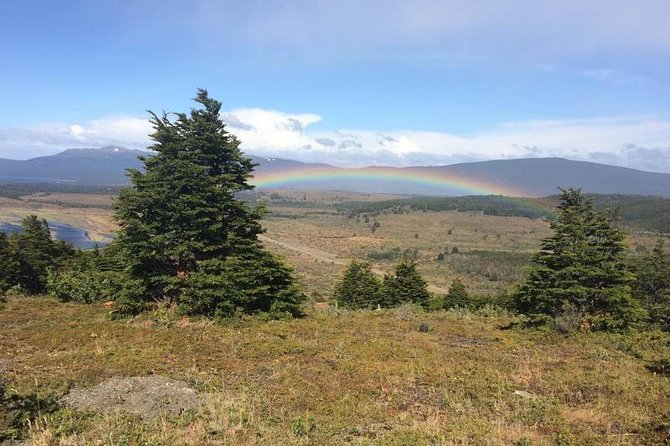
The first part of the outing is a road trip beside the Strait. The drive takes about an hour, although individual accounts describe the journey as roughly 30 to 60 minutes depending on the vehicle, stops, and route.
Look toward the water for seabirds including gulls, caiquenes, ibises, and cormorants. Dolphins have also been seen from the road, and the area can have whales at certain times of year. These sightings are possibilities, not promises, so keep your expectations sensible.
The route also gives you a glimpse of small coastal communities and houses, including homes built on stilts. That ordinary detail helps explain how people live beside a cold, windy channel better than a series of grand monuments would.
One early photo stop marks the geographic center of Chile, according to the tour description. Signs point toward places such as Buenos Aires and Antarctica. It is a quick stop, but it helps place Punta Arenas in relation to the far southern world.
Inside Parque del Estrecho de Magallanes
The Strait of Magellan Park protects almost 250 hectares of natural and historic ground. Its purpose is not only to preserve the site, but also to explain the area’s ecology and human past.
The park’s Museum of the Strait serves as the entry and interpretation center. It covers about 1,600 square meters and includes exhibits, multimedia displays, a cafeteria, a shop, and a panoramic terrace. Several people have found the museum one of the best parts of the visit, especially because its signs are available in both English and Spanish.
Allow about three hours for the park portion in the published schedule, though the exact division between the museum, fort, trails, and viewpoints can vary. One older account had only about 30 minutes at the museum site, so ask your guide how much time you will have before setting off.
The park has two named walks. The Coast Path runs for about 1.5 kilometers through forest and rocky ground and is rated low to medium difficulty. The Forest of the Wind Trail is shorter, nearly 300 meters, and leads to views of passing boats, birds, and possibly whales.
These walks add welcome outdoor time after the drive. The ground around the fort can be grassy, hilly, or unpaved, so anyone with mobility concerns should discuss the route with the operator before booking. One person with knee trouble had to shorten the city portion, and another account specifically warned that some paths may not suit people with mobility limits.
Fort Bulnes and the hard start of Chilean settlement
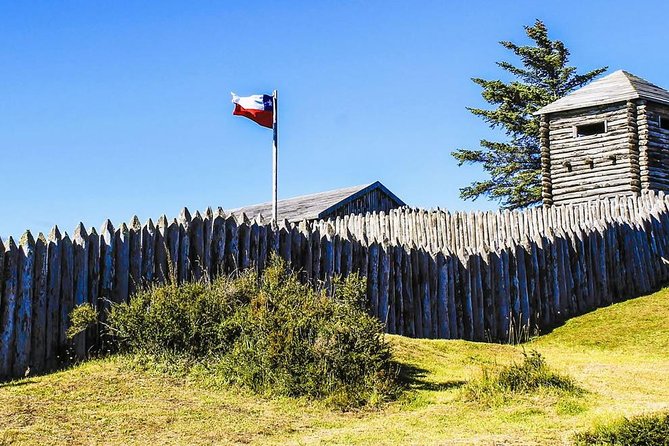
Fort Bulnes is the central reason to book this outing. Chile established the settlement in 1843 to secure a foothold on the Strait of Magellan. The site was later abandoned as Punta Arenas offered better protection and better conditions for farming.
The buildings you see today are reconstructed from timber and turf. That matters because the fort is not an untouched original settlement. Still, the setting does much of the explaining. Look across the water and imagine attempting to maintain a remote outpost in constant wind, cold, and isolation.
The fort itself takes about an hour in the stated itinerary. You can enter the rebuilt structures, view displays about the settlement, and walk around the site for photographs. The open views toward the Strait and Tierra del Fuego are the reward, especially on a clear day.
I like this stop because the story is practical rather than abstract. You see why the site was chosen, why it failed as a permanent town, and why Punta Arenas eventually became the regional center. A guide can make the difference here. Nicolás was praised for linking the fort to the founding and later growth of the city, while Francisco and Peter were singled out for making the past easy to follow.
The chief limitation is presentation. One account found the small museum dimly lit, making some labels hard to read. If you want a detailed study of military architecture or colonial documents, the fort may feel modest. Its appeal is the setting, the rebuilt rooms, and the sense of how difficult the first settlement must have been.
A few more Punta Arenas trips worth comparing side by side
- Punta Arenas: Full Day Tierra del Fuego & King Penguins
★ 4.3 · 179 reviews - Navigation Magdalena Island and Marta
★ 4.0 · 164 reviews - Punta Arenas & Strait of Magellan Park Value Excursion
★ 5.0 · 146 reviews - Punta Arenas: Full-Day Torres del Paine Tour
★ 4.8 · 131 reviews
Bahía Mansa and Puerto del Hambre
On the return route, the tour stops at Bahía Mansa, about 1.5 kilometers from Fort Bulnes. The bay is described as the only natural shelter on the north coast of the Strait and was used by the ancestors of the Kawéskar canoeists, who traveled through the channels and fjords of the far south.
The stop is short, about 10 minutes, so expect photographs and an introduction rather than a long walk. The location connects the modern coastal road with a much older human story, one that predates European settlement by centuries.
The nearby historic site is associated with Rey Don Felipe, founded in 1584 by Pedro Sarmiento de Gamboa and later known as Puerto del Hambre, or Port Famine. The settlement became a symbol of the dangers facing early European colonies in this remote region.
You will not spend a long time at the site, but it adds depth to the Fort Bulnes visit. One location shows Chile’s later attempt to control the Strait, while the other points to an earlier and disastrous colonial effort.
Returning to Punta Arenas: the city in a compact tour
Back in town, the tour shifts from remote history to the city’s civic and social story. The sequence can vary, but the main stops are Cerro de la Cruz, Muñoz Gamero Square, the Sara Braun Municipal Cemetery, and the Magallanes Regional Museum.
Cerro de la Cruz viewpoint
Cerro de la Cruz gives you a broad view over Punta Arenas, the bay, and the surrounding terrain. It is one of the best places to understand the city’s layout, with its colored roofs, harbor, and position beside the Strait.
The stop lasts about 25 minutes in the listed plan, though another itinerary description gives an hour for the wider city visit. You will mainly take photographs and listen to an introduction from the guide.
This is a useful first city stop because it gives you a mental map before you see the center at street level. Wind can be strong here too, so keep that jacket handy.
Muñoz Gamero Square and the Magellan monument
Muñoz Gamero Square is Punta Arenas’s main plaza and a natural place to hear about the city’s growth during the era of sheep ranching, trade, and shipping. The tour also points out the Hernando de Magallanes monument and other notable buildings around the square.
The traditional story connected with the monument includes the figure of an Indigenous man at Magellan’s feet. Guides often use the sculpture to discuss exploration and the complicated history of contact in southern Chile. The tour description also includes Antoine de Saint Exupéry Square, another small but unusual link to the broader story of Patagonia and aviation.
You have only about 15 minutes listed for the plaza, so this is a quick introduction rather than a full architectural walk. If you want more time for photographs, shopping, or cafés, tell the guide early. Private groups have sometimes been able to adjust the pace.
Sara Braun Municipal Cemetery
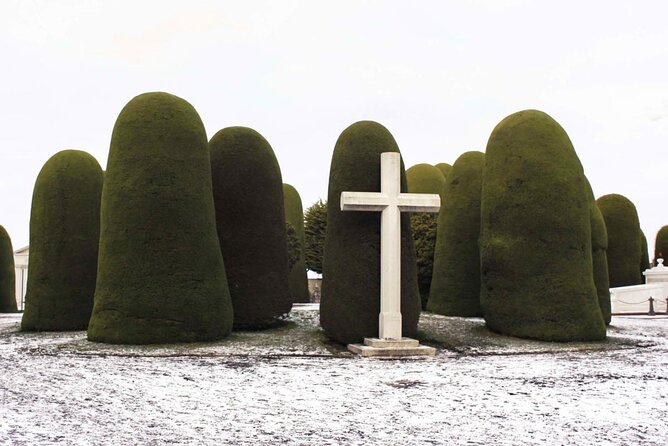
The Sara Braun Municipal Cemetery is one of the most distinctive stops in Punta Arenas. Its formal entrance was donated by Sara Braun, a major local benefactor, and the avenues inside are lined with cypress trees.
The four-hectare cemetery was declared a National Monument in 2012. Its mausoleums and family memorials reflect the wealth created during the city’s commercial and ranching period, while the layout has a calm, formal beauty that makes it more than a quick stop for history enthusiasts.
The tour allows about 25 minutes. That is enough to see the entrance, walk along the main avenues, and hear about important local figures, but not enough for a slow visit.
Here is an important practical point: the supplied details conflict about admission. One section lists cemetery admission as included, while another says the Fort Bulnes and cemetery tickets are not included. A past account also described a separate cemetery charge. Confirm the current ticket arrangement before you pay, especially if you are budgeting carefully.
Magallanes Regional Museum
The museum occupies the former Braun Menéndez family palace. Inside, you see period furniture, household objects, and displays tied to the golden age of Magallanes, along with historical and temporary exhibitions.
The listed visit is about 20 minutes. That makes it a quick taste of the city’s upper-class past rather than a complete museum visit. I would value it most if you want to understand how fortunes made from ranching, trade, and shipping shaped Punta Arenas’s grand homes.
The museum also helps balance the outdoor sites. Fort Bulnes shows hardship at the edge of settlement. The palace shows what success looked like once the city had become established.
Guides, vehicles, and the private-tour question
The strongest part of this experience is often the guide. Names praised in different accounts include Nicolás, Francisco, Peter, Stephanie, Alex, Luis, Marlon, Gabriel, Johnny, Edmundo, Felipe, and Stefan.
Their strengths vary, but the repeated pattern is clear: good storytelling, useful local context, and a willingness to answer questions. Stephanie was especially praised for helping a person with chronic health problems take part at a comfortable level. Francisco was praised for adjusting stops and sharing restaurant and shopping suggestions. Marlon was noted for making extra photo stops possible.
The booking details describe a private activity with transport in a private vehicle and participation limited to your group. Yet some accounts describe regular shared departures with multiple groups, Sprinter vehicles, and fixed departure windows. That distinction affects both value and flexibility.
If your confirmation says private, ask what vehicle and group size to expect. If you are joining a regular departure, get one exact meeting time. A past outing had passengers given different arrival windows, causing a long delay and confusion at the museum. That is not a small issue when your ship has a fixed departure time.
Port and hotel pickup and return are included. Cruise passengers should allow extra time for disembarkation and confirm the exact meeting point in writing. One ship arrived late and the operator reportedly adjusted the start time, but other accounts describe missed pickups and unanswered calls. The safest approach is to reconfirm the day before and keep the operator’s contact details available.
Is $200 a fair price?
At $200 per person, this is not the cheapest way to see Punta Arenas. A taxi can cost much less for transport alone, and you can read museum signs and research Fort Bulnes independently.
The price becomes easier to justify when you value a dedicated guide, port pickup, a private vehicle, a return before sailing, and a single plan that covers both the city and the coast. A good guide also saves you from piecing together the relationship between Puerto del Hambre, Fort Bulnes, Punta Arenas, and the Strait.
The value is weaker if your main goal is simply to reach the fort. It is also weaker if your group is large and the booking is actually a shared regular tour. One family considered the cost too high, while other small groups found the private format less expensive than a cruise-line excursion.
Food and drinks are not included. There is a cafeteria at the Strait museum, but the schedule may not leave much time for lunch. Bring a snack or ask whether a brief food stop can be arranged. Past groups have managed a short lunch, but you should not assume a meal is part of the program.
Weather, clothing, and walking advice
Punta Arenas can be cold, rainy, and very windy. At Fort Bulnes, wind may cut through a light coat even when the sky looks bright.
Wear several layers, plus a warm jacket, gloves, and a hat. Waterproof footwear will help on grassy or unpaved paths. The weather can change quickly, and poor conditions may lead to a different date or a full refund if the operator cancels.
The walks are not described as strenuous, but the Fort Bulnes area includes inclines and uneven ground. Most people can participate, yet you should mention mobility concerns before booking. The city stops are easier, but Cerro de la Cruz and the fort require some walking.
Who should book it?
I would recommend this tour to a first-time visitor who wants a broad introduction in less than six hours. It suits cruise passengers, couples, families, and anyone who prefers a guide to explain the southern Chilean story as the sights unfold.
It is also a good choice for people who enjoy a mix of scenery, history, photographs, and short walks. The private format can be especially useful if your group wants to pause for pictures or move at a slower pace.
I would look elsewhere if you want a low-cost taxi outing, a long museum visit, or complete control over every minute. Before paying, confirm whether your departure is private or shared, the exact pickup time, and which Fort Bulnes and cemetery fees remain outside the advertised price.
FAQ
How long does the Punta Arenas and Magellan Strait Tour last?
The approximate duration is 5 hours 55 minutes. The description also calls it a full-day tour, but the stated timing is closer to a long half-day outing.
What is included in the tour price?
Private-vehicle transportation and pickup and drop-off at your hotel or port are included. Food, drinks, lunch, and certain admission tickets are not included.
Is admission to Fort Bulnes included?
No. The supplied information says the Fort Bulnes ticket is not included. Past accounts give different prices, so confirm the current fee before departure.
Is cemetery admission included?
The details are inconsistent. One section lists cemetery admission as included, while another says the Fort Bulnes and cemetery tickets are not included. Ask the operator to clarify this before booking.
Is this a private tour?
The experience is described as a private activity for your group. Some past departures operated as regular shared tours, so confirm the format shown on your reservation.
Does the tour include port pickup?
Yes. Port pickup and return are included, along with hotel pickup and drop-off.
Will I have time for lunch?
Lunch is not included. The Strait museum has a cafeteria, but the schedule may provide only a short break. Bring a snack or ask whether a food stop can be added.
What should I wear?
Wear warm layers, a windproof jacket, gloves, and a hat. Rain is possible, and the wind at Fort Bulnes can be especially sharp.
What happens if the weather is poor?
If the operator cancels because of poor weather, you will be offered another date or a full refund. The experience also requires a minimum number of participants, and a cancellation for that reason offers the same choices.
Should you book the Punta Arenas and Magellan Strait Tour?
Book it if you want the coast, Fort Bulnes, and Punta Arenas’s main sights handled in one practical outing. The best reason is not simply transport. It is the guide’s ability to connect a rebuilt fort, a failed colonial settlement, a grand cemetery, and a modern Chilean city into one understandable story.
The tour is worth the price when you have limited time and want port-safe transport with local narration. Just confirm the group size, meeting time, and extra admission charges first. With warm clothing and realistic expectations about the driving and quick stops, this is a solid first look at Punta Arenas and the southern end of the Strait of Magellan.
Just added around Punta Arenas
- Whales, Penguins & Glaciers Navigation From Punta Arenas★ 4.5 · 12 reviews
- Punta Arenas : Typical Chilean Cooking Class + Chilean Wine★ 5.0 · 16 reviews
- Torres del Paine & Tierra del Fuego ( king penguis)★ 4.0 · 4 reviews
- Punta Arenas to Punta Arenas Airport (PUQ) – Departure Transfer★ 5.0 · 2 reviews
- Torres del Paine & Glacier Grey Navigation Private Tour★ 5.0 · 6 reviews
- Private Patagonian Forest Hike in Punta Arenas: 8 Hour★ 5.0 · 5 reviews
- Private Punta Arenas Pioneers and Palacios City Tour★ 5.0 · 3 reviews
- Premium Electric Segway Rentals in Punta Arenas★ 5.0 · 5 reviews
Punta Arenas & Patagonia, compared.

Walk with Penguins on Magdalena & Marta Island
Read our review →
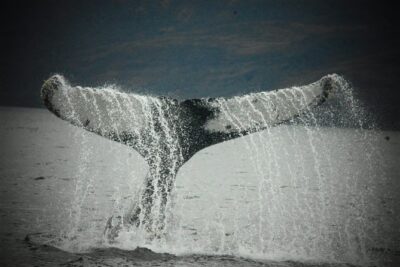
Whale and Glacier Watching from Punta Arenas Francisco Coloane Park
Read our review →
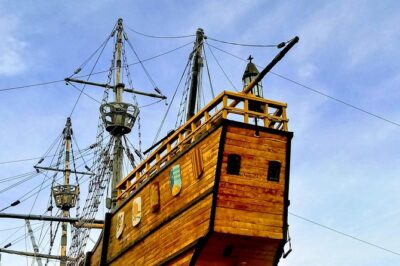
Punta Arenas & Strait of Magellan Park Value Excursion
Read our review →

Shore Excursion: Magellan Penguins Natural Reserve in Magdalena Island from Punta Arenas
Read our review →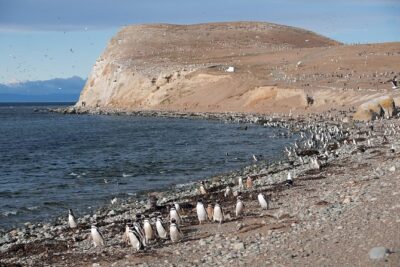
Magdalena Island Penguin Tour by Boat from Punta Arenas
Read our review →Browse the lists this tour appears in