
Reviewed · PUNTA ARENAS & PATAGONIA
Guided Tour of Punta Arenas and Fort Bulnes
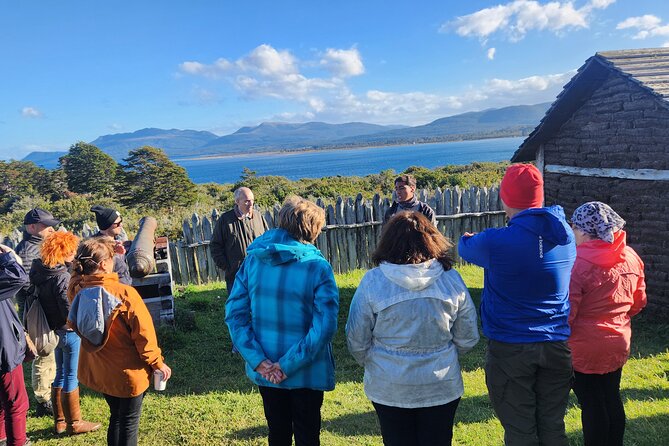
Fort Bulnes puts Patagonia’s past in view. I like the small-group format, capped at 15 people, and the way the tour links sweeping Strait of Magellan views with Punta Arenas history. I also like that Fort Bulnes, the Nao Victoria Museum, and the Municipal Cemetery are included rather than left as optional extras.
The main drawback is the long day outdoors. Wind and cold can be serious, especially in April, and the tour includes walking at Fort Bulnes and several open-air stops. At $300 per person, this is not a cheap city tour, but the included admissions, private-feeling group size, transport, and six to seven hours of guiding make the price easier to defend.
In This Review
- Key reasons to consider this Punta Arenas tour
- Starting above Punta Arenas at Cerro de la Cruz
- Following the Strait to Parque del Estrecho
- Fort Bulnes and Chile’s southern outpost
- The Museo del Estrecho and the sea route around Cape Horn
- Walking the cypress avenues of the Municipal Cemetery
- Walking aboard the life-size ships at Nao Victoria
- Ending at Plaza de Armas
- What $300 includes, and what it does not
- Who will get the most from this outing
- Should you book the Punta Arenas and Fort Bulnes tour?
- FAQ
- How long does the Punta Arenas and Fort Bulnes tour last?
- What time does the tour start?
- Where do cruise passengers meet the tour?
- Is transportation included?
- What admissions are included?
- Is food included?
- How large is the group?
Key reasons to consider this Punta Arenas tour
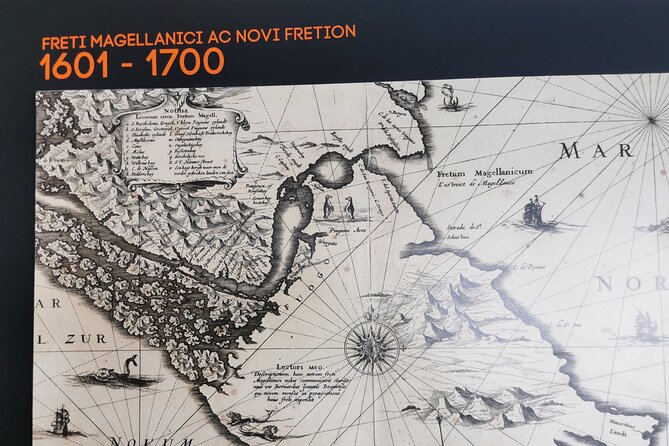
- Fort Bulnes anchors the day: You visit the recreated settlement connected to Chile’s 1843 occupation of the Strait of Magellan.
- The route mixes nature and history: Expect Strait views, possible bird sightings, native plants, maritime museums, grand old buildings, and a striking cemetery.
- A maximum of 15 people keeps it manageable: You are not being moved through the city in a huge coach group.
- The Nao Victoria Museum brings exploration to life: Life-size ship replicas let you see the cramped world of Magellan, Beagle, and Shackleton-era sailors.
- The guides add local color: Cristian, Maritza, and Oliver are praised for clear explanations, personal attention, and strong local knowledge.
- Cruise pickup is built in: Cruise passengers meet in the disembarkation room, which makes the tour useful during a port call.
Starting above Punta Arenas at Cerro de la Cruz
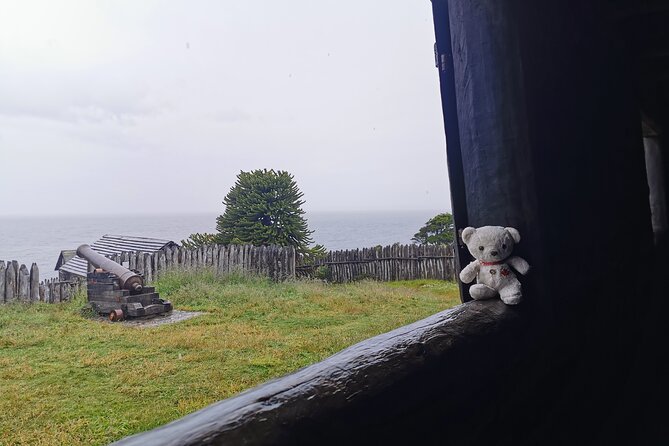
The tour begins at Mirador Cerro de la Cruz, a short but useful introduction to Punta Arenas and its setting. From this high point, your guide explains how the region was shaped when large ice sheets covered Patagonia and helps you get oriented geographically.
You can see this as more than a photo stop. Punta Arenas sits beside the Strait of Magellan, and the viewpoint gives the rest of the day a clear frame. Instead of treating Fort Bulnes, the museums, and the city square as separate sights, your guide can connect them to the waterway that made the city important.
The stop lasts about 30 minutes and has no admission charge. It is a good place to begin because you learn what you are looking at before heading into the more detailed historical stops.
Bring your jacket out of the vehicle here. The region is known for strong wind, and the first half of the tour includes several outdoor stops. One April participant specifically found the wind cold and advised bringing plenty of clothing. That is sound advice for any season, since your comfort will affect how much you enjoy the viewpoints and the fort.
Other southern Patagonia days:
- Punta Arenas: Walk with Penguins on Magdalena & Marta Island
★ 4.6 · 611 reviews - Punta Arenas: Full-Day Whales, Penguins, and Glaciers Tour
★ 4.9 · 325 reviews - Whale and Glacier Watching from Punta Arenas Francisco Coloane Park
★ 5.0 · 254 reviews
Following the Strait to Parque del Estrecho
The longest section of the outing takes you south from Punta Arenas toward Parque del Estrecho de Magallanes and Fort Bulnes. The drive takes about an hour each way, but it is part of the experience rather than dead time.
As you leave the city, the scenery opens toward the Strait of Magellan, Tierra del Fuego Island, and Dawson Island. Your guide explains how these places fit into the area’s past while pointing out the changing relief and shoreline. You may also pass small settlements and weekend homes built by Punta Arenas families who chose to spend longer stretches beside the water.
This is one reason a guided vehicle tour works well here. You cover more ground than you could on foot in the city, and you get context during the drive. The air-conditioned vehicle, onboard WiFi, and one bottle of sparkling mineral water per person are practical touches, although meals and snacks are not included.
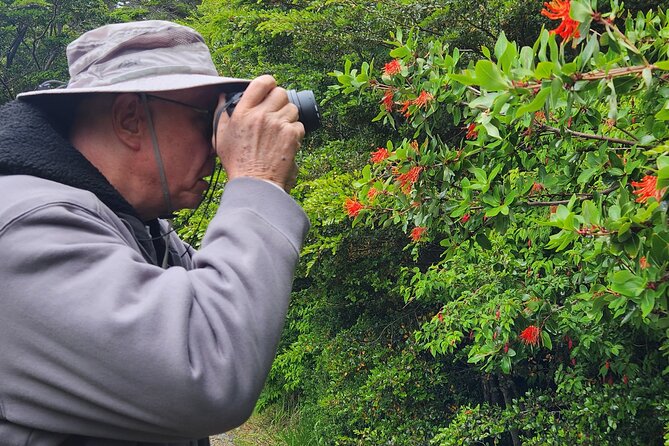
The route also offers a chance for bird watching. Maritza paid close attention to a photography-focused group and helped identify local bird species along the drive. That kind of personal adjustment can make a difference. If you care about birds or photography, tell your guide at the start so the drive can include more pauses when conditions allow.
The nature portion is not a full wildlife excursion, so you should keep expectations sensible. Bird sightings depend on the day, weather, and timing. Still, the combination of water, islands, open country, and native plants gives this part of the tour a strong sense of place.
Fort Bulnes and Chile’s southern outpost
Fort Bulnes is the day’s main historical stop, and admission is included. The fort relates to Chile’s decision in 1843 to take a stronger position in the Strait of Magellan and its surrounding territory.
The site is presented through a historical tour, with time to walk among the recreated structures and learn how difficult early settlement was in this remote part of the world. The appeal is not grand architecture. It is the setting and the practical story of building a settlement at the edge of known routes, with weather and distance working against the people who came here.
A viewpoint can be reached by walking through native flora. That walk is worth considering if you want more than the fort buildings, but it also adds uneven outdoor movement to an already active day. The tour asks for a moderate level of physical fitness, and that is a fair description.
Fort Bulnes is especially valuable if you have limited time in Punta Arenas. It gives you a direct connection to the Strait, rather than only explaining the area in a museum. The fort also helps explain why Punta Arenas grew into a city with international ties.
The site is exposed, so your clothing matters. Wear warm layers and shoes suited to walking. Strong wind can make a mild day feel much colder, and the fort does not provide the same shelter as a museum or vehicle.
The Museo del Estrecho and the sea route around Cape Horn
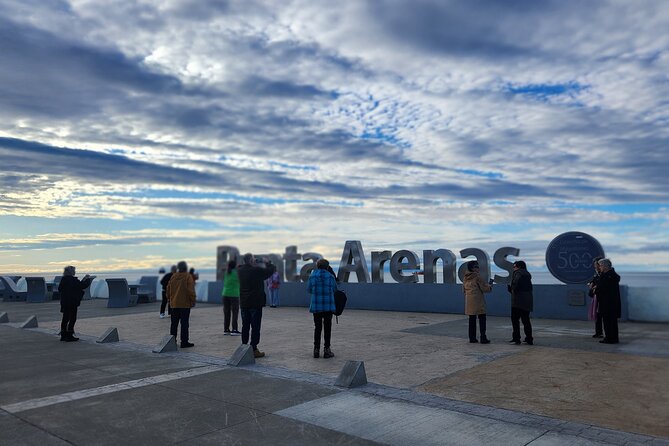
Back in Punta Arenas, the Museo del Estrecho adds the wider maritime story. The visit lasts about an hour and focuses on the Strait’s role in exploration and shipping before the Panama Canal opened.
For centuries, ships heading between the Atlantic and Pacific had to make the difficult journey around Cape Horn or pass through the Strait of Magellan. Cape Horn became notorious as a graveyard for ships because of its severe weather. The museum places those dangerous journeys in a broader story of navigation, exploration, and survival.
This stop works best after Fort Bulnes. You have already seen the waterway and learned about the settlement that Chile established there. The museum then helps you understand why the passage mattered to explorers and sailors from many countries.
The maritime subject can also appeal to people who are not museum specialists. The guide’s explanations are an important part of the visit, especially if you want a clear account rather than a quick walk past displays. If you have school memories of Magellan and early exploration, this is where those basic facts become tied to the actual region around you.
The admission is included, and the museum is one of the indoor breaks in a day that otherwise moves between vehicles and open-air sites. That makes the timing useful in cold or wet weather.
A few more Punta Arenas trips worth comparing side by side
- Punta Arenas: Full Day Tierra del Fuego & King Penguins
★ 4.3 · 179 reviews - Navigation Magdalena Island and Marta
★ 4.0 · 164 reviews - Punta Arenas & Strait of Magellan Park Value Excursion
★ 5.0 · 146 reviews - Punta Arenas: Full-Day Torres del Paine Tour
★ 4.8 · 131 reviews
Walking the cypress avenues of the Municipal Cemetery
The Municipal Cemetery is a short 30-minute stop, but it gives you a different view of Punta Arenas. It is recognized as a National Monument and is known for its orderly cypress avenues, mausoleums, and carefully arranged grounds.
This is not simply a place to take attractive photographs. The cemetery reflects the city’s international beginnings. Punta Arenas drew people from many countries, and the mix of names and burial styles shows how a settlement beside the Strait became a cosmopolitan commercial center.
The tour connects the cemetery to the early city, when newspapers appeared in several languages for different resident communities. That detail helps you see Punta Arenas as more than a remote Chilean outpost. Its location made it a meeting point for people involved in shipping, trade, farming, and settlement.
You will have time to walk and take pictures, but the stop is brief. If cemeteries interest you, you may wish the visit lasted longer. As part of a full-day route, though, 30 minutes gives you a focused look without taking too much time from Fort Bulnes and the ship museum.
Walking aboard the life-size ships at Nao Victoria
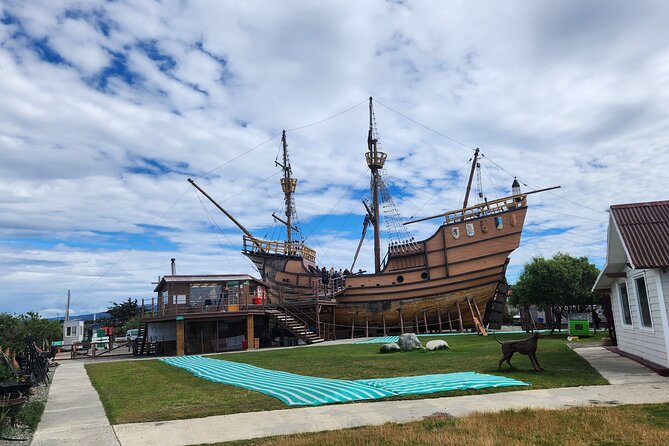
The Nao Victoria Museum is one of the tour’s most memorable stops. Admission is included, and the visit lasts about an hour.
The museum features full-size replicas of important vessels. The Nao Victoria represents one of the five ships used in Hernando de Magellan’s expedition. Seeing a ship at life size gives you a much clearer sense of the conditions faced by sailors than a small model or a paragraph in a guidebook.
You also see the Beagle, a vessel associated with exploration and the collection of information about Patagonia’s plants, animals, geology, and Indigenous peoples. The museum then moves forward to the James Caird, connected with Ernest Shackleton’s crew and one of the most famous survival stories in polar exploration.
Finally, the Goleta Ancud represents a vessel built in Chile for the 1843 effort to take possession of the Strait. That ship connects neatly back to Fort Bulnes, so the museum does not feel like a random extra stop.
I especially value this museum for families, first-time visitors, and anyone who learns best through physical objects. You can walk through the replicas and picture the cramped working spaces of the crews. The guide’s explanations add the human side, including the hardships of early voyages and settlement.
The museum is also a good reason to choose this tour instead of a simple city drive. You get a hands-on maritime experience, not just exterior views of historic buildings.
Ending at Plaza de Armas
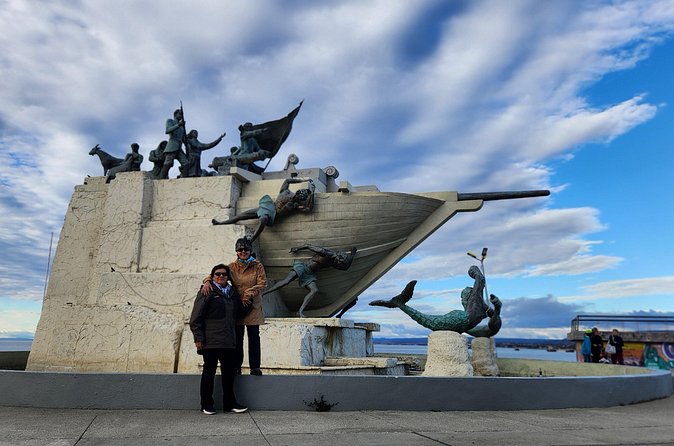
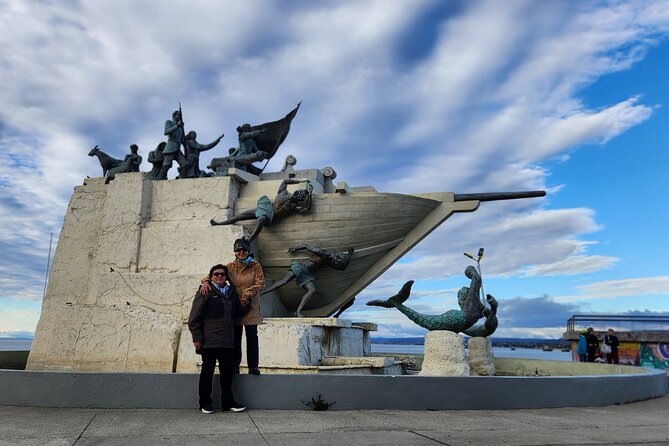
The final stop is Plaza de Armas, Punta Arenas’s central square, where you visit the monument to Hernando de Magellan. The plaza provides a natural ending because Magellan’s name is tied directly to the Strait that shaped the city.
Your guide also points out the architectural character of the square. Several buildings use a neoclassical style and were built as residences for wealthy regional families, including the Braun Palace and Montes Palace. Montes Palace now houses the municipal government.
This short 30-minute walk helps you read Punta Arenas as a prosperous port city. The grand residences may surprise you after the remote scenery south of town. They reflect the wealth and international connections that grew around shipping, sheep farming, and the Strait’s strategic location.
The tour returns you to the pier after this stop. For cruise passengers, the meeting point is the disembarkation room, and pickup and drop-off are described as easy. Still, you should keep your ship’s departure schedule in mind. The tour lasts roughly six to seven hours, so confirm the timing before booking if you have a tight port call.
What $300 includes, and what it does not
At $300 per person, the tour sits in the premium price range for a day in Punta Arenas. I would not choose it for a quick, low-cost introduction to the city. I would consider it if I wanted one organized day covering the major historic sites, Fort Bulnes, and the maritime museums without arranging several separate rides.
The price includes an air-conditioned vehicle, WiFi onboard, face-to-face guidance, and admission to Fort Bulnes, the Municipal Cemetery, and Nao Victoria Museum. One sparkling mineral water is also included.
Meals and snacks are not included. Bring something to eat, especially because the tour can run seven hours and the route goes well beyond central Punta Arenas. The supplied details do not name a restaurant stop, so you should not count on a scheduled meal.
The maximum group size is 15 people. That is large enough to keep the price below a private tour while small enough for questions and guide interaction. The strongest guide experiences came from Maritza, Cristian, and Eduardo, the driver. Cristian was praised for his love of Punta Arenas and clear explanations, while Maritza adjusted the outing to suit photography interests and even helped one visitor find a local lamb recipe and ingredients.
That last detail shows the value of a good guide, though it should not be treated as a guaranteed part of the booking. Personal touches depend on the guide, the group, and the time available.
Who will get the most from this outing
I would recommend this tour to you if you want history and scenery in one day. It suits first-time visitors to Punta Arenas, cruise passengers with enough time in port, and people who want Fort Bulnes but also want to understand the city around it.
It is a good fit for photographers, since the route includes viewpoints, open Strait scenery, native plants, historic buildings, cemetery details, and possible bird sightings. It also suits maritime-history fans because the Nao Victoria Museum gives the day a strong practical focus.
You should think twice if you dislike long drives, outdoor exposure, or a fairly full schedule. The tour covers six stops, with about an hour of driving south and several short walks. It is not built around a slow café morning or extended free time.
The service is offered in English and operates in shared mode according to the language of the service. One small group received German explanations from Oliver, but if language is important to you, confirm what is available for your date. The group limit is 15 people, and a moderate physical fitness level is recommended. Service animals are allowed, and the tour is near public transportation.
Free cancellation is available if you cancel at least 24 hours before the local start time. Last-minute cancellations and changes within that window are not accepted for a refund.
Should you book the Punta Arenas and Fort Bulnes tour?
Book it if you want the most complete single-day introduction to the area, especially if Fort Bulnes is high on your list. The tour gives you the fort, the Strait, city history, ship replicas, the cemetery, and central architecture in one well-planned route.
Skip it if you mainly want a cheap walking tour or if your port schedule leaves little room for a six to seven-hour outing. For most visitors with the time and budget, the included admissions and small shared group make the $300 cost reasonable, particularly when a strong guide such as Maritza or Cristian brings the history to life.
Pack warm layers, sturdy walking shoes, water or snacks, and a camera. Punta Arenas can be cold and windy, but that raw weather is part of what makes Fort Bulnes and the Strait feel real rather than staged.
FAQ
How long does the Punta Arenas and Fort Bulnes tour last?
The experience lasts approximately six to seven hours.
What time does the tour start?
The stated start time is 9:00 am.
Where do cruise passengers meet the tour?
Cruise passengers meet in the disembarkation room.
Is transportation included?
Yes. The tour includes an air-conditioned vehicle, pickup, drop-off, and WiFi onboard.
What admissions are included?
Admission to Fort Bulnes, the Municipal Cemetery, and Nao Victoria Museum is included.
Is food included?
No. Meals and snacks are not included, so you should plan to bring or purchase your own food.
How large is the group?
The shared tour has a maximum of 15 travelers.
Just added around Punta Arenas
- Punta Arenas : Typical Chilean Cooking Class + Chilean Wine★ 5.0 · 16 reviews
- Whales, Penguins & Glaciers Navigation From Punta Arenas★ 4.5 · 12 reviews
- Torres del Paine & Tierra del Fuego ( king penguis)★ 4.0 · 4 reviews
- Punta Arenas to Punta Arenas Airport (PUQ) – Departure Transfer★ 5.0 · 2 reviews
- Torres del Paine & Glacier Grey Navigation Private Tour★ 5.0 · 6 reviews
- Private Patagonian Forest Hike in Punta Arenas: 8 Hour★ 5.0 · 5 reviews
- Private Punta Arenas Pioneers and Palacios City Tour★ 5.0 · 3 reviews
- Premium Electric Segway Rentals in Punta Arenas★ 5.0 · 5 reviews
Punta Arenas & Patagonia, compared.

Walk with Penguins on Magdalena & Marta Island
Read our review →
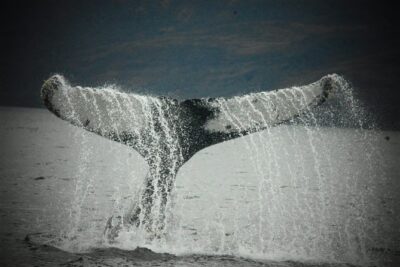
Whale and Glacier Watching from Punta Arenas Francisco Coloane Park
Read our review →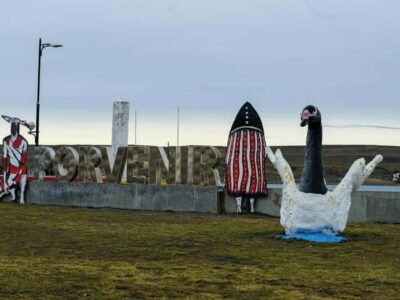
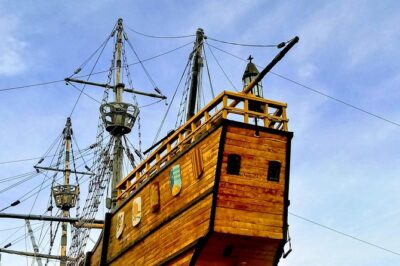
Punta Arenas & Strait of Magellan Park Value Excursion
Read our review →

Shore Excursion: Magellan Penguins Natural Reserve in Magdalena Island from Punta Arenas
Read our review →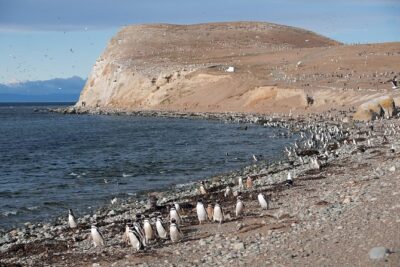
Magdalena Island Penguin Tour by Boat from Punta Arenas
Read our review →Browse the lists this tour appears in