
Reviewed · WINE TOURS
Chilean Cooking Class in Santiago with Wine Pairings
Chile begins at the market. This private Santiago experience combines a hands-on cooking class with local food, wine, and conversation in Cristian’s home. I like the choice between a daytime market visit and an evening class, and I like that you prepare two Chilean dishes from scratch rather than simply watching a chef work.
The food has a clear sense of place. You may cook charquicán, an indigenous Chilean dish, or pastel de choclo, a baked beef and corn pie, along with cardamom ceviche. Cristian, also known as Chef Tatan, brings experience as a former professional chef and restaurant owner, so the class comes with useful kitchen advice and personal stories about Chile.
The main drawback is the price: $228 per person is a serious spend for three hours. The strict cancellation policy also matters, and the daytime market option can run longer than the advertised three-hour estimate. Still, the private format, hotel transfers, wine, meal, and cultural conversation make this more than a standard cooking demonstration.
In This Review
- Key points to know before booking
- Choosing between the morning and evening classes
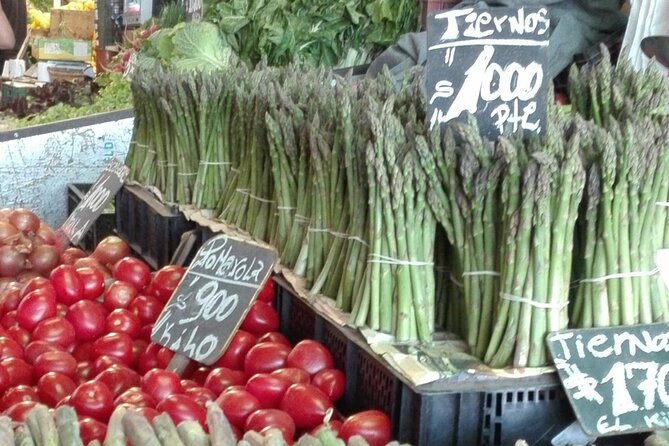
- Starting with Santiago’s three food markets
- Entering Cristian’s apartment in El Golf
- Cooking charquicán and cardamom ceviche
- Making pastel de choclo in the evening
- Wine pairings and the full meal
- What the private format adds
- Pickup, meeting details, and cancellation rules
- Who will get the most from this experience
- Should you book the Chilean cooking class?
- FAQ
- Where does the cooking class take place?
- Is hotel pickup included?
- What should I do if my hotel is outside central Santiago?
- What time does the morning experience begin?
- What time does the evening class begin?
- Which markets are included in the morning tour?
- Which dishes do you cook?
- Are wine and alcoholic drinks included?
- Can the menu change?
- Is the experience refundable?
Key points to know before booking
- Two different schedules: Choose the morning market tour and cooking lunch, or the evening cooking class and dinner.
- Three Santiago markets: The daytime option visits Vega Chica for meat, Mercado Central for fish, and Vega Grande, the largest fresh market in Latin America.
- Two dishes from scratch: Daytime cooking centers on charquicán and cardamom ceviche, while the evening menu features pastel de choclo and cardamom ceviche.
- A meal in a private apartment: The class takes place in Cristian’s apartment in El Golf, with views from a 12th-floor setting.
- Wine and Chilean starters included: Oysters, pisco sour or wine, Camembert, papaya chutney, Chilean wine pairings, and cheesecake are part of the meal.
- Plan carefully: Central Santiago hotel pickup and drop-off are included, but you must contact Cristian at least three days ahead with hotel details.
Choosing between the morning and evening classes
The daytime experience is the fuller food outing. If you choose it, Cristian picks you up around 10 a.m. from a central Santiago hotel and takes you first to three important markets. After the market visit, you continue to his apartment for the cooking session and lunch. The full program can run from about 10 a.m. to 2:30 p.m.
The evening version starts with pickup around 6 p.m., followed by the drive to the apartment in El Golf. There is no market visit, so the focus stays on cooking, conversation, and dinner. The class begins around 6:30 p.m. and finishes near 9 p.m.
I would choose the morning option if you want food to be your main way of getting to know Santiago. It gives you more context for the ingredients and lets you see the city’s food trade before sitting down to cook. The evening class suits you better if you have a packed sightseeing day or prefer a relaxed dinner activity.
The morning program is not just the evening program with a market added. It is a longer outing, and the market stops can make the schedule feel full. If you are primarily interested in cooking time, the evening option may offer a cleaner, more focused experience.
Other Chilean wine days near Santiago:
- Valparaiso Port and Viña del Mar with Casablanca Wine Tasting
★ 5.0 · 6,110 reviews - Tour to Valparaíso, Viña del Mar, Pablo Neruda Museum and Vineyard
★ 5.0 · 2,273 reviews - Maipo Valley Wine Tour with 4 vineyards from Santiago.
★ 5.0 · 1,983 reviews
Starting with Santiago’s three food markets
The market tour begins at Vega Chica, the meat market. This stop gives you a look at the ingredients behind many Chilean home meals. The point is not simply to admire stalls. You are seeing the food system that supplies local kitchens, then using selected ingredients later in the class.
Next comes Mercado Central, Santiago’s well-known fish market. That stop connects naturally to the cardamom ceviche you will prepare. Fresh seafood is not an abstract idea here. You can see the setting where fish is sold before working with a seafood dish in the kitchen.
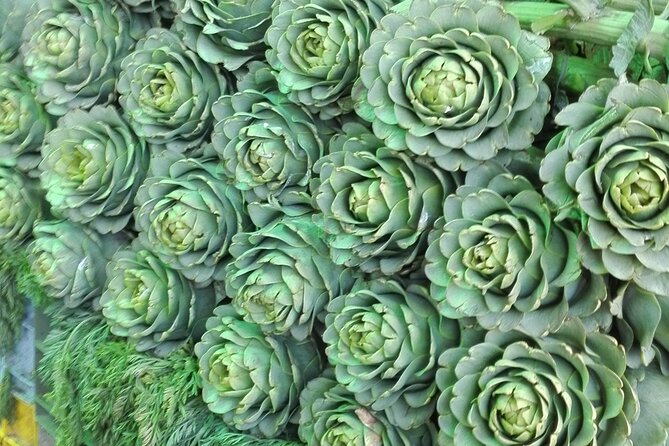
The third stop is Vega Grande, described as the largest fresh market in Latin America. This is where the range of produce becomes most useful for understanding Chilean cooking. Seasonal fruits and vegetables help explain why the menu may change during the year.
If you enjoy markets, the morning route adds real value. You are not being taken to a tourist shop or a generic food court. You are visiting meat, fish, and fresh produce markets, then cooking with the kind of ingredients you have just seen.
The tradeoff is time. Three markets plus transportation and cooking make this a substantial morning and early afternoon. Wear comfortable shoes and expect the experience to feel more like a food study tour than a quick class.
Entering Cristian’s apartment in El Golf
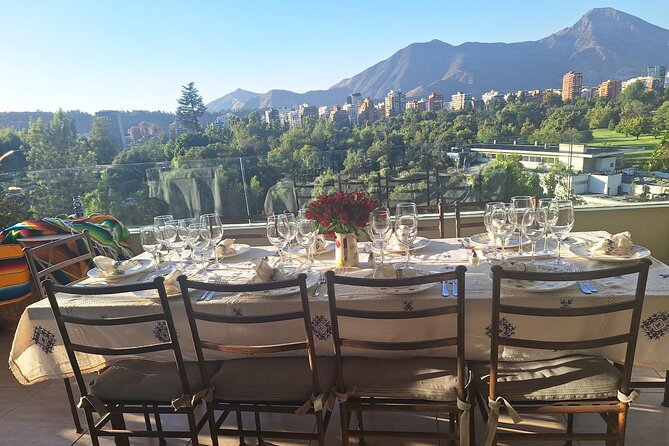
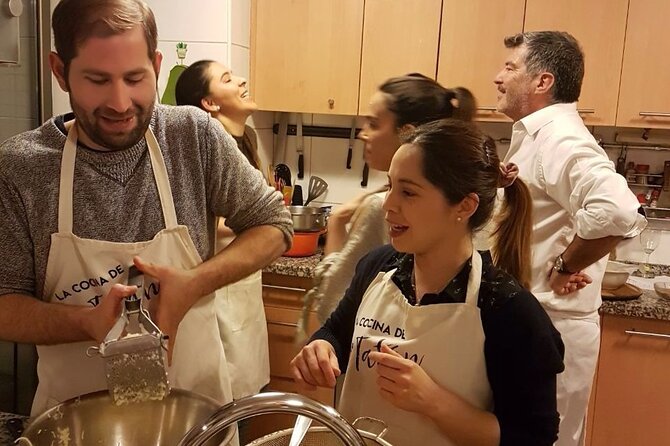
After the market tour, or directly after evening pickup, you head to Cristian’s apartment in El Golf. The experience takes place in a private home rather than a restaurant kitchen. That changes the tone. You are learning family-style recipes in a personal setting, with time for questions about Chilean food and daily life.
The apartment is described as being on the 12th floor, with views over Santiago. Before cooking, you are welcomed with oysters. Depending on the menu and your choice, they come with white wine, Sauvignon Blanc, or a pisco sour.
That welcome sets the pace well. You do not arrive and immediately start chopping. There is a short social beginning, plus Camembert with papaya chutney paired with Carmenere wine. Chile’s wine culture is part of the meal rather than an afterthought.
Cristian’s background adds another layer. He has worked as a professional chef and restaurant owner, and he has experience with corporate cooking events as well as private food experiences. You can expect stories about Chile and his own work around the world, along with practical cooking guidance.
One small point needs care: the supplied experience details identify Cristian as the host, while one meal account uses the name Andrea. Because of that inconsistency, confirm the host and meeting details when you contact the provider. The core format remains clear: a private cooking experience in a Santiago home.
Cooking charquicán and cardamom ceviche
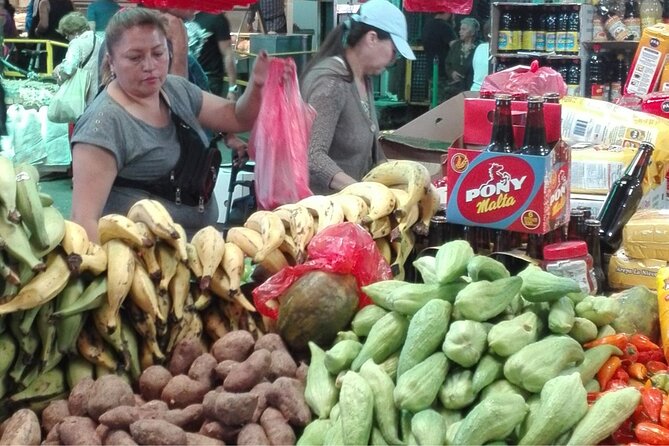
The daytime menu includes charquicán and cardamom ceviche. Both dishes give you a useful contrast.
Charquicán is described as a traditional Chilean dish with indigenous roots. It is a good choice for understanding home cooking because it is not presented as a fancy restaurant invention. The dish connects the class to local food traditions and to Chile’s pre-colonial past.
Ceviche brings in the country’s seafood culture. The cardamom element gives the recipe a distinct twist, while the market visit helps place the dish in context. You work through the preparation instead of receiving a finished plate with no explanation.
The class is hands-on, but the exact amount of work may vary. One account praised the meal and cultural talk while wishing there had been more cooking. That is useful advice. If you want a fast-paced professional kitchen lesson where you handle every step, ask Cristian what you will personally prepare before booking.
For most people, the value is broader than learning two recipes. You get an introduction to ingredients, cooking customs, Chilean history, and the connection between market produce and the family table.
A few more Santiago trips worth comparing side by side
- 4h Cooking Class in Santiago with 8 Recipes & Bottomless Drinks
★ 5.0 · 32 reviews - Santiago Chilean and Peruvian Cooking Class with a Local Carol
★ 5.0 · 12 reviews - Cooking Class in Santiago de Chile
★ 5.0 · 9 reviews - Private Market Tour and Traditional Chilean Cooking Class in a Local Home
★ 5.0 · 5 reviews
Making pastel de choclo in the evening
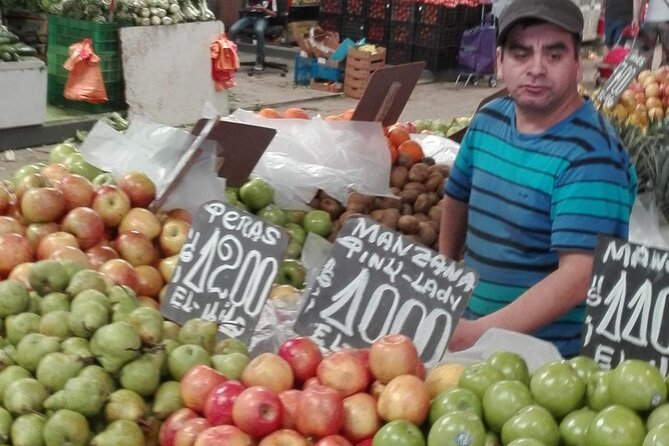
The evening menu replaces charquicán with pastel de choclo. This is a Chilean beef and corn pie, and it gives the night a hearty centerpiece.
Pastel de choclo is especially suited to a home cooking class because it represents the kind of substantial dish that explains Chilean comfort food better than a small tasting plate. You learn how the components come together, then eat the result as part of the dinner you helped prepare.
The evening meal also includes cardamom ceviche, so you still get the fresh seafood course. The two dishes work well as a pair: one is a baked, filling main course, while the other is lighter and sharper.
The advertised menu lists oysters, wine or pisco sour, Camembert with papaya chutney and Carmenere, ceviche, pastel de choclo, and cheesecake. Seasonal changes are possible, so do not treat the sample menu as a guaranteed final list.
Wine pairings and the full meal
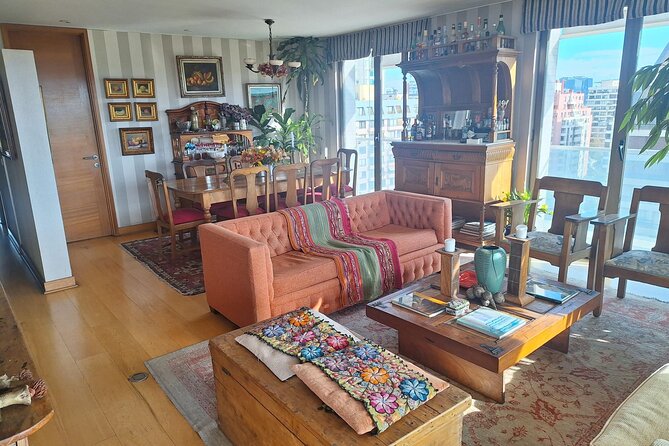
Wine is included, which matters when judging the price. The menu pairs Carmenere with the Camembert and papaya chutney, while Sauvignon Blanc or white wine appears with the oysters. A pisco sour may be offered instead of wine at the welcome.
These pairings help you understand Chile through its table, not just its recipes. Carmenere is strongly associated with Chile, and its inclusion gives the meal a local identity. You are not paying extra each time a glass arrives, since alcoholic beverages and taxes are included.
Dessert is cheesecake on both sample menus. That gives the meal a familiar finish after dishes that may be new to you. One separate account described a different menu with trout, bread, crepes, caramel, and fruit sauce, which reinforces the need to confirm the seasonal menu and any substitutions.
Food allergies, dietary restrictions, and cooking preferences should be shared when you book. The provider specifically asks for this information at the time of booking, and the menu may change with the season.
What the private format adds
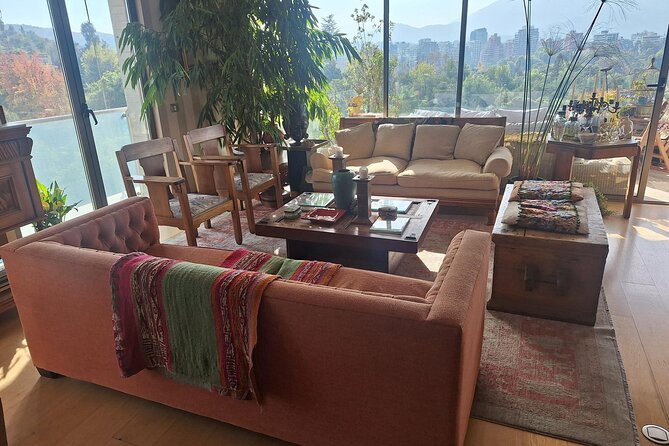
This is a private activity, so only your own group participates. That is a major difference from a large cooking school. You can ask questions without competing for the chef’s attention, and the conversation can follow your interests.
I see the private setting as particularly useful for couples, families, and small groups who want a personal introduction to Chilean culture. It also works well for people who find large group classes tiring or impersonal.
The setting is informal, but the host’s professional background gives it structure. Cristian can talk about techniques, ingredients, recipes, and the city while you cook. His personal stories are part of the appeal, especially if you enjoy meeting local people rather than simply checking off attractions.
The private format also explains part of the price. At $228 per person, this is not a budget meal. You are paying for a host-led cultural activity, transportation from a central hotel, market access and guiding on the daytime option, a private class, a full meal, alcohol, and a small-group setting.
For a solo diner, the cost may feel hard to justify. For a couple or family that would otherwise pay separately for a meal, transport, and a food tour, the value is easier to see. Group discounts may also be available, so ask about them before booking.
Pickup, meeting details, and cancellation rules
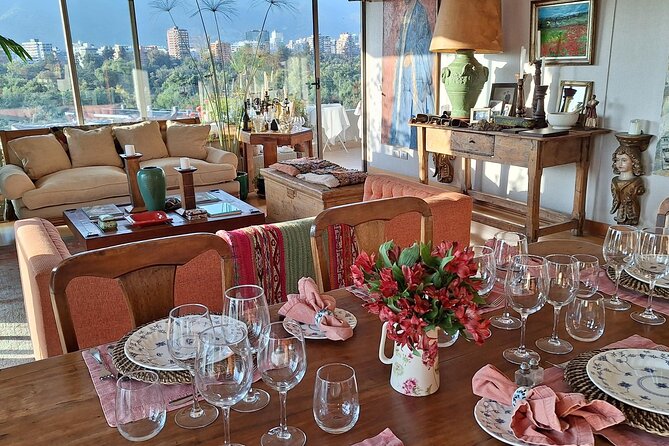
Central Santiago hotel pickup and drop-off are included. If your hotel is outside the center, you may need to meet Cristian directly at his apartment in El Golf, and transport from a non-central hotel is not included.
Contact Cristian at least three days before the experience with your hotel details. This gives you time to discuss if pickup is possible and prevents a last-minute meeting-point problem.
The activity is near public transportation, which helps if you are not staying centrally. Still, the exact apartment address and meeting arrangements should be confirmed in advance.
The cancellation rule is unusually strict. You need to cancel at least one week before the experience for a full refund, and the booking information also describes the experience as non-refundable and unchangeable. Read the final terms carefully before paying, especially if your Santiago schedule is still shifting.
Confirmation is expected within 48 hours, subject to availability. Since the class is private and operates on a set schedule, do not leave it until the last day of your trip.
Who will get the most from this experience
I would recommend the morning option to you if you enjoy markets, local ingredients, and a longer food-focused outing. It gives you the best sense of how products move from Santiago’s markets into a Chilean home kitchen.
Choose the evening class if you want a shorter plan centered on cooking and dinner. It is also the better fit if you already have market visits on your schedule or if your daytime hours are reserved for museums and city sightseeing.
Food professionals and serious home cooks may appreciate Cristian’s background and stories, but they should clarify how much hands-on work is included. The experience is designed as a cultural cooking session, not necessarily as a technical culinary course.
Families and couples should find the private setting comfortable, provided everyone is happy with the listed dishes and alcoholic pairings. Tell the provider about allergies, dietary needs, and cooking preferences before the date.
Should you book the Chilean cooking class?
Book it if you want more than a restaurant meal in Santiago. The strongest reasons are the private home setting, the link between local markets and traditional recipes, the wine pairings, and Cristian’s professional cooking background.
I would be more cautious if you want a low-cost activity, need flexible cancellation, or expect several hours of intensive cooking. The price is high, the schedule is fixed, and the amount of kitchen work may not satisfy someone seeking a formal chef-training lesson.
For a special meal with a personal Chilean connection, this is a strong choice. Pick the morning market version for the fullest food experience, or the evening class for a simpler dinner plan. Confirm the host, menu, pickup, and cancellation terms before you commit.
FAQ
Where does the cooking class take place?
The class takes place in Cristian’s apartment in El Golf, Santiago.
Is hotel pickup included?
Pickup and drop-off are included for hotels in central Santiago. Transport from non-central hotels is not included.
What should I do if my hotel is outside central Santiago?
You may need to meet Cristian directly at his apartment in El Golf. Contact him at least three days before the experience to discuss your hotel details and pickup possibilities.
What time does the morning experience begin?
The morning option includes pickup around 10 a.m. from central Santiago hotels.
What time does the evening class begin?
Evening pickup is around 6 p.m., with the cooking class starting at approximately 6:30 p.m. and finishing near 9 p.m.
Which markets are included in the morning tour?
The morning route visits Vega Chica for meat, Mercado Central for fish, and Vega Grande for fresh produce.
Which dishes do you cook?
The daytime menu includes charquicán and cardamom ceviche. The evening menu includes pastel de choclo and cardamom ceviche.
Are wine and alcoholic drinks included?
Yes. Alcoholic beverages, including listed wine pairings and a possible pisco sour, are included.
Can the menu change?
Yes. The menu may vary by season. You should provide information about allergies, dietary restrictions, and cooking preferences when booking.
Is the experience refundable?
The experience requires at least one week’s cancellation for a full refund, and the booking terms also describe it as non-refundable and unchangeable. Check the final cancellation conditions before payment.
More Workshops in Santiago
- Ski Experience in Valle Nevado, Lessons, Transportation, and More
★ 5.0 · 361 reviews - New Concha y Toro Tour Marques with class, extra tasting y food
★ 4.0 · 329 reviews - Casablanca world class wines, 4 vineyards & Tanino lunch stop
★ 5.0 · 109 reviews - Santiago: World-class Wines, Visit to 4 Vineyards and Tanino
★ 5.0 · 91 reviews
Just added around Santiago
- Walking City Tour with Funicular, Cable Car and Tasting★ 4.3 · 6 reviews
- Tour VIÑA CONCHA Y TORO + CASA MARQUES – Chile, from Santiago.★ 5.0 · 2 reviews
- VIÑA DEL MAR AND VALPARAISO TOUR★ 4.8 · 20 reviews
- Undurraga Wine tour★ 4.2 · 15 reviews
- Undurraga + Isla Negra + San Afonso del Mar —– Full day★ 4.1 · 8 reviews
- wetravelneruda’s route – Pablo Neruda’s route – Private tour★ 5.0 · 6 reviews
- Southcoast – Private Full-Day tour★ 5.0 · 6 reviews
- Santiago Private walking tour with Lunch★ 5.0 · 5 reviews
Wine Tours, compared.

Valparaiso Port and Viña del Mar with Casablanca Wine Tasting
Read our review →
Tour to Valparaíso, Viña del Mar, Pablo Neruda Museum and Vineyard
Read our review →
Maipo Valley Wine Tour with 4 vineyards from Santiago.
Read our review →
Inca Lagoon in Andes Mountain Range – Visit Local Vineyard with Tasting included
Read our review →
Marquis de Casa Concha: Wine tasting in Concha y Toro
Read our review →

Andes Range Tour at Inca Lagoon & InSitu Winery Snack Included
Read our review →
Cajon Del Maipo Including Wine with Picnic and Empanada
Read our review →Browse the lists this tour appears in