
Reviewed · CHILE
Pucón: Ascent to Villarrica Volcano
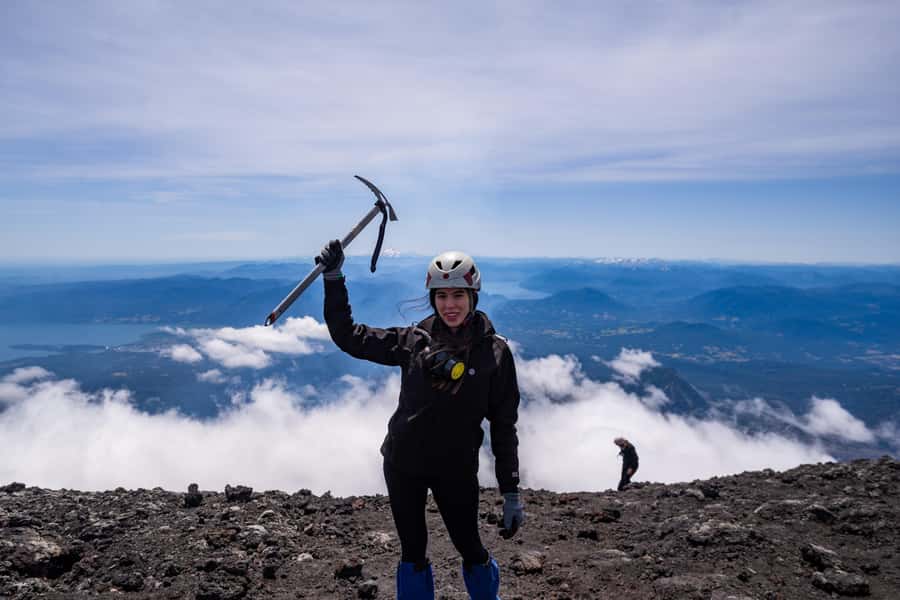
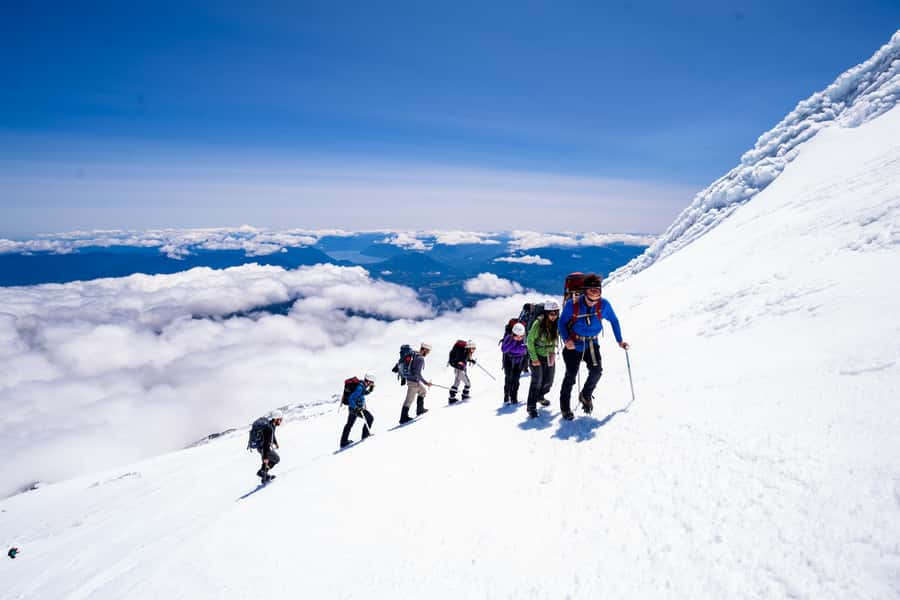
Reach the crater before lunch. This full-day climb gives you a serious mountain challenge, sweeping views over Pucón, Villarrica, nearby lakes and volcanoes, plus the rare chance to look into an active volcanic crater. I like the quality mountain equipment and the careful guide support on the glacier. I also like the reward at the top: on some days, you may see lava inside the crater.
The main catch is simple: this is a hard uphill day, not a casual nature walk. Wind, weather, altitude and a gain of roughly 1,570 meters can make the climb demanding, and the summit is never guaranteed. Still, the well-organized start, strong guide team and snow-slide descent make this one of Pucón’s most exciting outdoor experiences.
In This Review
- Key Points Before You Book
- Why Villarrica Is Worth the Effort
- A 6:00 am Start at Terravolcano
- The 30-Minute Ride to Villarrica National Park
- Five to Six Hours of Steady Climbing
- Crampons and Ice Axes Near the Glacier
- The 2,848-Meter Crater
- Snow Slides or a Walk Back Down
- What the $185 Price Really Covers
- The Guides and Language Options
- Who Should Book This Climb?
- Should You Book the Villarrica Ascent?
- FAQ
- Where does the Villarrica Volcano climb begin?
- What time does the activity start?
- How long does the full experience last?
- How long is the drive to Villarrica National Park?
- How high is the summit?
- How long does the ascent take?
- Is technical equipment included?
- Do I need to bring my own food and water?
- Can I see lava in the crater?
- What happens during the descent?
Key Points Before You Book
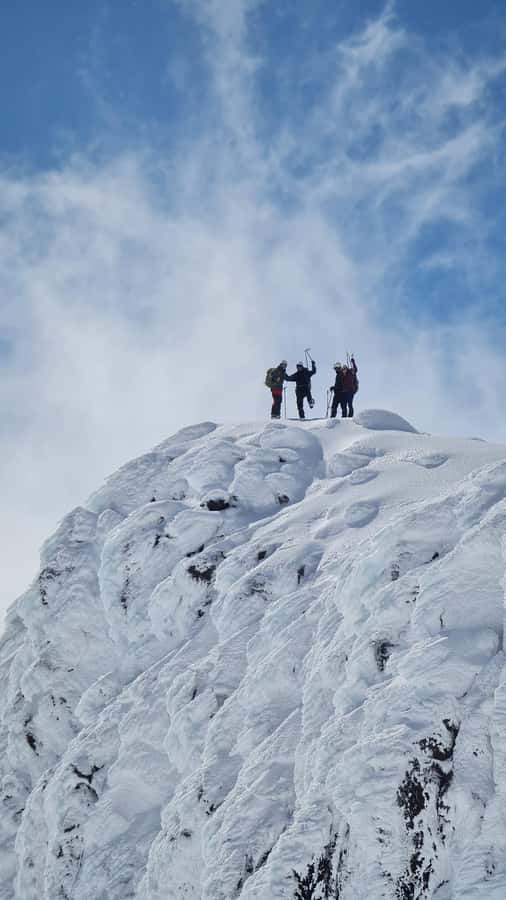
- A real summit climb: You hike to 2,848 meters above sea level, with about five to six hours of uphill effort.
- Early start matters: Meet at Terravolcano at 6:00 am, then reach the national park after a roughly 30-minute drive.
- Glacier equipment is provided: Crampons, an ice axe, mountain footwear, helmet and other essential gear are included.
- The descent can be the highlight: In autumn, winter and spring, you may slide down prepared snow chutes instead of walking the entire way.
- Guides set the tone: Felipe, Cristian and JR received especially strong praise for their pace, instruction and care with mixed-ability groups.
- Bring more food and water than you think: The tour requires two liters of water and food for a long day outside.
Why Villarrica Is Worth the Effort
Villarrica is not simply a viewpoint with a short trail. It is a high volcano climb that takes you from the base through changing mountain conditions to an exposed summit crater. That sense of progress is a big part of the appeal.
From the upper route, you can look back toward Pucón and Villarrica, with lakes and other volcanoes spread across the distance. The view improves as you climb, but the route also becomes tougher. You need to accept that the best scenery comes with slower steps, hard breathing and possible wind.
At the summit, the reward is unusually dramatic. You can see into the crater and observe the volcano’s geological formation. Depending on the day’s volcanic activity, lava may be visible below. That possibility adds genuine excitement, but it also explains why weather and safety checks matter so much.
I would choose this outing for the sense of achievement as much as for the views. A cable car or lookout can show you a volcano. This climb asks you to earn it.
Other Chile trips travellers pair with this one:
- Valparaiso Port and Viña del Mar with Casablanca Wine Tasting
★ 5.0 · 6,110 reviews - Santiago: Cajon del Maipo/Embalse del Yeso Tour with Picnic
★ 4.3 · 3,789 reviews - Santiago: Vina Del Mar, Valparaiso, Casablanca & Reñaca Tour
★ 4.2 · 2,838 reviews
A 6:00 am Start at Terravolcano
Your day begins at the Terravolcano Agency at Avenida Bernardo O’Higgins 717, local 4, inside Bulevar Patagonia. The early meeting time is practical. Starting at 6:00 am gives the group a chance to reach the trailhead early and make the most of the morning conditions.
Before the activity, you need to visit the office one day in advance to test the equipment. Do not treat this as optional paperwork. Properly fitting boots, crampons, clothing and other gear can make a long climb much more comfortable.
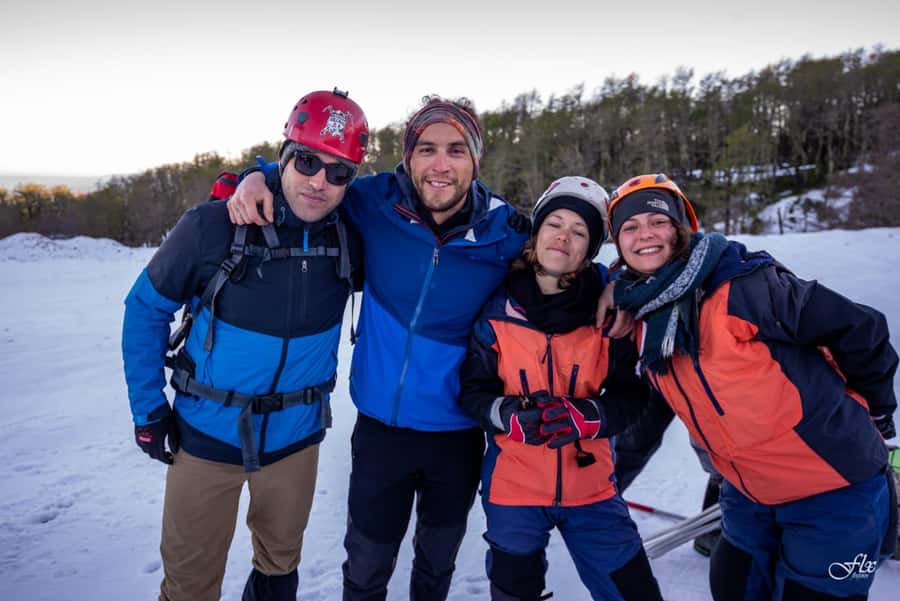
The outfitting includes a helmet, backpack, mountain footwear, crampons, ice axe, trouser covers, windproof jacket, trekking poles and gloves. Transport and the Villarrica National Park entrance are also covered in the $185 price.
You supply the items that touch your personal comfort and energy needs. Bring warm clothing, hiking pants, a long-sleeved shirt, socks, sunglasses, a cold-weather hat, sunscreen, a sun hat, food and at least two liters of water. A charged smartphone is useful for photographs, but keep it protected from cold and moisture.
For food, take the advice seriously. Pack sandwiches, fruit, cookies, chocolate or similar snacks. The climb lasts much of the day, and you do not want your summit attempt limited by a small breakfast.
The 30-Minute Ride to Villarrica National Park
After equipment checks, the group drives for about 30 minutes to Villarrica National Park. The transfer is included, which keeps the morning simple and avoids the need to arrange a separate vehicle.
At the park, expect a safety briefing of about ten minutes. This is where you receive the final instructions before the uphill section begins. The guides also explain how to use the equipment as conditions change.
The short briefing matters because crampons and ice axes are not decorative extras. Near the glacier, you will use both under guide supervision. The guides also teach ice safety skills, including how to self-arrest with an ice axe. Pay attention here, even if you have used winter gear before.
The group may include people with different hiking speeds. A strong feature of this outing is the guide approach to pacing. Felipe, Cristian and JR were praised for allowing a group to split naturally into two while keeping the day organized. That can be helpful if you are fit but not the fastest person on steep ground.
Five to Six Hours of Steady Climbing
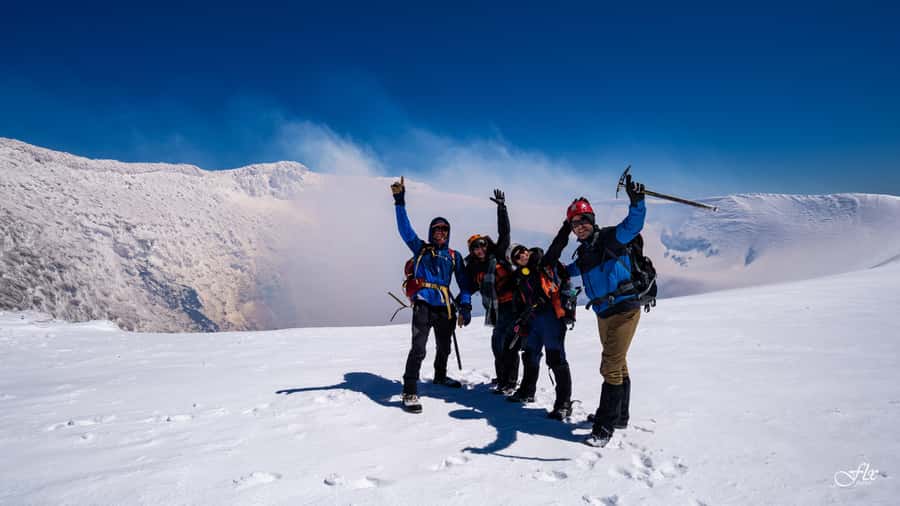
The uphill section takes around five to six hours. The pace is described as constant, which means you should expect steady progress rather than long sightseeing stops. You will have time to enjoy the views, but this remains a physical ascent.
The climb can feel especially serious because the elevation gain is about 1,570 meters according to one detailed account of the route. That is a useful figure to keep in mind. Even people who hike regularly should prepare for sustained uphill work at altitude.
The route gives you changing views of Pucón, Villarrica, lakes and other volcanoes. These views are not just a final reward. They help break up the long climb, giving you something to notice as you settle into the rhythm of each step.
Wind can be a major factor. One January climb was described as very windy, even though the summit was reached successfully. Pack layers rather than relying on one thick coat. A windproof jacket is supplied, but your base layers and spare clothing still matter.
The guides’ pacing is another reason this outing earns strong marks. A good pace keeps you moving without burning out too early. You should still be honest about your fitness. The tour is not suitable for people with respiratory problems, altitude sickness, recent surgeries or vertigo.
Children under 18 are not accepted, and unaccompanied minors are not allowed. Pregnant women should not book this activity.
Still Chile, but an entirely different landscape:
- Cable Car, Funicular and Sightseeing Bus in Santiago one day
★ 5.0 · 2,325 reviews - Small-Group Cajón del Maipo Full-Day Tour and Picnic
★ 4.5 · 2,277 reviews - Tour to Valparaíso, Viña del Mar, Pablo Neruda Museum and Vineyard
★ 5.0 · 2,273 reviews - Maipo Valley Wine Tour with 4 vineyards from Santiago.
★ 5.0 · 1,983 reviews
Crampons and Ice Axes Near the Glacier
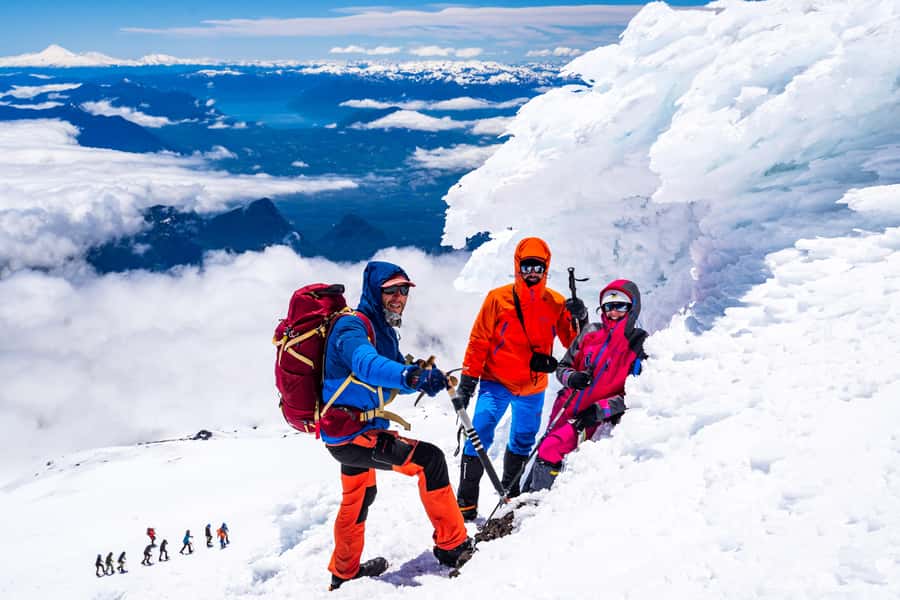
The upper part of the climb changes character as you approach the glacier. This is where the provided crampons and ice axe become essential. The guides help you put them on and explain how to move safely across the snow and ice.
This equipment is a major value point. Renting mountain gear separately can quickly add cost and hassle, while the company handles the main technical items as part of the outing. You still need to bring suitable personal clothing and eye protection.
Sunglasses are especially important. Bright snow can be hard on your eyes, and sunscreen is necessary even on a cold day. The supplied list also calls for a sun hat and a hat for cold conditions, so bring both types if you have them.
Use your trekking poles where appropriate, but listen to the guides when the ice axe becomes the key tool. Their instruction is part of the experience, not just a safety formality. The goal is to help you move with control rather than simply push upward.
The 2,848-Meter Crater
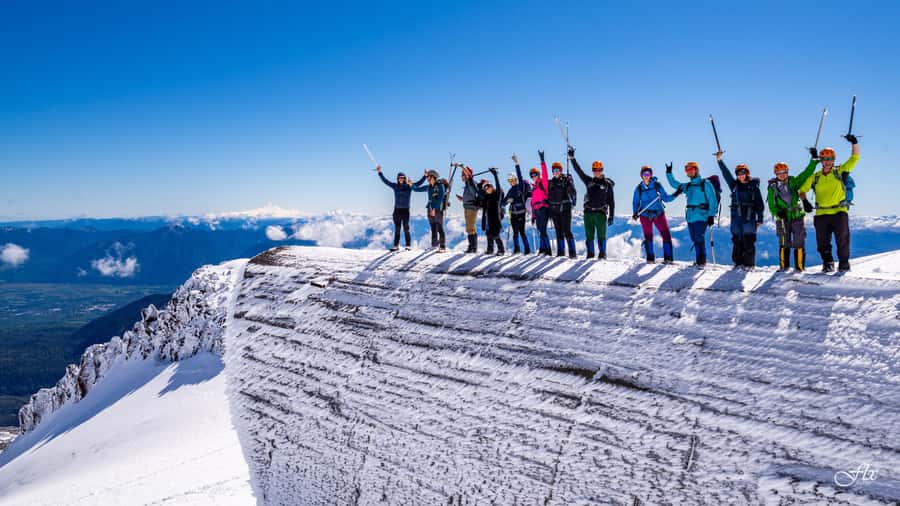
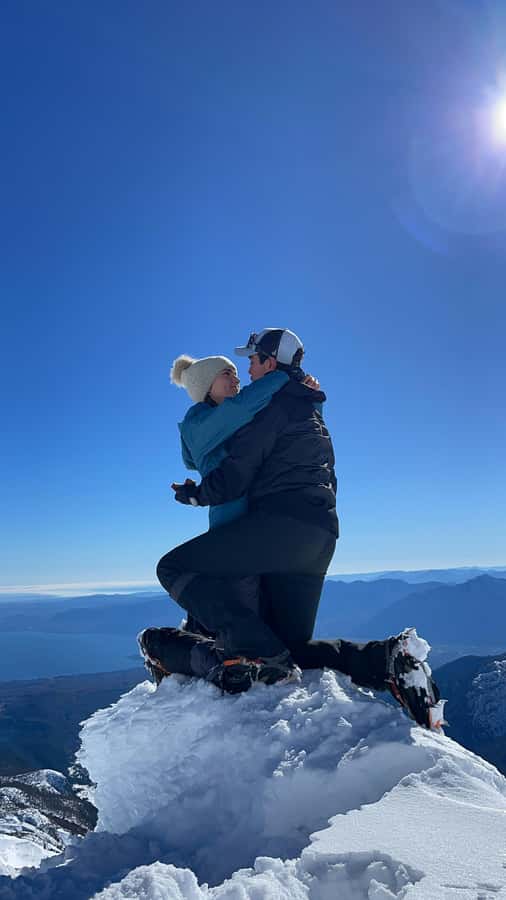
After the long ascent, the summit reaches 2,848 meters above sea level. You get about ten minutes for photographs and to take in the crater. That may sound brief, but at this height and after hours of climbing, the short stop helps keep the group moving safely.
The crater is the main reason to choose Villarrica over a standard mountain hike. You can look into the volcanic center and see the rough geological structure up close. On a suitably active day, lava may be visible inside.
Do not count on lava as a promise. Volcanic activity changes, and the operator checks conditions the day before and again on the day of the activity. The summit itself depends on weather and safety conditions. A disappointing weather cancellation would be frustrating, but it is the correct decision for a climb of this type.
The summit photographs are worth planning for. Keep your phone charged, but store it where wind and cold will not drain the battery too quickly. Take your moment at the top, then follow the guide’s instructions for the descent.
Snow Slides or a Walk Back Down
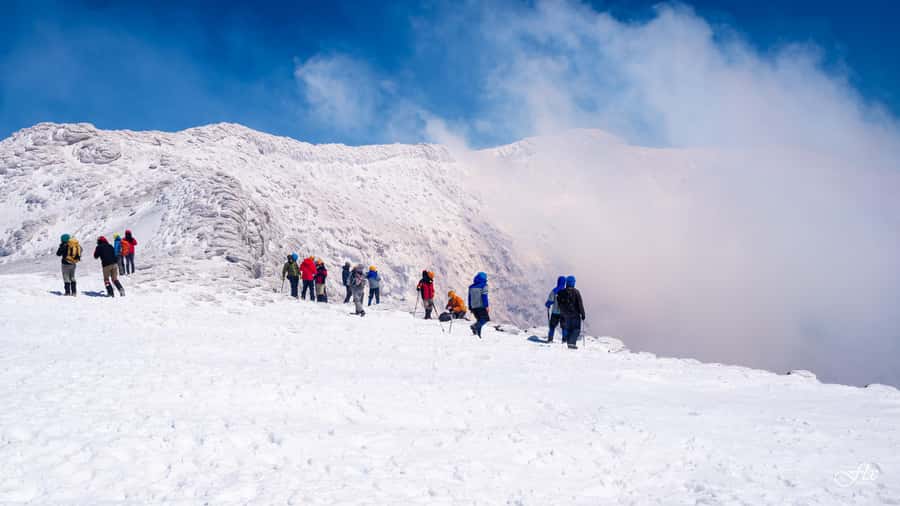
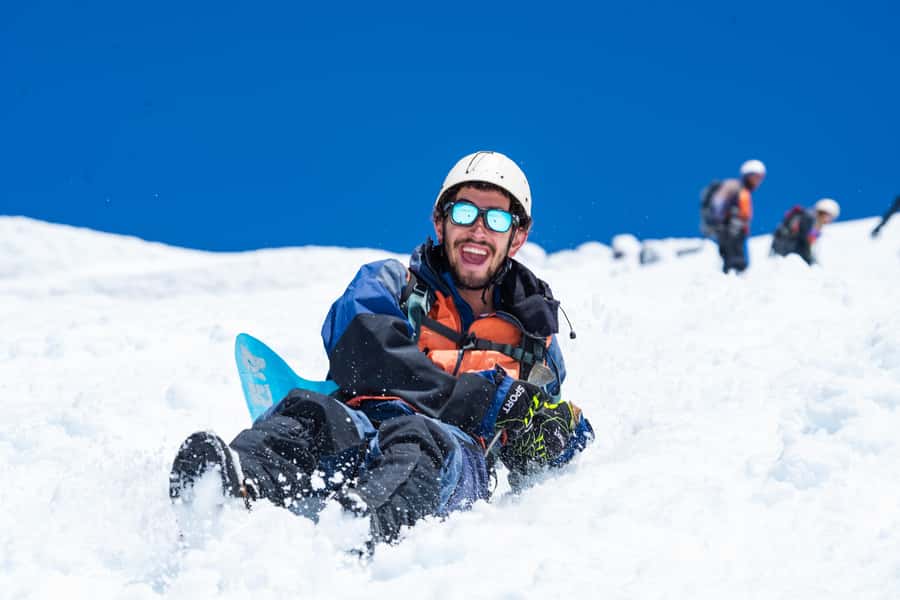
The descent varies by season. In autumn, winter and spring, the group may slide down snow chutes. This is not merely a faster way down. For many people, it becomes the most memorable part of the day.
One detailed account called the glacier slide the highlight of the entire outing. It also made the return feel much easier after the demanding climb. You should still expect instruction and supervision, and conditions will determine how the descent works.
In summer, you descend on foot. The return to the base takes between two and four hours, so the total day remains long even after reaching the crater. Walking down can be tiring on knees and legs, especially after a high-altitude climb.
The difference between seasons is important when you compare dates. If sliding sounds like a major reason to book, autumn, winter or spring may be more appealing. If you prefer a warmer season and do not mind walking down, summer still provides the climb, crater and views.
At the bottom, the van takes you back to Terravolcano in about 30 minutes. The company celebrates the finish with cold beer in summer or hot chocolate in winter. One account also described pisco sours, beer, fruit, juice and snacks waiting at the end, though you should treat the exact refreshments as subject to the day’s arrangements.
What the $185 Price Really Covers
At $185 per person, this is not a cheap half-day walk. It is a full mountain operation with certified guides, transport, national park admission, insurance and a substantial package of technical equipment.
The value improves if you would otherwise need to rent boots, crampons, an ice axe, poles, a helmet, gloves and outer layers. You also avoid arranging transport to the park yourself. For a first volcano climb, having a guide team manage the equipment and route is worth paying for.
The price does not cover sunglasses, sunscreen, hats, water or food. Those costs are small beside the tour fee, but the practical point is more important: you must arrive prepared. A poorly supplied snack bag can make the return harder than it needs to be.
The activity also offers free cancellation up to 24 hours before the start, and you can reserve now and pay later. Since weather affects the climb, that flexibility is useful. Check the available starting time when booking, as the listed duration is 510 minutes, or about eight and a half hours.
The Guides and Language Options
The activity includes certified guides who speak English, French and Portuguese. That makes the safety briefing and glacier instruction easier to follow for a wider range of climbers.
The guide team is central to the experience. Felipe, Cristian and JR received particularly strong praise for their organization, friendly manner and ability to handle a group with different hiking levels. Their approach allowed faster and slower participants to find a natural rhythm without turning the climb into a race.
You should still ask questions and tell the guides if you are struggling. A steady pace is useful, but no guide can remove the physical demands of a 2,848-meter ascent.
Who Should Book This Climb?
I would recommend it to fit adults who want a real challenge and are comfortable spending most of a day outdoors. You should be ready for steep, sustained climbing, cold conditions, strong sun and possible wind.
It suits you especially well if:
- You want to stand beside an active volcanic crater.
- You value supplied technical gear and organized transport.
- You enjoy demanding outdoor activities more than relaxed sightseeing.
- You like the idea of a snow-slide descent.
- You can carry food and water for a long day.
I would skip it if you are looking for a gentle walk, have serious breathing concerns, suffer from vertigo or altitude sickness, are pregnant, recently had surgery or are under 18. You should also reconsider if you dislike uncertain weather plans. The summit depends on conditions, and nature gets the final say.
Should You Book the Villarrica Ascent?
Book this experience if reaching the summit matters more to you than comfort. The climb is hard, but the package handles the difficult logistics: transport, park access, equipment, insurance and certified guide support.
My strongest advice is to prepare properly. Attend the equipment fitting the day before, bring two liters of water, pack plenty of snacks, wear layers, and do not forget sunglasses and sunscreen. If you arrive ready for a long uphill day, the crater views and seasonal snow slide can make the $185 worthwhile.
If you want a relaxed volcano viewpoint, choose something else. If you want to work for one of Chile’s most dramatic mountain moments, Terravolcano is a strong choice.
FAQ
Where does the Villarrica Volcano climb begin?
The meeting point is the Terravolcano Agency at Av. Bernardo O’Higgins 717, local 4, in Bulevar Patagonia.
What time does the activity start?
The day begins at 6:00 am at the Terravolcano office.
How long does the full experience last?
The stated duration is 510 minutes, or about eight and a half hours.
How long is the drive to Villarrica National Park?
The included van transfer takes about 30 minutes each way.
How high is the summit?
The summit reaches 2,848 meters above sea level.
How long does the ascent take?
The uphill climb takes about five to six hours, depending on conditions and the group.
Is technical equipment included?
Yes. The package includes a helmet, backpack, mountain footwear, crampons, ice axe, trouser covers, windproof jacket, trekking poles and gloves.
Do I need to bring my own food and water?
Yes. Bring food for the day and at least two liters of water. Snacks such as fruit, sandwiches, cookies and chocolate are recommended.
Can I see lava in the crater?
You may see lava inside the crater, depending on the volcano’s activity at the time of the climb.
What happens during the descent?
In autumn, winter and spring, you may slide down snow chutes. In summer, the descent is made on foot. The return to the base takes about two to four hours.
Just added around Chile
- Volcanic Refuges: Excursion to Underground Civilization★ 4.7 · 8 reviews
- Walking City Tour with Funicular, Cable Car and Tasting★ 4.3 · 6 reviews
- Viña del Mar and Valparaiso: guided day tour★ 4.2 · 8 reviews
- Viña del Mar: Guided city tour★ 4.9 · 10 reviews
- Tour VIÑA CONCHA Y TORO + CASA MARQUES – Chile, from Santiago.★ 5.0 · 2 reviews
- Viña del Mar and Reñaca 4-Hour Pacific Coast Tour★ 4.7 · 14 reviews
- VIÑA DEL MAR AND VALPARAISO TOUR★ 4.8 · 20 reviews
- Private: Viña del Mar and Valparaiso Day Tour★ 5.0 · 5 reviews