
Reviewed · FOOD & DRINK
Premium Wine Tasting in Santiago de Chile
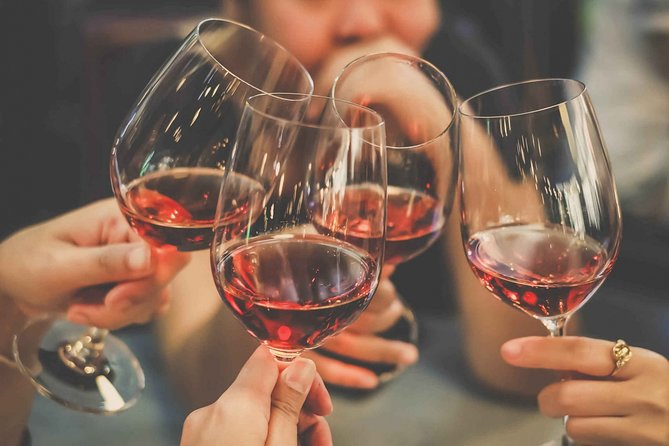
Chile in five glasses. This compact tasting brings boutique Chilean wines to a central Santiago address, with five pours representing different regions, climates, and grape styles. You also get local tapas, so the experience feels like a small wine lesson with a snack rather than a formal class.
I like the short 40-minute format, which leaves your day open, and I like the focus on small, hard-to-find labels instead of only famous supermarket bottles. The main caution is that the teaching may vary: one participant received detailed pairing guidance, while another felt the wine explanations were too light.
In This Review
- Key points
- Five Chilean regions, five different glasses
- Why boutique bottles make this more than a basic tasting
- What happens at José Victorino Lastarria 276
- The 40-minute schedule is the real advantage
- The pairing: cold cuts, nuts, and local flavors
- How much instruction should you expect?
- Price and what the $77 fee really buys
- Lastarria makes the setting easy to pair with your plans
- Who will enjoy this tasting most?
- Should you book the five-wine flight?
- FAQ
- How long does the wine tasting last?
- How many wines are included?
- What food is included?
- Where does the experience start?
- Where does the experience end?
- Is transportation from my hotel included?
- How large is the group?
- Is the tasting near public transportation?
- Can I cancel for a full refund?
Key points
- Five Chilean regions in one flight: Taste wines linked to the seaside, Andes, central valley, southern old vines, and newer wine areas.
- Boutique labels: The selection focuses on highly allocated, emerging, and small-producer wines.
- Local tapas included: Cold cuts, nuts, and other local pairings help show how Chilean flavors work with wine.
- A quick Santiago activity: The tasting lasts about 40 minutes, making it easy to fit before dinner, between sights, or at the start of an evening.
- Small group setting: The maximum group size is 10 people, allowing for a more personal session than a large wine lecture.
- Central meeting point: The listed address is José Victorino Lastarria 276, near public transportation, in the Lastarria area.
Five Chilean regions, five different glasses
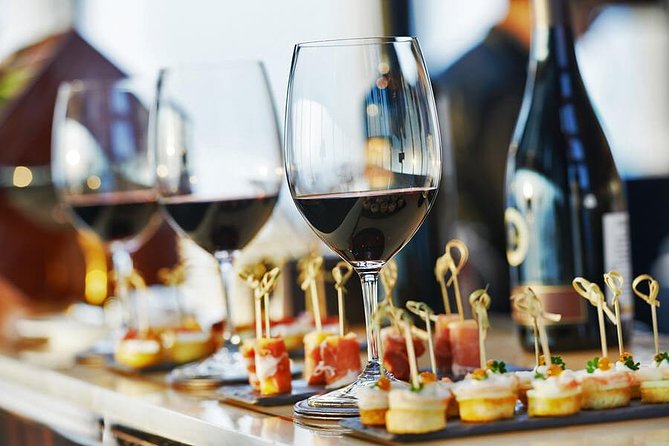
The central idea is simple and effective: instead of spending half a day driving to one vineyard, you sample a cross-section of Chile in the heart of Santiago.
The tasting flight is built around five wines, each linked to a different winery, region, variety, and type of growing area. The descriptions point to five broad expressions of Chilean wine: a cool seaside climate, the Andes, old vines in the south, the classic central valley, and newer parts of the Chilean wine world.
That range matters. Chile is not one single wine style. Coastal areas can produce fresher wines shaped by cool air from the Pacific. Vineyard areas near the Andes have a different setting, with mountain influence and a strong place in Chile’s wine story. The central valley represents the country’s best-known wine identity, while southern old-vine wines offer another angle.
You may not leave knowing every technical detail of Chilean viticulture, but you should have a better sense of how location changes a wine’s character. For a first introduction, five contrasting pours make more sense than five nearly identical bottles.
Other Chilean wine days near Santiago:
- Valparaiso Port and Viña del Mar with Casablanca Wine Tasting
★ 5.0 · 6,110 reviews - Tour to Valparaíso, Viña del Mar, Pablo Neruda Museum and Vineyard
★ 5.0 · 2,273 reviews - Maipo Valley Wine Tour with 4 vineyards from Santiago.
★ 5.0 · 1,983 reviews
Why boutique bottles make this more than a basic tasting
The wine collection focuses on exclusive labels, small vineyards, and newer producers. That is one of the strongest reasons to consider this experience.
A standard Santiago restaurant wine list may give you familiar Chilean names, but this tasting aims to show bottles that can be harder to find. That is useful if you already know the usual Cabernet Sauvignon, Sauvignon Blanc, or Carmenère choices and want to see what else Chile produces.
The selection is also meant to connect wine with place and origin. The story begins with Chilean farmers turning grapes into wine, then moves through the country’s different growing areas. The tone appears informal rather than academic, which should suit you if you want practical explanations without a long classroom session.
Still, boutique does not automatically mean better. The value depends on the actual bottles poured that day and how much context the ambassador provides. The experience promises highly allocated, emerging labels, but no individual winery or vintage list is provided in advance. If you have a particular grape or producer in mind, you should not book expecting a guaranteed bottle.
What happens at José Victorino Lastarria 276
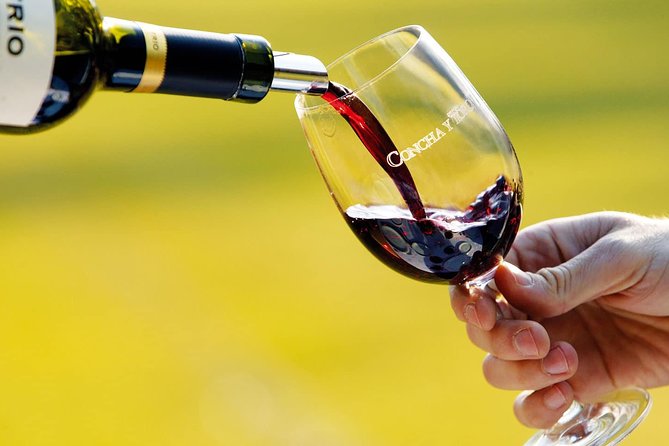
The listed start and end point is José Victorino Lastarria 276, Santiago, near public transportation. The session takes place in the Lastarria area, a useful location if you are already exploring central Santiago.
There is a small point worth checking before you go. The general description refers to Barrio Italia, while the detailed meeting information gives a Lastarria address. These are different Santiago neighborhoods. Use the confirmed address in your booking details, and make sure you are heading to Lastarria unless the operator sends you an update.
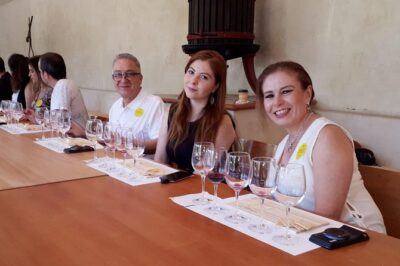
The experience takes place in a relaxed restaurant setting. One person who had eaten there separately described it as a cool restaurant and praised the wine professionals and the way the pairing was explained. That makes this a good fit if you like wine in a social setting rather than at a quiet tasting counter.
The group limit is 10 people. That is small enough for questions, though the actual atmosphere will depend on how many people arrive and how actively the ambassador leads the discussion. A full group could feel lively, while a very small group may feel more personal.
The 40-minute schedule is the real advantage
Forty minutes is brief for five wines, but that is also the point.
You can fit the tasting into a day of sightseeing without giving up a major block of time. It works before a restaurant reservation, after a museum visit, or as a quick introduction on your first day in Santiago. If you have only a short stay, this lets you sample Chilean wine without committing to a full vineyard excursion.
The short format also keeps the tasting focused. You are unlikely to get bogged down in lengthy production lectures or a large meal. You taste, listen, compare, and move on.
The tradeoff is obvious: five wines in 40 minutes leaves limited time for detailed questions. If you want a slow tasting with extensive notes on soil, fermentation, barrel aging, vintages, and winery history, this may feel rushed. I would treat it as an introduction, not a full sommelier course.
The wording around the experience suggests a personal tasting led by a wine ambassador specialized in Chilean wines. That should provide a useful framework, especially if you are not familiar with the country’s regions. But the quality of the session depends heavily on who leads it and how much explanation is offered.
More Santiago food and market trips:
- Inca Lagoon in Andes Mountain Range – Visit Local Vineyard with Tasting included
★ 5.0 · 1,897 reviews - Marquis de Casa Concha: Wine tasting in Concha y Toro
★ 5.0 · 1,086 reviews - Santiago Half-Day Walking Tour with Hotel Pick up & Food Sample
★ 4.5 · 467 reviews - Santiago: Concha y Toro Vineyard Tour w/ Transfer & Tasting
★ 4.2 · 455 reviews
The pairing: cold cuts, nuts, and local flavors
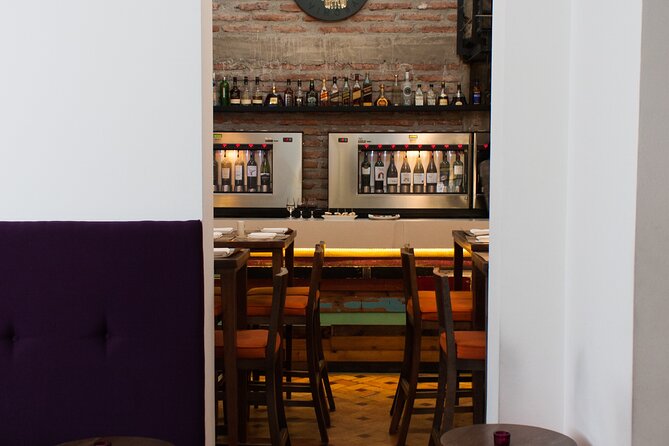
The tasting includes local tapas, with cold cuts and nuts specifically noted as part of the pairing. This is a practical addition, not just decoration.
Food changes the way wine tastes. A wine that seems sharp by itself may feel rounder with a salty bite. A fuller red can make more sense beside a savory snack. Pairing also gives you something to do between pours, which helps the session feel social and relaxed.
The food is not presented as a full meal. You should plan dinner separately, particularly since the tasting lasts only about 40 minutes. One participant had enjoyed dinner at the same restaurant and found the wine session to be a separate, much smaller offering. That is useful to know: the tapas support the wine, but they should not be treated as a substitute for a meal.
The pairing is likely most useful for people who want to understand wine through taste rather than vocabulary. You can compare the wines with and without food and ask which matches work best. If the ambassador explains the choices clearly, this may be the most memorable part of the session.
How much instruction should you expect?
This is the area where expectations matter most.
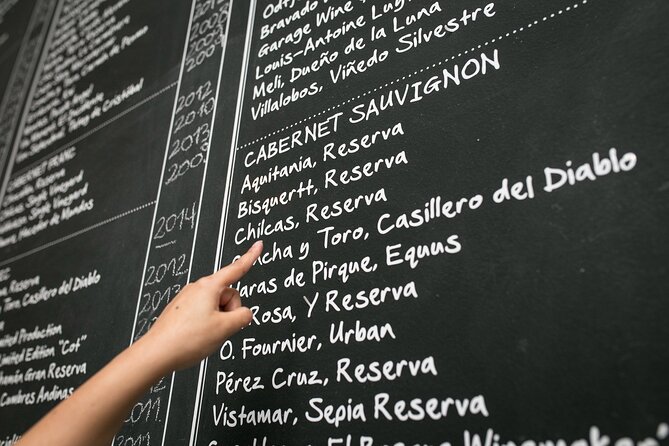
The experience is presented as guided by a wine specialist, with explanations of flavors, Chilean wine history, and the five growing areas. One participant praised the professional explanation of wine pairing. Another felt that the session amounted mainly to five wines and a charcuterie plate, with too little learning about each bottle.
Both outcomes are possible within a short tasting. The format has enough structure for a good lesson, but 40 minutes does not leave much room for a detailed presentation. The language of the session may also affect how much you get from it. An English-speaking sommelier was requested for one booking, yet the participant still felt the educational side was weaker than expected.
If the teaching is important to you, ask at the start for a clear explanation of each wine. Useful questions include:
- Which region is this wine from?
- What grape is in the glass?
- What makes this area different from the previous one?
- What food pairing should I notice?
- Is this a common Chilean style or a less typical example?
You should not need advanced wine vocabulary. A good ambassador can explain the differences in plain terms. If the session moves quickly, asking direct questions is the best way to get more value.
Price and what the $77 fee really buys
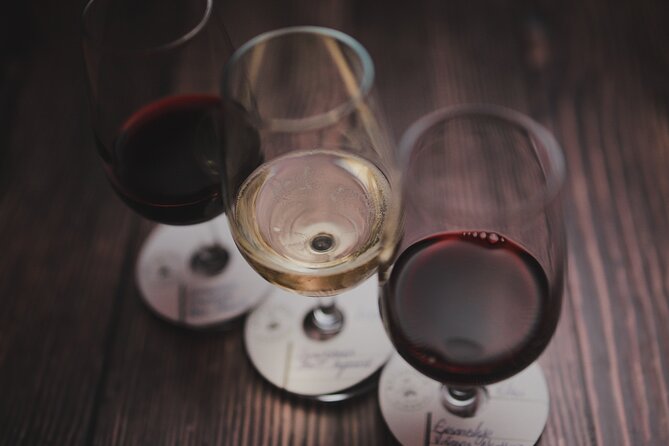
At $77 per person, this is not a casual glass of wine. You are paying for five selected wines, a guided tasting, local tapas, and access to a compact introduction to Chile’s wine regions.
The price makes the most sense if you value the selection and convenience. A day trip to a vineyard requires transport, planning, and many more hours. Here, you stay in Santiago and taste wines from several parts of the country in one sitting. For someone with limited time, that convenience can justify the cost.
The price is harder to defend if you mainly want a snack and a few pours. The session is short, and the food portion is light. If you already have strong knowledge of Chilean wine, you may find the educational content too basic unless the ambassador offers detailed discussion.
I see the value in the range of labels. The tasting is not built around only one winery or one local style. You get a chance to compare five regions and varieties, which can help you decide what to order later in Chile. The real payoff comes if you use the session as a guide for the rest of your trip.
Lastarria makes the setting easy to pair with your plans
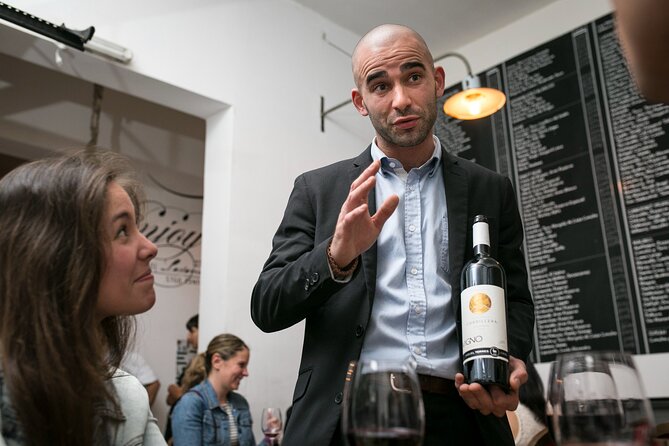
The meeting point is in a central Santiago neighborhood near public transportation. That makes the tasting easy to connect with other plans, though hotel pickup is not included.
Transfers from your hotel are available on request, so ask about that if you need it. Otherwise, plan to reach José Victorino Lastarria 276 on your own and allow enough time to find the exact venue.
The neighborhood setting is part of the appeal. You are not spending the day in the countryside, but you are tasting Chilean wines in a fashionable urban area. That gives you a useful city-based alternative to a vineyard visit.
The activity ends back at the meeting point. You can then stay in the area for dinner or continue elsewhere in Santiago. Since the tasting is short, it does not take over your evening.
Who will enjoy this tasting most?
I would recommend it to you if:
- You have limited time in Santiago.
- You want to sample several Chilean regions without visiting multiple wineries.
- You enjoy small-producer and less common wine labels.
- You prefer an informal tasting with food rather than a formal lecture.
- You want a central activity near public transportation.
- You are curious about Chilean wine but do not yet know which varieties you like.
It may not suit you if you want a long, technical wine class. It may also disappoint if you expect a full dinner, a vineyard tour, or a guaranteed English-language sommelier. The experience is compact, and the guide’s teaching style matters.
Most participants can take part, and the group is capped at 10. Gratuities are optional. A mobile ticket is provided, and confirmation is received at booking.
Should you book the five-wine flight?
Book this tasting if you want a fast, city-based introduction to Chilean wine with small labels and local tapas. The five-region structure is smart, the location is convenient, and the short session leaves room for the rest of your Santiago plans.
I would book it early if it fits your schedule, since it is typically reserved about a week ahead. Before confirming, check the exact address because the description refers to Barrio Italia while the meeting details identify Lastarria. Also, contact Signature Tours if English instruction or hotel transfer is especially important to you.
Skip it if your main goal is a full meal, a vineyard visit, or an extended technical lesson. For everyone else, the experience offers a useful first taste of Chile’s broad wine culture, provided you arrive ready to ask questions and keep your expectations focused on a guided flight, not a full wine course.
FAQ
How long does the wine tasting last?
The tasting lasts approximately 40 minutes.
How many wines are included?
You taste five Chilean wines, each representing a different region, winery, variety, or growing area.
What food is included?
Local tapas are included. Cold cuts, nuts, and charcuterie are specifically associated with the pairing.
Where does the experience start?
The listed meeting point is José Victorino Lastarria 276, 8320126 Santiago, Región Metropolitana, Chile.
Where does the experience end?
The activity ends back at the meeting point.
Is transportation from my hotel included?
No. Hotel transportation is not included, but it is available on request.
How large is the group?
The experience has a maximum of 10 participants.
Is the tasting near public transportation?
Yes. The meeting point is described as being near public transportation.
Can I cancel for a full refund?
Yes. You can cancel at least 24 hours before the start time for a full refund. Cancellations or changes made within 24 hours are not refunded or accepted. If the minimum number of participants is not met and the operator cancels the experience, you will be offered another date or experience, or a full refund.
Just added around Santiago
- Walking City Tour with Funicular, Cable Car and Tasting★ 4.3 · 6 reviews
- Tour VIÑA CONCHA Y TORO + CASA MARQUES – Chile, from Santiago.★ 5.0 · 2 reviews
- VIÑA DEL MAR AND VALPARAISO TOUR★ 4.8 · 20 reviews
- Undurraga Wine tour★ 4.2 · 15 reviews
- Undurraga + Isla Negra + San Afonso del Mar —– Full day★ 4.1 · 8 reviews
- wetravelneruda’s route – Pablo Neruda’s route – Private tour★ 5.0 · 6 reviews
- Southcoast – Private Full-Day tour★ 5.0 · 6 reviews
- Santiago Private walking tour with Lunch★ 5.0 · 5 reviews
Food & Drink, compared.

Valparaiso Port and Viña del Mar with Casablanca Wine Tasting
Read our review →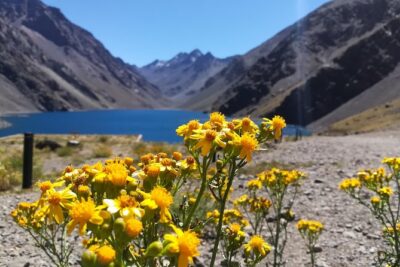
Inca Lagoon in Andes Mountain Range – Visit Local Vineyard with Tasting included
Read our review →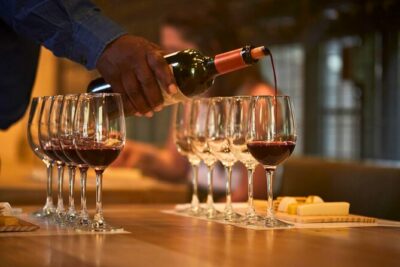
Marquis de Casa Concha: Wine tasting in Concha y Toro
Read our review →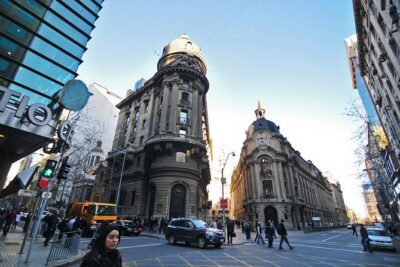
Santiago Half-Day Walking Tour with Hotel Pick up & Food Sample
Read our review →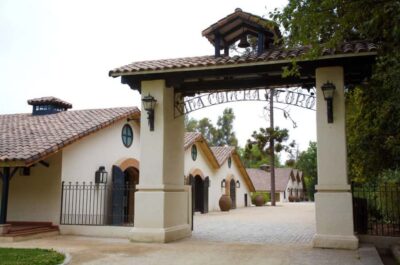
Concha y Toro Vineyard Tour w/ Transfer & Tasting
Read our review →
Maipo Valley Wine Tasting Tour with 4 Vineyards
Read our review →
New Concha y Toro Tour Marques with class, extra tasting y food
Read our review →Browse the lists this tour appears in