Reviewed · TICKETS
Museo Chileno de Arte Precolombino Admission Ticket
Ancient art meets Santiago’s city center. The Museo Chileno de Arte Precolombino offers a thoughtful look at the peoples who lived across South and Central America long before modern borders existed. I like the beautiful 1805 neoclassical building and the clear Spanish and English explanations beside many objects. The main concern is that the museum can feel smaller than expected, and some exhibition areas may be closed.
I also like that this is a self-guided visit, so you can give a few minutes to a finely worked object or move along when a display does not catch you. The café and gift shop make the stop more comfortable, especially for families. Still, check what is open on your date, since one visitor found that only part of the museum was available.
In This Review
- Key points to know before you go
- Why this museum matters in Santiago
- Entering the 1805 Royal Customs House
- Reading Chile before Chile
- What a two-hour visit feels like
- The collection: intricate objects, broad cultures
- Language, layout, and family appeal
- Price and practical value at $17
- Getting there and fitting it into your day
- A note about closures and changing displays
- Who will like this museum most
- Should you book the Museo Chileno de Arte Precolombino?
- FAQ
- Where is the Museo Chileno de Arte Precolombino?
- How much does admission cost?
- How long does the visit take?
- What are the museum’s opening hours?
- Is transportation included?
- Are food and drinks included?
- Who can buy discounted tickets at the museum?
- Can I cancel for a full refund?
Key points to know before you go
- The museum occupies Santiago’s 1805 Royal Customs House, a distinguished colonial building in the city center.
- Chile before Chile traces more than 14,000 years of human life in the territory now called Chile.
- The collection covers South and Central America, showing both shared traditions and local differences.
- Spanish and English explanations make the self-guided visit accessible to international visitors.
- Plan about two hours, although the listed permanent exhibition itself may take closer to 30 minutes if you move at a steady pace.
- The $17 admission is most useful for art and history lovers, while Chilean nationals, foreign residents, and students can ask about a discounted ticket at the door.
Why this museum matters in Santiago
Santiago has plenty of grand viewpoints, plazas, and modern city life. This museum gives you a different key to Chile. It asks you to look at the country before Chile existed as a nation, before Spanish rule, and before the present-day map gave these peoples separate labels.
That perspective matters. The permanent exhibition, called Chile before Chile, links ancient inhabitants with the Indigenous people of Chile today. The focus is not only on old objects behind glass. It also connects genes, artistic work, and long cultural stories with Chilean identity.
I find that approach more useful than a display that simply lists dates and civilizations. You get a chance to see Chile as a place shaped by many peoples and regions. The collection also reaches beyond Chile, covering ancient cultures from across South and Central America. That makes it easier to compare neighboring traditions instead of treating each culture as an isolated subject.
For a first day in Santiago, this can be a smart indoor stop. You do not need a full day, a specialist background, or a guide. You can visit for a focused hour, or take your time and use the surrounding city for the rest of your afternoon.
A few more Santiago trips worth comparing side by side
- Valparaiso Port and Viña del Mar with Casablanca Wine Tasting
★ 5.0 · 6,110 reviews - Santiago: Cajon del Maipo/Embalse del Yeso Tour with Picnic
★ 4.3 · 3,789 reviews - Santiago: Vina Del Mar, Valparaiso, Casablanca & Reñaca Tour
★ 4.2 · 2,838 reviews
Entering the 1805 Royal Customs House
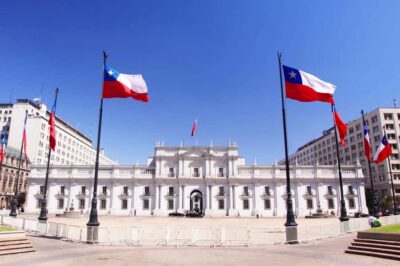
The building is part of the experience. The museum occupies a neoclassical structure built in 1805, originally the colonial government’s Royal Customs House. Its purpose has changed, but the formal setting suits a collection concerned with centuries of public life, trade, belief, and craftsmanship.
I like museums that give you a sense of place before you reach the displays, and this one does that without requiring a separate architectural tour. The building puts the museum in the historic center of Santiago, close to public transportation and within walking distance of some central hotels.
Do not expect a vast modern complex. One of the clearest practical points is scale: the museum is smaller than some people picture when they hear about a major collection. That can be a benefit. You can see a large amount of material without becoming worn out, and families can keep the visit manageable.
It can also create a slight mismatch between expectation and reality. If you want several huge galleries and a full-day museum visit, this may feel limited. If you want a well-planned cultural stop of roughly two hours, the size works in your favor.
Reading Chile before Chile
The permanent exhibition begins with a very long time frame. Humans first entered the territory now known as Chile more than 14,000 years ago. From there, the exhibition introduces different peoples who occupied the country’s varied regions and links them to Indigenous communities living today.
That long view is the heart of the visit. It reminds you that Chilean history did not begin with colonial government buildings, independence, or the modern republic. Those periods matter, but they sit on top of much older lives and traditions.
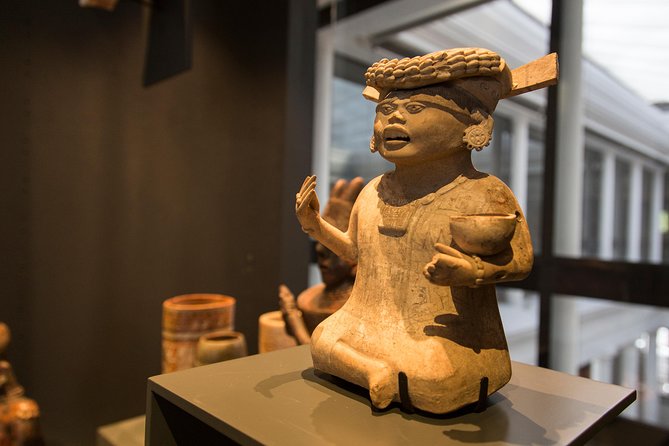
The displays give you a chance to consider how art can carry information across generations. Forms, materials, designs, and images can tell you about belief, social life, technology, and contact between regions. You may not have enough time to understand every cultural detail, but the overall pattern becomes clear: South America was never a single cultural block.
The exhibition also includes Central American material, allowing you to notice both similarities and differences in craft and culture across the wider region. That comparison is one of the collection’s strongest features. You are not simply looking at unrelated objects. You are seeing how different communities solved similar artistic or practical problems in their own ways.
What a two-hour visit feels like
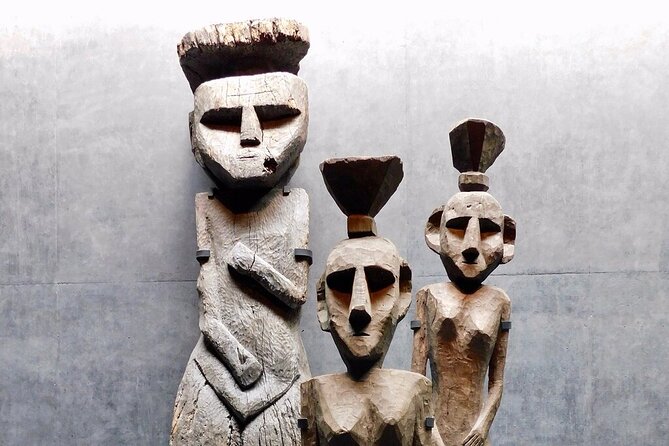
The experience is self-guided. That gives you control over the pace, which I consider a real advantage for a museum built around visual details. You can stop at intricate pieces, reread an explanation, or move quickly through material that is less relevant to your interests.
The permanent exhibition is listed at about 30 minutes, but the full museum visit is expected to take around two hours. Those numbers are not contradictory. A fast visitor can cover the main exhibition in less time, while someone who reads the labels and studies the objects will need longer. Time may also depend on which exhibition areas are open during your visit.
Explanations are available in Spanish and English, an important help if you do not read Spanish. The clear bilingual presentation makes this a better choice for an independent visit than a museum where the objects carry little explanation.
One practical issue deserves attention. The lower level can be quite dark, and some signage may be harder to read there. If labels are central to how you enjoy museums, bring patience and allow extra time in that section. The lower-level display has been praised for its presentation, but the lighting may not suit everyone.
Still Chile, but an entirely different landscape:
- Cable Car, Funicular and Sightseeing Bus in Santiago one day
★ 5.0 · 2,325 reviews - Small-Group Cajón del Maipo Full-Day Tour and Picnic
★ 4.5 · 2,277 reviews - Tour to Valparaíso, Viña del Mar, Pablo Neruda Museum and Vineyard
★ 5.0 · 2,273 reviews - Maipo Valley Wine Tour with 4 vineyards from Santiago.
★ 5.0 · 1,983 reviews
The collection: intricate objects, broad cultures
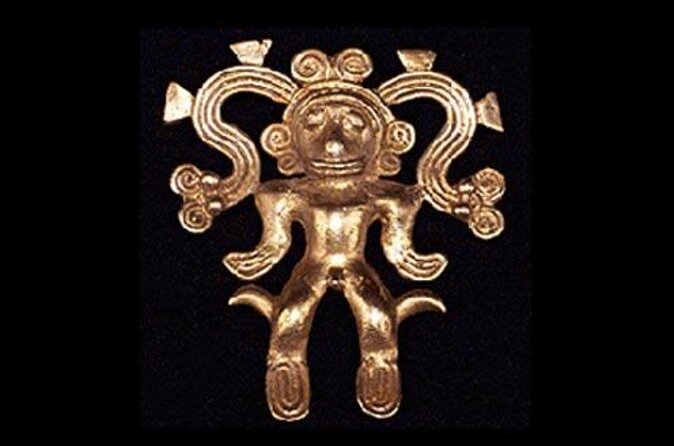
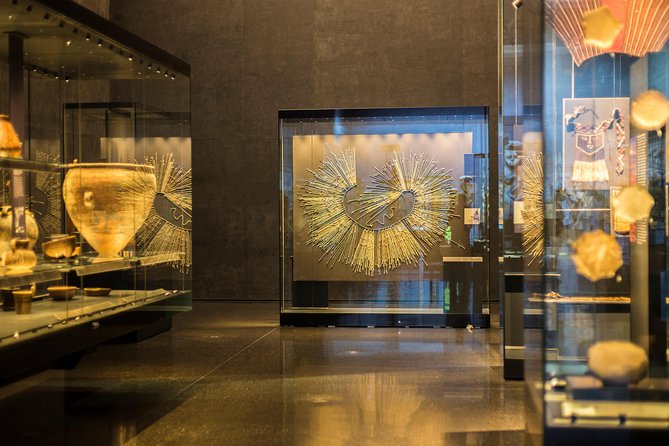
The strongest praise for this museum centers on the collection itself. The objects range from ancient and older works to contemporary material connected with Indigenous cultures. The emphasis is on fine detail and careful presentation rather than sheer size.
You may find the collection especially rewarding if you like craft. Intricate work gives you reasons to slow down, even when you know little about the culture that produced it. The museum helps you notice how design and technique vary from one region to another.
At the same time, the museum does not pretend that all of South America shares one story. The displays show diversity, along with points of contact and resemblance. That balance gives the visit more value than a simple collection of famous archaeological names.
I would not come expecting a narrowly focused Inca museum. The material is broader, and Chile’s own cultural story receives major attention. That is useful if your goal is to understand Chilean identity, but less ideal if you want only one civilization or one period.
The connection to present-day Indigenous people is also important. The exhibition presents ancient cultures as part of an ongoing story, not as people who disappeared completely into the past. For me, that makes the museum more relevant to a visit in modern Santiago.
Language, layout, and family appeal
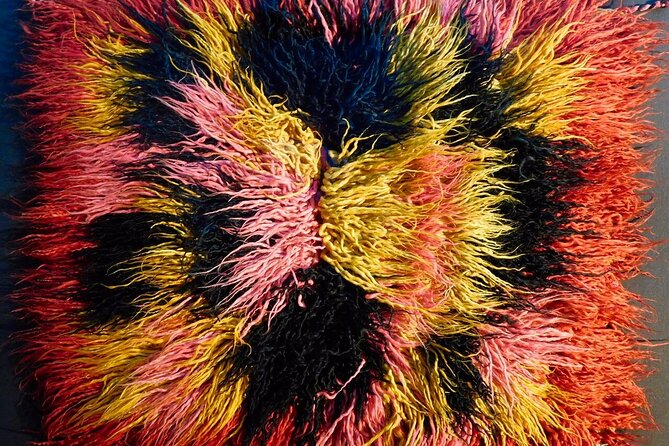
A well-organized museum can make a difference when you are sightseeing with children or with relatives who have different interests. This one has a manageable flow, and the bilingual explanations help keep the visit moving. You can pause without holding up a group or waiting for a scheduled guide.
Children must be accompanied by an adult. Most people can take part, and the activity is capped at 15 travelers, according to the provided booking details. Since this is an admission visit rather than a long guided tour, the group limit matters less than it would on a bus or walking excursion, but it can still help keep the experience orderly.
I would call this an easy family stop rather than a full children’s attraction. The collection is beautiful and educational, but the subject requires some attention. Younger children may enjoy the colors, shapes, and small details more than the historical explanations. Older children and teenagers may get more from the idea that Chile has a much older story than its colonial streets suggest.
The café is another useful feature. You can have coffee inside after the exhibits, and there is a small gift shop. These are modest extras, but they help turn a short museum stop into a comfortable break in the center of Santiago.
Price and practical value at $17
The admission price is $17 per person. I see fair value here if you care about archaeology, Indigenous cultures, art, or Chilean history. You are paying for access to a substantial collection in an important historic building, with bilingual explanations and a central location.
The value is less obvious if you only have a few hours in Santiago and prefer outdoor sights. This is not a panoramic attraction, and you should not buy the ticket expecting a large entertainment complex. Its appeal comes from close looking and context.
The ticket is most worthwhile when you give the museum enough time to read and compare objects. A rushed 20-minute visit would reduce the value. I would set aside at least an hour, with two hours available if you prefer a careful pace.
Chilean nationals, foreign residents in Chile, and students can buy discounted tickets directly at the museum entrance by showing identification. For those visitors, purchasing at the door may make more financial sense than paying the standard online price.
The advance booking pattern suggests that people often arrange this visit about 18 days ahead. You do not necessarily need to plan that far ahead for a museum admission, but reserving early can help if it is part of a tightly organized Santiago schedule.
Getting there and fitting it into your day
The museum is near public transportation, and no transportation is included with admission. You need to make your own way to the building and back to your hotel or next stop.
Its central position makes it easy to combine with other city-center plans. I would place it on a morning or afternoon when you already expect to be in central Santiago. That keeps the visit from becoming a special cross-city mission for a relatively short museum experience.
Opening hours are Tuesday through Sunday, 10:00 a.m. to 5:00 p.m. It is closed on Mondays according to the supplied schedule. Check your timing carefully because a 5:00 p.m. closing time does not leave much room for a late arrival and a relaxed visit.
Food and drinks are not included, though the museum has a café. You can treat that as a convenient pause rather than part of the admission package. The gift shop is also inside, useful if you want a small cultural souvenir without adding another stop.
The booking confirmation is sent at the time of purchase. If your mobile ticket does not load, do not panic. The front desk has been able to locate a reservation and print it for a visitor, which is a useful backup. Still, I would keep the confirmation accessible and bring identification if you may qualify for a local or student discount.
A note about closures and changing displays
The main point to check before paying is the exhibition schedule. One person found that only one exhibition was open, with a closed section apparently unavailable for some time. The exact reason and reopening date are not supplied, so I would not assume every gallery will be accessible on your date.
This matters because the museum’s size affects your expectations. If a major section is closed, the visit could feel short even if the open exhibition is excellent. If the full presentation is operating, the two-hour estimate is more realistic for a careful visit.
The permanent Chile before Chile exhibition is the clearest reason to go. Ask at the entrance what is open if the ticket information does not spell it out. A quick check can help you decide how much time to set aside and whether the $17 price fits the visit you will actually receive.
Who will like this museum most
I would recommend it to you if you enjoy:
- Ancient art and fine craftsmanship
- Indigenous cultures and Chilean identity
- Self-guided museums with bilingual explanations
- Short cultural stops in central Santiago
- Family activities that do not require a full day
- Comparisons between cultures from different parts of the Americas
You may want to skip it if your Santiago schedule has room only for outdoor sights, or if you are looking for a huge museum with many large-scale galleries. The collection is extensive in subject and detail, but the building and display area are not enormous.
It also suits independent visitors better than people seeking a guided narrative from start to finish. You decide what deserves your attention. That freedom is useful, but you need to read and connect the material for yourself.
Should you book the Museo Chileno de Arte Precolombino?
Book it if you want a calm, central, and educational look at the peoples who shaped Chile and the wider Americas. I especially recommend it for first-time visitors who want more than colonial and modern Santiago. The 1805 building, bilingual labels, intricate collection, café, and manageable size make it easy to fit into a city day.
Before booking, confirm which exhibition areas are open. If you are Chilean, a foreign resident, or a student, check the discounted door price with your identification. For everyone else, $17 is reasonable when you can give the museum at least an hour and preferably closer to two.
The free cancellation policy also gives you some flexibility. You can cancel up to 24 hours before the local start time for a full refund. Changes or cancellations made less than 24 hours in advance are not accepted for a refund.
FAQ
Where is the Museo Chileno de Arte Precolombino?
It is in central Santiago, Chile, in a historic colonial building near public transportation.
How much does admission cost?
The listed price is $17 per person.
How long does the visit take?
The approximate experience lasts two hours. The permanent Chile before Chile exhibition is listed as a 30-minute visit, though you may spend longer if you read the explanations carefully.
What are the museum’s opening hours?
The museum is open Tuesday through Sunday from 10:00 a.m. to 5:00 p.m. The supplied schedule covers 2025 and 2026.
Is transportation included?
No. Transportation to and from the museum is not included.
Are food and drinks included?
No. Food and drinks are not included, though the museum has a café.
Who can buy discounted tickets at the museum?
Chilean nationals, foreign residents in Chile, and students can purchase discounted tickets directly at the entrance by showing identification.
Can I cancel for a full refund?
Yes. You can cancel at least 24 hours before the experience start time for a full refund. Cancellations or changes made less than 24 hours before the start time are not accepted for a refund.
Just added around Santiago
- Walking City Tour with Funicular, Cable Car and Tasting★ 4.3 · 6 reviews
- Tour VIÑA CONCHA Y TORO + CASA MARQUES – Chile, from Santiago.★ 5.0 · 2 reviews
- VIÑA DEL MAR AND VALPARAISO TOUR★ 4.8 · 20 reviews
- Undurraga Wine tour★ 4.2 · 15 reviews
- Undurraga + Isla Negra + San Afonso del Mar —– Full day★ 4.1 · 8 reviews
- wetravelneruda’s route – Pablo Neruda’s route – Private tour★ 5.0 · 6 reviews
- Southcoast – Private Full-Day tour★ 5.0 · 6 reviews
- Santiago Private walking tour with Lunch★ 5.0 · 5 reviews
Tickets, compared.

Tour Parque Farellones Ticket+Transportation, optional Snowwear
Read our review →

Skiing in Farellones Park: Ski Tickets, Lessons, Transportation and More
Read our review →