
Reviewed · SANTIAGO TOURS
Learn to Prepare the Famous Chilean Pine Empanada
Come hungry, leave with a new recipe. This three-hour Santiago cooking class turns Chile’s famous pino empanada into a hands-on cultural lesson. You prepare the dough, cook the filling, fold the pastries, bake them until golden, and make fresh pebre to eat alongside them.
I especially like the small maximum group of six, which gives you time to work instead of watching from the back of a crowded room. I also like the friendly, personal teaching style of Valentina, who explains the purpose of each step and shares stories about Chile and Santiago. The main drawback is practical: this is not suitable for people with gluten intolerance, and alcohol is not included.
In This Review
- Key points to know before booking
- Why this Santiago cooking class feels personal
- Starting at Av. Gral. Bustamante 130 in Providencia
- Preparing the pino, Chile’s classic empanada filling
- Working the dough and learning the folds
- Baking golden empanadas and making fresh pebre
- What the $39 price gives you
- Who will enjoy this experience most
- Timing, transport, and booking advice
- What makes Valentina an important part of the class
- Should you book the Chilean pino empanada class?
- FAQ
- How long does the empanada cooking class last?
- Where does the experience begin?
- Where does the activity end?
- What is included in the price?
- Are alcoholic drinks included?
- What ingredients are used in the Chilean pino filling?
- Is the class suitable for people with gluten intolerance?
- How many people can join the class?
- Can the booking be canceled for a full refund?
Key points to know before booking
- You make the full empanada from scratch, including dough, pino filling, folding, baking, and pebre.
- The class is limited to six people, so you should get direct help with dough texture and pastry shaping.
- Valentina is the host, praised for her humor, patience, clear instructions, and warm welcome.
- The filling is classic Chilean pino, made with onion, meat, raisins, olives, and egg.
- You learn several folding styles, from simple seals to more complex traditional shapes.
- The $39 price includes food, water, and utensils, but not alcoholic drinks.
Why this Santiago cooking class feels personal
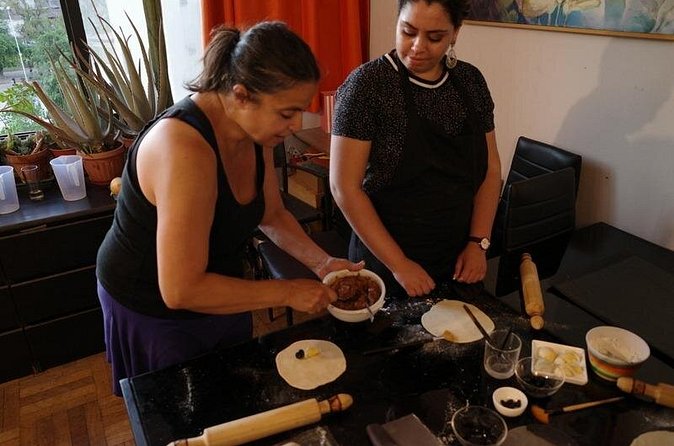
Many cooking classes give you a demonstration, a sample, and a polite goodbye. This one is designed around doing the work yourself. You mix and handle the dough, prepare the filling, arrange the ingredients, close the empanadas, and put them in the oven.
That matters because empanadas are simple only after you know what you are doing. The dough can be too thick, too dry, or difficult to seal. The filling needs enough moisture and flavor without making the pastry collapse. A useful class shows you how the parts behave, not just what they should look like at the end.
Valentina’s teaching style is one of the strongest reasons to book. She is described as warm, funny, patient, and easy to understand. She also explains why the dough reacts as it does, which gives you a better chance of repeating the recipe at home instead of merely remembering a pleasant afternoon in Santiago.
The atmosphere appears relaxed and social. Solo visitors, couples, families, and friends have all fit comfortably into the format. You may also meet other small groups during the class, adding a bit of conversation while you work.
A few more Santiago trips worth comparing side by side
- Valparaiso Port and Viña del Mar with Casablanca Wine Tasting
★ 5.0 · 6,110 reviews - Santiago: Cajon del Maipo/Embalse del Yeso Tour with Picnic
★ 4.3 · 3,789 reviews - Santiago: Vina Del Mar, Valparaiso, Casablanca & Reñaca Tour
★ 4.2 · 2,838 reviews
Starting at Av. Gral. Bustamante 130 in Providencia
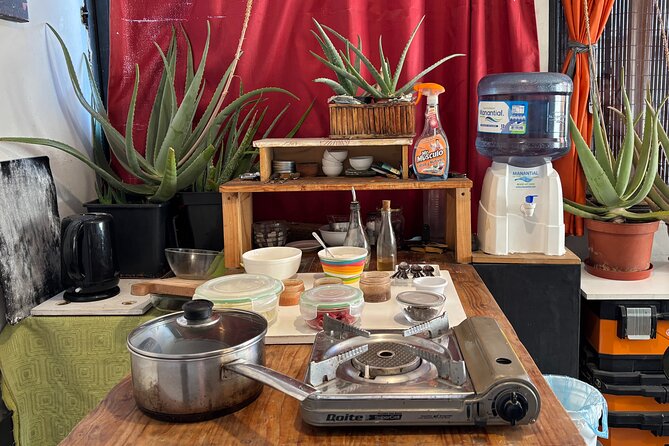
The class begins at Av. Gral. Bustamante 130, in Providencia, Santiago. The meeting point is near public transportation, which makes it a practical addition to a day spent exploring the city.
The activity lasts about three hours and returns to the same meeting point. That timing works well for a morning or afternoon plan, but you should avoid booking it too close to another fixed appointment. Cooking times can feel short when the group is busy shaping dough, and the meal at the end is part of the experience rather than something to rush through.
Since the class is often reserved about 26 days ahead, I would book early if your Santiago dates are fixed. The maximum group size is six, so available spaces may be limited even though the experience itself is short.
Preparing the pino, Chile’s classic empanada filling
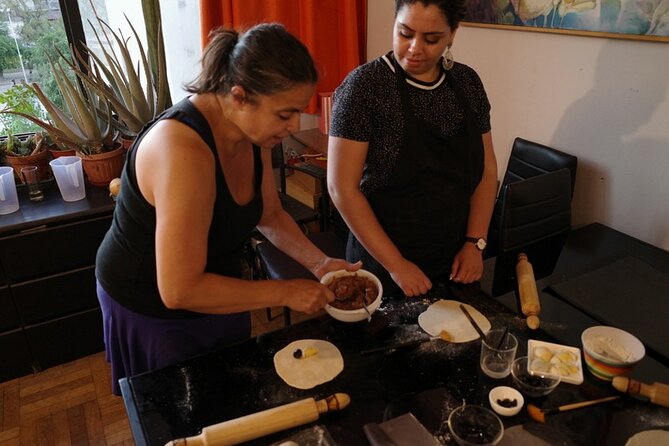
The heart of the class is the pino, the savory filling used in the traditional Chilean empanada. Here it includes onion, meat, raisins, olives, and egg.
That mixture gives the empanada its distinct balance. The onion and meat provide the savory base. Raisins add small bursts of sweetness, while olives bring salt and a sharper edge. Egg adds texture and makes the filling feel complete. If you have only eaten cheese or vegetable empanadas before, the Chilean combination may surprise you.
You help cook the filling rather than simply receiving it in a bowl. This is useful because the taste of pino depends on how the ingredients come together. You also learn how to organize the filling and other elements before closing the pastry, a small detail that helps prevent uneven empanadas.
A vegetarian option has been offered using eggplant, but you should ask about this before booking or as soon as possible. The host invites people to discuss special needs and may be able to adapt the class, but the provided information does not promise every dietary substitution.
Working the dough and learning the folds
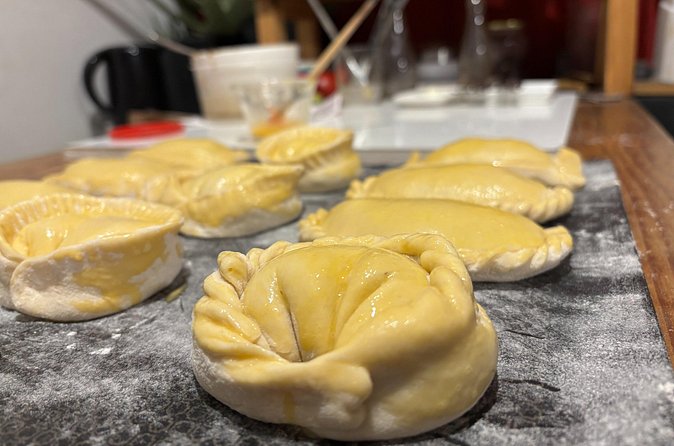
The dough lesson is likely the most useful part for anyone hoping to cook Chilean food at home. You work the masa, cut it into portions, and shape it for filling.
The goal is not only to produce a soft pastry. You need a dough that can stretch around the filling, hold its shape, and seal without splitting in the oven. Valentina explains how the dough behaves, giving you a practical sense of what to look for as you work.
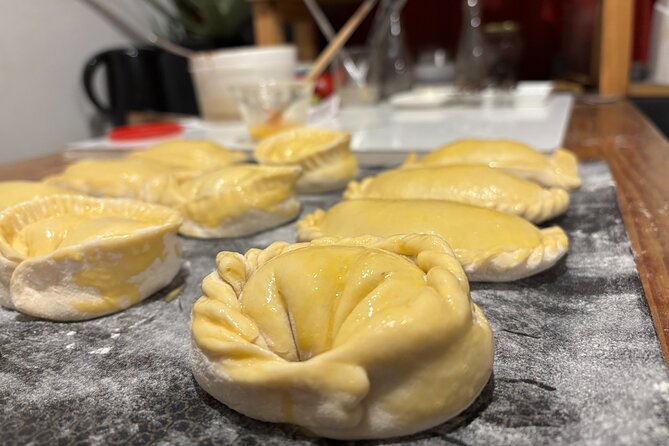
You also learn four different ways to fold and seal the empanadas. One method is simple and suitable for a first attempt. Others are more detailed and traditional, giving the finished pastries different shapes.
This is a fun feature for families and mixed-age groups. Children and adults can compare their shapes, and nobody needs to produce a perfect pastry on the first try. The folding stage also gives you something tangible to remember. At home, you can use the simplest fold for speed or try the more elaborate versions when you want to impress friends.
The exact number of empanadas each person makes is not specified, so do not book this expecting a particular quantity. The emphasis is on learning the process and eating what the group prepares.
Still Chile, but an entirely different landscape:
- Cable Car, Funicular and Sightseeing Bus in Santiago one day
★ 5.0 · 2,325 reviews - Small-Group Cajón del Maipo Full-Day Tour and Picnic
★ 4.5 · 2,277 reviews - Tour to Valparaíso, Viña del Mar, Pablo Neruda Museum and Vineyard
★ 5.0 · 2,273 reviews - Maipo Valley Wine Tour with 4 vineyards from Santiago.
★ 5.0 · 1,983 reviews
Baking golden empanadas and making fresh pebre
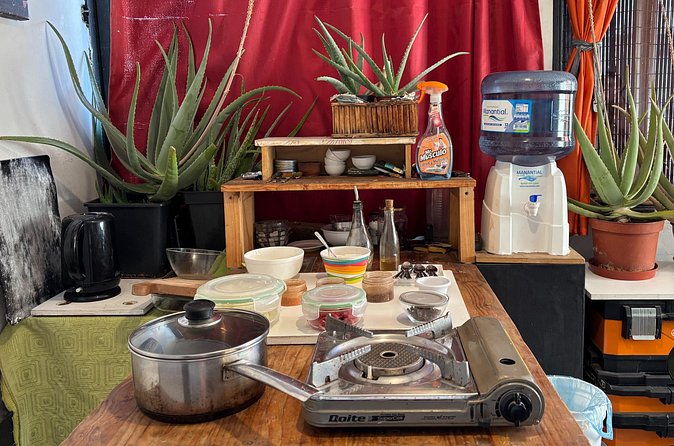
Once the empanadas are folded, the oven is heated to the correct temperature and the pastries are baked until golden brown. Watching the color change gives you a useful visual cue for judging doneness.
The empanada is served with pebre, the fresh Chilean condiment made here with tomato, onion, and coriander. Pebre adds freshness and a little bite to the rich pastry. It also shows how Chilean meals often balance a hearty main item with a bright, chopped accompaniment.
You prepare the pebre yourself as part of the class. That makes the final meal more than a tasting. You have handled the main dish and its traditional partner, then sit down to eat the result.
Some participants have had extra empanadas to enjoy later, but you should not assume that leftovers are guaranteed. The amount depends on the group, the recipe, and how much everyone eats during the meal.
What the $39 price gives you
At $39 per person, this class offers solid value if you want a meal and a useful skill in the same afternoon. The price includes the empanadas and pebre, bottled water, and all utensils needed for the class.
You are also paying for instruction in a small setting. A restaurant meal might cost less, especially for a simple lunch, but it would not teach you how to make the dough, prepare pino, or fold four different shapes. A standard cooking demonstration might include more dishes, but you would have less time to practice each one.
The value is strongest for people who enjoy food as a way to understand a place. Chilean pino empanadas are not just a generic pastry. The combination of meat, onion, raisins, olives, and egg gives you a direct connection to a familiar local dish, while the personal recipe comes from Valentina’s grandmother.
Alcoholic beverages are not included. One solo participant brought beer and was able to keep it refrigerated, but you should treat that as a courtesy rather than a promised part of the service. Bottled water is supplied.
Who will enjoy this experience most
I would recommend this class to anyone who likes practical cultural activities more than passive sightseeing. You get a meal, conversation, and a recipe you can try again at home.
It suits:
- Couples looking for a relaxed shared activity in Santiago
- Families who enjoy hands-on tasks and food
- Solo visitors who want a small group setting
- Friends who like cooking together and comparing results
- Home cooks interested in dough, pastry shaping, and Chilean flavors
It may be less suitable if you dislike handling dough, want a polished restaurant meal with no work, or need a strictly gluten-free kitchen. The class specifically is not recommended for people with gluten intolerance.
The welcoming style also makes it a good choice if you are curious about Chile beyond famous sights. Valentina shares information about Chile and Santiago while teaching, so the conversation adds local context without turning the class into a formal lecture.
Timing, transport, and booking advice
The activity is approximately three hours, begins and ends at Av. Gral. Bustamante 130, and is near public transportation. Allow extra time to reach Providencia, since the class has a fixed start and cooking cannot easily be paused for late arrivals.
Confirmation is normally provided at booking. If you book within four hours of the start time, confirmation is sent as soon as possible and depends on availability. Since the class is often booked 26 days ahead, last-minute plans may not work.
Free cancellation is available if you cancel at least 24 hours before the start time. Changes or cancellations inside that 24-hour window are not accepted for a refund. The class also requires a minimum number of participants, so if the provider cancels because that minimum is not met, you can choose another date or receive a full refund.
What makes Valentina an important part of the class
The food is the reason you book, but the host shapes the experience. Valentina is repeatedly described as personable, clear, genuine, and funny. Her explanations cover both the recipe and the technique, especially the dough and folding methods.
That combination is important for beginners. A patient teacher lets you make small mistakes without turning the class into a test. You can ask why the dough feels a certain way, how to use it for other preparations, or how to make a fold more secure.
The class also appears to work well across age groups. Families have found it easy to enjoy together, while solo participants have felt comfortable in the small group. The tone is more like cooking with a welcoming local host than attending a formal culinary school.
Should you book the Chilean pino empanada class?
Book it if you want to make a traditional Chilean dish with your own hands, eat a proper meal, and spend time with a friendly local host. The small group, clear instruction, four folding styles, and included food make $39 a fair price.
Skip it if you need gluten-free preparation, dislike practical cooking, or want alcohol included. For most food-focused visitors to Santiago, though, this is an easy recommendation, especially if you reserve ahead and arrive ready to work, laugh at a few uneven folds, and eat the evidence.
FAQ
How long does the empanada cooking class last?
The class lasts approximately three hours.
Where does the experience begin?
It begins at Av. Gral. Bustamante 130, 7500000 Providencia, Región Metropolitana, Chile.
Where does the activity end?
The activity ends back at the meeting point.
What is included in the price?
The price includes empanadas and pebre, bottled water, and all utensils needed for the class.
Are alcoholic drinks included?
No. Alcoholic beverages are not included.
What ingredients are used in the Chilean pino filling?
The filling includes onion, meat, raisins, olives, and egg.
Is the class suitable for people with gluten intolerance?
No. The experience is not recommended for people with gluten intolerance.
How many people can join the class?
The class has a maximum of six participants.
Can the booking be canceled for a full refund?
Yes. You can cancel for a full refund if you do so at least 24 hours before the experience start time. Cancellations or changes made less than 24 hours in advance are not refunded or accepted.
Just added around Santiago
- Walking City Tour with Funicular, Cable Car and Tasting★ 4.3 · 6 reviews
- Tour VIÑA CONCHA Y TORO + CASA MARQUES – Chile, from Santiago.★ 5.0 · 2 reviews
- VIÑA DEL MAR AND VALPARAISO TOUR★ 4.8 · 20 reviews
- Undurraga Wine tour★ 4.2 · 15 reviews
- Undurraga + Isla Negra + San Afonso del Mar —– Full day★ 4.1 · 8 reviews
- wetravelneruda’s route – Pablo Neruda’s route – Private tour★ 5.0 · 6 reviews
- Southcoast – Private Full-Day tour★ 5.0 · 6 reviews
- Santiago Private walking tour with Lunch★ 5.0 · 5 reviews
Santiago Tours, compared.
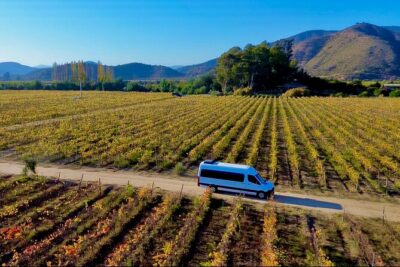
Valparaiso Port and Viña del Mar with Casablanca Wine Tasting
Read our review →
Cajon del Maipo/Embalse del Yeso Tour with Picnic
Read our review →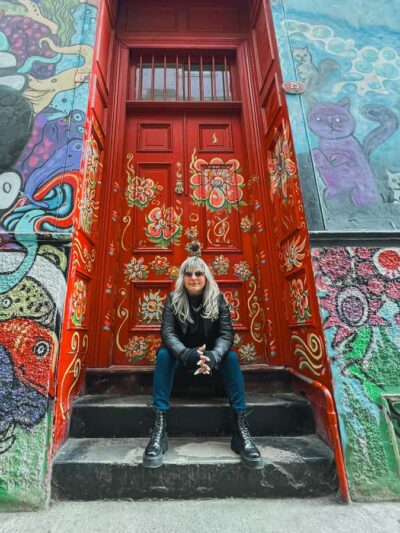
Vina Del Mar, Valparaiso, Casablanca & Reñaca Tour
Read our review →
Cable Car, Funicular and Sightseeing Bus in Santiago one day
Read our review →
Small-Group Cajón del Maipo Full-Day Tour and Picnic
Read our review →
Tour to Valparaíso, Viña del Mar, Pablo Neruda Museum and Vineyard
Read our review →
Maipo Valley Wine Tour with 4 vineyards from Santiago.
Read our review →