
Reviewed · CHILE
Crossing the Salt Route on a Rowing Surfboard
Quiet water tells a better story than busy streets. This gentle trip from Pichilemu follows an estuary toward the Salinas de Cahuil, where you paddle with the current, watch birds, and reach old salt flats by water. It is a small-scale outing with a strong local touch rather than a high-speed adventure.
I like the beginner-friendly pace and the chance to see the salt flats without rushing past them. I also like the personal welcome from guide Pablo, whose help with transport and local introductions can make the outing feel more connected to the area. The main consideration is weather: this activity depends on good conditions, and the water journey may feel too quiet if you want constant action.
In This Review
- Key points to know before you go
- Why the Cahuil salt route is worth your time
- Starting near Pichilemu and heading inland
- Paddling the estuary with the current
- Arriving at the Salinas de Cahuil
- A snack beside the old salt flats
- Pablo’s guiding style and the local connection
- What the $50 price buys you
- Who will enjoy this most
- Weather, timing, and simple planning advice
- Should you book the Salt Route?
- FAQ
- Where does the Salt Route experience start?
- How long does the experience last?
- Is the activity suitable for children and beginners?
- What will I see at the Salinas de Cahuil?
- Is this a private activity?
- What happens if the weather is poor?
Key points to know before you go
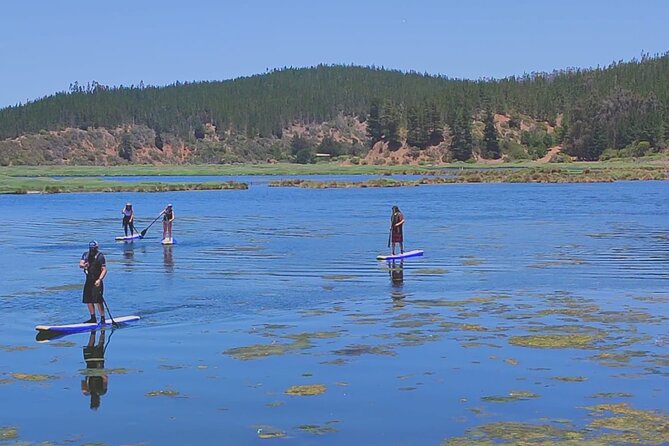
- Paddle with the current: The route follows the estuary in the direction of the flow, which helps keep the outing suitable for beginners and families.
- Explore the Salinas de Cahuil: You reach abandoned salt flats by water, then hear about salt production from a local salt worker.
- Plan for roughly three and a half hours: The tour includes the paddle, the stop at the salt flats, a snack, and the return to the meeting point.
- Expect a personal outing: This is a private activity, so only your group takes part.
- Look for a relaxed bird-watching experience: The route is designed for quiet observation rather than speed or strenuous exercise.
- Pablo adds a local touch: Transport from a hostel was especially helpful for one participant, and Pablo pointed out nearby places, trees, and local friends along the way.
Why the Cahuil salt route is worth your time
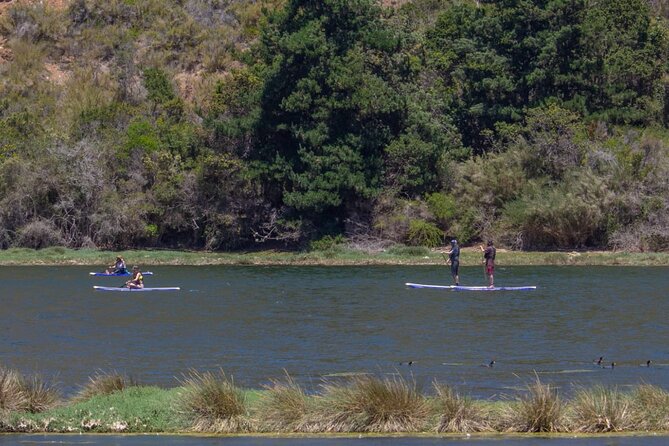
Pichilemu is best known for the sea, surf, and open coastline. This excursion gives you a different view of the area. Instead of heading straight into the waves, you move through an estuary toward the Salinas de Cahuil, a place shaped by salt work and slow water.
That change of pace is the point. You are not signing up for a hard workout or a dramatic whitewater run. You are setting aside several hours to watch the water, keep an eye out for birds, and understand how people have used this part of Chile.
The route passes through abandoned salt flats, which gives the trip a slightly haunting quality. You can expect a quiet setting where the old salt works are part of the scenery rather than a polished museum display. The experience is strongest if you enjoy simple outdoor activities with a local story attached.
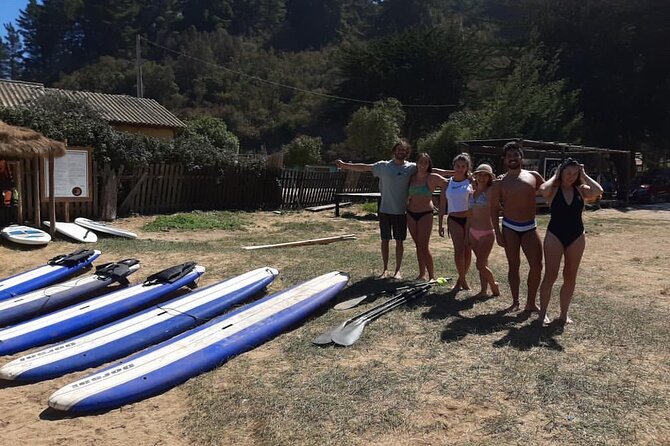
The advertised experience is described as crossing the Salt Route on a rowing surfboard, while the activity details refer to a stand up paddle board. That wording may reflect the equipment used locally or a translation issue. If the exact board style matters to you, ask Yagan ecoturismo chile when you book.
Other Chile trips travellers pair with this one:
- Valparaiso Port and Viña del Mar with Casablanca Wine Tasting
★ 5.0 · 6,110 reviews - Santiago: Cajon del Maipo/Embalse del Yeso Tour with Picnic
★ 4.3 · 3,789 reviews - Santiago: Vina Del Mar, Valparaiso, Casablanca & Reñaca Tour
★ 4.2 · 2,838 reviews
Starting near Pichilemu and heading inland
The meeting point is listed at 47Q9GX7Q+C86GX7Q+C86 in Pichilemu, Chile, and the activity returns to that same meeting point. The unusual location code is worth checking carefully before the day of your outing, especially if you are navigating on your own.
The experience operates Monday through Saturday, from 8:30 in the morning until 7:30 in the evening. Your booked start time will determine the actual rhythm of the trip, but the full outing lasts about three hours and thirty minutes.
Transport can be an important part of the value here. A participant specifically appreciated being collected from a hostel, and Pablo used the drive to point out places along the way, identify trees, and greet people he knew. That suggests the transfer is not just dead time in a vehicle. It can help you see more of the area before you even reach the water.
I would still confirm transport arrangements in advance. The information confirms that hostel transportation was helpful on one outing, but it does not state that pickup is included from every accommodation. Ask where pickup is available and whether you need to reach the Pichilemu meeting point yourself.
Paddling the estuary with the current
Once you begin, you paddle up the estuary with the current. That detail matters. A route in favor of the flow generally makes the physical work more manageable, especially for families and people trying stand up paddle boarding for the first time.
The activity is described as suitable for the whole family and for all ages. You should still be comfortable around water and able to take part in a paddle-board activity, but you do not need to approach this as a serious sporting challenge. The emphasis is on a contemplative crossing, bird watching, and the changing view of the salt flats.
I like the way this format gives you room to pay attention. A fast trip can turn the estuary into a blur of water and reeds. Here, you have a better chance to notice birdlife and enjoy the silence between strokes. You might also find that the quiet makes the route more memorable than a busier attraction.
The tradeoff is that this is not an activity packed with entertainment every minute. If you want speed, surf, or a demanding workout, this may feel too gentle. If you like water, open space, and a guide who lets the setting do some of the talking, the calm pace is a strength.
The trip received a perfect rating from 37 published evaluations, with 100 percent recommending it. That does not remove the need to match the activity to your interests, but it does point to a clear pattern: the gentle route, friendly guiding, and peaceful setting are the main reasons to choose it.
Arriving at the Salinas de Cahuil
The main stop is the Salinas de Cahuil. This is where the water route connects with the human story of salt production in the region.
The salt flats are described as abandoned, so you should not expect a large visitor center or a fully staged historical attraction. Their appeal comes from seeing the old working area in place and hearing about its purpose from someone connected to the trade.
A salt worker explains the history of salt in the region when you arrive. That direct explanation gives the stop more meaning than a quick photo break. You can connect the flat, pale salt-working area with the people who once depended on it and with the work that shaped local life.
The setting also gives you a useful contrast with Pichilemu’s ocean identity. Here, the story is not mainly about surfing or beach time. It is about estuary water, salt, birds, and a local tradition. I would give this stop your full attention, since the interpretation from the salt worker is one of the most distinctive parts of the outing.
Still Chile, but an entirely different landscape:
- Cable Car, Funicular and Sightseeing Bus in Santiago one day
★ 5.0 · 2,325 reviews - Small-Group Cajón del Maipo Full-Day Tour and Picnic
★ 4.5 · 2,277 reviews - Tour to Valparaíso, Viña del Mar, Pablo Neruda Museum and Vineyard
★ 5.0 · 2,273 reviews - Maipo Valley Wine Tour with 4 vineyards from Santiago.
★ 5.0 · 1,983 reviews
A snack beside the old salt flats
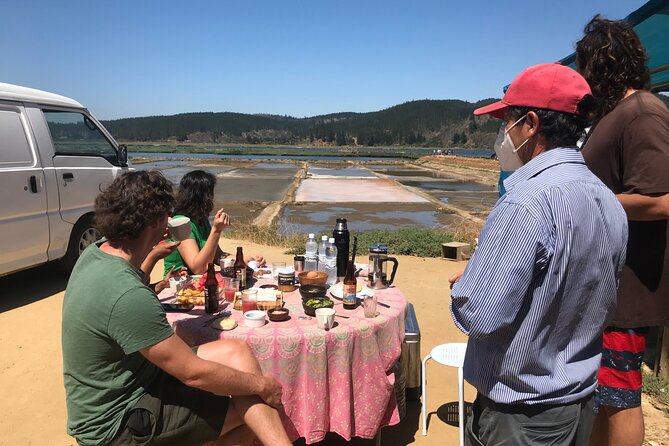
At the end of the paddle, the team waits with a prepared snack in front of the salt flats. This is a small detail, but it improves the rhythm of the experience.
You get time to step away from the board, eat, and take in the setting without trying to paddle and listen at the same time. The snack also gives the stop a welcoming, informal feel. It is not simply a transfer from one activity to the next.
The available information does not specify the food or drink, so I would not book this expecting a full meal. Think of it as a refreshment during a three-and-a-half-hour excursion. If you have allergies, dietary needs, or children who need specific food, ask what will be served before you go.
The location makes the pause worthwhile. Eating in front of the salt flats lets you look back at the route you have taken and hear the local story in the place where it belongs. That kind of setting is more valuable than a snack handed out beside a vehicle.
Pablo’s guiding style and the local connection
Pablo is named as the guide, and the personal tone of the experience is one of its strongest features. His approach includes explaining places along the drive, pointing out trees, and introducing people he knows. Those details suggest a guide who treats the trip as a chance to share his home area, not just deliver a set route.
He is also a surf instructor, so you may benefit from his comfort around water and board-based activities. The information does not specify formal instruction levels or a detailed safety briefing, so ask about equipment and instruction if you are nervous about standing on the board.
A dog named Rasti sometimes joins the outing as a companion. That can be a charming part of the experience for people who enjoy animals, especially children. It may not suit everyone, though, so mention any concerns about dogs when arranging the tour.
Pablo’s warmth is important because this is a private activity. With only your group taking part, you are not sharing the route with a large busload or trying to hear a guide over a crowd. A private setting can make it easier to ask questions, paddle at a comfortable pace, and pause for bird watching.
It also means the value depends more heavily on the guide. Pablo’s personal manner appears to be a major part of the appeal. If you prefer an independent rental with no conversation, this is a different sort of outing.
What the $50 price buys you
At $50 per person, this sits in the affordable range for a private, half-day-style activity, especially if transport from your hostel is included for your location. You are paying for more than time on a board. The price covers a guided route, access to a local salt story, a prepared snack, and a private group format.
The strongest value comes from the combination of elements. You could perhaps find a simple paddle rental for less, but that would not give you the same structure, local explanation, or arranged stop at the salt flats. On the other hand, anyone looking only for an athletic paddle may feel that the interpretation and snack are less important.
I see this as a good value for families, couples, and small groups who want one thoughtful activity in the Pichilemu area. The private format is especially useful if your group has mixed ages or different levels of confidence on the water.
The duration also works well beside other plans. Three hours and thirty minutes is long enough to make the journey feel substantial, but it does not consume a full day. Leave room around the scheduled time, since the experience includes transport details, paddling, the salt-flat stop, and the return to the meeting point.
Who will enjoy this most
You are a good match for the Salt Route if you like:
- Calm outdoor activities rather than high-speed sports
- Bird watching and quiet natural settings
- Local stories tied to work and place
- Family-friendly excursions
- Private tours with a personal guide
- A different side of the Pichilemu area
Children and older family members may appreciate the gentle pace, but the operator says most people can participate rather than promising that every physical limitation is accommodated. Service animals are allowed. If someone in your group has specific mobility or water-related needs, ask for practical details before booking.
You may want another activity if your main goal is surfing, intense exercise, or a long list of major sights. The Salt Route is deliberately narrow in focus. Its reward comes from paying attention to one estuary, one salt-producing area, and the people connected with it.
Weather, timing, and simple planning advice
Good weather is required. If conditions are poor, the operator will offer a different date or a full refund. That policy is reassuring, but it also means you should keep some flexibility in your Pichilemu schedule.
You can cancel without penalty up to 24 hours before the start time for a full refund. Changes or cancellations made less than 24 hours before the start time are not accepted, and the cut-off is based on local time.
I would confirm three things before departure: the exact meeting point, whether pickup from your accommodation is available, and the board type used for the crossing. The supplied location code is unusual, and the wording switches between rowing surfboard and stand up paddle board.
Wear clothing suitable for a water-based outing, and plan around the weather rather than assuming the trip will run in all conditions. The operator confirms that most people can participate, but the available details do not specify what equipment or clothing is supplied, so ask if you need anything particular.
Should you book the Salt Route?
I would book this if you want a quiet, personal way to see the Cahuil salt flats and you value local conversation as much as the paddle itself. The current-assisted route, bird watching, snack, and salt worker’s story create a well-balanced three-and-a-half-hour outing.
The $50 price is sensible for a private experience, particularly if transport from your hostel is included. Pablo’s local knowledge and friendly style add real value, and Rasti the dog may provide an unexpected bit of company.
I would skip it only if you want a demanding water sport or a packed sightseeing schedule. For everyone else, this is a modest but memorable choice: slow water, old salt flats, and a guide who helps you notice what is around you.
FAQ
Where does the Salt Route experience start?
It starts at 47Q9GX7Q+C86GX7Q+C86 in Pichilemu, Chile. The activity ends back at the meeting point.
How long does the experience last?
The tour lasts approximately 3 hours and 30 minutes.
Is the activity suitable for children and beginners?
The experience is described as suitable for the whole family and all ages. It follows the estuary with the current and is intended as a contemplative, beginner-friendly paddle.
What will I see at the Salinas de Cahuil?
You will cross by board toward the abandoned salt flats, watch for birds, enjoy a prepared snack, and hear the history of regional salt production from a salt worker.
Is this a private activity?
Yes. Only your group will participate.
What happens if the weather is poor?
The experience requires good weather. If it is canceled because of poor conditions, you will be offered another date or a full refund.
Just added around Chile
- Volcanic Refuges: Excursion to Underground Civilization★ 4.7 · 8 reviews
- Walking City Tour with Funicular, Cable Car and Tasting★ 4.3 · 6 reviews
- Viña del Mar and Valparaiso: guided day tour★ 4.2 · 8 reviews
- Viña del Mar: Guided city tour★ 4.9 · 10 reviews
- Tour VIÑA CONCHA Y TORO + CASA MARQUES – Chile, from Santiago.★ 5.0 · 2 reviews
- Viña del Mar and Reñaca 4-Hour Pacific Coast Tour★ 4.7 · 14 reviews
- VIÑA DEL MAR AND VALPARAISO TOUR★ 4.8 · 20 reviews
- Valparaíso, Viña del Mar and Casablanca Full Day Experience★ 4.7 · 14 reviews