Reviewed · SANTIAGO TOURS
An Architect’s Tour of Downtown Santiago
Cities reveal themselves through buildings. This three-hour walk with Chilean architect Diego Inzunza connects Santiago’s architecture with the political and social changes that shaped it. I like the small-group format, limited to eight people, and I like that the route reaches places you could easily pass without understanding. The main consideration is that this is a walking tour for people aged 10 and over, so comfortable shoes matter.
The tour runs in English or Spanish, and Diego’s fluent English makes the architectural ideas easy to follow. I also appreciate the built-in coffee, restroom, and practical stops, though the walk ends at La Moneda and does not include a ride back to your accommodation.
In This Review
- Key reasons to consider this Santiago walk
- Why an architect changes the way you see Santiago
- Starting at Plaza Baquedano
- Barrio Lastarria and the city’s cultural character
- Universidad Católica de Chile and institutional design
- Cerro Santa Lucia, a change of pace
- Iglesia San Francisco and older Santiago
- Barrio Paris-Londres and Santiago’s distinct architectural voice
- Coffee, restrooms, and useful pauses
- Reaching La Moneda, Chile’s civic center
- What the $59 price buys you
- Who will enjoy this walk most
- Who should choose another activity
- Practical booking advice
- Should you book An Architect’s Tour of Downtown Santiago?
- FAQ
- How long is An Architect’s Tour of Downtown Santiago?
- What is the price of the tour?
- Which languages are available?
- Where does the tour meet?
- Where does the tour end?
- Is transportation back to my accommodation included?
- Is the tour wheelchair accessible?
- Are children allowed to join?
Key reasons to consider this Santiago walk
- Diego’s architectural training: Diego graduated in architecture in 2016 and has worked as an architect and guide for more than six years.
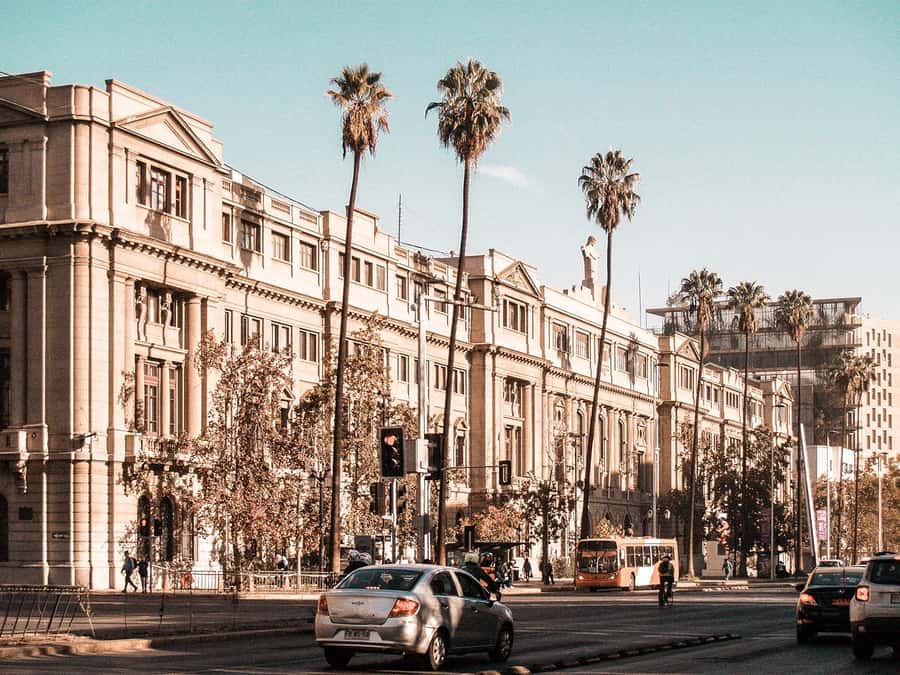
- A route through major Santiago landmarks: The walk links Plaza Baquedano, Barrio Lastarria, Cerro Santa Lucia, Iglesia San Francisco, Barrio Paris-Londres, and La Moneda.
- History explained through design: You learn how architecture reflects Chile’s political and social changes, not just the names and dates of buildings.
- Small groups make questions easy: With no more than eight participants, you can ask about details that catch your eye and spend extra time photographing a place.
- English and Spanish guiding: Diego lived in the United States for 10 years, which supports detailed conversation in English.
- A practical city orientation: Coffee, restroom, bank, and money exchange stops can be added when needed, making the three-hour route easier to manage.
Why an architect changes the way you see Santiago
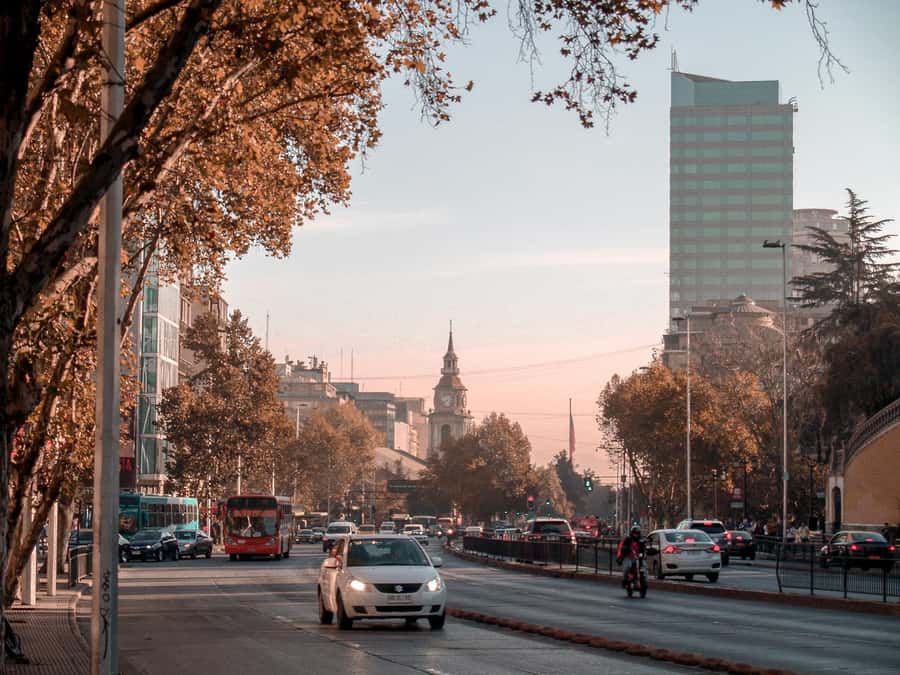
A standard city walk can point out a church, a palace, or an attractive neighborhood. This experience asks a different question: Why does this building look the way it does, and what does it tell you about Chile?
That shift is the tour’s main strength. Diego explains architectural styles, the reasons behind a building’s appearance, and the events that influenced Santiago’s growth. You are not expected to know architectural terms beforehand, and you do not need any special equipment. Curiosity is enough.
I find this especially useful in a city where different periods sit close together. A church, university, civic building, and residential quarter can each reveal a different chapter of Santiago’s development. Diego’s job is to connect those pieces rather than leave you with a list of isolated sights.
The political side also gives the walk extra weight. Several people who praised the experience singled out Diego’s explanations of Chilean political and social change through architecture and design. That makes this more than a visual tour. You get help reading the city as a record of changing ideas, power, taste, and public life.
The small-group limit of eight is important here. Architecture tours work best when you can stop, look up, and ask a question without holding up a large crowd. The format also lets you request more time at a place if you want to photograph or examine it closely.
A few more Santiago Chile trips worth comparing side by side
- Santiago: Cajon del Maipo/Embalse del Yeso Tour with Picnic
★ 4.3 · 3,789 reviews - Santiago: Vina Del Mar, Valparaiso, Casablanca & Reñaca Tour
★ 4.2 · 2,838 reviews - Santiago: Cajon del Maipo & Embalse El Yeso Trip with Picnic
★ 4.5 · 1,859 reviews
Starting at Plaza Baquedano
The tour begins around Plaza Baquedano, Santiago’s most important intersection, next to Teatro Universidad de Chile. The supplied meeting information also gives Av. Providencia 43 as the starting address, so I would confirm the precise rendezvous point when booking, especially if you are arriving independently.
Plaza Baquedano is a fitting place to begin because it introduces Santiago as a city of movement, public space, and competing layers of meaning. From here, the route moves toward central neighborhoods and civic landmarks rather than staying in one small historic pocket.
Your guide can give the setting a proper frame before the walk gathers pace. Instead of immediately rushing toward a famous building, you begin by understanding how this part of Santiago connects to the city center and its surrounding districts.
That opening is also useful for orientation. If you have just arrived in Santiago, the tour gives you a mental map of the central area. If you already know the city, it offers a new way to connect places you may have seen separately.
Barrio Lastarria and the city’s cultural character
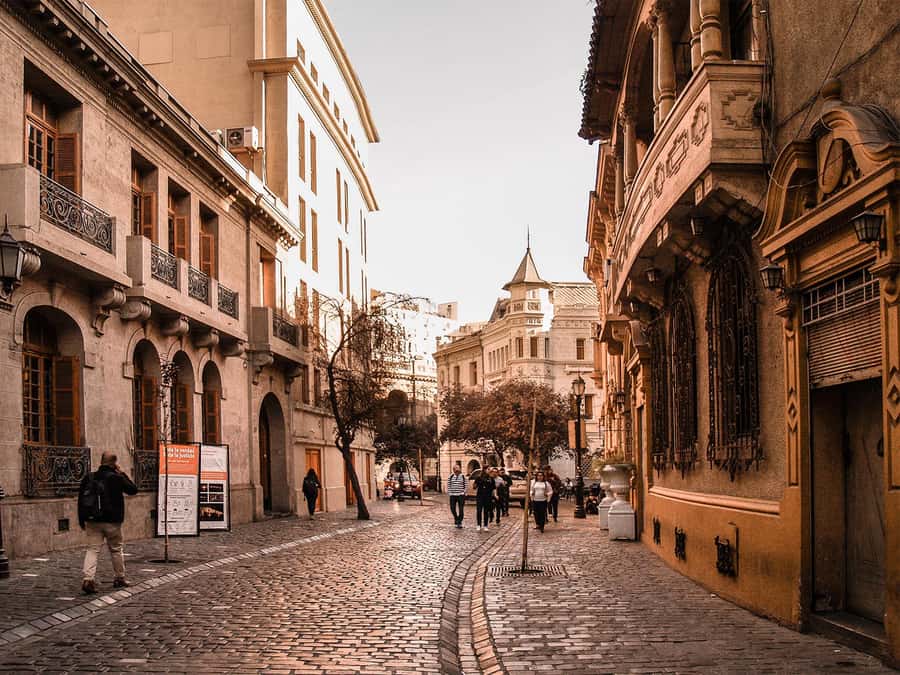
Barrio Lastarria is one of the early highlights. The neighborhood is known for its cultural and architectural interest, and it provides a good setting for Diego to explain how buildings, streets, and urban design work together.
Here, do not focus only on taking attractive photographs. Look at how the neighborhood’s buildings create a distinct character and how the area relates to the larger city around it. Diego’s architectural training helps turn those visual details into useful observations.
This stop should suit you if you enjoy neighborhoods as much as monuments. You get a sense of how people use an urban area, how a district develops its identity, and how architecture can shape the experience of a street.
The route is not designed as a shopping outing, though there are several places along the way where you may buy souvenirs. Those stops are optional, but they can be useful if you want a small reminder of Santiago without adding a separate shopping trip.
Universidad Católica de Chile and institutional design
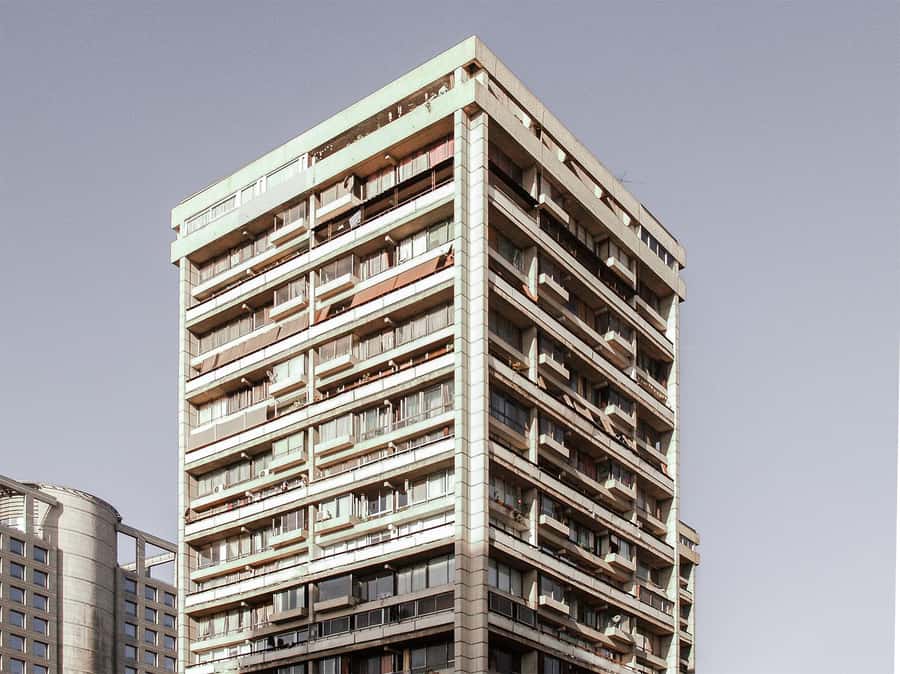
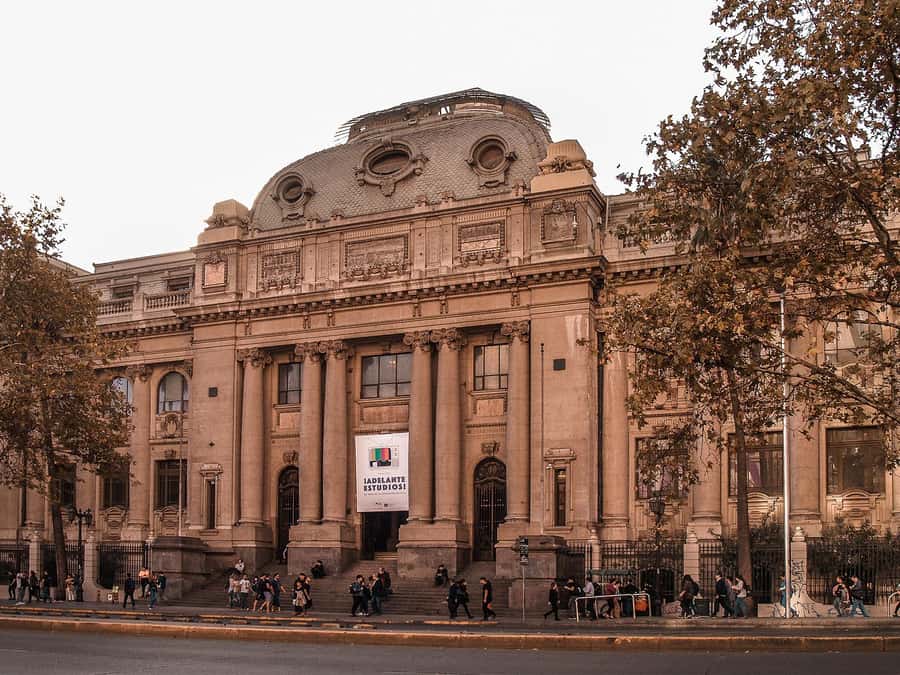
The tour includes Universidad Católica de Chile, giving you a chance to consider architecture in an educational and institutional setting. A university is not simply another attractive building. Its design can express ideas about learning, authority, public life, and the role of institutions in Chilean society.
Diego’s explanations are most valuable when he moves from appearance to purpose. You can ask why a building uses a particular style, how its design relates to its setting, or what historical events affected its development.
This is one of the places where the small group makes a real difference. You are encouraged to ask about details you find curious, and the guide can spend more time on a point if the group wants to look closer.
Still Chile, but an entirely different landscape:
- Santiago: Valparaiso, Viña del Mar, & Casablanca Valley Tour
★ 4.8 · 1,491 reviews - Santiago: Viña del Mar, Valparaiso & Casablanca Valley Tour
★ 4.8 · 764 reviews - From Santiago: Valle Nevado and Farellones Small Group Tour
★ 4.4 · 724 reviews - Santiago: Portillo and Laguna del Inca Day Trip with Picnic
★ 4.5 · 572 reviews
Cerro Santa Lucia, a change of pace
Cerro Santa Lucia adds a different kind of stop to the walk. After several urban streets and buildings, the hill changes the rhythm and offers another way to see central Santiago.
The information provided does not promise a specific viewpoint or amount of time at the hill, so you should not book this expecting a separate extended excursion. It is one part of a wider downtown route, not the whole focus of the afternoon.
Still, its place in an architecture tour is valuable. A city is easier to understand when you can consider buildings in relation to their surroundings. The hill helps shift your attention between individual structures and the wider form of Santiago.
You should wear comfortable shoes. This is a three-hour walking experience, and the route includes several neighborhoods and landmarks rather than a single site with easy seating throughout.
Iglesia San Francisco and older Santiago
Iglesia San Francisco brings religious architecture into the story. Along with the other stops, it lets you compare different building purposes and styles: worship, education, government, residential life, and civic gathering.
The value here is not simply seeing an old church. Diego explains the aesthetic choices and historical context behind the buildings, helping you understand why a structure looks as it does and how it fits into Santiago’s development.
This is also a good point for photography. You can ask to spend extra time at a place if you want to frame details or look more carefully. The tour is structured, but it is not presented as a race from one landmark to the next.
If you prefer a fast checklist of every major sight, this flexible approach may feel slow. If you like asking questions and making connections, it is one of the reasons to choose this experience.
Barrio Paris-Londres and Santiago’s distinct architectural voice
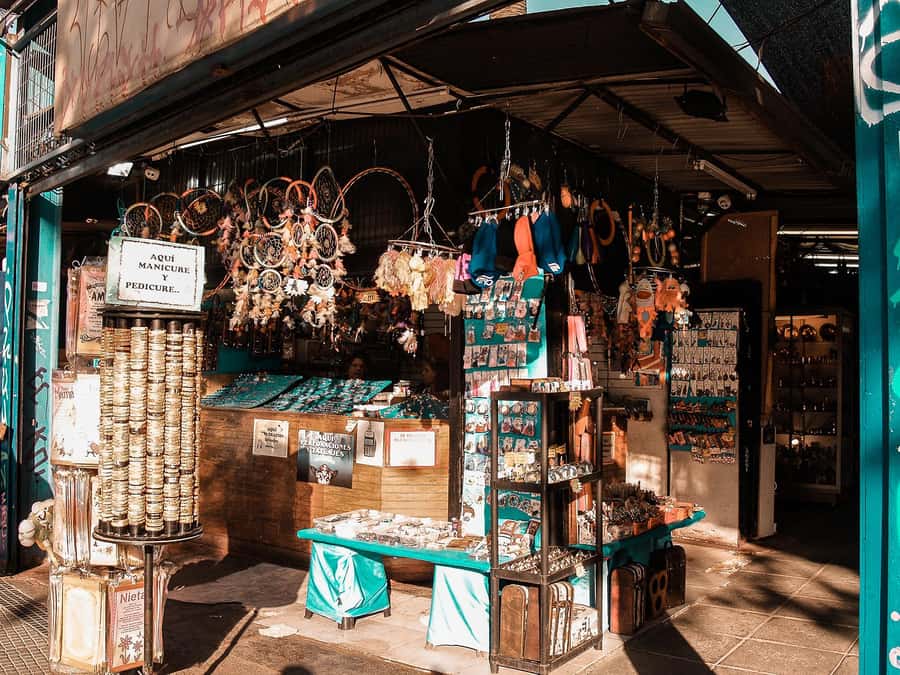
Barrio Paris-Londres is another important stop. Its name alone hints at a deliberate European influence, but the useful part of the visit is understanding how that influence became part of Santiago rather than treating the neighborhood as a decorative backdrop.
Diego can explain the choices behind the district’s design and place them within Chilean history. That context matters because architecture is rarely just about imitation. It also reflects local priorities, available materials, social conditions, and the period in which a neighborhood was built.
This section should appeal to anyone who enjoys finding details beyond the standard postcard view. One person specifically praised Diego for showing places that might otherwise be missed. That is a fair description of the route’s appeal: it takes you beyond the obvious central sights and gives those places a reason to matter.
Coffee, restrooms, and useful pauses
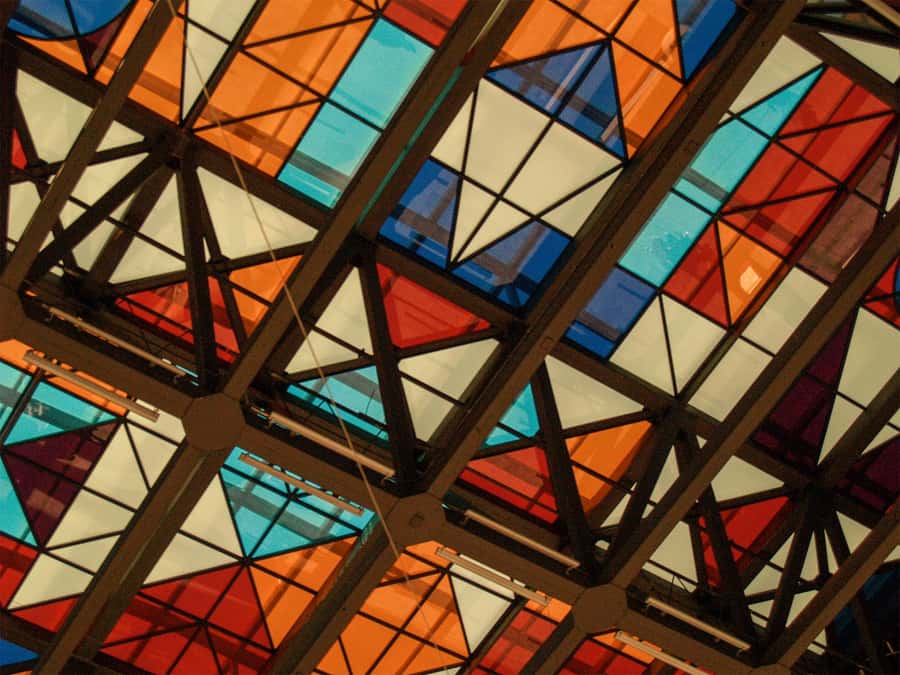
Three hours on foot is long enough for practical details to affect your enjoyment. The route allows for a coffee stop and restroom breaks when needed. Bank or money exchange stops may also be included if necessary.
These are not glamorous features, but they show thoughtful planning. You do not have to treat the walk as a test of endurance, and you can handle a basic practical errand without abandoning the group.
The exact café or stop is not specified, so do not choose this tour because you expect a particular coffee shop. Think of the break as a useful pause that helps you stay comfortable and attentive.
Bring comfortable shoes, and leave jewelry at home because it is listed among the items not allowed. You may also want a phone or camera for photographs, though no special equipment is required.
Reaching La Moneda, Chile’s civic center
The walk ends at La Moneda, Chile’s presidential palace and the center of the country’s civic life. Finishing here gives the route a clear arc, from a major Santiago intersection to the seat of national government.
La Moneda is not just a final photo stop. Its location allows Diego to bring together the themes of architecture, politics, and national identity that run through the tour. By the end, you should have a better sense of how public buildings can reflect the history of a country.
Plan your onward transportation before you start. The tour does not include a return ride, but public and private transportation are available just steps from La Moneda. Ending in the civic center also makes it practical to continue exploring central Santiago on your own.
What the $59 price buys you
At $59 per person, this tour costs more than a basic large-group orientation walk. The price makes more sense if you value a specialist guide, a small group, and three hours of discussion rather than a quick introduction.
You are paying for Diego’s architectural background and for a route developed over more than five years. You also get the chance to ask questions throughout the walk, request more time at a place, and explore the city through both design and history.
The value is strongest for people who would otherwise visit these areas without understanding their connections. A self-guided walk can show you Barrio Lastarria, Iglesia San Francisco, or La Moneda, but it may not explain how architectural choices relate to Chile’s social and political shifts.
The price may feel less worthwhile if you want only landmark photographs, dislike stopping for explanations, or prefer to cover a large area by vehicle. This is a conversation-led walk, not a rapid sightseeing circuit.
The five-star rating from seven verified bookings points to a consistent pattern in the available feedback. The strongest praise centers on Diego’s passion, his ability to explain the city, and his friendly, accommodating manner. Several people specifically valued his treatment of history, politics, and architecture together.
Who will enjoy this walk most
I would recommend this experience to you if you enjoy history, design, politics, or learning how cities develop. You do not need an architecture degree. In fact, the tour is designed so that beginners can follow the discussion and ask basic questions without feeling out of place.
It is also a good fit if you want a personal introduction to downtown Santiago. A group of eight or fewer is small enough for conversation, and the English and Spanish options make the experience accessible to a wider range of participants.
The tour may suit photographers who like time to examine buildings rather than simply pass them. You can ask to spend longer at a location, although the three-hour schedule means the guide must still keep the group moving.
Children under 10 cannot join. Families with older children should consider whether a three-hour architecture and history walk matches their interests. The subject matter is serious at times, particularly when the conversation turns to political and social change.
Who should choose another activity
I would look elsewhere if you want a bus tour, a food-focused outing, or a visit inside every landmark. The route is centered on outdoor urban observation and guided conversation.
You should also think carefully about the walking requirement. Comfortable shoes are specifically recommended, and the experience includes multiple neighborhoods and landmarks over three hours. The route is wheelchair accessible, but you may still wish to confirm the practical details of the day’s path before booking.
If your schedule is tight, remember that the walk has a fixed three-hour duration. Coffee and restroom pauses help, but this is not a short introductory stroll.
Practical booking advice
The tour is offered in English and Spanish, with a live guide. Reserve early if you want the small-group format, since participation is limited to eight people.
You can reserve without paying immediately and cancel up to 24 hours before the start for a full refund. Check the available start times, and confirm the meeting point because both Plaza Baquedano next to Teatro Universidad de Chile and Av. Providencia 43 appear in the supplied location details.
Wear comfortable shoes and avoid jewelry. Bring your questions, especially if you are curious about why a building looks a certain way or how a neighborhood changed over time.
Should you book An Architect’s Tour of Downtown Santiago?
Book it if you want Santiago explained by someone who understands both its buildings and its history. Diego Inzunza receives the strongest praise for his passion, clear explanations, friendly approach, and ability to connect architecture with Chile’s political and social changes.
The $59 price is fair for a three-hour, small-group experience with a trained architect, especially if you value conversation and places beyond the usual checklist. It is less suitable if you want minimal walking, a quick photo tour, or transportation included at the end.
For a first visit to Santiago, this can give you useful context before exploring more of the city on your own. For a return visit, it offers a fresh way to see familiar streets. Just bring good shoes, allow time after the tour to arrange your own ride from La Moneda, and confirm the precise meeting point before setting out.
FAQ
How long is An Architect’s Tour of Downtown Santiago?
The guided walking tour lasts three hours.
What is the price of the tour?
The price is $59 per person.
Which languages are available?
The live tour is available in English and Spanish.
Where does the tour meet?
The meeting point is Plaza Baquedano, next to Teatro Universidad de Chile. Av. Providencia 43 is also provided as the starting location, so confirm the exact meeting details before the tour.
Where does the tour end?
The tour ends at La Moneda, Chile’s presidential palace and civic center.
Is transportation back to my accommodation included?
No. A return ride is not included, but public and private transportation are available near La Moneda.
Is the tour wheelchair accessible?
Yes, the activity is listed as wheelchair accessible.
Are children allowed to join?
Children under 10 years are not permitted to take the tour.
Just added around Santiago Chile
- Walking City Tour with Funicular, Cable Car and Tasting★ 4.3 · 6 reviews
- Tour VIÑA CONCHA Y TORO + CASA MARQUES – Chile, from Santiago.★ 5.0 · 2 reviews
- VIÑA DEL MAR AND VALPARAISO TOUR★ 4.8 · 20 reviews
- Tour Valparaiso + Viña del mar★ 3.6 · 19 reviews
- Sunset over the Andes Mountains★ 4.8 · 12 reviews
- Santiago Sunset: Places where you will see the best sunsets★ 4.8 · 5 reviews
- Aviary & Tricao Park Tour with Undurraga Wine Tasting★ 4.2 · 4 reviews
- Santiago: Veramonte Vineyard, Isla Negra and Algarrobo,★ 4.3 · 4 reviews
Santiago Tours, compared.

Valparaiso Port and Viña del Mar with Casablanca Wine Tasting
Read our review →
Cajon del Maipo/Embalse del Yeso Tour with Picnic
Read our review →
Vina Del Mar, Valparaiso, Casablanca & Reñaca Tour
Read our review →
Cable Car, Funicular and Sightseeing Bus in Santiago one day
Read our review →
Small-Group Cajón del Maipo Full-Day Tour and Picnic
Read our review →
Tour to Valparaíso, Viña del Mar, Pablo Neruda Museum and Vineyard
Read our review →
Maipo Valley Wine Tour with 4 vineyards from Santiago.
Read our review →