Reviewed · SANTIAGO TOURS
14-Day Best Trip from Chile to Argentina with Lake Crossing
Ancient routes meet big-city energy. This 14-day Chile and Argentina journey links Santiago, Pacific coast towns, Chilean Patagonia, Bariloche, Buenos Aires, and Iguazu Falls in one neatly arranged trip. I like the mix of included transfers and sightseeing, and I especially like the Andean lake crossing, which turns a routine border transfer into one of the trip’s main events. The main caution is that this is not one continuous group tour. It is a package of separate excursions, flights, and local services, so solo visitors should expect new guides and companions along the way.
I also like the sensible rhythm: city time, coast, mountains, tango, then waterfalls. The 13 nights of accommodation and 13 breakfasts remove much of the daily planning. Still, the $3,535 price does not include domestic or international flights, national park fees, personal expenses, or the transfer from the Cruce Andino office in Bariloche to your hotel. Add those costs before deciding if the convenience earns its price.
In This Review
- Five details that shape the trip
- Starting in Santiago beneath the Andes
- Valparaíso, Viña del Mar, and a long Pacific day
- Puerto Varas and the pause before Patagonia
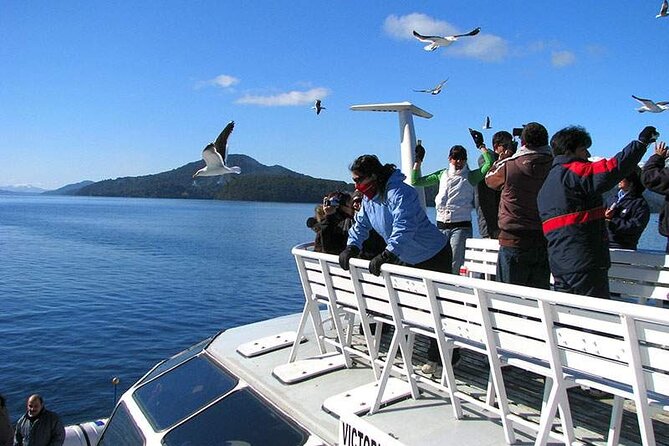
- The Great Andean Crossing from Puerto Varas
- Bariloche’s lakes, viewpoints, and resort country
- Buenos Aires from Plaza de Mayo to tango
- Iguazu Falls from Argentina and Brazil
- What the $3,535 price really covers
- The important catch: this is a coordinated package
- Who should book this 14-day route?
- FAQ
- Where does the tour begin?
- How long is the experience?
- Are flights included?
- Does the tour cross an international border?
- Is a passport required?
- Are national park entrance fees included?
- Is the lake crossing included?
- What clothing is recommended for Iguazu Falls?
Five details that shape the trip
- The Andean lake crossing is the centerpiece: You travel from Puerto Varas to Bariloche by bus and boat across several lakes, with a Chilean and Argentine border crossing.
- Santiago gets a proper first look: The city tour covers Plaza de Armas, La Moneda, Lastarria, Santa Lucía Hill, and Bellavista in about four hours.
- Valparaíso and Viña del Mar make a long coastal day: Expect hilltop views, colorful Cerro Alegre, seaside stops, and a return to Santiago around 6 pm.
- Buenos Aires includes both sightseeing and tango: The city tour covers Plaza de Mayo, La Boca, Puerto Madero, and Recoleta, followed by a four-hour La Ventana tango show.
- Iguazu is seen from both countries: Day 13 visits the Argentine side, including Devil’s Throat, while Day 14 crosses into Brazil for a different set of views.
- The package is active but not rushed every day: Several free days give you room to rest or buy optional excursions, though the transport days can be long.
Starting in Santiago beneath the Andes
Your trip begins at Arturo Merino Benítez Airport in Santiago. An airport pickup is offered, and the capital gives you a strong opening chapter: Chile’s political, commercial, and financial center sits close to both the Pacific coast and the Andes.
The first full sightseeing day begins around 8 am and runs for about four hours. It is a compact introduction rather than an exhaustive city visit. You pass through the Civic District and historic center, then see the Metropolitan Cathedral, Plaza de Armas, the National Historical Museum, and La Moneda Palace.
Plaza de Armas is the natural heart of old Santiago. The cathedral, municipal buildings, and former government institutions gather around this central square. At La Moneda, you get a look at Chile’s presidential headquarters and its architecture. If the schedule and timing cooperate, you may also see the changing of the guard.
I like the way the tour then shifts into more relaxed neighborhoods. Lastarria has cobbled streets, cafés, art shops, and cultural venues. Nearby Santa Lucía Hill offers gardens, paths, and a city viewpoint, but climbing it requires some physical effort and depends on opening conditions and available time.
The final stop is Bellavista, known for colorful murals, nightlife, and distinctive buildings. The route gives you a useful first orientation, though the short visits mean you will want free time later if you wish to explore Santiago’s museums, restaurants, or neighborhoods at a slower pace.
A few more Santiago trips worth comparing side by side
- Valparaiso Port and Viña del Mar with Casablanca Wine Tasting
★ 5.0 · 6,110 reviews - Santiago: Cajon del Maipo/Embalse del Yeso Tour with Picnic
★ 4.3 · 3,789 reviews - Santiago: Vina Del Mar, Valparaiso, Casablanca & Reñaca Tour
★ 4.2 · 2,838 reviews
Valparaíso, Viña del Mar, and a long Pacific day
Day 3 is a full excursion from Santiago to the coast. Pickup begins around 8 am for the 120-kilometer journey toward the Pacific. The road passes through the Curacaví and Casablanca valleys, giving you a look at the changing scenery between the capital and the sea.
Valparaíso is the more memorable half of the day. The port city climbs sharply into the hills, where houses, murals, stairways, and old elevators create a setting unlike orderly Santiago. Stops include Plaza Sotomayor, Plaza Victoria, and Paseo 21 de Mayo, where you can look over one of Chile’s major ports.
Cerro Alegre receives about two hours, including time to walk and use the city’s elevators. That is important. Valparaíso makes more sense on foot than from a vehicle window, and the hill neighborhoods reward a slower pace. The city’s steep streets can be tiring, so wear practical shoes.
The afternoon shifts to Viña del Mar, often called the Garden City. The Flower Clock is a quick, recognizable stop, followed by the Municipal Casino and Reñaca Beach. Reñaca allows about two hours for a walk, lunch, or time near the water. Quinta Vergara, associated with the International Song Festival, appears on the return route.
This is a good day for scenery and contrast, but it is also one of the more demanding days. You cover two coastal cities, several viewpoints, and a long return drive, reaching Santiago around 6 pm. Quinta Vergara admission is not included, and the package does not list meals for the day, so plan for your own lunch and snacks.
Puerto Varas and the pause before Patagonia
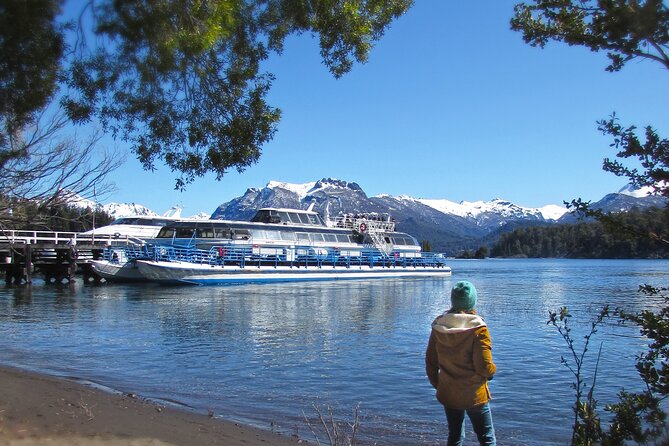
On Day 4, you have breakfast and free time until the transfer to Santiago airport. The flight to Puerto Montt is not included in the package, so you will need to account for that separately. At Puerto Montt airport, a driver takes you to your hotel in Puerto Varas.
Puerto Varas is your base for the Chilean portion of the lake crossing. Day 4 ends with free time, and Day 5 is also open for rest, shopping, or optional tours. I consider this breathing room useful because the next day involves several changes between bus and boat.
The itinerary does not name the hotels or specify the optional excursions available in Puerto Varas. Ask for those details before booking if accommodation style or extra activities matter to you. The included breakfasts help, but any additional meals and personal purchases are your responsibility.
The Great Andean Crossing from Puerto Varas
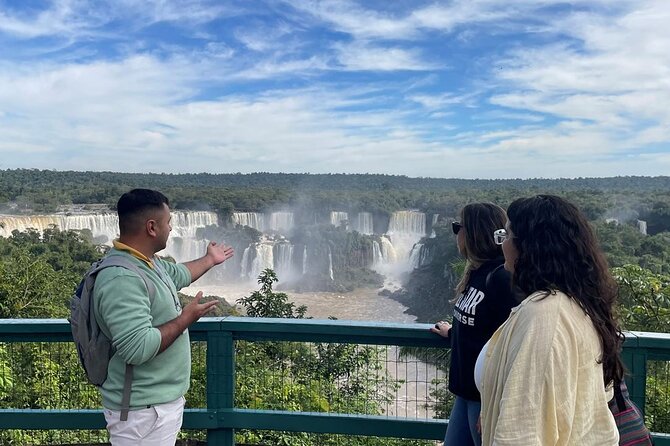
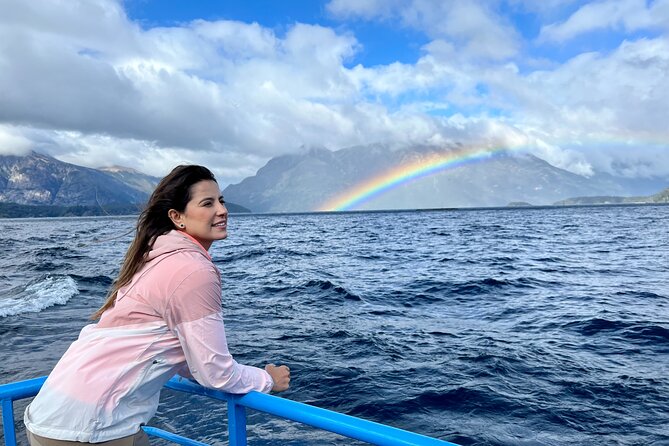
Day 6 is the trip’s most distinctive transport day. The Andean Crossing follows a route used for more than 400 years, though you will experience it through modern buses and boats rather than on foot.
The journey begins in Puerto Varas and follows Lake Llanquihue toward Petrohué. If conditions and season permit, you may see the Petrohué River waterfalls, with the surrounding mountains adding drama to the stop. Admission is listed as free, but weather and seasonal conditions affect what you actually see.
From there, the route moves through the Andes by bus for about two hours to Puerto Frías. You then cross Lake Frías by boat to Puerto Alegre, take another bus to Puerto Blest, and continue with a final navigation across Nahuel Huapi Lake toward Puerto Pañuelo.
The total crossing segment is listed at about seven hours, followed by the final bus to Bariloche. This is not a simple transfer. It is a full day of scenery, border formalities, luggage handling, and changing vehicles. Keep essential items with you, and make sure your passport is accessible. A valid passport is required, and your nationality may require a visa to enter Chile.
There is one practical wrinkle: the package excludes the transfer from the Cruce Andino office in Bariloche to your hotel. Confirm exactly where the included service ends and how you will reach your accommodation. This is a small cost compared with the whole trip, but it is the kind of detail that can cause needless stress after a long day.
Still Chile, but an entirely different landscape:
- Cable Car, Funicular and Sightseeing Bus in Santiago one day
★ 5.0 · 2,325 reviews - Small-Group Cajón del Maipo Full-Day Tour and Picnic
★ 4.5 · 2,277 reviews - Tour to Valparaíso, Viña del Mar, Pablo Neruda Museum and Vineyard
★ 5.0 · 2,273 reviews - Maipo Valley Wine Tour with 4 vineyards from Santiago.
★ 5.0 · 1,983 reviews
Bariloche’s lakes, viewpoints, and resort country
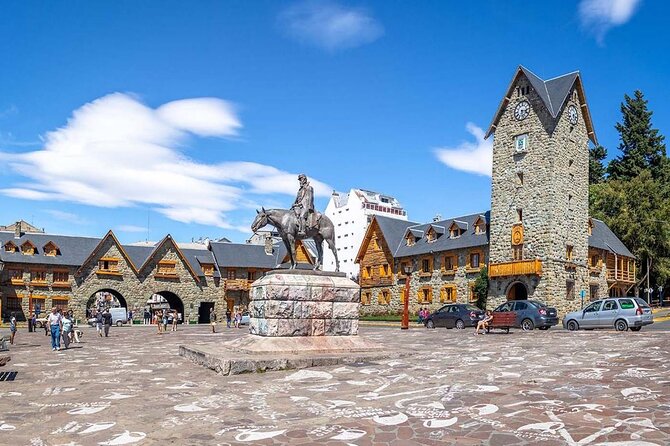
Day 7 explores the area around San Carlos de Bariloche. Pickup begins at your downtown hotel, then continues to Playa Bonita, about 8 kilometers from the city. From here, you can look toward Huemul Island and the broad waters of Nahuel Huapi.
The route proceeds to Cerro Campanario, one of the best viewpoints in the program. From the summit area, you can see Nahuel Huapi and Moreno lakes, El Trébol Lagoon, the San Pedro and Llao Llao peninsulas, and other features of the surrounding region. The ride or admission to the viewpoint is not included, so budget for that separately.
The excursion continues to the Llao Llao Hotel and San Eduardo Chapel, two well-known pieces of local architecture. Puerto Pañuelo is also included in the circuit, although boat trips to Victoria Island and the Arrayanes Forest are not part of the listed package.
You then pass golf courses, the bridge joining Moreno and Nahuel Huapi lakes, and Bahía López. A later section crosses the Moreno Lake bridge and follows El Trébol Lagoon before returning along Bustillo Avenue.
This is a scenic day rather than a museum-heavy one. The reward is the scale of the lakes and mountain country. The tradeoff is that some stops are brief, and the cable car or viewpoint admission costs extra. Day 8 is free, which gives you a chance to rest or arrange an optional Bariloche activity before flying to Buenos Aires on Day 9.
Buenos Aires from Plaza de Mayo to tango
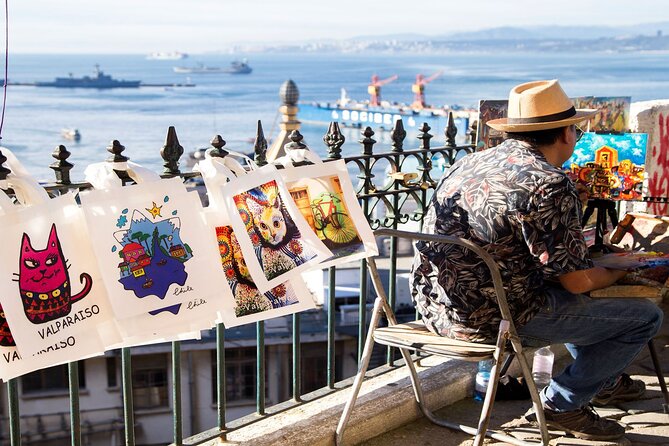
Day 9 includes an airport transfer in Bariloche, a flight to Buenos Aires, airport reception, and a transfer to your hotel. Again, the flight itself is not included, so your final cost will depend on the airfare.
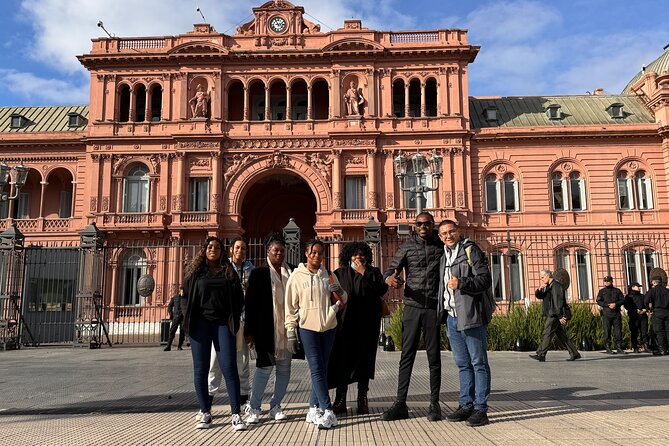
The city tour on Day 10 begins with hotel pickup. Plaza de Mayo is the first major stop, framed by the Metropolitan Cathedral, Government House, and Cabildo. This is the political and founding center of Buenos Aires, and it helps explain the city’s grand civic scale.
The route continues through San Telmo and past Lezama Park before reaching La Boca. At Caminito, you get the classic Buenos Aires scene of brightly painted buildings and an intensely tourist-focused street. It is colorful and easy to photograph, but the short 30-minute stop does not leave much time to see the wider neighborhood.
The bus then follows the Riachuelo toward Puerto Madero, the city’s modern port district, before moving through upscale Recoleta. The excursion finishes near Córdoba Avenue and Florida Street, a central location where you can continue exploring if energy allows.
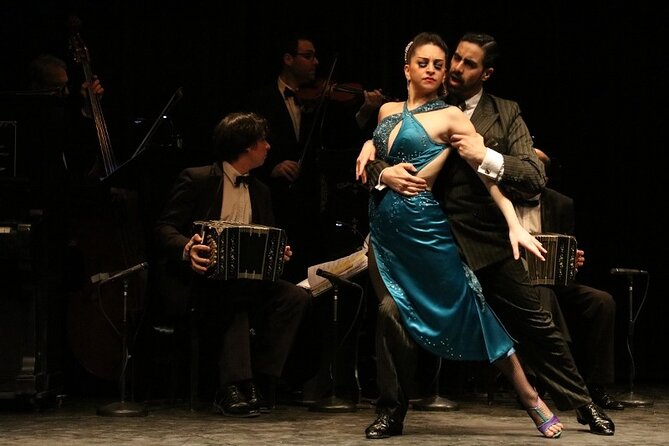
That evening, La Ventana provides the package’s signature night out. The show runs from 8 to 10 pm, though the full experience is listed as four hours. It takes place in a restored historic conventillo used as a theater and restaurant. The tango performance is included, along with dinner according to the package details.
Day 11 is free for shopping, rest, or an optional tour. That is helpful because Buenos Aires rewards unplanned wandering, and the included city tour only gives you an introduction to a large capital. You may want more time in San Telmo, Recoleta, or the central streets around Florida.
Iguazu Falls from Argentina and Brazil
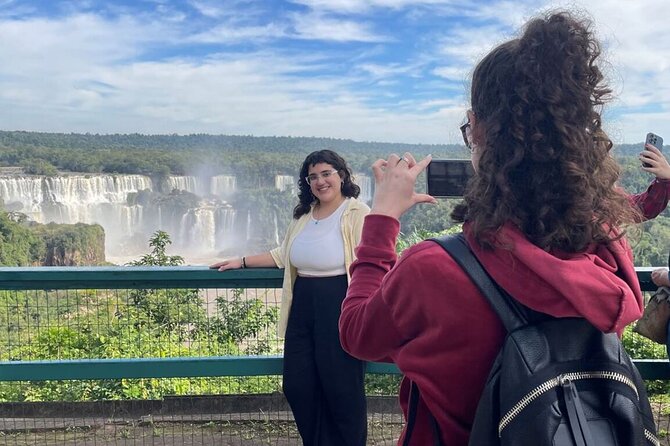
Day 12 transfers you to Aeroparque for the flight to Iguazú. After arrival, a local transfer takes you to the scheduled hotel. The flight and national park admissions are not included.
Day 13 visits the Argentine side of Iguazu Falls for about seven hours. The park offers access to some of the 275 falls, with the Upper Circuit providing elevated views across the water and islands. The specific route can depend on park conditions, so bring clothing suited to heat, spray, and walking.
The day’s highlight is Garganta del Diablo, or Devil’s Throat. From Cataratas Station, the train takes about 18 minutes to Garganta Station. From there, a 1,200-meter walkway crosses the islands toward the huge viewpoint over the falls. The train ride and walkway are included in the excursion details, but park admission is extra.
Day 14 crosses into Brazil for a different view. At the Brazilian park’s visitor center, panoramic buses carry you into the park. The walkway follows the river near Floriano Fall and provides broad views of the lower Iguazu River and Devil’s Throat Canyon. An elevator and stairs form part of the route.
The Brazilian visit lasts about six hours in total, split between the park transport and walkway area. This cross-border day requires your passport, and you should check visa rules for Brazil as well as Chile and Argentina before departure. The advice on clothing is practical: bring a swimsuit or light clothing that dries quickly, plus long sleeves for sun and mosquitoes. A raincoat can help, though spray is part of the fun.
In the afternoon, you are transferred to Iguazú airport for your flight home. There is no extra buffer day, so confirm the departure timing carefully.
What the $3,535 price really covers
At $3,535 per person, this is best viewed as a coordination package rather than a bargain tour. You receive 13 nights of accommodation, 13 breakfasts, excursions, listed transfers, taxes, and dinner connected with the tango evening.
That removes a long list of tasks across three countries. You do not need to arrange the Santiago city visit, the coastal excursion, the lake crossing, Bariloche sightseeing, Buenos Aires touring, or the two Iguazu park visits on your own.
The price does not include national or international flights, park entrances, optional activities, extra meals, or personal expenses. It also excludes the transfer from the Cruce Andino office to your Bariloche hotel. Because the itinerary uses several flights and border crossings, those exclusions can add up quickly.
I would compare the package against the cost of booking hotels, airport transfers, the lake crossing, and day tours separately. The value is strongest if you want one contact handling a complicated route. It is weaker if you prefer choosing your own hotels, staying longer in one place, or finding low-cost flights independently.
The important catch: this is a coordinated package
The overall rating is 3.5 out of 5 from two posted ratings, and the most important practical warning is clear: this is a chain of one-off tours with different people, not a fixed group traveling together for 14 days.
That structure has advantages. You are not tied to the same group every morning, and each local excursion can focus on its own destination. It also means you should not expect a single guide to know your plans throughout the entire journey.
One reported problem involved a chaotic first day and luggage difficulties. That makes it wise to keep medication, documents, a change of clothes, and basic toiletries in your carry-on. The provider apologized for the early setbacks, but careful packing remains your best protection.
The maximum group size is 40 people. Most people can participate, and the tour is near public transportation, though the long coastal day, lake crossing, steep viewpoints, and Iguazu walkways require reasonable stamina.
Who should book this 14-day route?
I would recommend it to you if you want to see several major South American highlights without designing every transfer yourself. It suits an active first-time visitor who values range: capital cities, Pacific coast, Andean lakes, a resort town, tango, and waterfalls.
It is less suitable if you want a close-knit group, a slow pace, or a fully guided experience from start to finish. Solo visitors should be comfortable meeting new people repeatedly. You should also be willing to manage flight bookings, park fees, border documents, and a few gaps in the transfer plan.
Book it if the lake crossing and Iguazu Falls are high priorities, and if the convenience of a prepared route matters more than absolute flexibility. Skip it if the unbundled flights and extra admissions push the real cost beyond your budget.
FAQ
Where does the tour begin?
The tour begins at Arturo Merino Benítez Airport in Santiago, Chile.
How long is the experience?
The trip lasts approximately 14 days and includes 13 nights of accommodation.
Are flights included?
No. National and international flights are not included in the package.
Does the tour cross an international border?
Yes. The Great Andean Crossing passes between Chile and Argentina, and the Iguazu program includes a visit to the Brazilian side of the falls.
Is a passport required?
Yes. You need a valid passport proving your identity. You should also check whether your nationality requires a visa to enter Chile or Brazil.
Are national park entrance fees included?
No. National park entrances in the Iguazu area are not included.
Is the lake crossing included?
Yes. The listed excursions and transfers include the Andean lake crossing between Puerto Varas and Bariloche, though the transfer from the Cruce Andino office in Bariloche to your hotel is excluded.
What clothing is recommended for Iguazu Falls?
Light clothing that dries quickly is recommended. A swimsuit, raincoat, long sleeves, and protection from sun and mosquitoes can be useful.
Just added around Santiago
- Walking City Tour with Funicular, Cable Car and Tasting★ 4.3 · 6 reviews
- Tour VIÑA CONCHA Y TORO + CASA MARQUES – Chile, from Santiago.★ 5.0 · 2 reviews
- VIÑA DEL MAR AND VALPARAISO TOUR★ 4.8 · 20 reviews
- Undurraga Wine tour★ 4.2 · 15 reviews
- Undurraga + Isla Negra + San Afonso del Mar —– Full day★ 4.1 · 8 reviews
- wetravelneruda’s route – Pablo Neruda’s route – Private tour★ 5.0 · 6 reviews
- Southcoast – Private Full-Day tour★ 5.0 · 6 reviews
- Santiago Private walking tour with Lunch★ 5.0 · 5 reviews
Santiago Tours, compared.

Valparaiso Port and Viña del Mar with Casablanca Wine Tasting
Read our review →
Cajon del Maipo/Embalse del Yeso Tour with Picnic
Read our review →
Vina Del Mar, Valparaiso, Casablanca & Reñaca Tour
Read our review →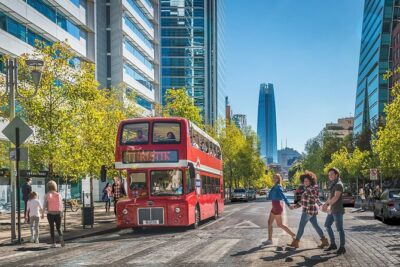
Cable Car, Funicular and Sightseeing Bus in Santiago one day
Read our review →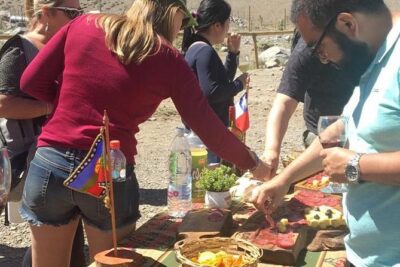
Small-Group Cajón del Maipo Full-Day Tour and Picnic
Read our review →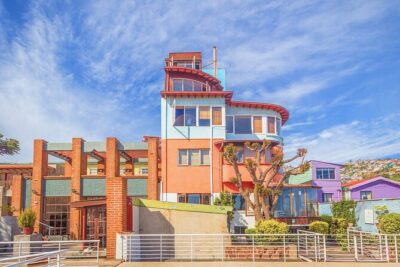
Tour to Valparaíso, Viña del Mar, Pablo Neruda Museum and Vineyard
Read our review →
Maipo Valley Wine Tour with 4 vineyards from Santiago.
Read our review →